.webp&w=384&q=75)

Loading, please wait...
Loading, please wait...

Treating individuals with substance use disorders requires an understanding of diverse biological, psychological, and social factors. Substance dependence rarely occurs in isolation. Instead, affected patients frequently struggle with comorbid medical problems, severe psychological distress, and extensive social marginalization. Traditional addiction treatment protocols frequently concentrate exclusively on substance abstinence and acute pharmacological stabilization. However, clinical recovery represents a much broader personal journey. Patients often seek emotional stability, social reconnection, and meaningful daily occupations alongside sobriety. When treatment systems ignore these multifaceted domains, recovery pathways frequently break down. Consequently, many patients cycle repeatedly through emergency departments, detox units, and psychiatric clinics. Healthcare systems historically deliver care through highly fragmented silos. Medical professionals address acute physical symptoms, while community social workers handle housing or welfare assistance. Unfortunately, poor coordination between these entities creates major service gaps. Patients frequently report significant distress even while receiving active professional assistance. Therefore, addiction specialists must systematically evaluate patient needs across every functional domain. Identifying specific unmet challenges enables healthcare providers to tailor rehabilitation interventions effectively. Clinicians can then support sustainable behavioral change and foster durable community reintegration.
Recent epidemiological research provides critical empirical insights into these clinical complexities. Investigators conducted a multi-center study across Belgium evaluating 562 service users diagnosed with substance use disorders. The researchers utilized the Camberwell Assessment of Need Short Appraisal Schedule to assess patient-reported outcomes. In addition, the team gathered detailed data on substance consumption patterns, psychological well-being, and social integration. To make sense of diverse individual patterns, researchers performed a latent class analysis. This sophisticated statistical technique grouped patients into three distinct, clinically meaningful profiles based on their reported needs. The first class represented 40 percent of the total sample. These participants demonstrated relatively low overall needs and maintained acceptable stability across daily functional domains. The second group accounted for 35 percent of participants. Individuals in this category experienced numerous baseline challenges, but professional services effectively addressed most of their care requirements. In contrast, the third class comprised 25 percent of the cohort. Members of this vulnerable group suffered from widespread, persistent unmet needs despite ongoing service contact. Interestingly, the utilization of specialized addiction treatment centers did not distinguish between these classes. This unexpected finding strongly indicates that conventional addiction clinics often fail to resolve vital non-medical domains.
Across all three analytical classes, interpersonal deficits emerged as the most prominent category of unmet need. Specifically, service users consistently cited an absence of meaningful companionship, intimate relationships, and healthy sexual expression. Substance dependency frequently erodes existing personal networks. It strains family relationships, separates partners, and alienates peer groups. Over time, pervasive social stigma pushes patients into profound psychological isolation. Medical regimens readily prescribe pharmacotherapy for withdrawal and craving control. However, clinical environments rarely offer structured platforms to rebuild authentic interpersonal connections. Furthermore, the analysis established that poor subjective well-being and weak social integration strongly correlated with greater total needs. When individuals feel disconnected from their local communities, their psychiatric vulnerabilities escalate rapidly. Loneliness directly magnifies emotional distress, which frequently triggers cravings and fatal relapses. Conversely, robust social connections provide vital emotional scaffolding during challenging recovery phases. Addressing loneliness is therefore not merely an optional lifestyle consideration. Instead, social health represents an indispensable clinical foundation for lasting psychiatric stabilization. Treatment facilities must actively incorporate social skills training, community engagement programs, and peer-led support groups into routine recovery models.
The study also revealed several notable predictors that directly influenced whether needs were met or unmet. For example, female participants exhibited significantly higher odds of having their needs met by professionals compared to males. Researchers observed an odds ratio of 2.76 among women. This trend suggests that female service users may engage more actively with supportive clinical resources. Additionally, engagement with community social services doubled the likelihood of having needs adequately addressed. Patients receiving structured homecare and assertive outreach services experienced even greater benefits, showing an odds ratio of 3.68. These outreach programs actively bridge bureaucratic barriers and deliver flexible assistance directly within the domestic environment. Conversely, severe polysubstance use emerged as the strongest independent risk factor for persistent unmet needs. Individuals consuming multiple psychoactive substances faced nearly a four-fold increase in unmet needs, with an odds ratio of 3.87. Polysubstance consumption typically mirrors chaotic lifestyles, severe underlying trauma, and complex psychiatric comorbidities. Unfortunately, conventional healthcare programs frequently turn away polysubstance users due to rigid entry criteria. Health systems must therefore design integrated, low-threshold programs capable of managing multi-substance dependencies safely.
Primary care practitioners and family physicians serve as the vital frontline defense for addiction identification and management. However, brief medical consultations often emphasize laboratory parameters, pharmacological titration, and acute physical stabilization. While essential, these biomedical measures alone cannot resolve entrenched psychosocial deficits. General practitioners must adopt routine screening tools that capture subjective life satisfaction and interpersonal networks. When a patient reveals severe relational deprivation, family physicians should coordinate promptly with allied healthcare teams. For instance, social prescribing models enable clinicians to connect patients with local community groups, arts initiatives, and vocational workshops. In developing nations like India, community-based health workers and local dispensaries can play a pivotal role. They bridge the gap between tertiary psychiatric institutions and vulnerable rural households. Furthermore, general practitioners must actively eliminate institutional stigma within primary healthcare clinics. Experiencing empathetic, non-judgmental communication encourages patients to disclose complex polysubstance habits early. Clinicians should also support family members through dedicated counseling and psychoeducation. Strengthening family bonds stabilizes domestic environments and substantially improves adherence to medical therapies. Ultimately, sustainable recovery requires healthcare providers to treat the whole person rather than isolating chemical addictions.
Research indicates that service users most frequently report unmet needs concerning company, intimate relationships, and sexual expression. Although specialized clinical programs successfully stabilize physical withdrawal and general health issues, they frequently overlook psychosocial deficits, social isolation, and relational intimacy, which remain critical drivers of long-term recovery and personal well-being.
Individuals who consume multiple psychoactive substances experience nearly a four-fold increase in unmet clinical needs. Polysubstance use frequently correlates with profound social destabilization, co-occurring psychiatric morbidities, and significant diagnostic complexity. Unfortunately, many conventional treatment facilities enforce rigid exclusion criteria, which routinely alienates these patients from comprehensive healthcare support.
Assertive outreach and homecare interventions triple the odds of having patient needs met by healthcare professionals. By delivering clinical, psychological, and social assistance directly into domestic environments, these flexible services eliminate severe bureaucratic barriers, foster trust, and directly assist vulnerable individuals who struggle to attend traditional outpatient clinics regularly.
Disclaimer: This content is for informational and educational purposes only. It is not intended to be a substitute for professional medical advice, diagnosis, or treatment. Always seek the advice of your physician or another qualified health provider with any questions you may have regarding a medical condition. Refer to the latest local and national guidelines for clinical practice.
References

Read summarized clinical updates, watch expert medical content, and earn CME certifications right from your smartphone.
Open your smartphone camera to scan and install.





A latent class analysis of 562 individuals evaluated the complex profiles of met and unmet needs in substance use disorders. While specialised medical services address physical health, critical gaps remain in interpersonal relationships, social integration, and multidimensional recovery support.
Today
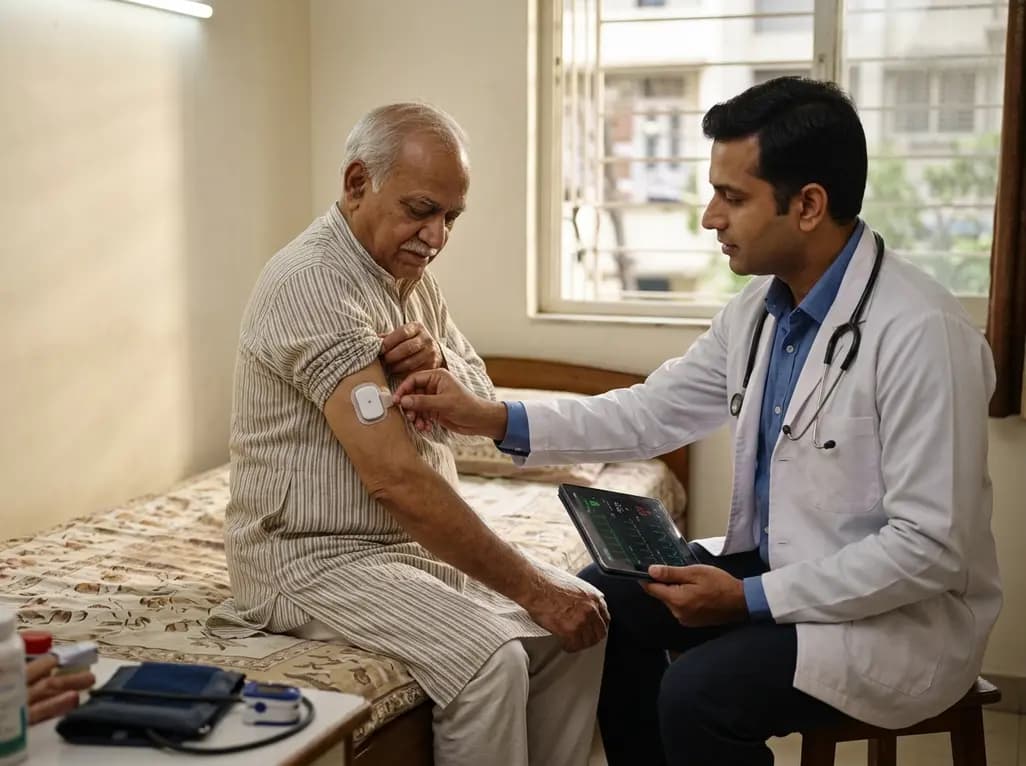
A feasibility study evaluates remote vital sign monitoring in acute hospital at home patients. Continuous wearable patches captured heart rate and respiratory rate with high adherence (89% and 75%), significantly exceeding manual spot checks for blood pressure, oxygen saturation, and temperature.
Today

A scoping review evaluates 116 studies on AI in women's reproductive health, finding that 83.6% carry high risk of bias. While ensemble models show promise, disparities and lack of validation hinder LMIC deployment.
Today
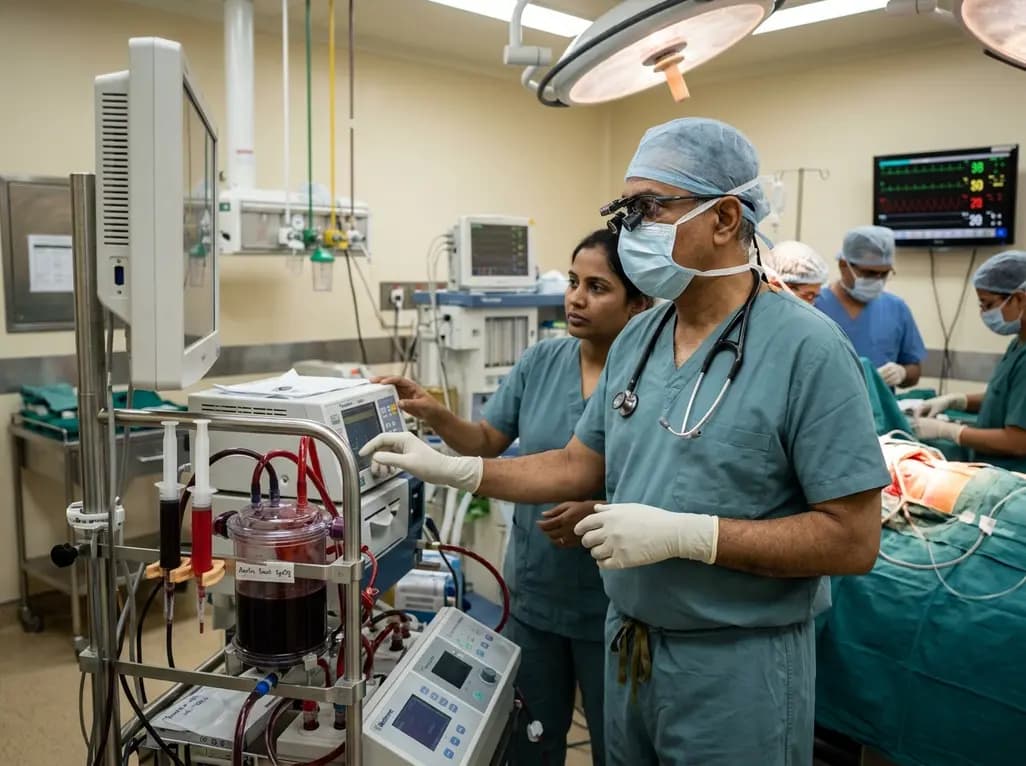
Differential oxygenation during peripheral TA-NRP can cause undetected coronary hypoxemia due to arch vessel clamping. A novel circuit with continuous aortic root monitoring detects desaturation early, facilitating left ventricular unloading and preventing allograft dysfunction and unnecessary heart discard.
Today
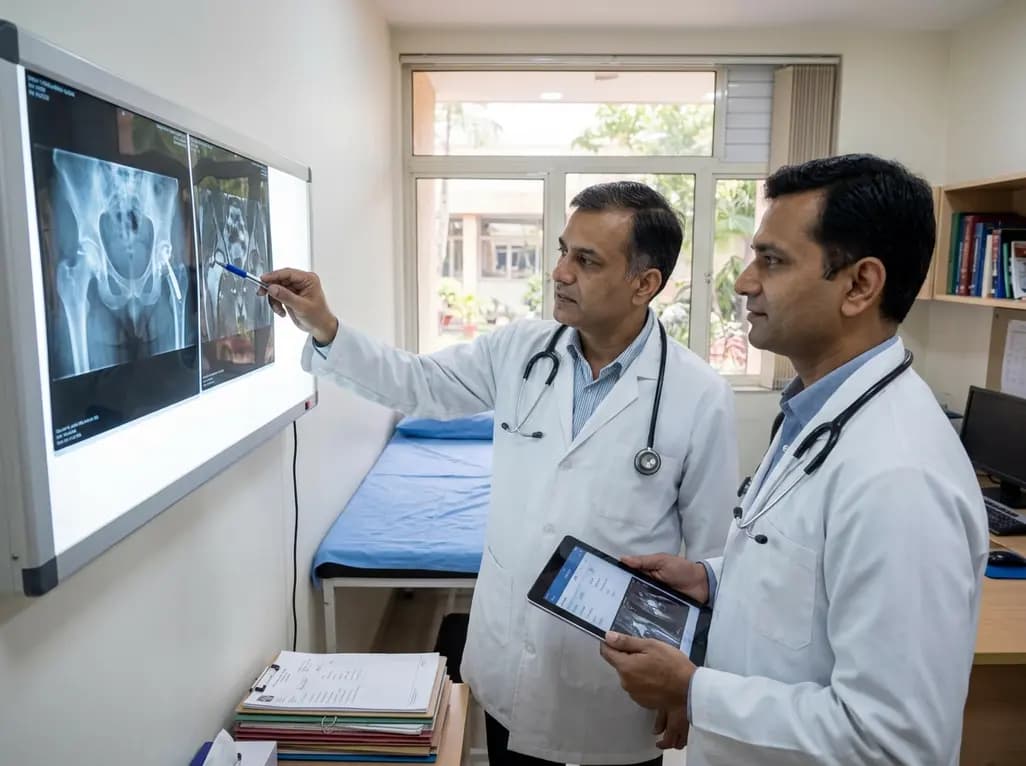
A longitudinal study reveals that patients undergoing staged bilateral hip arthroscopy experience progressive contralateral labral deterioration during surgical intervals. However, structural degradation does not compromise 2-year postoperative clinical outcomes or patient-reported satisfaction scores.
Today
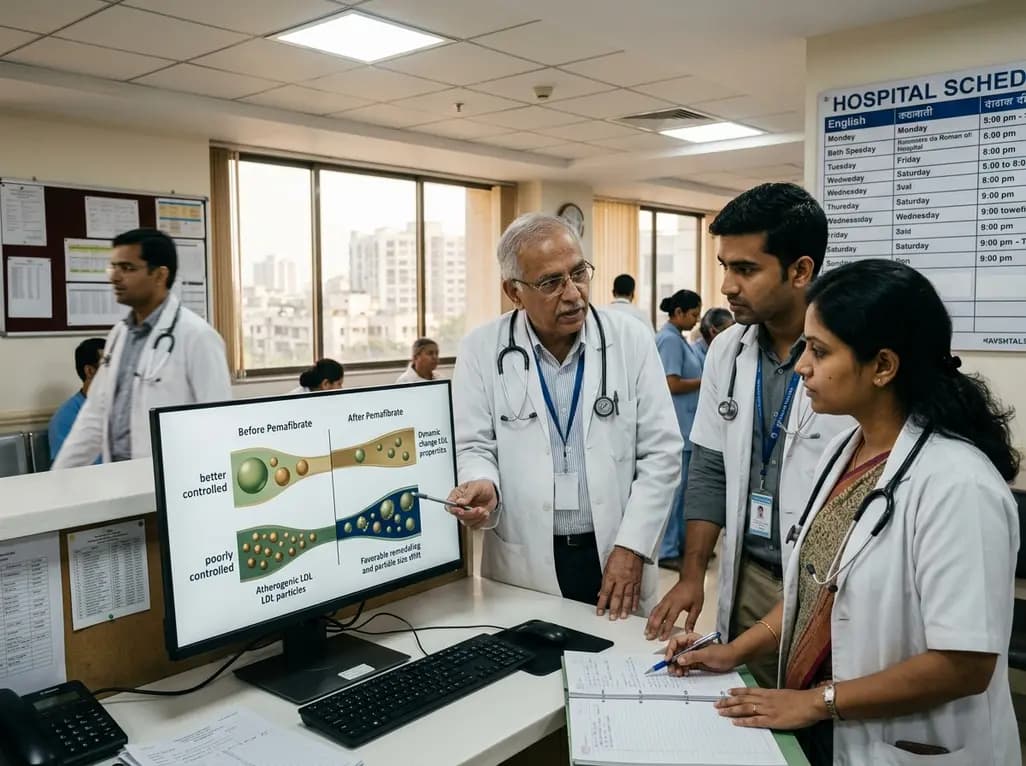
A post hoc analysis of the PARM-T2D study shows pemafibrate exerts baseline-dependent effects on LDL-C and particle size in type 2 diabetes and hypertriglyceridemia. It lowers triglycerides and remnants while favorably remodeling atherogenic LDL particles based on initial lipid control status.
Today
