.webp&w=384&q=75)

Loading, please wait...
Loading, please wait...
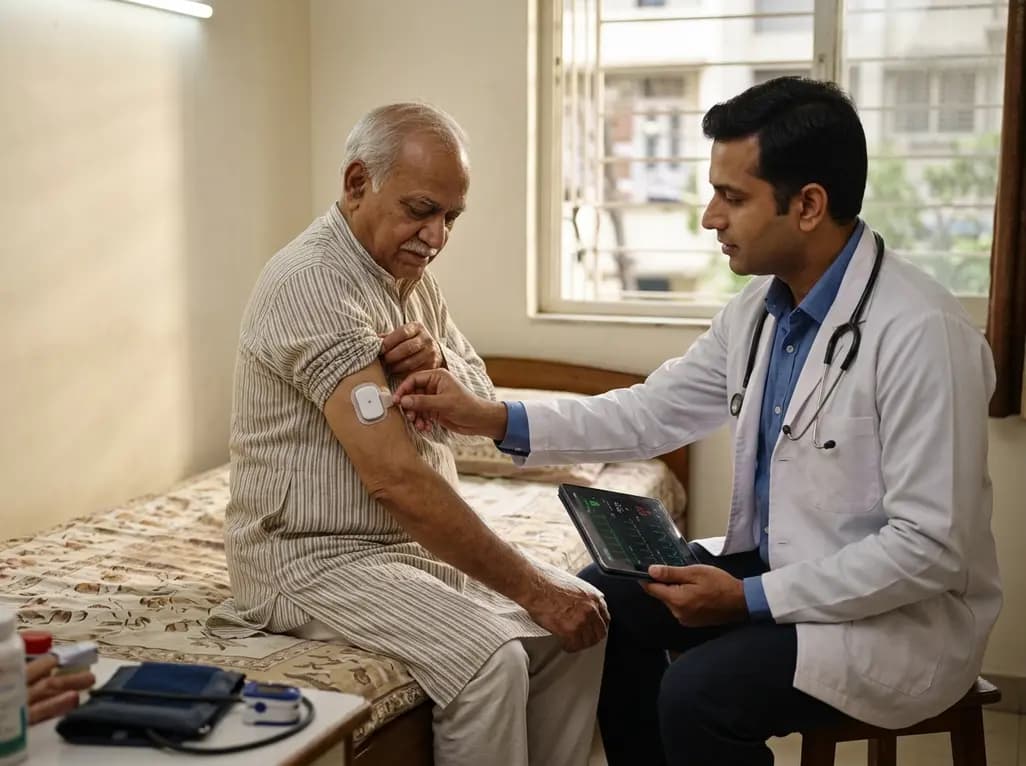
Modern healthcare systems face worsening inpatient bed shortages, creating an urgent demand for acute home-based care. Consequently, remote vital sign monitoring has emerged as a transformative clinical solution to supervise unwell medical patients at home safely. Bedside clinicians increasingly manage complex conditions such as decompensated heart failure, severe cellulitis, and acute kidney injury outside standard wards. Therefore, healthcare teams require dependable physiological telemetry to detect subtle deterioration before catastrophic clinical decline occurs. However, real-world empirical data examining the feasibility and acceptability of community biometric platforms remains sparse. Health authorities frequently endorse decentralized virtual wards without offering detailed operational blueprints for frontline practitioners. In response, investigators designed a prospective clinical feasibility trial evaluating wearable biosensor patches and digital spot-check devices. Additionally, this study assessed data completeness, patient adherence, and user satisfaction during acute community management. Ultimately, continuous physiological surveillance offers vital insights that intermittent clinical visits cannot match during acute illness episodes.
The investigative team conducted a nonrandomized feasibility trial within an acute hospital at home service in Oxford, United Kingdom. Specifically, researchers enrolled adult patients presenting with acute medical illnesses between January and October 2024. Eligible conditions included lower respiratory tract infections, acute cellulitis, urinary tract infections, systemic infection, acute kidney injury, and decompensated heart failure. However, clinicians excluded pregnant individuals and patients presenting with dermatological contraindications to chest adhesive patches. Participants wore a continuous biosensor chest patch to measure heart rate and respiratory rate through passive telemetry. In contrast, participants performed active intermittent spot checks for peripheral oxygen saturation, arterial blood pressure, and core body temperature. The clinical protocol scheduled physiological monitoring for up to seven days or until discharge from the acute service. Furthermore, researchers screened all admitted patients, though team availability led to nonconsecutive recruitment. Investigators evaluated fixed time windows across daytime and overnight surveillance intervals to quantify data completeness accurately. Consequently, this methodological structure allowed researchers to compare adherence rates between automated passive sensors and manual diagnostic tools directly.
The study recruited twenty-nine acutely unwell patients, although three withdrew before telemetry commenced. Participants completed remote monitoring for an average duration of 4.8 days across their acute illness episodes. Importantly, analysis revealed striking differences in data capture between continuous passive telemetry and patient-driven active measurements. Continuous chest patches achieved excellent data coverage, capturing heart rate in 89 percent of four-hour surveillance windows. Similarly, the patch successfully transmitted respiratory rate data in 75.4 percent of these four-hour windows. In contrast, patient-dependent active monitoring recorded markedly lower adherence rates during daytime observation periods. Specifically, daytime oxygen saturation logs populated only 58.1 percent of twelve-hour windows. Furthermore, blood pressure measurements occurred in 54.3 percent of daytime windows, while temperature logs reached only 51.2 percent. Therefore, automated biosensors eliminated the behavioral friction and cognitive burden associated with repeated manual testing. Consequently, clinicians received continuous cardiopulmonary trend data, whereas episodic vital sign records showed substantial gaps. These objective findings confirm that passive telemetry ensures far superior data continuity during acute home care.
Assessing technology acceptance represents a fundamental priority when introducing digital medical tools into private homes. Reassuringly, qualitative feedback indicated broad satisfaction with the community monitoring system among participating patients. Most individuals with preserved cognitive capacity reported that the chest patch and handheld diagnostic tools were easy to operate. Additionally, participants felt that continuous oversight provided significant psychological reassurance during their vulnerable recovery phase. Family caregivers echoed these sentiments, appreciating the continuous clinical safety net operating quietly in their domestic setting. However, qualitative comments revealed clear ergonomic and physical challenges that warrant clinical attention. For instance, several participants experienced minor skin irritation caused by patch adhesives after prolonged continuous wear. Furthermore, frail elderly individuals frequently found self-applying blood pressure cuffs and pulse oximeter clips technically demanding. Consequently, dependent patients often relied on family caregivers or visiting community nurses to complete active biometric assessments. Therefore, clinicians must assess patient dexterity, skin integrity, and caregiver availability before selecting remote monitoring equipment. Ultimately, successful adoption requires wearable devices that minimize user effort while delivering dependable physiological information.
The successful deployment of virtual telemetry holds profound clinical implications for rapidly evolving healthcare markets like India. Major metropolitan hospital systems across India face unprecedented bed shortages and strained intensive care capacities. Consequently, home healthcare programs and virtual wards can provide safe alternatives for managing stable acute patients. Specifically, continuous respiratory and cardiac monitoring allows physicians to manage treated heart failure, cellulitis, and pneumonia in home settings. Furthermore, real-time physiological tracking enables clinical teams to detect early sepsis or pulmonary compromise hours before irreversible decompensation occurs. However, expanding acute home telemetry in developing settings requires solving substantial logistical and technological challenges. For example, unstable rural cellular connectivity and device battery limitations can disrupt essential continuous data relays. In addition, hospitals must establish centralized clinical command centers with dedicated triage nurses to manage telemetry alerts effectively. Therefore, healthcare providers should combine automated wearable biosensors with regular nursing visits to maintain patient safety. Ultimately, well-structured home monitoring models can dramatically lower healthcare expenses while maintaining high tertiary-level standards of patient care.
Passive monitoring utilizes wearable biosensors, such as adhesive chest patches, to automatically capture and transmit physiological data like heart rate and respiratory rate without patient intervention. In contrast, active monitoring requires patients or caregivers to manually operate blood pressure cuffs, thermometers, or pulse oximeters. Consequently, passive monitoring achieves significantly higher data compliance and completeness because it eliminates human error, forgetfulness, and physical fatigue, providing clinicians with uninterrupted real-time physiological visibility during acute home-based medical illness.
Hospital at home programs successfully treat clinically stable patients experiencing acute exacerbations of chronic obstructive pulmonary disease, decompensated heart failure with fluid overload, and community-acquired pneumonia. Furthermore, patients with acute cellulitis, uncomplicated urinary tract infections, and mild acute kidney injury frequently qualify for home-based virtual care. However, patients must demonstrate hemodynamic stability, manageable symptom severity, and intact cognitive status. Additionally, reliable home social support and access to rapid emergency transfer remain essential prerequisite criteria for home admission.
Key operational barriers include sensor connectivity drops, Bluetooth pairing failures, and software synchronization errors between home gateways and hospital dashboards. Furthermore, patients occasionally experience adhesive contact dermatitis from continuous chest patches or struggle to apply diagnostic cuffs correctly. From an institutional perspective, clinical teams often face alarm fatigue caused by frequent artifactual alerts. Therefore, health systems must implement smart algorithmic filtering, comprehensive caregiver onboarding, and dedicated technical support helplines to resolve telemetry issues promptly.
Disclaimer: This content is for informational and educational purposes only. It is not intended to replace professional medical advice, clinical diagnosis, or treatment. Always consult a qualified physician or healthcare provider regarding patient management. Refer to the latest local and national guidelines for clinical practice.
References

Read summarized clinical updates, watch expert medical content, and earn CME certifications right from your smartphone.
Open your smartphone camera to scan and install.





A feasibility study evaluates remote vital sign monitoring in acute hospital at home patients. Continuous wearable patches captured heart rate and respiratory rate with high adherence (89% and 75%), significantly exceeding manual spot checks for blood pressure, oxygen saturation, and temperature.
Today
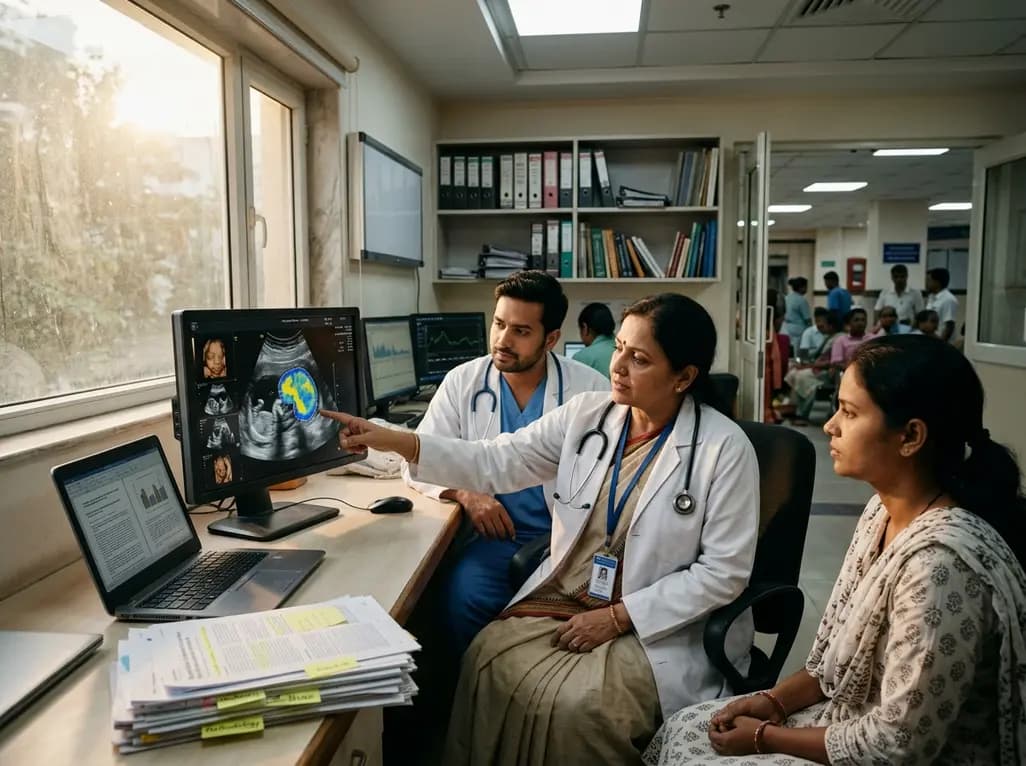
A scoping review evaluates 116 studies on AI in women's reproductive health, finding that 83.6% carry high risk of bias. While ensemble models show promise, disparities and lack of validation hinder LMIC deployment.
Today
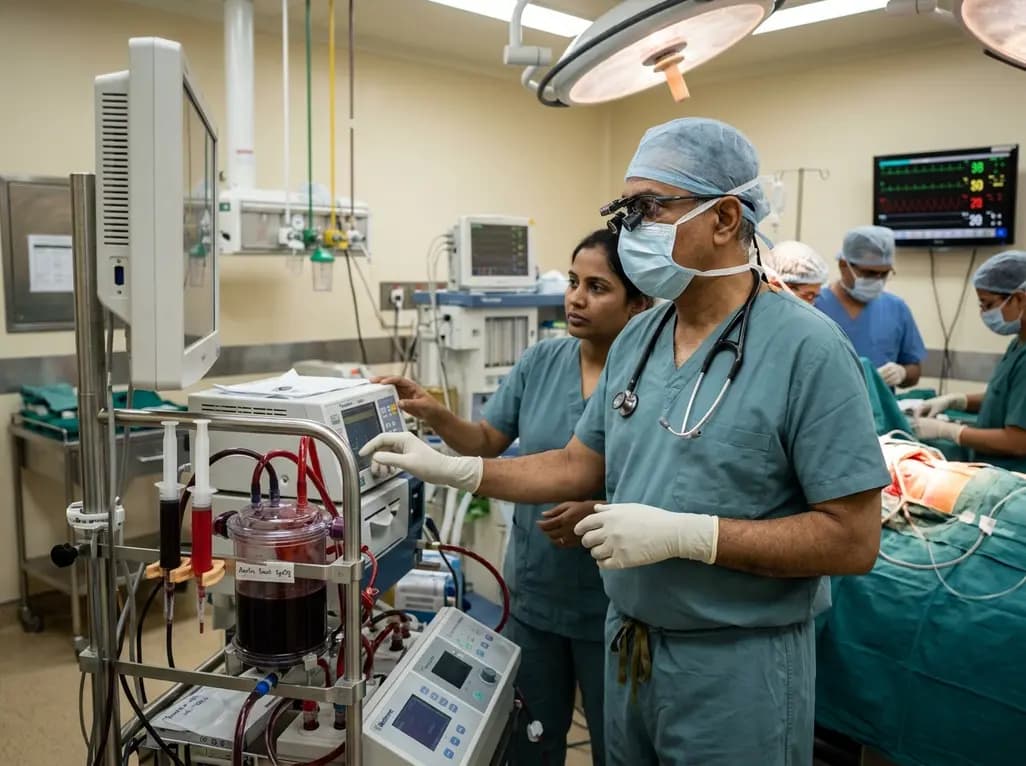
Differential oxygenation during peripheral TA-NRP can cause undetected coronary hypoxemia due to arch vessel clamping. A novel circuit with continuous aortic root monitoring detects desaturation early, facilitating left ventricular unloading and preventing allograft dysfunction and unnecessary heart discard.
Today
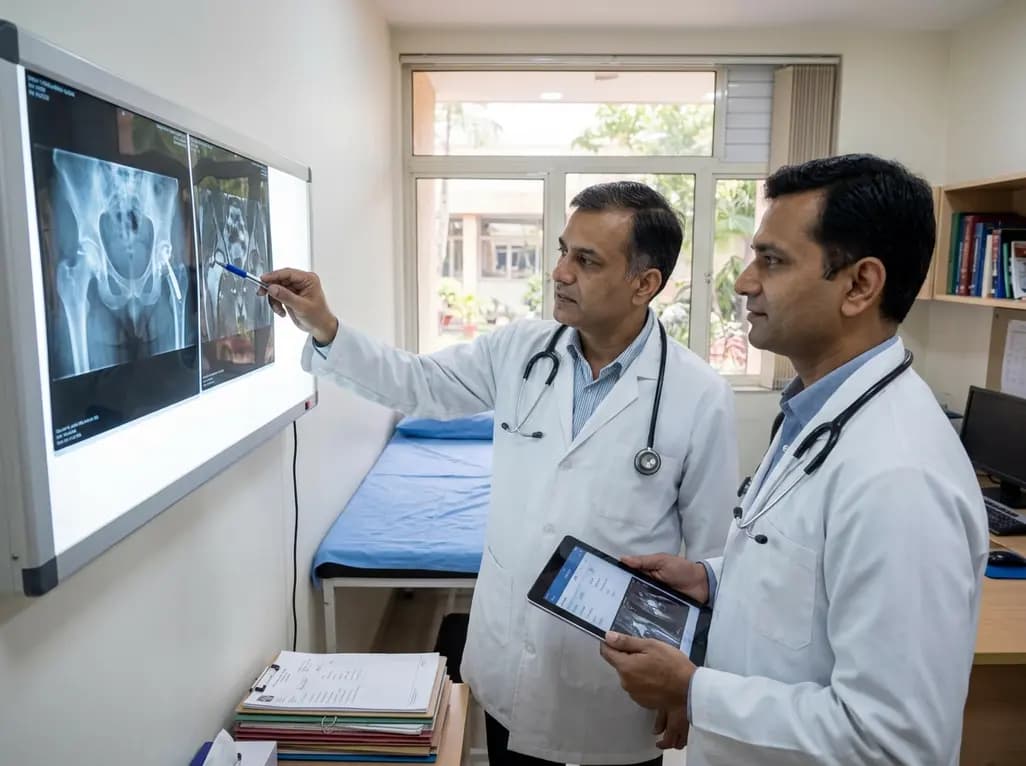
A longitudinal study reveals that patients undergoing staged bilateral hip arthroscopy experience progressive contralateral labral deterioration during surgical intervals. However, structural degradation does not compromise 2-year postoperative clinical outcomes or patient-reported satisfaction scores.
Today
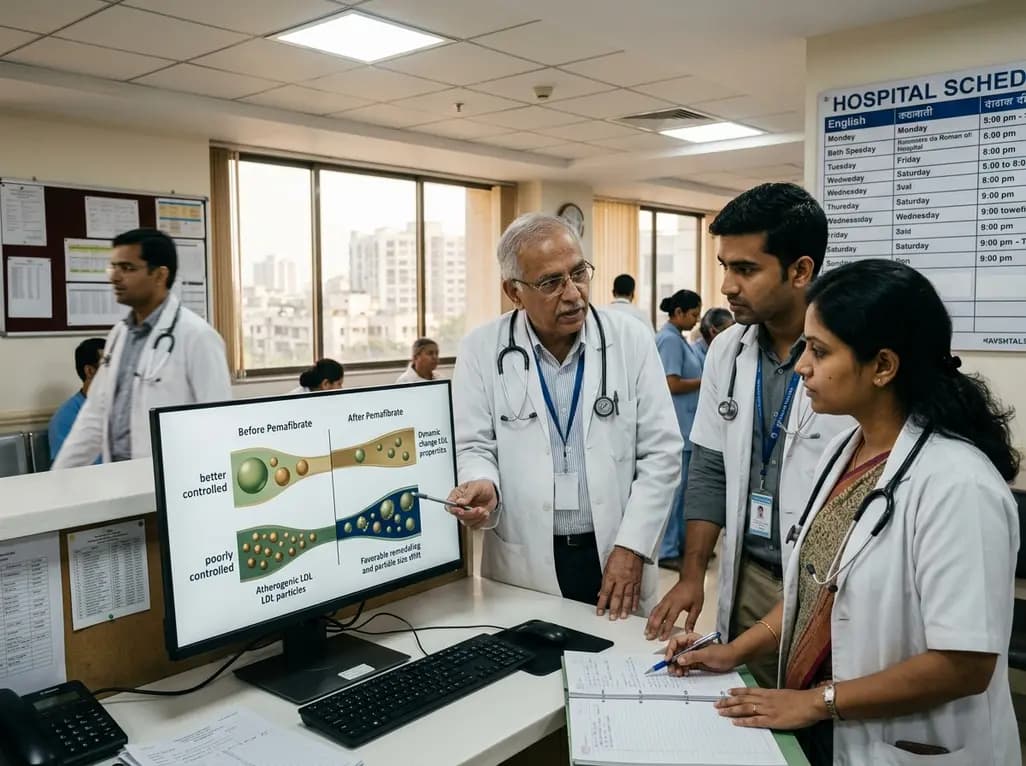
A post hoc analysis of the PARM-T2D study shows pemafibrate exerts baseline-dependent effects on LDL-C and particle size in type 2 diabetes and hypertriglyceridemia. It lowers triglycerides and remnants while favorably remodeling atherogenic LDL particles based on initial lipid control status.
Today
