.webp&w=384&q=75)

Loading, please wait...
Loading, please wait...
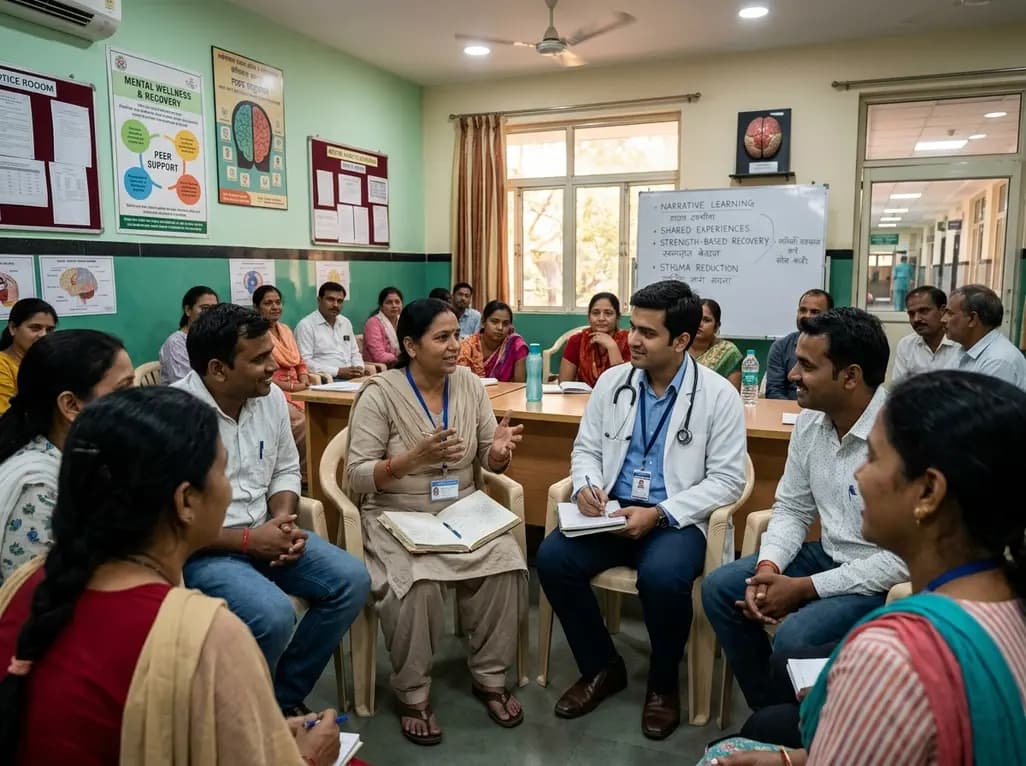
Modern psychiatric rehabilitation increasingly emphasizes holistic, person-centered approaches that extend beyond mere symptom reduction. In this evolving landscape, recovery colleges have emerged as transformative learning communities that empower individuals facing mental health challenges. Rather than functioning as traditional clinical treatment centers, these institutions operate on an adult-education model. Individuals enroll as students rather than patients, engaging in co-created curricula alongside peers and mental healthcare clinicians. Consequently, this collaborative framework validates lived experience, fosters social inclusion, and promotes enduring personal growth. Recent qualitative narrative research provides valuable insights into how these supportive educational environments facilitate meaningful, sustained recovery journeys.
Educational models in mental health rely heavily on interactive processes that build self-efficacy and mutual understanding. In recovery settings, two primary learning dynamics drive personal transformation: learning by exchanging and learning by doing. Through structured dialogue and informal interactions, participants exchange authentic narratives regarding their psychological distress and coping strategies. As a result, this candid exchange normalizes vulnerable experiences and significantly reduces self-stigma.
Simultaneously, learning by doing encourages students to experiment actively with novel behavioral patterns within a psychologically safe space. Participants practice interpersonal communication, emotional regulation, and self-advocacy without fearing judgment or clinical reprimand. Furthermore, this dynamic interplay between sharing personal insights and testing practical behaviors creates a continuous feedback loop. Therefore, individuals gradually internalize positive behavioral changes, reinforcing their ability to navigate complex social and occupational situations in everyday life.
Qualitative research utilizing diary-interview methods demonstrates that recovery colleges fundamentally alter how individuals perceive their personal trajectories and self-worth. When individuals experience profound mental disruption, they frequently adopt demoralizing self-narratives defined entirely by illness, chronic functional limitation, or perceived personal failure. However, engaging in an educational community actively dismantles these destructive beliefs.
For instance, structured peer interactions encourage partakers to confront debilitating anxiety and gradually rebuild disrupted social networks. Moreover, exposure to diverse recovery pathways inspires students to trust their own clinical judgment and life decisions. Over time, participants often transition from identifying as passive recipients of psychiatric care to recognizing themselves as capable contributors with valuable expertise. In addition, this profound identity shift rekindles genuine hope and self-confidence, motivating individuals to pursue meaningful milestones such as vocational training, volunteerism, or formal employment.
A defining hallmark of the recovery college model is the deliberate co-creation of all educational offerings. Academic professionals, psychiatrists, and individuals with direct lived experience collaborate equally across all stages of course design, teaching, and program governance. Thus, this egalitarian structure dismantles traditional clinical hierarchies that often alienate service users.
Experiential knowledge holds equal footing alongside formal clinical evidence within this framework. When clinicians and peer tutors co-facilitate courses, students witness an authentic partnership that models mutual respect and shared decision-making. In addition, this balanced dynamic helps healthcare providers develop deeper empathy and a more nuanced understanding of patient struggles. Consequently, integrating experiential expertise enriches the therapeutic alliance, broadens psychosocial support networks, and creates sustainable community-based mental health ecosystems.
Clinical literature consistently demonstrates that psychiatric recovery is rarely a straightforward, linear progression. Instead, individuals regularly encounter intermittent setbacks, unexpected stressors, and fluctuating symptom severity. Therefore, recovery initiatives must accommodate these natural fluctuations without framing them as treatment failures.
Within an educational framework, partakers encounter supportive structures that cushion emotional distress while encouraging healthy risk-taking. Students discover that experiencing apprehension or self-doubt does not negate previous milestones. Instead, these moments represent natural opportunities for deeper reflection and refined coping mechanisms. Because peer educators openly share their own historical setbacks, students learn to view difficulties with patience and self-compassion. Ultimately, this constructive framing fosters psychological resilience, equipping individuals to manage real-world obstacles with sustained confidence.
Mainstream mental healthcare practitioners can integrate several foundational lessons from educational recovery initiatives into daily clinical practice. First, clinicians should actively validate the experiential expertise of their patients during routine consultations. Acknowledging a patient's personal insights regarding their illness builds mutual trust and substantially improves treatment adherence.
Second, multidisciplinary teams should actively champion peer support programs within hospitals, outpatient centers, and community clinics. Facilitating dedicated spaces for shared peer learning significantly reduces isolation among individuals with severe psychiatric conditions. Finally, psychiatrists and primary care physicians should encourage goal setting focused on personal values, educational aspirations, and vocational interests rather than purely focusing on pharmacological symptom control. By adopting these collaborative practices, healthcare providers can cultivate an environment that nurtures holistic long-term well-being.
Conventional day centers typically prioritize clinical monitoring, occupational maintenance, and symptom stabilization in a medicalized setting. In contrast, recovery colleges adopt an adult-education model where individuals enroll as students. Courses are co-designed and co-delivered by clinicians and peer specialists, focusing on self-management, strengths, and personal empowerment rather than passive treatment.
Peer educators utilize their direct lived experience of mental distress to provide authentic inspiration, hope, and practical coping strategies. By demonstrating tangible pathways to meaningful recovery, they reduce self-stigma, dismantle clinical power imbalances, and create an inclusive atmosphere where students feel understood, safe, and motivated to pursue personal life goals.
Yes, primary care physicians can actively encourage patients to enroll in recovery colleges as an adjunct to standard pharmacological or psychological treatments. Most recovery colleges accept self-referrals or professional recommendations, making them highly accessible community resources for patients seeking to enhance their self-management skills, self-confidence, and social connections.
Disclaimer: This content is for informational and educational purposes only, and does not substitute professional medical advice, diagnosis, or treatment. Refer to the latest local and national guidelines for clinical practice.
References

Read summarized clinical updates, watch expert medical content, and earn CME certifications right from your smartphone.
Open your smartphone camera to scan and install.





Explore how recovery colleges empower individuals managing mental disruption. This article reviews qualitative narrative evidence on experiential learning, peer support, and practical psychiatric rehabilitation strategies.
last month
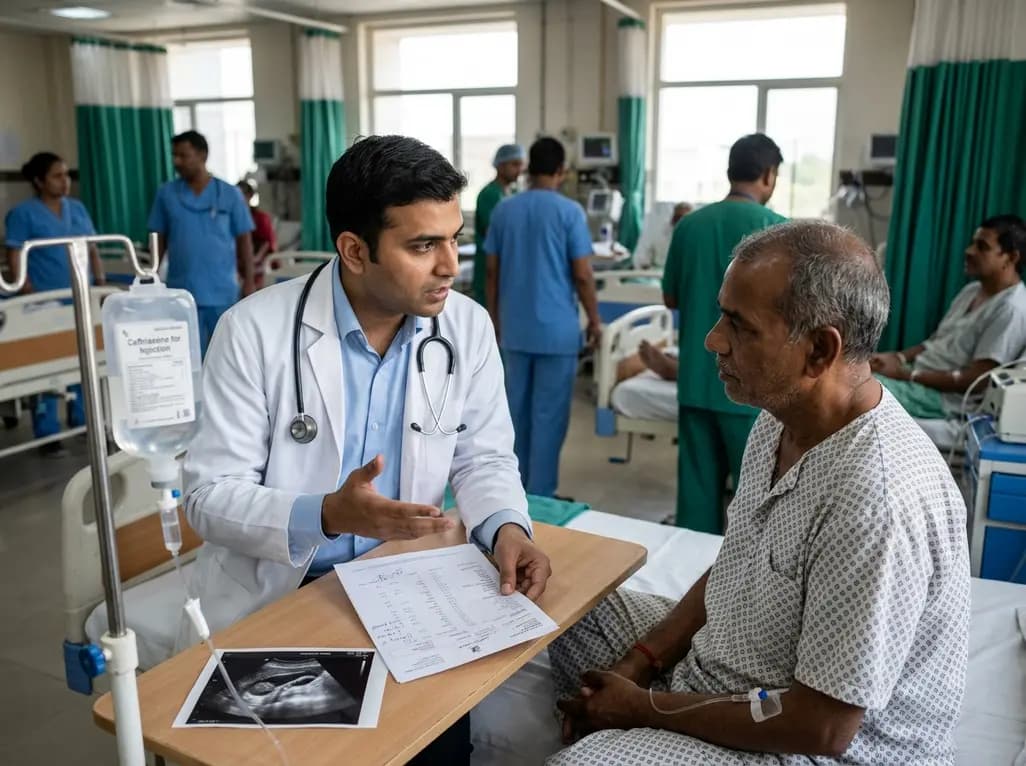
Ceftriaxone therapy can lead to biliary sludge and gallstone formation due to calcium-ceftriaxone precipitation. A recent cohort study shows that the noninvasive Fibrosis-4 (FIB-4) index, alongside treatment duration, independently predicts lithogenesis, enabling proactive risk stratification.
Today
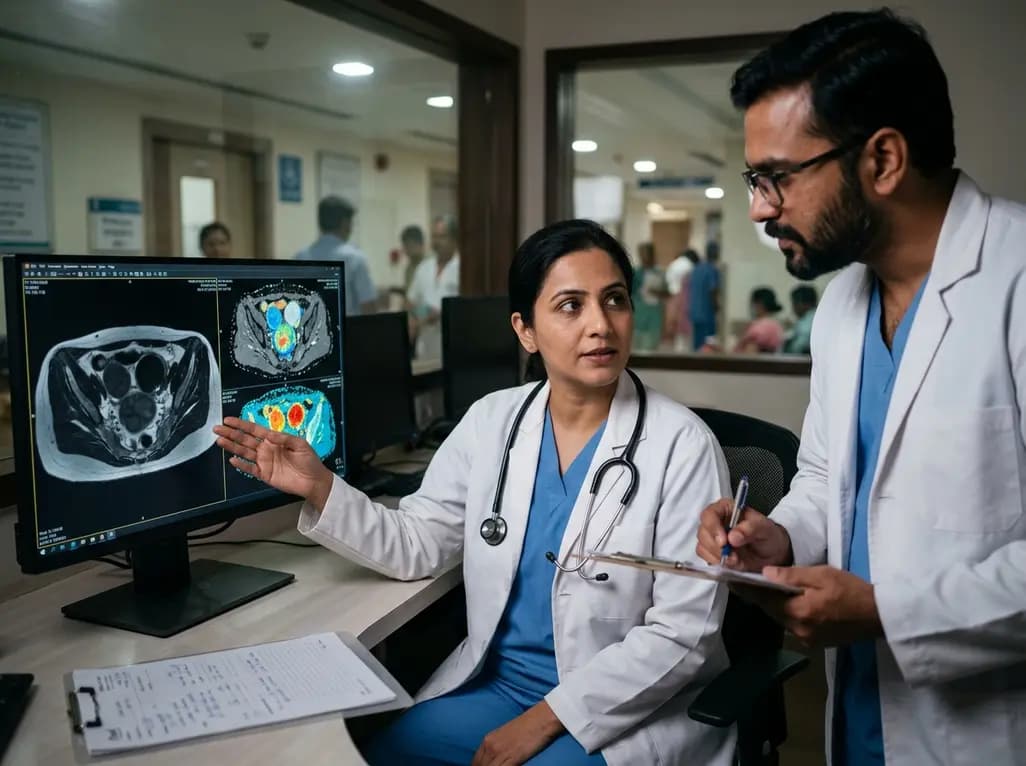
A multiparametric MRI approach combining quantitative T2 shading, apparent diffusion coefficient (ADC) measurements, and morphological signs provides superior diagnostic accuracy over subjective evaluation to differentiate ovarian endometriomas from benign hemorrhagic cysts.
Today
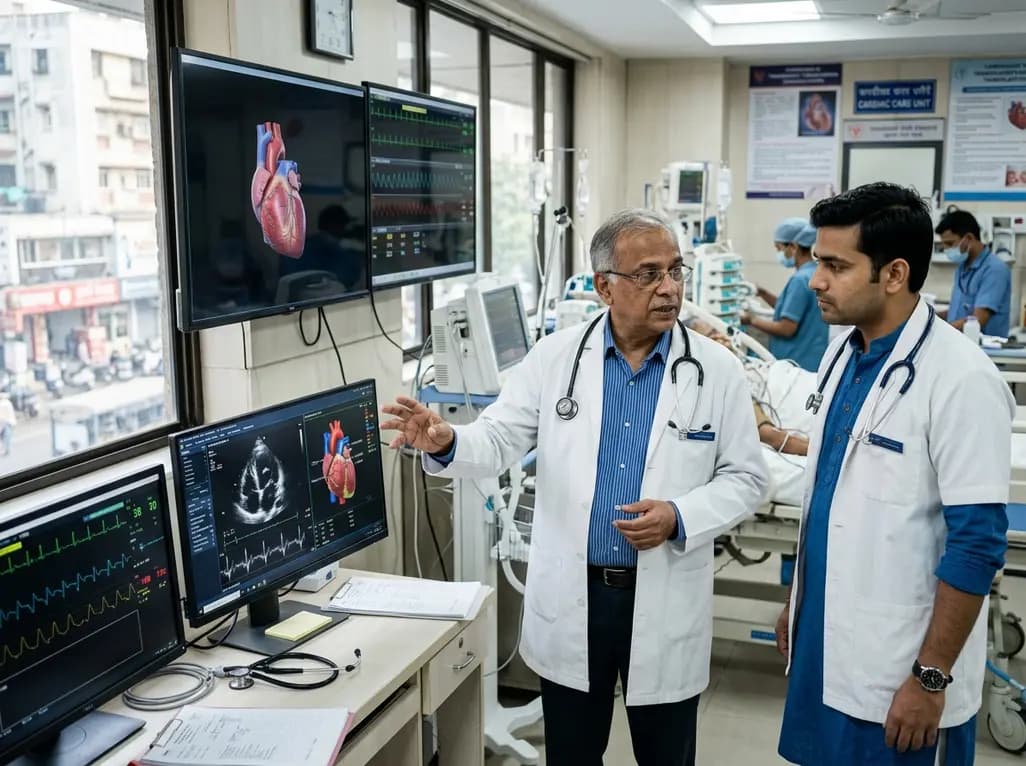
A landmark case report reveals a donor heart beating for a century in a 63-year-old recipient, challenging conventional age limits in cardiac transplantation and offering critical lessons on organ longevity, donor selection, and long-term graft survival.
Today
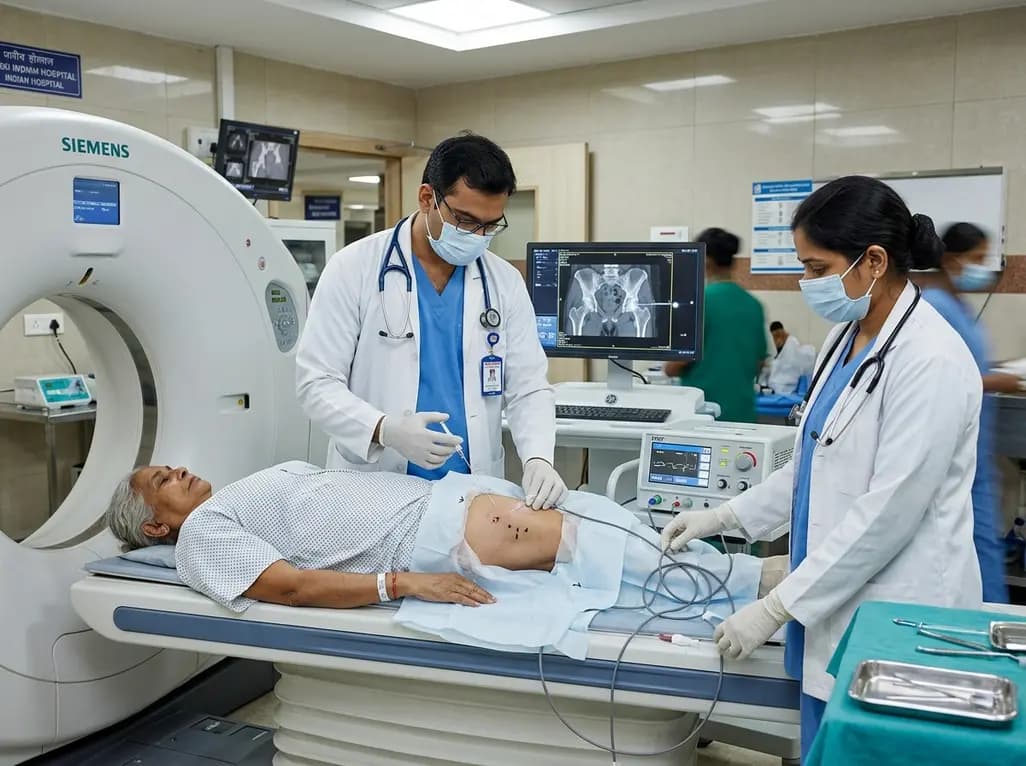
CT-guided pulsed radiofrequency ablation of the obturator nerve delivers durable pain relief up to 12 months in mild-to-moderate hip osteoarthritis, while offering a safe short-term palliative bridge for severe grade 4 disease without procedural complications.
Today
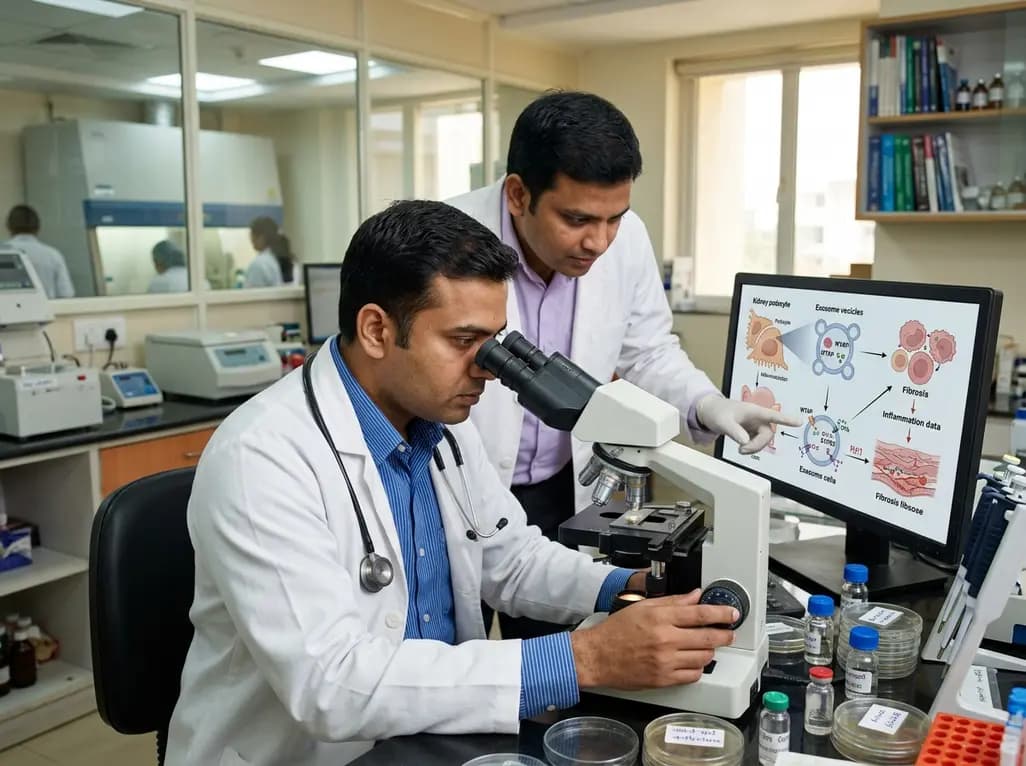
New research reveals that M1 macrophage-derived exosomes aggravate diabetic nephropathy by transferring WTAP to stabilize S1PR2 mRNA. Silencing WTAP in these vesicles attenuates endothelial injury and renal fibrosis, pointing toward innovative nanomedicine therapies.
Yesterday
