.webp&w=384&q=75)

Loading, please wait...
Loading, please wait...

Addressing undernutrition and TB risk remains a critical priority for clinicians worldwide. A recent modelling study in The Lancet Global Health indicates that eliminating undernutrition could prevent 2.3 million tuberculosis cases annually. This figure represents approximately 23.7% of all adult infections recorded in 2023. Consequently, researchers advocate for broad nutritional interventions to complement existing biomedical treatments.
Undernutrition acts as a fundamental driver of the global tuberculosis epidemic. Experts define this condition as a body mass index (BMI) under 18.5 in adults. However, current World Health Organization estimates often underestimate the impact of nutritional status on disease transmission. Therefore, integrating bio-social strategies into national health programs is essential for achieving eradication targets.
The study suggests that India could achieve the highest reduction in TB cases by addressing nutritional gaps. Other countries like Indonesia, the Philippines, and Pakistan would also see significant benefits. Furthermore, researchers found that eliminating even moderate-to-severe undernutrition could avert 1.4 million episodes. These findings highlight that nutrition-focused policies offer a potent tool for reducing incidence.
The RATIONS trial in India recently provided concrete evidence for these projections. This study showed that providing monthly food baskets to households reduces TB incidence by about 40%. Specifically, participants received protein-rich foods and multi-vitamins. Such interventions not only prevent infection but also improve treatment success rates among active patients. Thus, nutritional support functions as a cost-effective preventive measure.
Achieving global tuberculosis targets requires an integration of bio-social interventions for modifiable risk factors. The World Health Assembly adopted the End-TB Strategy to reduce new cases by 90% by 2035. Additionally, health systems must prioritize the equitable expansion of diagnosis and treatment. Population-level nutritional interventions could accelerate progress toward these goals while yielding wider social benefits.
Q1: How does undernutrition specifically increase tuberculosis risk?
Undernutrition weakens the immune system, which makes it harder for the body to fight off the bacteria that cause tuberculosis. This vulnerability leads to higher infection rates and worse clinical outcomes.
Q2: What impact did nutritional support have in the RATIONS trial?
In the RATIONS trial, providing food baskets containing proteins and vitamins to households reduced tuberculosis incidence by approximately 40%. The intervention also helped reduce mortality among active patients.
Disclaimer: This content is for informational and educational purposes only. It does not constitute medical advice or replace professional judgment. Refer to the latest local and national guidelines for clinical practice.
References

Read summarized clinical updates, watch expert medical content, and earn CME certifications right from your smartphone.
Open your smartphone camera to scan and install.





A Lancet Global Health study reveals that eliminating undernutrition could avert 2.3 million TB cases globally, with India seeing the highest reduction pote...
5 months ago
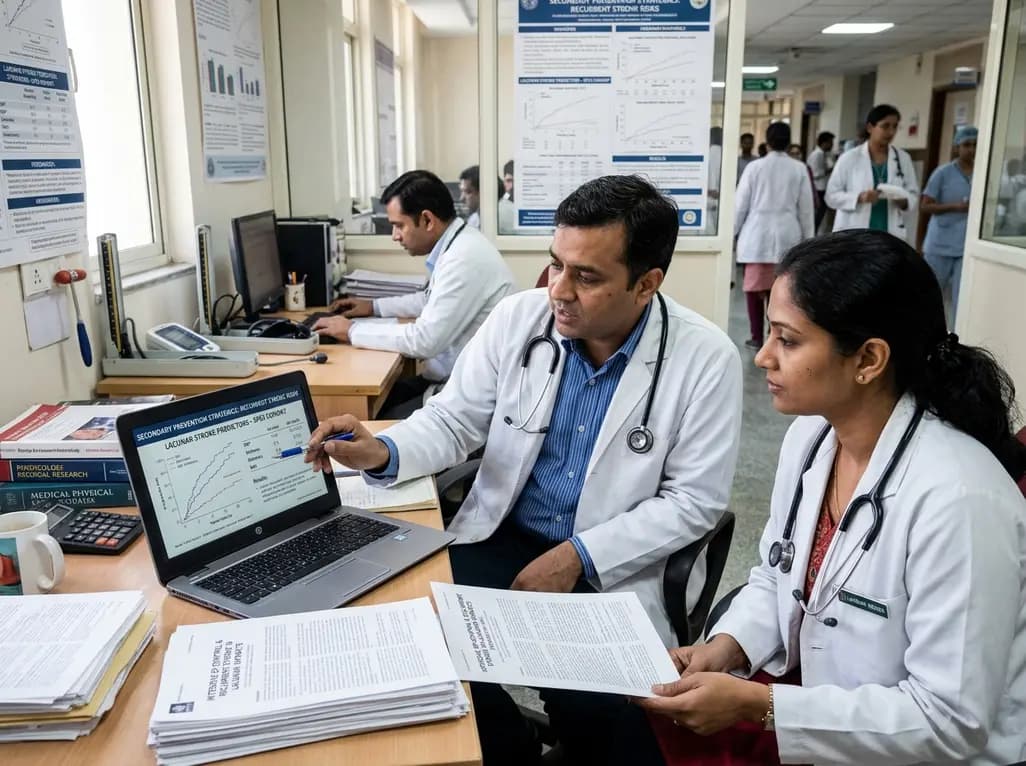
Explore vital recurrent stroke predictors in lacunar stroke patients managed with intensive blood pressure lowering. This analysis examines trial findings from SPS3 to uncover residual vascular risks, metabolic factors, and targeted secondary prevention strategies for high-risk neurological patients.
Today
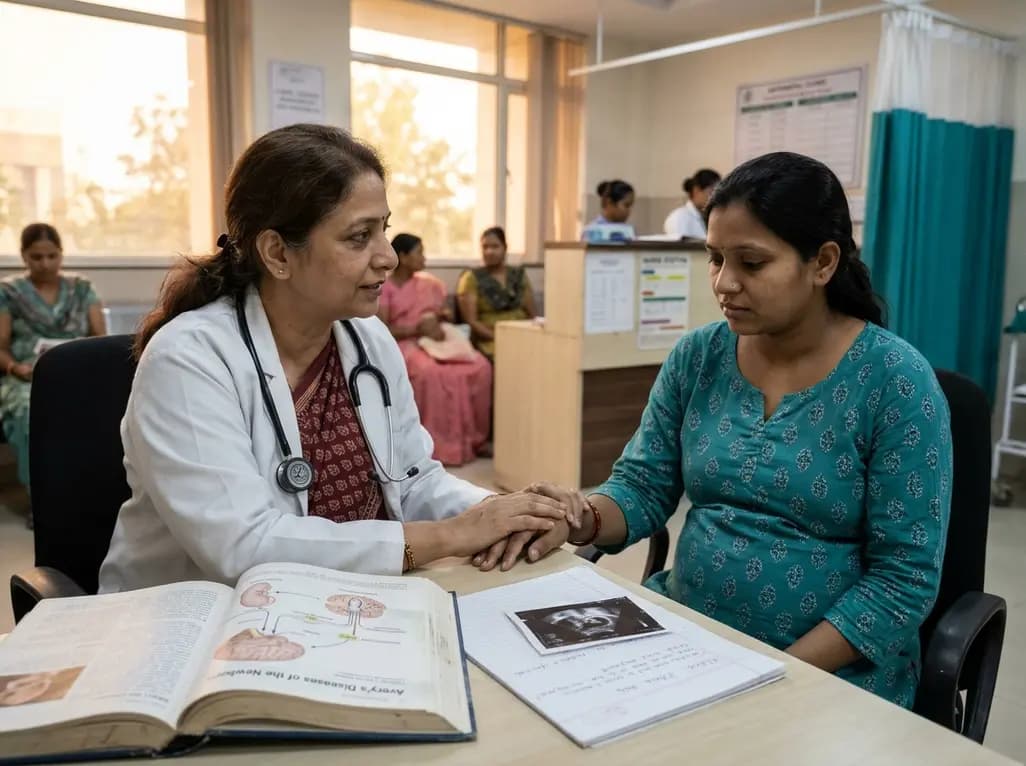
A comprehensive scoping review synthesises evidence linking prenatal maternal mental health to long-term offspring neurodevelopment, evaluating neuroendocrine, inflammatory, and epigenetic pathways while highlighting clinical screening and future research priorities.
Today

The Directorate General of Health Services directs Indian states to halt the hazardous reuse and reprocessing of single-use medical devices. Discover regulatory implications under the Drugs and Cosmetics Act, critical infection risks, legal liabilities, and operational changes required across clinical specialties.
Today
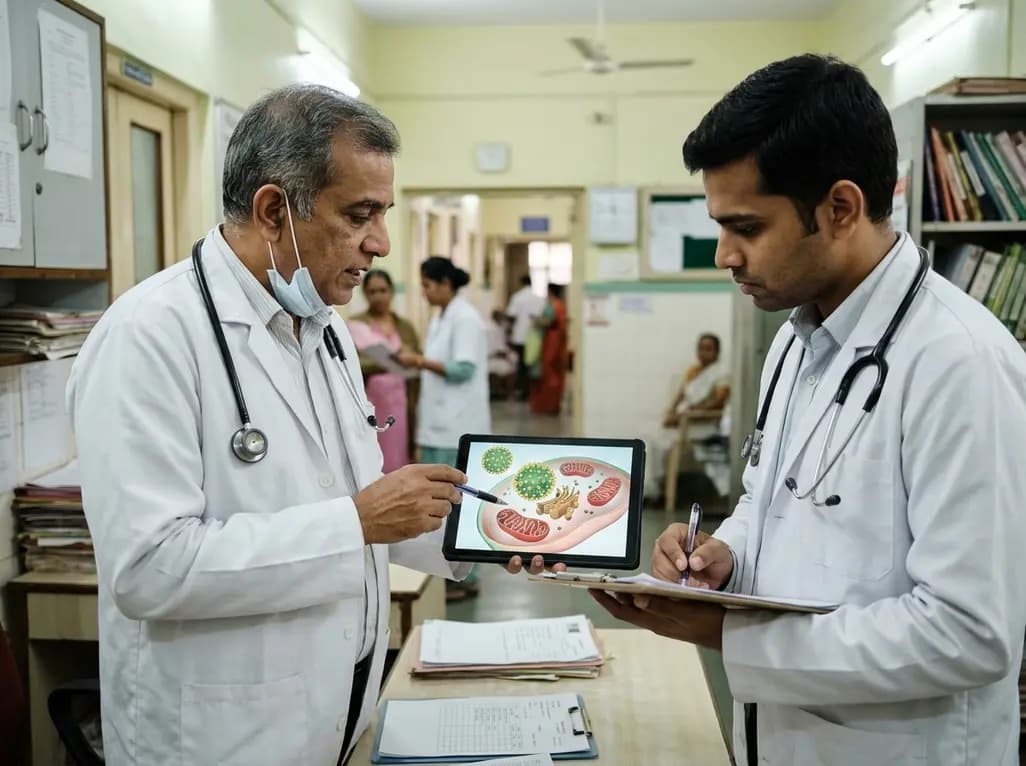
Mitochondria-targeted nanoparticles self-assembled from EGCG and L-glutamic acid effectively restore mitochondrial homeostasis, suppress synovial inflammation, and attenuate chondrocyte senescence in osteoarthritis, offering a promising disease-modifying nanotherapy.
Today

India is advancing preventive healthcare by integrating genomics, artificial intelligence, and quantum technologies. With the SANGAM programme sequencing one million Indian genomes, clinicians can unlock personalized therapies, detect cardiometabolic risks early, and curb the burden of diabetes and heart disease.
Today
