.webp&w=384&q=75)

Loading, please wait...
Loading, please wait...
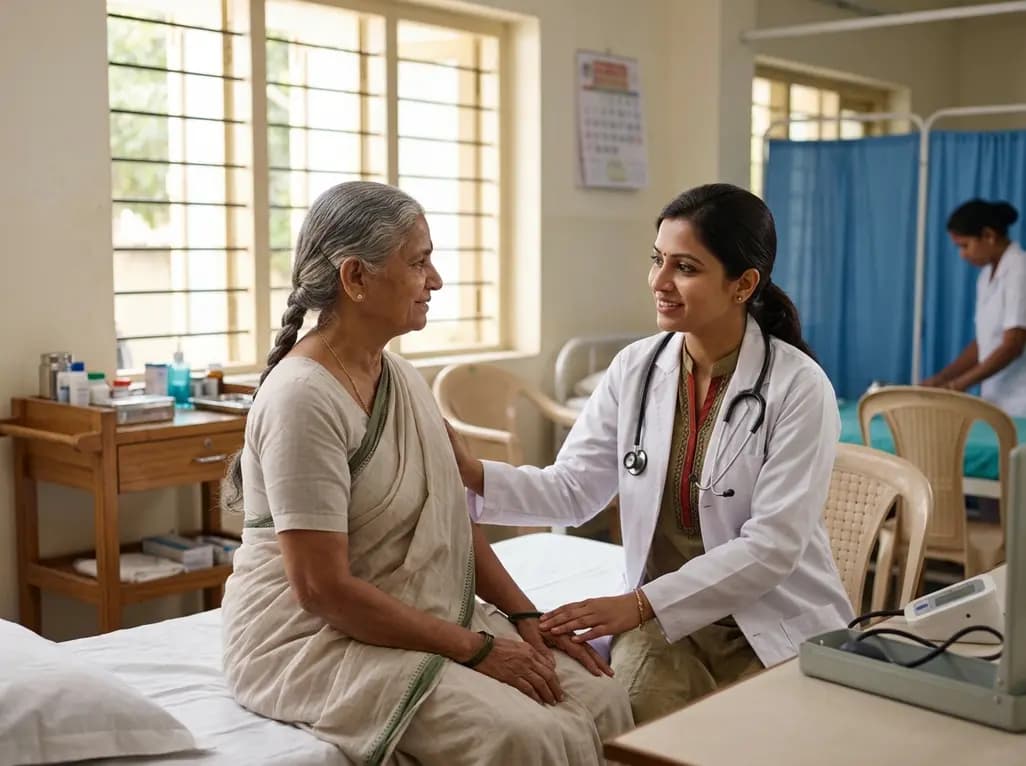
The global demographic landscape is changing rapidly. Life expectancy continues to rise steadily worldwide. United Nations projections show that the population over sixty-five will double in fifty years. Consequently, this group will comprise nearly one-fifth of humanity. In response, a historic United Nations meeting commenced in Geneva. Negotiators began drafting a legally binding treaty. This convention aims to protect the fundamental rights of older persons. For decades, advocates argued that existing human rights frameworks ignored age discrimination. Therefore, this new intergovernmental working group represents a major advancement. Argentina initiated and chaired the recent week-long talks in Geneva. Additionally, countries like Brazil, Slovenia, and the Philippines provided strong support. These negotiations seek to build a system for present and future needs. The ultimate goal is to strengthen elder dignity and global protection. As nations adapt, the medical community must prepare for rights-based healthcare. Governments must collaborate to ensure the successful implementation of these measures. Historically, international law overlooked specific age-related vulnerabilities. However, this treaty will establish clear and enforceable standards globally. It will empower older citizens to live autonomously. Finally, clinical practices will align with these new ethical duties.
Ageism remains a pervasive problem within global healthcare systems. Deeply embedded stereotypes about age frequently influence medical policies. Consequently, older patients often encounter systemic bias in clinical settings. Rights groups highlight several concerning examples of age-based restrictions. For instance, arbitrary age limits restrict access to routine cancer screenings. Similarly, many healthcare programs exclude seniors from critical clinical trials. This exclusion limits the safety data available for geriatric prescriptions. Furthermore, ageist attitudes can lead to under-treating serious medical conditions. Clinicians sometimes dismiss treatable symptoms as normal parts of ageing. This practice compromises patient outcomes and diminishes quality of life. Therefore, we must reform clinical guidelines to eliminate age discrimination. The proposed United Nations treaty seeks to address these specific gaps. It establishes that medical care should depend on individual health, not arbitrary birthdays. Moreover, healthcare providers must receive training in geriatric ethics. This education will help eradicate implicit bias in treatment decisions. Ultimately, every patient deserves equitable access to life-saving therapies. By tackling ageism, we can build a more compassionate healthcare system. Indeed, equal treatment is a fundamental human right. Thus, medical institutions must lead the charge in advocating for elder rights.
Many abuses against older patients remain entirely hidden from public view. Healthcare advocates report frequent violations within long-term care facilities. For example, some carers utilize chemical restraints to manage patient behavior. This practice involves using sedatives to control patients with dementia. Such intervention often occurs without proper medical justification or consent. Consequently, it represents a severe violation of bodily autonomy and dignity. In extreme cases, severe neglect has even resulted in patient homicides. Despite these tragedies, current international laws fail to protect vulnerable residents. Existing treaties lack specific provisions targeting elder abuse in care settings. Therefore, a legally binding global instrument is urgently needed. This treaty would mandate strict oversight of nursing homes and clinics. Furthermore, it would establish clear protocols for reporting elder abuse. Medical professionals must actively monitor facilities for signs of neglect. We must ensure that carers receive adequate support and training. Additionally, regulatory bodies must penalize institutions that violate safety standards. Patient safety must always remain our primary clinical and ethical priority. Thus, protecting vulnerable seniors requires both legal and clinical intervention. By enforcing accountability, we can eliminate these hidden healthcare crises.
Currently, international human rights law contains a glaring structural gap. Existing global treaties explicitly ban discrimination based on race and gender. However, no specific international instrument addresses discrimination based on age. This legal omission leaves older adults highly vulnerable to systemic neglect. For instance, arbitrary mandatory retirement ages force productive citizens out of work. In addition, governments often exclude seniors from critical societal roles like jury duty. These discriminatory practices go largely unchallenged in many countries. Therefore, the proposed United Nations treaty represents a crucial step forward. By transitioning from soft guidelines to hard law, we enforce accountability. A binding convention obligates states to implement concrete protective measures. Consequently, governments must align their national laws with international standards. This legal framework will empower older individuals to claim their rights. Moreover, it will provide civil society with tools to demand justice. Some autocratic states may attempt to dilute the treaty language. Additionally, other nations might resist due to concerns over healthcare costs. Nevertheless, campaigners remain determined to fight for a comprehensive agreement. This treaty is essential for establishing global intergenerational justice and equality.
The emerging United Nations treaty holds profound implications for India. Currently, India faces a rapidly growing elderly population due to rising life expectancy. Consequently, the demand for specialized geriatric services is increasing exponentially. Medical institutions must adapt to meet these evolving demographic challenges. First, we need to expand geriatric training across all medical colleges. Currently, very few Indian hospitals possess dedicated geriatric departments. Therefore, incorporating elder care into undergraduate medical curricula is vital. Second, clinicians must adopt a rights-based approach to patient care. This approach prioritizes patient autonomy and dignity in all medical decisions. Furthermore, we must establish strict guidelines to prevent elder abuse in domestic settings. This protection is especially crucial in rural communities where resources are limited. Additionally, the government must invest in affordable long-term care infrastructure. Palliative care and rehabilitation services require urgent expansion and funding. Medical professionals should collaborate with policymakers to draft supportive legislation. By doing so, India can become a leader in elder healthcare rights. Ultimately, clinical excellence must go hand in hand with robust legal protections. Preparing today will ensure a dignified and healthy future for our seniors.
Q1: Why is a dedicated international treaty necessary for older persons when general human rights treaties exist?
Although existing human rights conventions prohibit discrimination based on gender and race, none specifically focus on age. Consequently, older adults face unique systemic vulnerabilities. These include mandatory retirement and clinical exclusion, which remain unprotected by current laws. A dedicated, legally binding treaty will close these protection gaps. It will force member states to establish concrete national laws that explicitly safeguard elder dignity, autonomy, and security.
Q2: What specific medical and clinical challenges does the proposed treaty aim to address?
The treaty targets several hidden healthcare abuses, particularly within long-term care facilities. For example, campaigners report that carers frequently use chemical restraints to control patients with dementia. This unsafe practice occurs without patient consent or clinical justification. Additionally, the treaty aims to eliminate arbitrary age limits on vital medical procedures like cancer screenings. It will establish global standards to ensure ethical, dignified, and safe geriatric medical care.
Q3: How will this upcoming UN treaty impact geriatric clinical practice in India?
India must rapidly expand its geriatric healthcare infrastructure to align with this global treaty. Currently, the country faces a massive shortage of specialized geriatric departments and trained physicians. Consequently, medical colleges must integrate elder care into their primary curricula. Furthermore, clinical practices must adopt a strict rights-based framework. This change will prioritize patient autonomy. It will also help prevent domestic abuse and guarantee equitable treatment for all elderly patients.
Disclaimer: This content is for informational and educational purposes only. It does not constitute medical advice or replace professional judgment. Refer to the latest local and national guidelines for clinical practice.
References

Read summarized clinical updates, watch expert medical content, and earn CME certifications right from your smartphone.
Open your smartphone camera to scan and install.





As global life expectancy rises, the United Nations has commenced landmark negotiations in Geneva to establish a legally binding treaty to protect older persons. This historic initiative seeks to combat systemic ageism, end hidden abuse in healthcare facilities, and establish global standards for geriatric care.
3 months ago
Explore vital recurrent stroke predictors in lacunar stroke patients managed with intensive blood pressure lowering. This analysis examines trial findings from SPS3 to uncover residual vascular risks, metabolic factors, and targeted secondary prevention strategies for high-risk neurological patients.
Today

A comprehensive scoping review synthesises evidence linking prenatal maternal mental health to long-term offspring neurodevelopment, evaluating neuroendocrine, inflammatory, and epigenetic pathways while highlighting clinical screening and future research priorities.
Today

The Directorate General of Health Services directs Indian states to halt the hazardous reuse and reprocessing of single-use medical devices. Discover regulatory implications under the Drugs and Cosmetics Act, critical infection risks, legal liabilities, and operational changes required across clinical specialties.
Today
Mitochondria-targeted nanoparticles self-assembled from EGCG and L-glutamic acid effectively restore mitochondrial homeostasis, suppress synovial inflammation, and attenuate chondrocyte senescence in osteoarthritis, offering a promising disease-modifying nanotherapy.
Today

India is advancing preventive healthcare by integrating genomics, artificial intelligence, and quantum technologies. With the SANGAM programme sequencing one million Indian genomes, clinicians can unlock personalized therapies, detect cardiometabolic risks early, and curb the burden of diabetes and heart disease.
Today
