.webp&w=384&q=75)

Loading, please wait...
Loading, please wait...

The recent health data breach involving UK Biobank has sparked a major government investigation. Science Minister Ian Murray confirmed that data from 500,000 people appeared for sale on Alibaba. Consequently, the government is working with the vendor to address this security failure. This incident emphasizes the risks associated with global health research sharing.
UK Biobank provides anonymized data to accredited researchers worldwide. Recently, three different listings on Alibaba's e-commerce platform advertised this sensitive information. However, the charity stated that the data did not include names or contact details. Moreover, the government believes no one purchased the listings before their removal. This specific health data breach highlights the importance of vetting international research partners.
The charity has revoked access for three research institutions identified as the source. Additionally, they temporarily suspended all access to the research platform. New security measures will now limit file export sizes and monitor for suspicious activity. Therefore, the organization aims to prevent future unauthorized data distribution. Meanwhile, the Information Commissioner's Office is reviewing the incident for regulatory compliance.
Q1: Was any identifying information leaked in this breach?
No, UK Biobank confirmed the data did not contain names, addresses, or telephone numbers of the volunteers.
Q2: Who was responsible for the data listing on Alibaba?
Investigators identified three research institutions as the source of the breach and revoked their access immediately.
Q3: How is the government responding to the incident?
The UK government worked with Alibaba and the Chinese government to remove the listings while launching a comprehensive investigation.
Disclaimer: This content is for informational and educational purposes only. It does not constitute medical advice or replace professional judgment. Refer to the latest local and national guidelines for clinical practice.
References

Read summarized clinical updates, watch expert medical content, and earn CME certifications right from your smartphone.
Open your smartphone camera to scan and install.





The UK investigates a potential breach of UK Biobank health data after 500,000 records were listed for sale on Alibaba's e-commerce platforms....
5 months ago
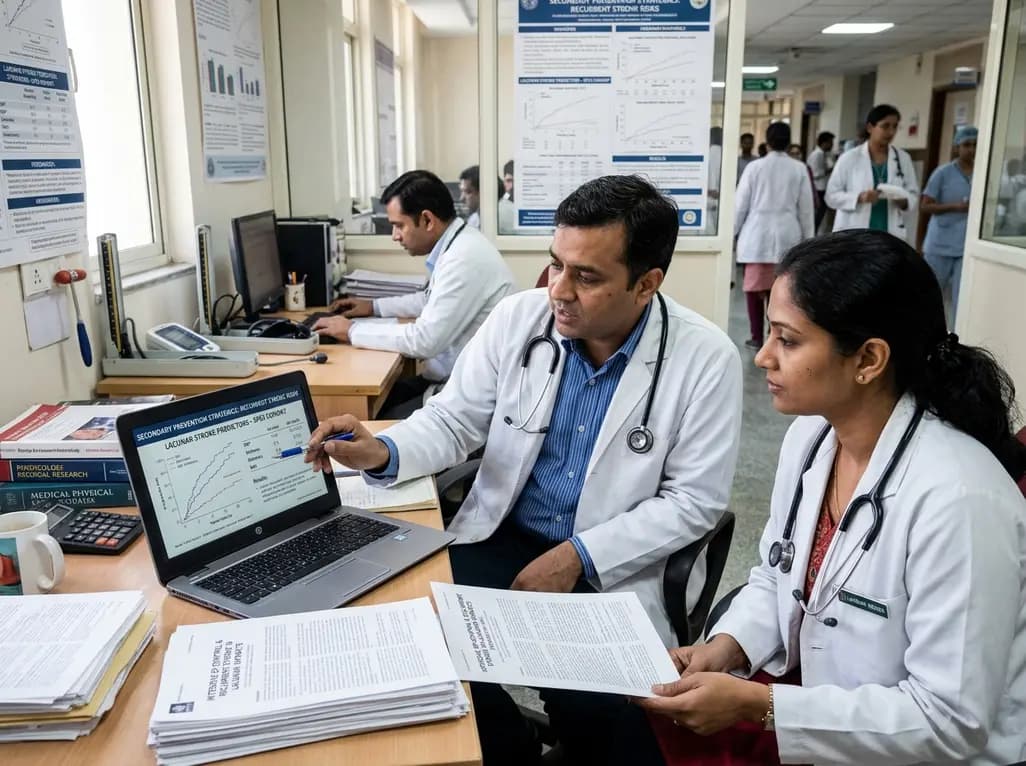
Explore vital recurrent stroke predictors in lacunar stroke patients managed with intensive blood pressure lowering. This analysis examines trial findings from SPS3 to uncover residual vascular risks, metabolic factors, and targeted secondary prevention strategies for high-risk neurological patients.
Today
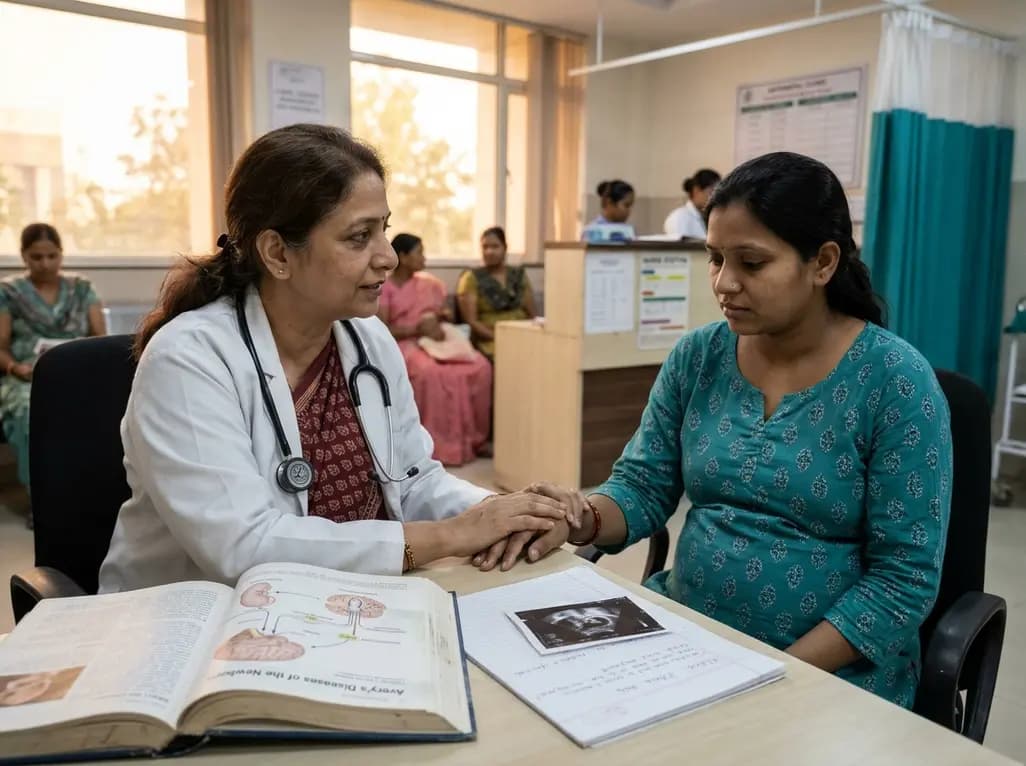
A comprehensive scoping review synthesises evidence linking prenatal maternal mental health to long-term offspring neurodevelopment, evaluating neuroendocrine, inflammatory, and epigenetic pathways while highlighting clinical screening and future research priorities.
Today

The Directorate General of Health Services directs Indian states to halt the hazardous reuse and reprocessing of single-use medical devices. Discover regulatory implications under the Drugs and Cosmetics Act, critical infection risks, legal liabilities, and operational changes required across clinical specialties.
Today
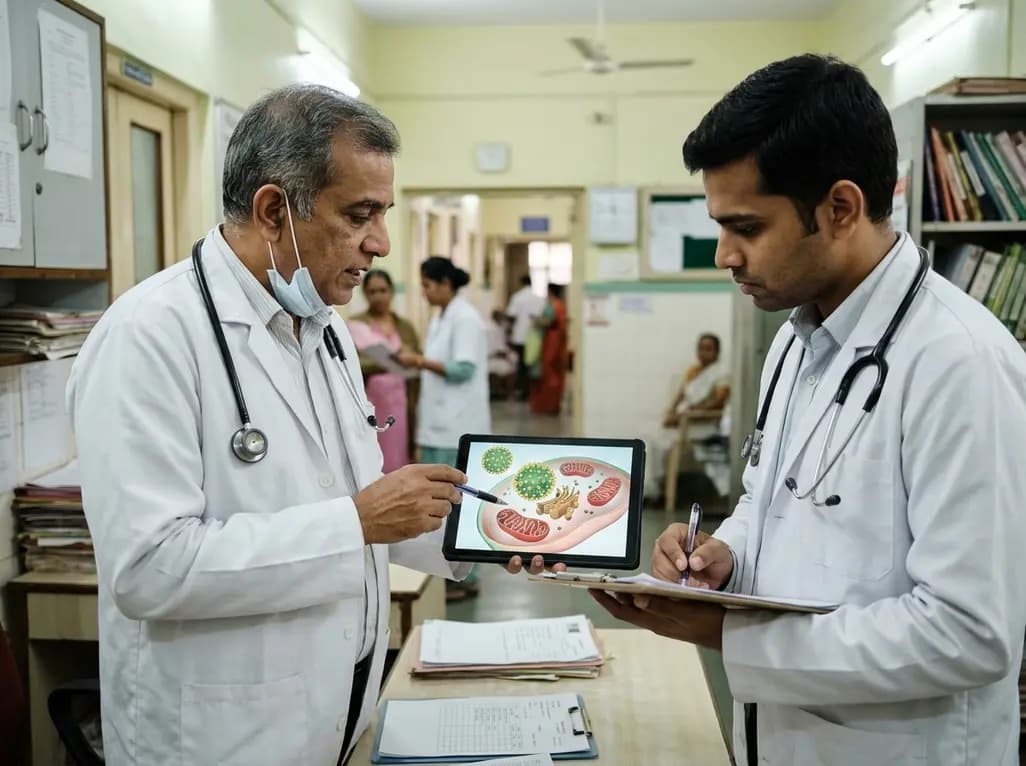
Mitochondria-targeted nanoparticles self-assembled from EGCG and L-glutamic acid effectively restore mitochondrial homeostasis, suppress synovial inflammation, and attenuate chondrocyte senescence in osteoarthritis, offering a promising disease-modifying nanotherapy.
Today

India is advancing preventive healthcare by integrating genomics, artificial intelligence, and quantum technologies. With the SANGAM programme sequencing one million Indian genomes, clinicians can unlock personalized therapies, detect cardiometabolic risks early, and curb the burden of diabetes and heart disease.
Today
