

Loading, please wait...
Loading, please wait...

Lumbar spinal stenosis remains a leading cause of persistent neurogenic claudication and radicular pain among aging adults. Over recent decades, surgical management has evolved steadily away from destructive open laminectomies toward muscle-preserving endoscopic techniques. Today, clinicians actively evaluate UBE-ULBD versus Endo-ULBD to achieve thorough neural decompression while minimizing structural morbidity. Both unilateral biportal endoscopic unilateral laminotomy for bilateral decompression and single-port full-endoscopic decompression represent contemporary standards. However, comparative prospective evidence evaluating their relative clinical efficacy, safety profiles, and radiologic outcomes has remained sparse until now.
Degenerative lumbar central canal stenosis frequently involves ligamentum flavum hypertrophy, facet arthropathy, and disc bulging. Consequently, adequate surgical resolution requires effective bilateral decompression through an ipsilateral approach. Unilateral biportal endoscopy utilizes two independent working portals. Specifically, one portal accommodates a high-definition continuous-irrigation endoscope, whereas the second portal hosts conventional spine instruments, including high-speed surgical drills. This dual-channel configuration provides independent freedom of movement, broad visual angles, and familiar ergonomics similar to traditional microscopic spine surgery.
Conversely, uniportal endoscopic decompression operates through a dedicated single channel containing coaxial optics and central instrument conduits. Therefore, the surgeon manipulates instruments through a fixed optical axis. This monolithic construct minimizes surgical incisions and limits extraneous fluid extravasation into paraspinal muscular planes. Nonetheless, working through a unified port constrains instrumental triangulation and requires specialized slimline tools, such as motorized trephines. Spine specialists must therefore weigh the ergonomic versatility of dual portals against the localized structural conservation of single-port endoscopy.
To establish definitive clarity, investigators conducted a prospective randomized controlled trial enrolling 110 patients with symptomatic single-level degenerative lumbar spinal stenosis. Notably, all enrolled individuals presented with advanced central stenosis classified as Schizas grade C or D. The investigators randomly allocated participants in a 1:1 ratio to undergo either biportal decompression or single-port full-endoscopic decompression. To prevent procedural bias, a single experienced senior spine surgeon performed all 110 surgical interventions.
Furthermore, researchers performed rigorous tracking under intention-to-treat and per-protocol frameworks over a structured 12-month postoperative surveillance period. Standard baseline metrics showed no significant disparities between the two study cohorts regarding age, sex distribution, body mass index, or target spinal levels. Primary outcome assessments tracked the visual analogue scale for back and leg pain, Oswestry Disability Index scores, and global satisfaction via modified Macnab criteria. Blinded radiologists systematically analyzed postoperative cross-sectional dural sac area expansion and facet joint preservation rates.
Intraoperative data revealed notable operational differences between the two modalities. Specifically, biportal endoscopic decompression achieved a significantly shorter overall operative time compared to the single-port intervention. This accelerated procedural efficiency stemmed primarily from the dual-portal setup. Independent fluid inflow and outflow channels maintained crystalline visual clarity, while high-speed burrs enabled rapid, precise osteotomies. Additionally, unrestricted instrument excursion permitted rapid bone resection across the contralateral sublaminar roof.
In contrast, the single-port cohort demonstrated a markedly shorter postoperative hospital stay. Patients undergoing uniportal surgery mobilized earlier and met strict discharge criteria faster. Because uniportal systems utilize smaller single-stab incisions and lower sustained hydrostatic pressures, patients experienced minimal early muscular soreness. Moreover, reduced postoperative drainage requirements facilitated rapid discharge protocols. Thus, biportal procedures optimize surgical duration, whereas uniportal decompression facilitates accelerated post-intervention recovery.
From a functional standpoint, both endoscopic cohorts achieved marked clinical improvements across all measured intervals. Back pain and leg pain scores declined sharply within the first postoperative month and remained sustainably low at the 12-month milestone. Similarly, Oswestry Disability Index scores demonstrated parallel, dramatic drops from severe preoperative baseline values. Importantly, statistical analyses confirmed no significant difference in pain abatement or functional disability recovery between the two cohorts.
Furthermore, patient satisfaction ratings reinforced the therapeutic equivalence of both interventions. Evaluation via modified Macnab criteria revealed excellent-to-good satisfaction rates exceeding 90% across both study arms under intention-to-treat parameters. Per-protocol analysis similarly documented satisfaction rates above 94% without statistically meaningful divergence. Complication rates also remained extremely low in both groups. Notably, investigators reported only one minor incidental dural tear within the single-port group, managed uneventfully without neural sequelae.
Postoperative magnetic resonance imaging verified outstanding neural decompression for all randomized participants. Dural sac cross-sectional area expanded substantially from constricted preoperative baselines in both cohorts. Crucially, post-surgical imaging showed no statistically significant differences in luminal expansion between the two groups. Both surgical approaches successfully eradicated dorsal ligamentous encroachment and cleared the contralateral lateral recess, confirming equal canal-widening capacity.
Equally critical is the preservation of posterior stabilizing elements to prevent postoperative segmental instability. Both endoscopic approaches preserved more than 80% of the ipsilateral facet joint while leaving the contralateral facet completely undisturbed. Because the endoscope tilts beneath the spinous process base, contralateral undercutting preserves the native pars and zygapophyseal joints. Consequently, neither technique induced iatrogenic spondylolisthesis or late segmental hypermobility during follow-up.
Selecting between these two minimally invasive modalities ultimately hinges on surgeon training, available operating room instrumentation, and patient-specific structural anatomy. Biportal decompression offers shorter operative times and allows surgeons to utilize familiar open surgical instruments. Therefore, it provides an outstanding platform for severe stenosis requiring extensive bony remodeling or complex contralateral lateral recess decompression.
In contrast, single-port full endoscopy remains exceptionally attractive for ambulatory surgical centers and rapid-recovery pathways. The smaller wound footprint and reduced tissue trauma accelerate discharge times significantly. Ultimately, both techniques accomplish comprehensive bilateral decompression through a minimally disruptive ipsilateral portal. Surgeons should tailor their selection to institutional capabilities and individual anatomical considerations.
The biportal endoscopic approach demonstrates significantly shorter surgical times. Its independent working portal accommodates standard high-speed drills and larger rongeurs, allowing rapid bony resection and continuous laminar undercutting under wide visual fields. Conversely, single-port systems rely on specialized coaxial instruments, which can moderately lengthen tissue decompression time.
Both techniques preserve facet joints and spinal stability equally well. Both modalities utilize an ipsilateral laminotomy to undercut the contralateral laminar arch, preserving the contralateral facet entirely. Ipsilateral facet preservation rates exceed 80% in both cohorts, effectively preventing postoperative spinal instability and eliminating the immediate need for spinal fusion.
Single-port endoscopy minimizes soft tissue disruption by utilizing a solitary small working port and lower continuous irrigation volume. Consequently, patients experience less early myofascial edema, minimal localized pain, and reduced drain output. These favorable factors facilitate earlier ambulation, meeting standardized clinical criteria for hospital discharge more rapidly.
Disclaimer: This content is for informational and educational purposes only. It is not intended to be a substitute for professional medical advice, diagnosis, or treatment. Always seek the advice of your physician or other qualified health provider with any questions you may have regarding a medical condition or before undertaking any diet, supplement, fitness, or other health program. Refer to the latest local and national guidelines for clinical practice.
References

Read summarized clinical updates, watch expert medical content, and earn CME certifications right from your smartphone.
Open your smartphone camera to scan and install.





A prospective randomized controlled trial evaluates UBE-ULBD versus Endo-ULBD for single-level lumbar spinal stenosis, comparing clinical efficacy, operative duration, hospital stay, and facet preservation.
Today
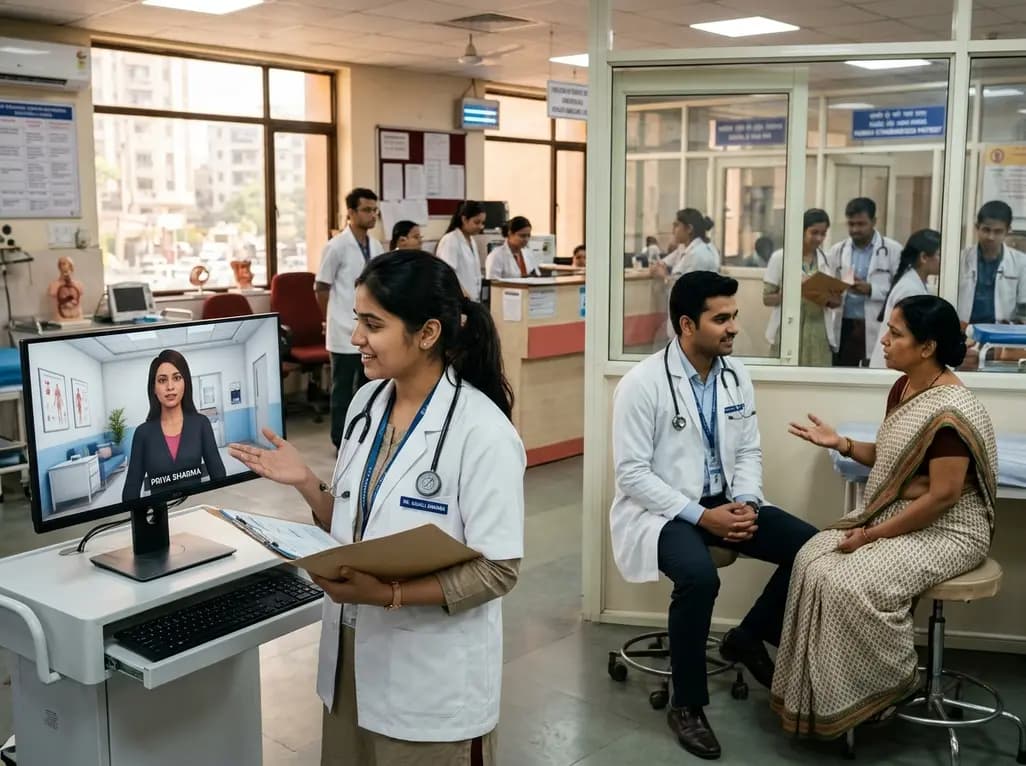
A randomized crossover trial evaluated fifth-year medical students interacting with an AI standardized patient versus a human standardized patient. The study revealed key differences in Mini-CEX scores, active engagement, and interview dynamics.
Today
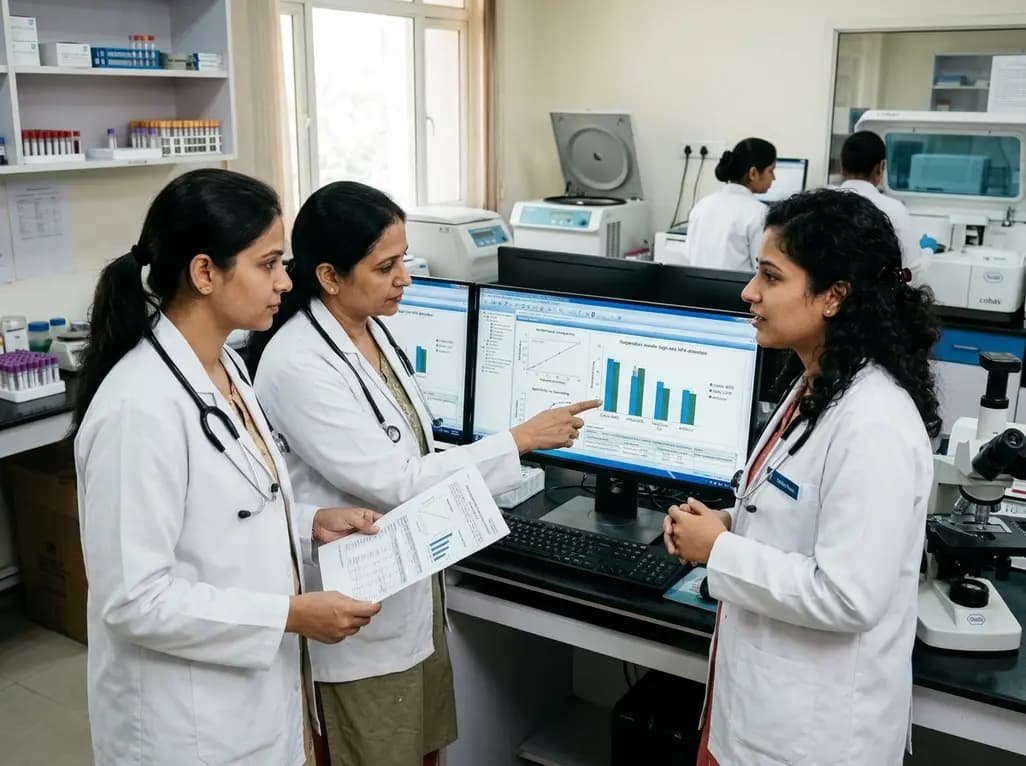
A comparative evaluation of INNO-LiPA, Cobas 4800, and Amplicor highlights significant assay-dependent variation in high-risk HPV detection, emphasizing the clinical distinction between analytical sensitivity and screening specificity.
Today
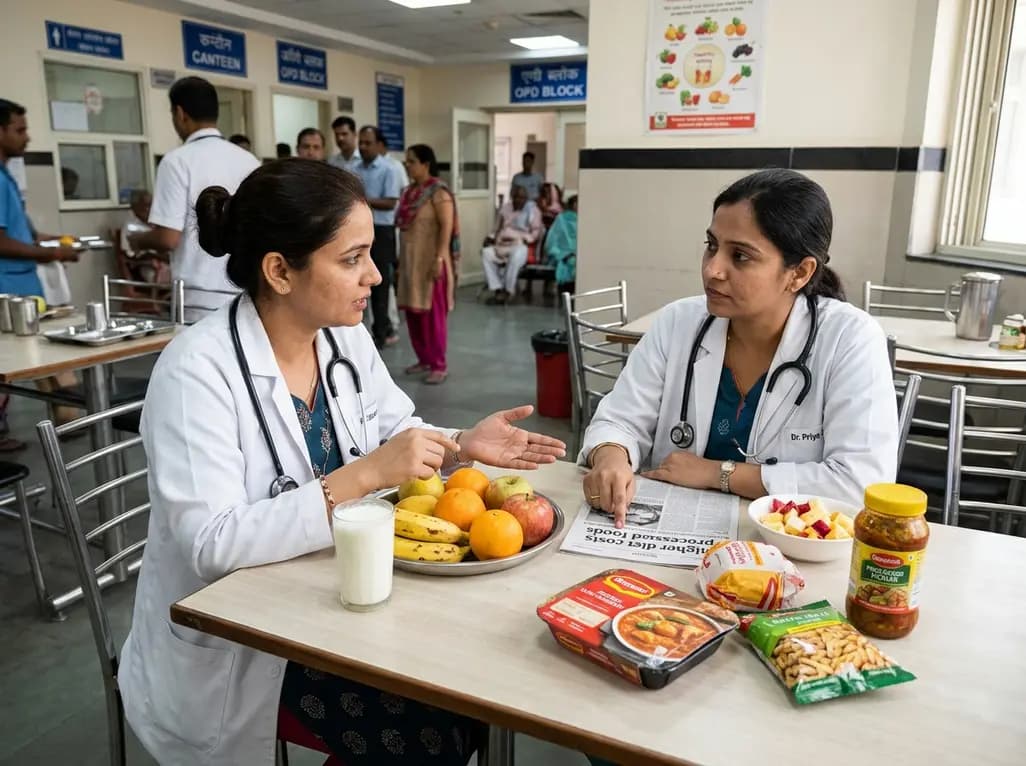
A Canadian nutrition study reveals that higher diet costs predict lower dietary energy density and higher fruit intake, but also increase sodium and processed meat consumption.
Today
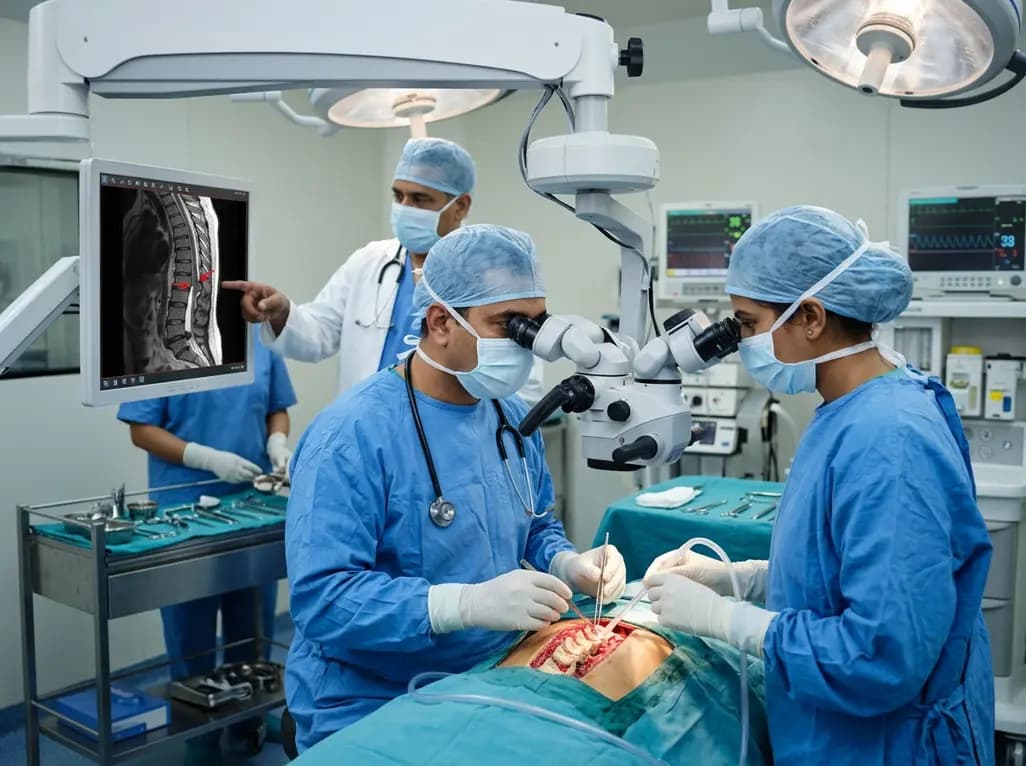
Idiopathic spinal cord herniation is a rare pathology presenting with progressive thoracic myelopathy. Early MRI identification and meticulous microsurgical reduction with dual bolstered dural defect repair prevent irreversible neurological deterioration.
Today

A novel smartphone-assisted biosensor utilizing molecularly imprinted polymers and catalytic nanozymes offers antibody-free, enzyme-free urinary microalbumin testing, enabling rapid, low-cost point-of-care screening for early chronic kidney disease.
Today
