.webp&w=384&q=75)

Loading, please wait...
Loading, please wait...

Recently, researchers at Stanford Medicine achieved a remarkable milestone that brings us closer to a Type 1 diabetes cure. Specifically, they successfully cured the autoimmune disease in mice using an innovative method that resets the immune system.
Consequently, the team combined stem-cell transplants with insulin-producing pancreatic cell transplants. Additionally, they introduced a much gentler conditioning process involving low-dose radiation and immune-targeting drugs. Subsequently, the treated mice no longer required insulin injections during the study period. Furthermore, the animals avoided long-term immune-suppressing medicines entirely. Therefore, this dual approach successfully resolved the twin challenges of cell replacement and immune attack.
Normally, the host immune system quickly attacks and destroys newly transplanted pancreatic beta cells. However, Stanford scientists resolved this issue by establishing a 'hybrid immune system' in the recipients. Indeed, the mice received blood stem cells and pancreatic cells from the same donor. Prior to this, researchers administered low-dose radiation and targeted drugs to weaken the native immune response. As a result, the recipient's body safely accepted the new insulin-producing cells. Most importantly, none of the experimental mice developed severe graft-versus-host disease.
Traditionally, bone marrow transplants require highly toxic chemotherapy and high-dose radiation to clear the host immune system. Unfortunately, these aggressive conditioning methods often cause infertility, severe infections, and secondary cancers. Consequently, the researchers dramatically reduced the pre-transplant radiation dose. Specifically, they lowered the radiation from 225 centigray to a mere 10 centigray. For comparison, conventional human transplants often require around 1,200 centigray of radiation. Ultimately, this ultra-low-dose approach cured the diabetic mice while preserving their fertility.
Although these preclinical results are highly encouraging, significant hurdles remain before human trials can begin. For example, the blood stem cells and pancreatic islet cells must currently come from the same deceased donor. In addition, obtaining sufficient quantities of viable human donor cells remains a major logistical obstacle. Nevertheless, researchers are actively working on generating functional islet cells from laboratory-grown pluripotent stem cells. Ultimately, this strategy could expand to treat other autoimmune disorders, including rheumatoid arthritis and lupus.
Q1: How does the new Stanford approach reset the immune system?
The treatment combines donor blood stem cells with pancreatic islet cells. Consequently, this gentle conditioning regimen establishes a hybrid immune system that prevents autoimmune attacks on the new cells.
Q2: What makes the low-radiation protocol safer than traditional transplants?
Traditionally, bone marrow transplants require high radiation doses of around 1,200 centigray, which carry severe side effects. In contrast, this new protocol successfully used only 10 centigray, preserving fertility and minimizing clinical risks.
Disclaimer: This content is for informational and educational purposes only. It does not constitute medical advice or replace professional judgment. Refer to the latest local and national guidelines for clinical practice.
References

Read summarized clinical updates, watch expert medical content, and earn CME certifications right from your smartphone.
Open your smartphone camera to scan and install.





Stanford scientists cured Type 1 diabetes in mice by transplanting stem and islet cells under a gentle, low-radiation protocol to reset the immune system....
4 months ago

A review examines how vagal neuroimmune circuits link the brain and immune system, sensing cytokine surges and dampening peripheral inflammation. Bioelectronic medicine harnesses these pathways to provide targeted, non-pharmacological therapies for chronic inflammatory and autoimmune diseases.
Today
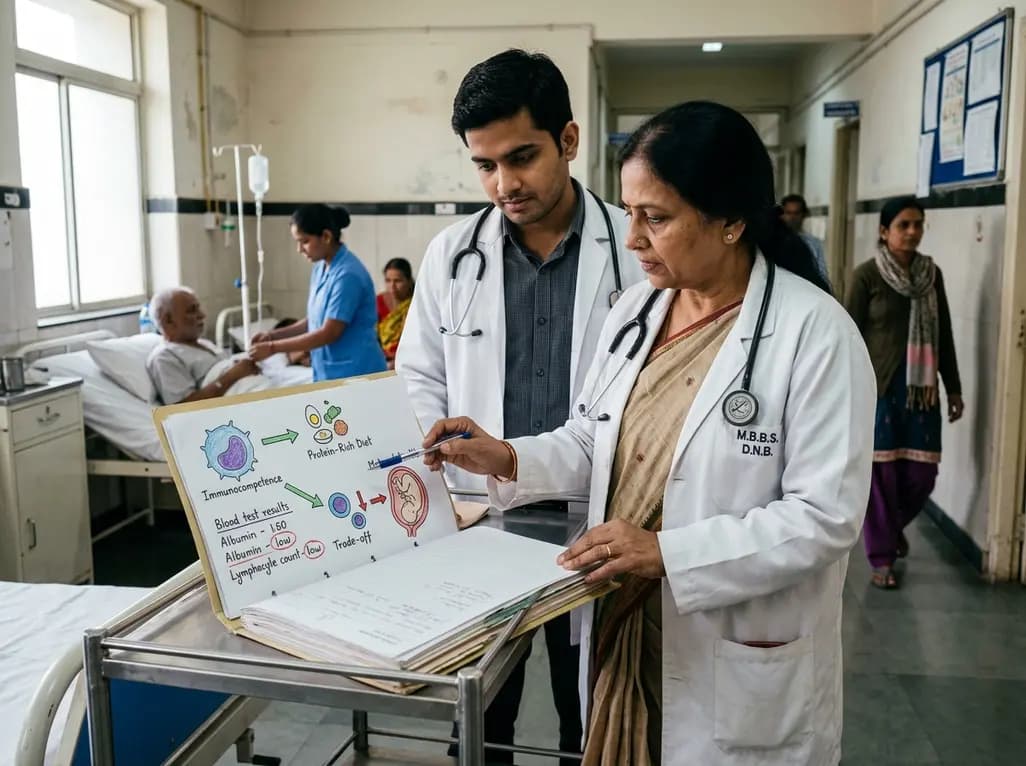
Explore the crucial link between dietary protein and immunocompetence. This review examines how low-protein nutrition shifts metabolic resources away from pathogen defense toward early reproduction, compromising host survival and immunity against severe bacterial infections.
Today
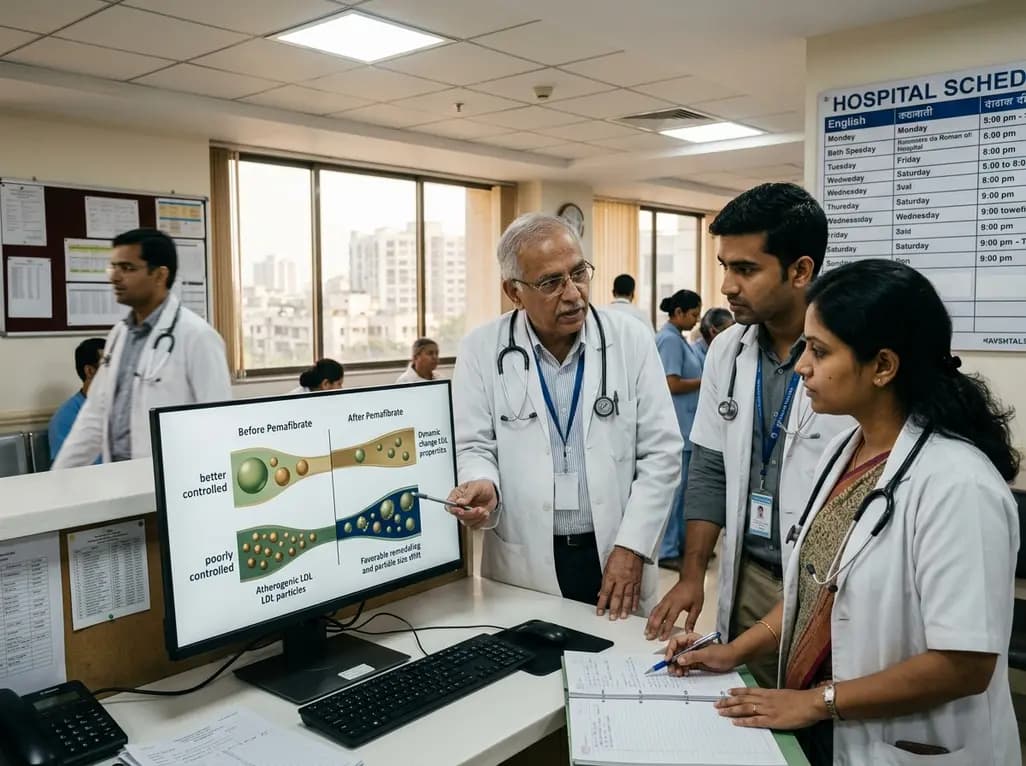
A post hoc analysis of the PARM-T2D study shows pemafibrate exerts baseline-dependent effects on LDL-C and particle size in type 2 diabetes and hypertriglyceridemia. It lowers triglycerides and remnants while favorably remodeling atherogenic LDL particles based on initial lipid control status.
Today
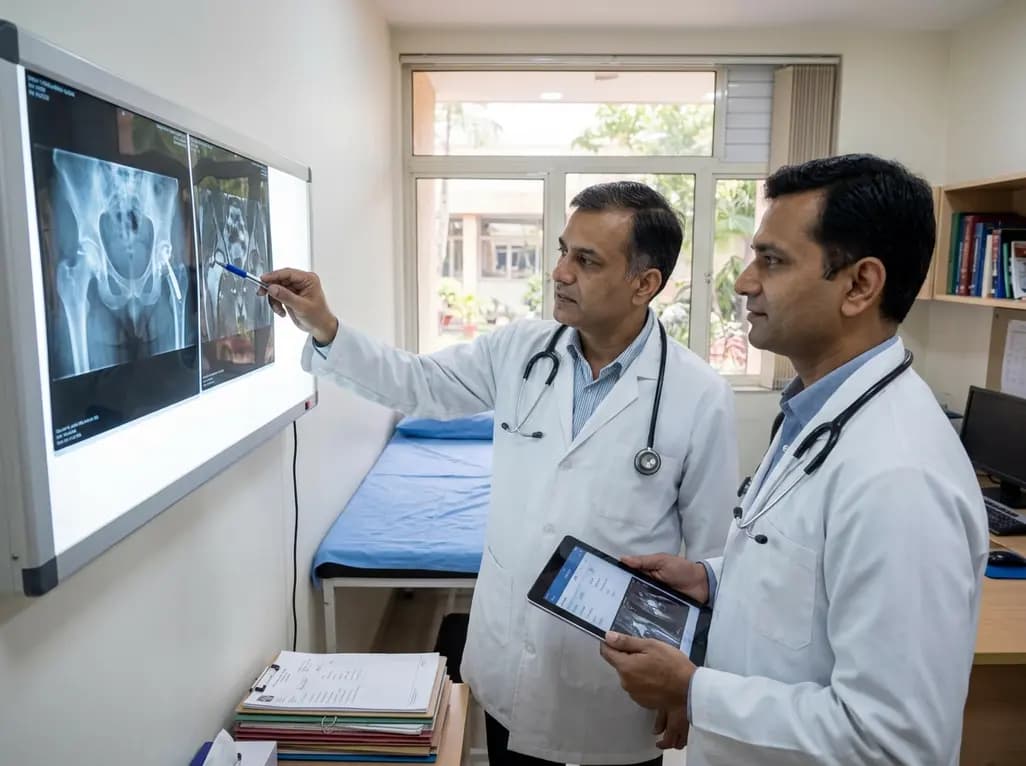
A longitudinal study reveals that patients undergoing staged bilateral hip arthroscopy experience progressive contralateral labral deterioration during surgical intervals. However, structural degradation does not compromise 2-year postoperative clinical outcomes or patient-reported satisfaction scores.
Today
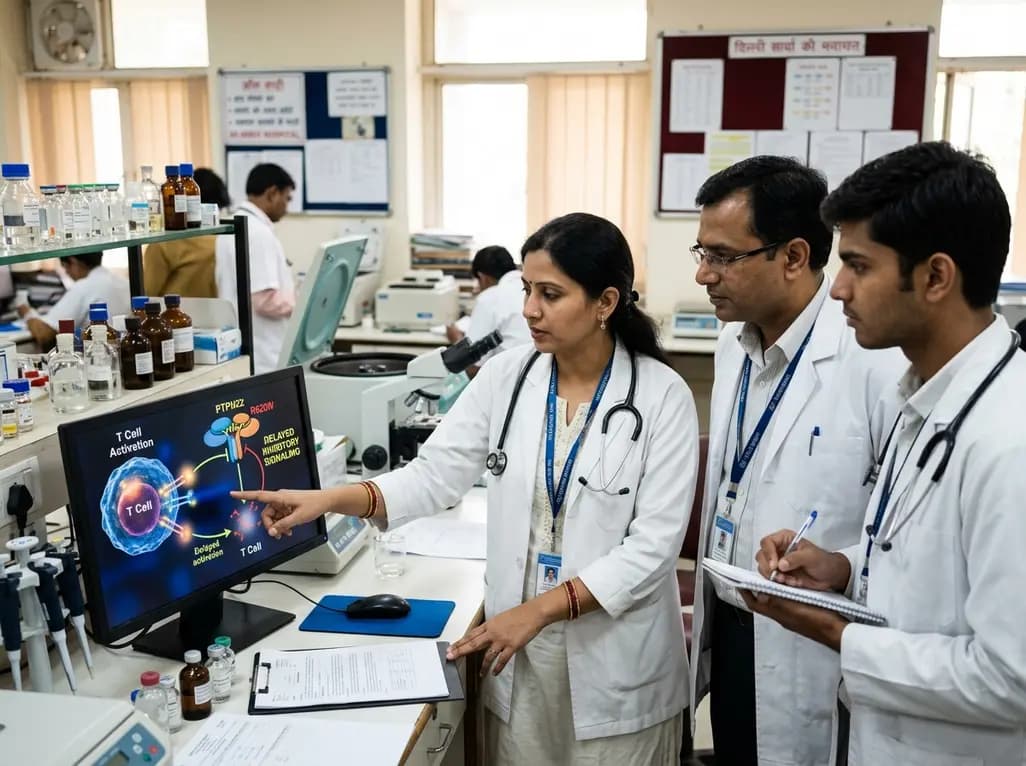
New immunological research reveals how PTPN22 forms a delayed inhibitory signaling complex to restrain T cell activation, explaining how the autoimmune-linked R620W variant disrupts feedback control and promotes persistent inflammation in conditions like rheumatoid arthritis and type 1 diabetes.
Today
