.webp&w=384&q=75)

Loading, please wait...
Loading, please wait...
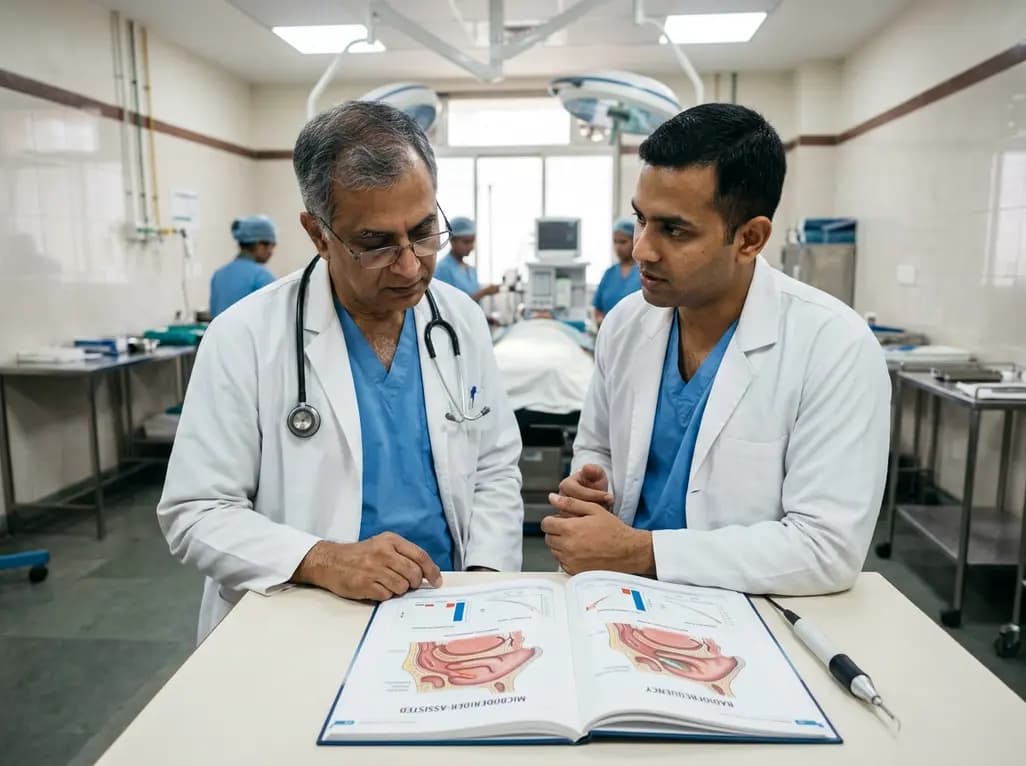
Chronic rhinitis presents a persistent therapeutic challenge when medical treatments fail to resolve nasal obstruction. In such cases, otolaryngologists frequently utilize turbinate surgery to restore nasal patency and improve patient quality of life. However, clinicians often face uncertainty regarding the comparative effectiveness and safety of diverse surgical modalities. A recent systematic review and network meta-analysis evaluated six active surgical interventions alongside submucosal resection to clarify these clinical outcomes.
Inferior turbinate hypertrophy remains one of the primary physical causes of bilateral nasal resistance in refractory rhinitis. While topical corticosteroids and antihistamines serve as first-line medical therapies, persistent symptoms regularly require operative intervention. Consequently, surgical techniques have evolved significantly from radical resection to mucosal-sparing technologies. Modern surgical options include microdebrider-assisted turbinoplasty, radiofrequency tissue volume reduction, coblator-assisted turbinoplasty, laser ablation, submucosal diathermy, and partial inferior turbinectomy. Each modality aims to maximize airway cross-sectional area while preserving respiratory epithelium and mucociliary clearance. Therefore, understanding the nuanced comparative outcomes among these interventions allows rhinologists to optimize individualized patient care.
The network meta-analysis demonstrated that microdebrider-assisted turbinoplasty achieved superior outcomes across most clinical parameters. Specifically, this powered instrumentation technique provided robust and durable reductions in nasal airway resistance and subjective obstruction scores. Because the microdebrider precisely debulks hypertrophied submucosal stroma while sparing the overlying respiratory epithelium, it creates sustained anatomical volume reduction. However, the analysis also identified a notable complication associated with this modality. Specifically, microdebrider turbinoplasty exhibited a significantly higher incidence of intraoperative mucosal tearing. Surgeons must therefore maintain meticulous tactile control and precise endoscopic visualization during blade insertion to avoid accidental mucosal disruption.
Radiofrequency tissue volume reduction demonstrated clear advantages in procedural efficiency and tissue preservation. According to the network meta-analysis, radiofrequency exhibited the shortest operative time among all evaluated surgical interventions. Furthermore, radiofrequency thermal energy creates controlled deep submucosal coagulation necrosis without destroying the surface cilia. Consequently, this intervention was associated with minimal postoperative nasal dryness and superior preservation of mucosal integrity. These procedural attributes make radiofrequency ablation an exceptionally attractive option for in-office or ambulatory procedures under local anesthesia. As a result, patients experience rapid recovery with minimal disruption to physiological nasal humidification.
In contrast to powered and cold instrumentation, thermal ablation techniques displayed significant clinical limitations. Submucosal diathermy showed distinctly lower effectiveness in alleviating nasal obstruction at intermediate follow-up intervals of six to twelve months. Moreover, diathermy was associated with a greater likelihood of requiring subsequent revision surgery. Similarly, laser ablation showed reduced effectiveness in decreasing long-term turbinate volume. In addition, laser procedures correlated with an elevated risk of secondary atrophic rhinitis due to extensive collateral thermal damage. Therefore, these findings urge clinicians to exercise caution when selecting laser ablation or diathermy for long-term nasal airway management.
Partial inferior turbinectomy effectively enlarges the anatomical nasal passage but carries distinct morbidity risks. Specifically, the meta-analysis revealed that turbinectomy produced a significantly higher incidence of postoperative crusting and persistent nasal dryness. These complications arise because excisional surgery permanently removes specialized respiratory mucosa and underlying glandular structures. Conversely, coblator-assisted turbinoplasty utilizes controlled low-temperature plasma to dissolve submucosal tissue while minimizing deep thermal injury. While coblation demonstrated balanced efficacy and reasonable operative times, clinicians must weigh equipment costs against outcomes. Ultimately, modern rhinology favors techniques that reduce submucosal volume without sacrificing physiological mucosal transport.
Selecting the optimal surgical technique requires balancing structural relief against potential post-procedure complications. When significant mucosal and bony hypertrophy exists, microdebrider-assisted turbinoplasty provides unmatched volume debulking and symptom relief. In contrast, when patients require rapid outpatient intervention with minimal risk of crusting or dryness, radiofrequency tissue volume reduction represents the safest modality. Surgeons should generally reserve aggressive excisional procedures for complex anatomical deformities where mucosal-sparing approaches are insufficient. By integrating these network meta-analysis insights into routine surgical planning, rhinologists can systematically minimize adverse events, prevent revision surgeries, and optimize functional nasal breathing.
Microdebrider-assisted turbinoplasty provides the most favorable outcomes across most clinical parameters, including durable reduction of nasal obstruction and significant turbinate size decrease. However, surgeons must navigate an increased risk of mucosal tearing during stromal debulking under endoscopic guidance.
Radiofrequency tissue volume reduction exhibits the shortest operative time and offers significant advantages in preserving mucosal integrity. Because it delivers targeted submucosal thermal energy, it minimizes postoperative crusting, reduces mucosal drying, and allows safe outpatient administration.
Laser ablation and submucosal diathermy demonstrate lower long-term efficacy in sustaining airway volume reduction. Furthermore, submucosal diathermy has higher revision rates, while laser ablation significantly increases the risk of thermal injury and secondary atrophic rhinitis.
Disclaimer: This content is for informational and educational purposes only. It is not intended to be a substitute for professional medical advice, diagnosis, or treatment. Always seek the advice of your physician or other qualified health provider with any questions you may have regarding a medical condition. Refer to the latest local and national guidelines for clinical practice.
References
1. Kim DH et al. Comparative Efficacy and Safety of Turbinate Surgery for Chronic Rhinitis: A Systematic Review and Network Meta-Analysis. Clin Otolaryngol. 2026 Aug 14. doi: 10.1111/coa.70159. PMID: 42601322.
2. Acevedo JL, Camacho M, Brietzke SE. Radiofrequency ablation turbinoplasty versus microdebrider-assisted turbinoplasty: a systematic review and meta-analysis. Otolaryngol Head Neck Surg. 2015;153(6):951-956.
3. Kanesan N, Norhayati MN, Hamid SSA, Abdullah B. Microdebrider-assisted inferior turbinoplasty versus other surgical techniques: A systematic review. Acta Otorhinolaryngol Ital. 2022;42(5):415-426.

Read summarized clinical updates, watch expert medical content, and earn CME certifications right from your smartphone.
Open your smartphone camera to scan and install.





A systematic review and network meta-analysis evaluated turbinate surgery techniques for chronic rhinitis. Microdebrider-assisted turbinoplasty showed superior overall efficacy but increased mucosal tearing, while radiofrequency tissue volume reduction offered optimal mucosal preservation and minimal operative time.
last month

Evaluating concordance between patient-reported and clinician-assessed modified Rankin Scale scores reveals how nonmotor symptoms, caregiver reliance, and cultural factors affect functional disability ratings in chronic neurologic disorders.
Today

A scoping review evaluates 116 studies on AI in women's reproductive health, finding that 83.6% carry high risk of bias. While ensemble models show promise, disparities and lack of validation hinder LMIC deployment.
Today
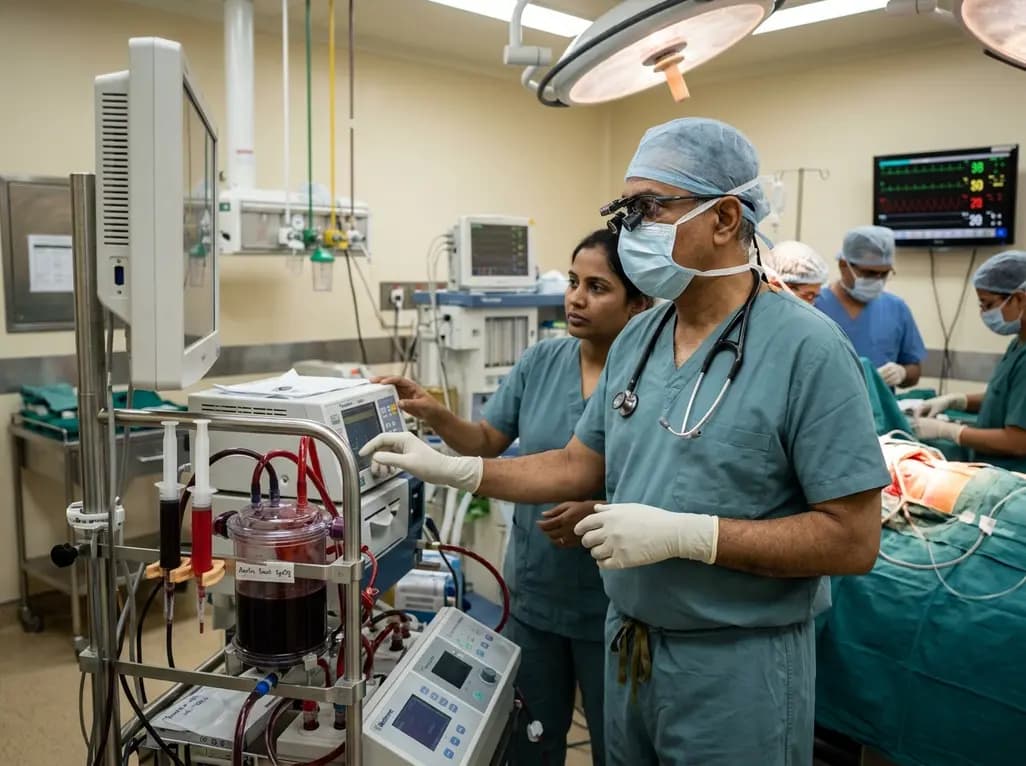
Differential oxygenation during peripheral TA-NRP can cause undetected coronary hypoxemia due to arch vessel clamping. A novel circuit with continuous aortic root monitoring detects desaturation early, facilitating left ventricular unloading and preventing allograft dysfunction and unnecessary heart discard.
Today
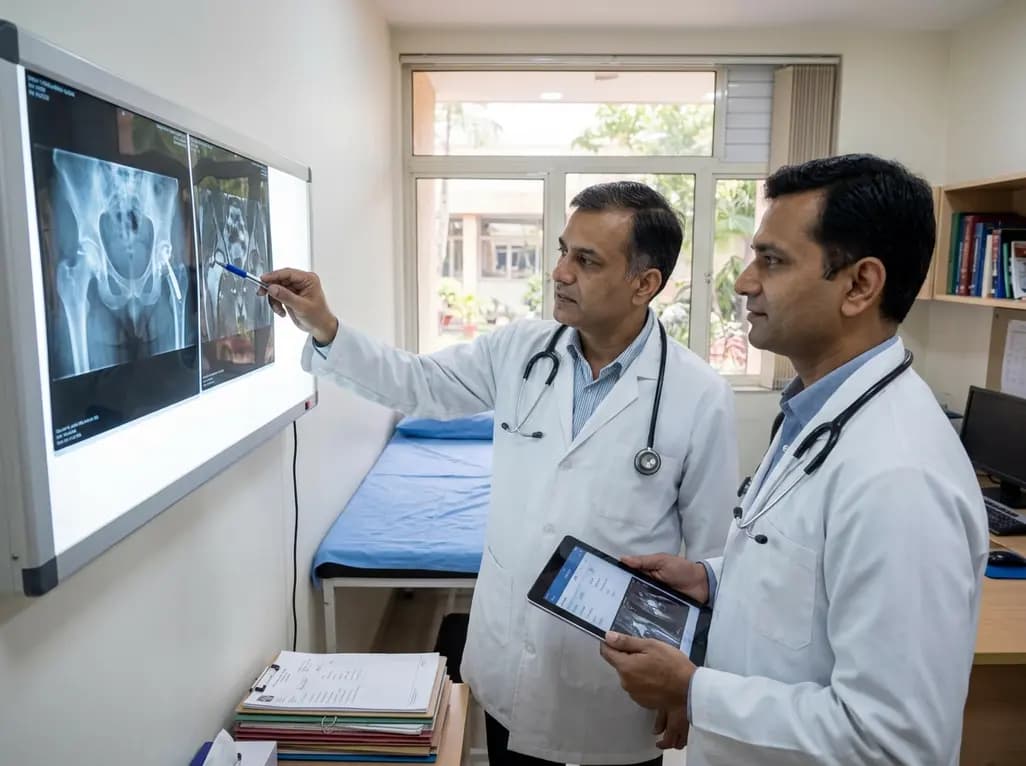
A longitudinal study reveals that patients undergoing staged bilateral hip arthroscopy experience progressive contralateral labral deterioration during surgical intervals. However, structural degradation does not compromise 2-year postoperative clinical outcomes or patient-reported satisfaction scores.
Today

A post hoc analysis of the PARM-T2D study shows pemafibrate exerts baseline-dependent effects on LDL-C and particle size in type 2 diabetes and hypertriglyceridemia. It lowers triglycerides and remnants while favorably remodeling atherogenic LDL particles based on initial lipid control status.
Today
