.webp&w=384&q=75)

Loading, please wait...
Loading, please wait...

Lung cancer remains the primary driver of cancer-related mortality globally and across clinical practices in India. Among its various histological subtypes, lung adenocarcinoma exhibits marked biological heterogeneity, ranging from indolent in situ lesions to aggressive metastatic malignancies. Clinicians and researchers continually seek definitive molecular markers that govern the transition toward invasive phenotypes. Recent advancements in transcriptomic profiling highlight transfer RNA-derived small RNAs (tsRNAs) as crucial regulatory non-coding transcripts in carcinogenesis. A pivotal molecular study has demonstrated that a specific tsRNA halts lung adenocarcinoma progression by directly repressing glucose-6-phosphate dehydrogenase (G6PD), establishing a critical link between non-coding RNA regulation and metabolic redox signaling.
Transfer RNA-derived small RNAs represent a distinct class of functional non-coding RNAs generated through the precise enzymatic cleavage of mature tRNAs or precursor transcripts. Historically considered mere degradation byproducts, tsRNAs act as critical post-transcriptional regulators of gene expression. They modulate translational fidelity, alter mRNA stability, and interact with cellular protein complexes. Consequently, abnormal tsRNA expression frequently correlates with malignant transformation, therapeutic resistance, and aggressive tumor invasion.
In the context of pulmonary oncology, elucidating how non-coding RNAs regulate lung adenocarcinoma progression is paramount. Non-invasive forms of adenocarcinoma exhibit distinct genomic and transcriptomic signatures compared to invasive subtypes. Researchers recently identified a unique tsRNA specifically enriched in non-invasive lung adenocarcinoma tissues. Functional assays confirmed that this non-coding fragment actively suppresses tumor cell growth. Furthermore, high expression of this transcript correlates with reduced cellular proliferation and decreased metastatic competence, pointing toward an intrinsic tumor-suppressive role during early pulmonary oncogenesis.
Malignant cells undergo profound metabolic reprogramming to sustain rapid proliferation and survive hostile microenvironments. The pentose phosphate pathway serves as a fundamental metabolic shunt that generates ribose-5-phosphate for nucleotide synthesis and nicotinamide adenine dinucleotide phosphate (NADPH) for reductive biosynthesis. Glucose-6-phosphate dehydrogenase functions as the rate-limiting enzyme of this pathway. Consequently, elevated G6PD expression is a hallmark of many aggressive tumors, including non-small cell lung cancers.
NADPH produced by G6PD plays an indispensable role in maintaining cellular redox homeostasis. Proliferating tumor cells generate high levels of reactive oxygen species (ROS) through accelerated mitochondrial respiration. To prevent catastrophic oxidative damage and ferroptotic cell death, cancer cells utilize NADPH as an essential electron donor to regenerate reduced glutathione and thioredoxin. Therefore, heightened G6PD activity protects malignant cells against oxidative stress, promotes cell cycle progression, and facilitates systemic dissemination. Conversely, therapeutic or genetic suppression of G6PD disrupts this protective mechanism, exposing tumor cells to lethal oxidative stress.
The newly identified tsRNA directly suppresses G6PD expression at the post-transcriptional level. Mechanistic investigations reveal that this regulatory RNA sequence binds complementarily to specific regions within G6PD mRNA. This targeted binding triggers transcript destabilization and downregulates the translation of functional G6PD enzyme. Consequently, cells expressing high levels of this protective tsRNA display a significant decline in overall G6PD enzymatic activity.
As a direct result of G6PD repression, the metabolic flux through the pentose phosphate pathway decreases markedly. This metabolic blockade causes an immediate deficit in cytosolic NADPH concentrations. Without adequate NADPH replenishment, malignant cells fail to neutralize baseline reactive oxygen species. Intracellular ROS levels accumulate rapidly, inducing severe oxidative damage to membrane lipids, cellular proteins, and genomic DNA. Furthermore, this redox imbalance activates intrinsic apoptotic signaling pathways and severely impairs cellular motility, effectively restraining tumor invasion and migratory potential.
The discovery of this tsRNA-G6PD regulatory axis offers profound translational opportunities for thoracic oncologists and clinical researchers. First, identifying differential tsRNA expression profiles provides valuable biomarker candidates. Evaluating tsRNA levels in surgical resections, transbronchial biopsies, or plasma-derived liquid biopsies may help clinicians distinguish non-invasive indolent lesions from aggressive, high-risk adenocarcinomas. Such molecular stratification can guide surgical decision-making and personalize follow-up intervals.
Second, this molecular mechanism highlights innovative therapeutic strategies. Synthetic tsRNA mimics or targeted delivery of oligonucleotide analogues could restore tumor-suppressive control in malignant tissues lacking endogenous expression. Furthermore, combining tsRNA-based agents with conventional chemotherapy, tyrosine kinase inhibitors, or radiotherapy could enhance treatment efficacy. Because many standard cancer therapies rely on generating cytotoxic oxidative stress, lowering the cellular antioxidant threshold via G6PD suppression may overcome therapeutic resistance in refractory pulmonary tumors.
Although these findings provide compelling preclinical evidence, translating tsRNA biology into routine clinical application requires extensive validation. Future investigations must establish the pharmacological stability, bio-distribution, and organ-specific delivery of tsRNA therapeutics using advanced nanoparticle delivery platforms. In addition, researchers must evaluate whether systemic G6PD modulation causes off-target hematological toxicities, particularly in patients with baseline hereditary G6PD deficiency.
Moreover, comprehensive multicenter clinical studies in diverse cohorts are essential to correlate tsRNA expression with overall survival, recurrence-free survival, and treatment responses. Investigating cross-talk between tsRNA pathways and concurrent oncogenic drivers, such as EGFR mutations and ALK rearrangements, will further clarify how non-coding RNAs shape the broader pulmonary tumor microenvironment. Ultimately, expanding our understanding of tsRNA-mediated metabolic control will pave the way for precise, next-generation RNA therapeutics in lung cancer care.
Transfer RNA-derived small RNAs regulate post-transcriptional gene expression and protein translation. In lung adenocarcinoma, specific tsRNAs function as critical suppressors or promoters of tumor growth. The newly identified tsRNA acts as a tumor suppressor by silencing metabolic enzymes, thereby restraining uncontrolled cellular proliferation and limiting metastatic progression in early non-invasive disease stages.
Glucose-6-phosphate dehydrogenase produces NADPH, which tumor cells require for biosynthesis and antioxidant defense. Inhibiting G6PD decreases intracellular NADPH pools and increases reactive oxygen species levels. This severe oxidative stress damages cellular structures, induces apoptotic cell death, and halts cancer cell invasion, significantly impairing the malignant potential of lung adenocarcinoma cells.
Yes, tsRNAs exhibit high biological stability in tissues and body fluids, making them promising candidates for molecular diagnostics and liquid biopsy platforms. Profiling specific tsRNAs may soon assist clinicians in differentiating indolent non-invasive nodules from aggressive adenocarcinomas, optimizing personalized surveillance protocols and targeted therapeutic interventions.
Disclaimer: This content is for informational and educational purposes only. It is not intended to be a substitute for professional medical advice, diagnosis, or treatment. Always seek the advice of your physician or other qualified health provider with any questions you may have regarding a medical condition. Refer to the latest local and national guidelines for clinical practice.
References
1. Sha S et al. A tsRNA Suppresses Lung Adenocarcinoma Progression Through Targeting Glucose-6-Phosphate Dehydrogenase. J Biochem Mol Toxicol. 2026 Sep undefined. doi: 10.1002/jbt.71077. PMID: 42682261.
2. Ju HQ, Lin JF, Tian T, Xie D, Xu RH. NADPH homeostasis in cancer: functions, mechanisms and therapeutic implications. Signal Transduct Target Ther. 2020;5(1):231. doi: 10.1038/s41392-020-00326-0.
3. Shen Y, Yu X, Yang Y, Shen Z, et al. Transfer RNA-derived small RNAs in cancer: molecular mechanism and clinical application. Mol Cancer. 2021;20(1):155. doi: 10.1186/s12943-021-01454-w.

Read summarized clinical updates, watch expert medical content, and earn CME certifications right from your smartphone.
Open your smartphone camera to scan and install.





New molecular research reveals that a specific transfer RNA-derived small RNA (tsRNA) suppresses lung adenocarcinoma progression by targeting G6PD mRNA. This interaction alters NADPH/ROS equilibrium, inhibiting cancer cell proliferation and metastatic spread, offering a promising target for novel targeted therapeutics.
4 weeks back

A laboratory technician's death in Siberia from an unverified respiratory pathogen has renewed global vigilance for pneumonic plague. Clinicians must recognize early presentations of Yersinia pestis, enforce immediate respiratory isolation, and start early bactericidal therapy to prevent severe secondary spread.
Today

A retrospective study of 824 patients undergoing over 2,200 intradetrusor onabotulinumtoxinA injections identifies sex- and etiology-specific predictors of 2-week post-void residual, highlighting the influence of baseline residual volumes, toxin dosage, and distinct urodynamic parameters on urinary retention risk.
Today
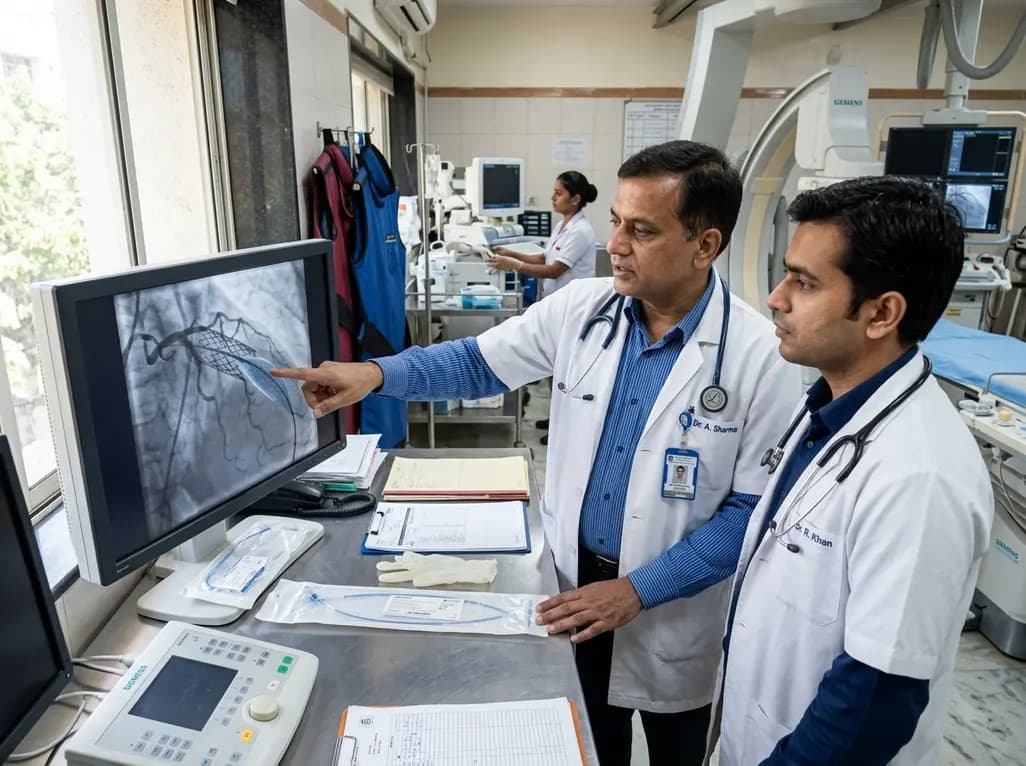
The US FDA has granted approval to the SELUTION SLR drug-eluting balloon for treating coronary in-stent restenosis. This milestone introduces a sustained-release sirolimus platform that eliminates the need for additional permanent metallic stents while maintaining robust vascular healing and luminal patency.
Today

The Thumbs-Out Classification (TOC) is a reliable screening tool for detecting thumb-in-palm deformity in children with cerebral palsy. Utilizing traffic-light tiers for radial abduction, TOC enables clinicians to monitor upper limb function and initiate timely therapeutic or surgical interventions.
Today

A comprehensive review analyzes periconceptional GLP-1 receptor agonist exposure, revealing reassuring data on congenital anomalies and adverse perinatal outcomes while emphasizing the need for cautious patient counseling.
Today
