.webp&w=384&q=75)

Loading, please wait...
Loading, please wait...

Traumatic brain injury diagnosis remains one of the most perplexing challenges in modern medicine. Because the vast majority of mild head injuries lack visible lesions on standard neuroimaging, clinicians frequently depend on subjective recollections. Patients and witnesses must recount ephemeral symptoms and alteration of consciousness, which creates immense diagnostic variability across emergency departments and trauma centers. Consequently, inconsistent classification hinders both bedside treatment choices and prospective clinical research. To address these systemic diagnostic disparities, researchers recently introduced and validated the semi-structured Traumatic Brain Injury Diagnostic Interview. This innovative instrument standardizes the evaluation of acute biomechanical events, neurobehavioral disruption, and post-traumatic symptoms.
Clinicians encounter substantial hurdles when evaluating patients with suspected acute brain trauma. Historically, emergency providers relied heavily on unstandardized questioning, which yielded conflicting clinical impressions. Many individuals experience brief alterations of consciousness that escape formal medical documentation during chaotic initial resuscitations. Furthermore, acute intoxication, emotional shock, and distracting physical injuries frequently distort the clinical presentation. Therefore, subjective self-reports often diverge significantly from collateral observations provided by family members or emergency medical personnel. Diagnostic confusion also arises because international guidelines historically lacked granular consensus regarding which specific combinations of symptoms definitively establish head injury. In response to these diagnostic dilemmas, investigators designed the semi-structured Traumatic Brain Injury Diagnostic Interview, commonly termed the TBI-DI. This clinical interview gathers structured, verifiable data concerning head impact mechanics, alterations of consciousness, and initial post-injury complaints. Moreover, a comprehensive standard operating procedure governs the interview administration. This uniform approach enables clinical teams to systematically differentiate true cerebral trauma from unrelated psychological distress or pre-existing neurological conditions. In daily practice, this structured standardization ensures reliable triage, minimizes diagnostic oversights, and accelerates early rehabilitative care. By harmonizing clinical documentation across emergency settings, this structured methodology addresses the critical vulnerabilities that have long compromised acute neurotrauma care and epidemiological research.
To assess whether the TBI-DI could achieve dependable real-world consistency, researchers conducted a prospective validation across four major Level 1 trauma centers. Between 2019 and 2023, study coordinators completed 335 diagnostic interviews approximately two weeks after the traumatic event. The patient cohort primarily comprised self-reported accounts, alongside informant-reported and combined interviews. To rigorously determine interrater reliability, investigators analyzed 288 audio-recorded interviews using Cohen's kappa statistics. Multiple independent raters reviewed the same recorded patient sessions to evaluate diagnostic scoring concordance across critical clinical domains. Remarkably, the statistical analysis demonstrated near-perfect interrater reliability. Cohen's kappa values for descriptors of alteration of consciousness ranged between 0.85 and 0.92, indicating extraordinary agreement among independent evaluators. Similarly, the fourteen individual symptom items achieved exceptional reliability scores, spanning from 0.92 to 0.99. Furthermore, the authors observed identical diagnostic precision regardless of whether clinicians interviewed patients directly or collected collateral information from family informants. Consequently, these robust findings confirm that standardized interview protocols can successfully overcome the notorious subjectivity of post-injury reporting. When trained clinicians utilize uniform diagnostic prompts and objective operational definitions, they achieve remarkable diagnostic concordance. Therefore, the TBI-DI establishes a reproducible standard for clinical trials and multi-institutional epidemiological studies.
Alteration of consciousness represents the pathophysiological cornerstone of acute brain injury classification. However, patients rarely display uniform neurobehavioral disruptions following sudden mechanical impacts to the cranium. In the multicenter study, advanced UpSet plot analyses revealed remarkably diverse phenotypic presentations among participants. Overall, forty-five percent of individuals exhibited classic objective hallmarks, including witnessed loss of consciousness, post-traumatic amnesia, or severe acute disorientation. In contrast, the remaining patients described subtler neurobehavioral alterations without prolonged unconsciousness. These subtle disruptions often included transient confusion, being dazed, or feeling momentarily disconnected from the immediate surroundings. Because isolated symptoms can easily mimic other acute stress responses, structured interviews provide essential diagnostic clarity. Specifically, the TBI-DI requires clinicians to cross-examine chronological details regarding the moment of impact and immediate post-impact awareness. Furthermore, the interview protocol systematically queries both retrograde and anterograde memory continuity. By systematically characterizing these temporal boundaries, physicians can accurately distinguish genuine post-traumatic amnesia from emotional detachment or intoxicant-induced blackout. Ultimately, standardized classification ensures that subtle neurobehavioral deficits receive appropriate clinical validation rather than being dismissed as inconsequential emotional trauma. Consequently, clinicians gain a much clearer understanding of cerebral dysfunction severity, which directly guides subsequent triage, monitoring, and therapeutic decisions.
The clinical expression of acute neurotrauma extends far beyond immediate alterations of consciousness. During the two-week post-injury interviews, 325 self-reporting patients described a staggering 256 unique symptom combinations across the fourteen evaluated clinical complaints. This vast phenotypic diversity highlights the profound biological complexity of mechanical brain trauma. Despite this marked heterogeneity, several cardinal complaints consistently dominated the clinical spectrum. Patients most frequently reported persistent headaches, disabling dizziness, profound physical fatigue, and noticeable difficulty concentrating. Moreover, many individuals experienced complex clusters linking somatic complaints with acute emotional and sleep disturbances. Because overlapping clinical conditions can confound these presentations, clinicians must scrutinize symptom chronicity and pre-existing medical comorbidities. For example, cervical spine strains, acute inner ear concussions, and situational anxiety frequently produce dizziness and cephalea that mimic primary cerebral injury. Therefore, the standardized interview prompts clinicians to carefully explore the temporal onset, progression, and daily functional impact of each reported manifestation. Consequently, comprehensive symptom characterization enables clinicians to anticipate protracted recovery trajectories and tailor proactive multidisciplinary care pathways for high-risk patients. By systematically mapping these diverse symptom networks, medical teams can promptly recognize distinct clinical phenotypes and implement targeted rehabilitation strategies before persistent post-concussion symptoms become chronic.
Integrating structured diagnostic interviews into routine clinical workflows offers transformative benefits for patient care, particularly in resource-constrained emergency environments. In high-volume trauma centers across India and globally, casualty medical officers encounter heavy patient loads where rapid triage remains imperative. Although advanced neuroimaging modalities such as computed tomography exclude catastrophic intracranial hemorrhages, they cannot detect subtle functional concussive injuries. Consequently, patients with mild traumatic brain injuries often receive premature discharges without adequate neurocognitive guidance. Implementing standardized diagnostic questioning helps clinicians bridge this critical diagnostic gap. By documenting specific alterations of consciousness and symptom profiles, healthcare teams establish an accurate baseline for longitudinal monitoring. Furthermore, structured diagnostic data empower general practitioners and neurorehabilitation specialists to deliver individualized education regarding graduated return to cognitive and physical activities. Additionally, standardized interviews facilitate transparent clinical communication between trauma surgeons, neurologists, psychiatrists, and allied health professionals. As clinical research evolves, pairing validated diagnostic interviews with emerging blood-based biomarkers will create a highly precise diagnostic matrix. Ultimately, adopting rigorous diagnostic tools elevates clinical standards, minimizes medical ambiguity, and improves long-term neurocognitive recovery for trauma survivors.
The TBI-DI standardizes clinical questioning regarding impact mechanics, alteration of consciousness, and acute symptoms. By eliminating subjective, unstandardized inquiries, the protocol ensures near-perfect interrater agreement across clinicians. This systematic approach allows healthcare teams to differentiate acute brain trauma from confounding physical injuries or acute emotional shock with exceptional consistency.
Mechanical trauma imparts heterogeneous forces across brain tissue, disrupting distinct axonal pathways, neurotransmitter systems, and vascular networks. Furthermore, pre-existing psychological health, cervical spine injuries, and situational anxiety influence symptom expression. Consequently, patients present with widely varying clinical combinations of headaches, dizziness, fatigue, and cognitive difficulties following acute head trauma.
Standard neuroimaging cannot replace clinical interviews because conventional computed tomography and magnetic resonance imaging rarely detect functional or microstructural concussive abnormalities. Brain scans effectively exclude acute surgical emergencies like intracranial hemorrhages. Therefore, clinicians must continue relying on rigorous diagnostic interviews to accurately identify alteration of consciousness and confirm brain injury.
Disclaimer: This content is for informational and educational purposes only. It is not intended as a substitute for professional medical advice, diagnosis, or treatment. Always seek the advice of your physician or other qualified healthcare provider with any questions you may have regarding a medical condition or treatment choices. Refer to the latest local and national guidelines for clinical practice.
References

Read summarized clinical updates, watch expert medical content, and earn CME certifications right from your smartphone.
Open your smartphone camera to scan and install.





The prospective validation of the semi-structured TBI Diagnostic Interview (TBI-DI) across 4 Level 1 trauma centers demonstrated near-perfect interrater reliability for alteration of consciousness and acute symptoms, standardizing post-injury clinical characterization.
Today

Hantaviruses are emerging zoonotic pathogens causing hemorrhagic fever with renal syndrome and hantavirus pulmonary syndrome. Characterized by severe capillary leakage and thrombocytopenia, these infections require prompt diagnosis, vigilant hemodynamic monitoring, and specialized critical care support.
Today
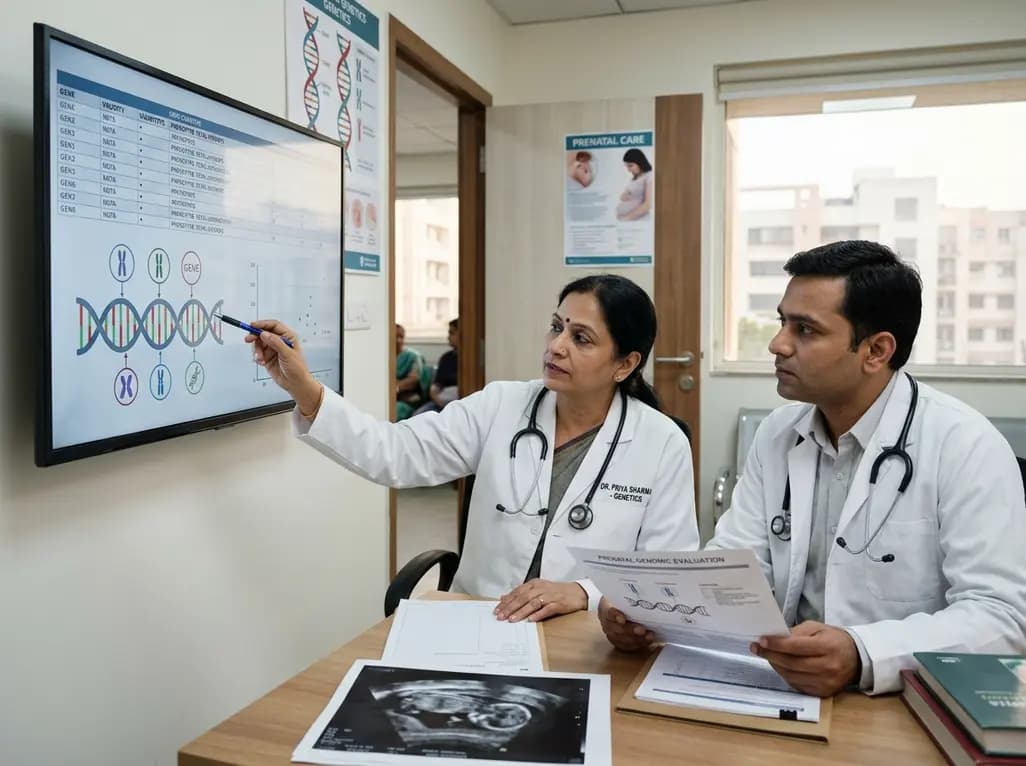
The ClinGen Prenatal Gene Curation Expert Panel evaluated 63 disease relationships across 61 genes, establishing clinical validity for severe fetal phenotypes like hydrops and stillbirth to enhance prenatal genomic interpretation and clinical care.
Yesterday

Managing refractory hypoxemia after cardiothoracic surgery becomes perilous when prolonged air leak limits positive-pressure ventilation. This case-based review details how high-flow nasal cannula, paired with awake rehabilitation, enabled successful extubation and avoided invasive re-intubation.
Today

Idiopathic axillary web syndrome (IAWS) is a rare cause of shoulder pain and mobility restriction characterized by palpable axillary cording without prior surgery or trauma. Early diagnosis, nonsteroidal anti-inflammatory therapy, and physical rehabilitation lead to complete resolution of symptoms.
Today
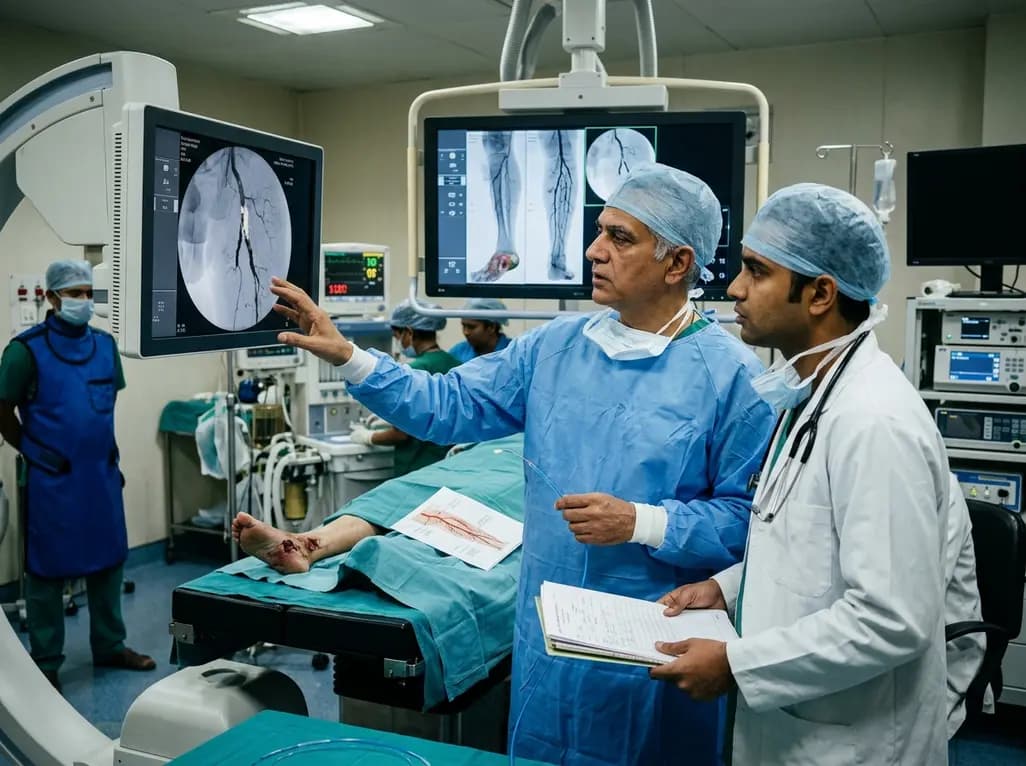
SWEDEPAD-1 trial insights show paclitaxel-coated devices do not improve long-term limb salvage in patients with chronic limb-threatening ischemia and tissue loss. While one-year reinterventions decreased, the devices were linked to a higher risk of major amputation at three months.
Today
