.webp&w=384&q=75)

Loading, please wait...
Loading, please wait...

Acute memory loss in teenagers is an alarming clinical presentation that requires urgent neurovascular and psychiatric evaluation. Transient global amnesia is a distinct, temporary syndrome characterized by the sudden loss of anterograde memory with intact consciousness. While this condition typically occurs in older adults, clinicians occasionally encounter it in pediatric populations.
Clinicians recognize transient global amnesia by its sudden, stereotypic presentation. Patients manifest profound anterograde amnesia, which impairs their capacity to form new memories. Consequently, affected individuals frequently repeat identical questions, displaying classic perseverative questioning behavior. In this adolescent case, a 16-year-old boy intentionally executed a Valsalva maneuver during a school video recording. Almost immediately thereafter, he developed severe memory disturbances alongside mild retrograde memory impairment. Nevertheless, his personal identity, motor skills, and general attention remained completely preserved. Such preservation of self-identity and baseline cognition represents an essential hallmark of this syndrome. Furthermore, the patient displayed no focal deficits, speech disturbances, or altered consciousness. The acute amnestic state persisted for approximately nine hours before resolving spontaneously. Gradually, he regained full recall of preceding events, although he remained amnestic for the actual episode. This clinical progression mirrors the classical trajectory observed in older patients. In adult cohorts, symptoms characteristically subside within twenty-four hours. Therefore, recognizing these specific behavioral features enables pediatricians to distinguish benign amnestic syndromes from life-threatening neurological conditions.
The pathophysiological mechanism linking a Valsalva maneuver to transient global amnesia involves intricate venous hemodynamics. During forced exhalation against a closed glottis, intrathoracic pressure escalates substantially. Consequently, this sudden pressure spike hampers central venous return via the superior vena cava. In individuals with valve incompetence or asymmetric drainage, retrograde venous pressure transmits upward into cerebral vascular beds. As a result, transient venous congestion develops within bilateral mesial temporal structures, especially the hippocampus. Neurons in the CA1 sommonis sector exhibit marked vulnerability to cellular and metabolic stress. When brief venous ischemia strikes this region, it temporarily arrests memory consolidation pathways. Interestingly, neuroimaging in this teenage patient demonstrated an anatomically hypoplastic left transverse sinus without thrombosis. This pre-existing venous asymmetry likely amplified hemodynamic changes during the sustained straining effort. Similar venous flow disturbances frequently precipitate amnestic attacks in adult cohorts after heavy lifting or exertion. Therefore, the mechanical strain of the Valsalva maneuver can trigger localized metabolic disruption in vulnerable adolescent hippocampi. This physiological sequence demonstrates that adult and pediatric amnestic triggers share fundamental vascular mechanisms.
When an adolescent presents with sudden amnesia, emergency physicians must evaluate a broad differential diagnosis. First, clinicians must distinguish transient global amnesia from transient epileptic amnesia. Epileptic amnesia causes brief, recurrent amnestic episodes lasting under one hour. In contrast, global amnesia lasts several hours without epileptiform discharges on electroencephalography. Second, clinicians must systematically exclude acute ischemic stroke, specifically involving the posterior cerebral artery territory. However, focal neurological signs, limb weakness, visual deficits, and sensory changes accompany cerebral infarctions. Third, head trauma remains a very frequent etiology of acute memory disturbance in active adolescents. In this featured case, the patient experienced no traumatic blow, eliminating post-concussive amnesia. Furthermore, healthcare teams must rule out acute intoxications, metabolic derangements, and drug-induced amnestic states through targeted toxicological screens. Clinicians also consider dissociative or psychogenic amnesia. However, psychogenic presentations typically feature loss of personal identity without perseverative questioning. Finally, central nervous system infections and autoimmune encephalitides must appear on the diagnostic radar. Consequently, physicians must conduct rigorous clinical assessments to rule out these sinister etiologies before confirming benign transient amnesia.
A thorough diagnostic workup remains paramount when evaluating acute memory failure in adolescent patients. Initially, physicians should conduct emergency computed tomography to rule out intracranial hemorrhage or space-occupying lesions. Subsequently, brain magnetic resonance imaging serves as the gold standard neuroimaging tool. Advanced diffusion-weighted imaging often detects punctate hyperintense lesions within the lateral CA1 field of the hippocampus. However, clinicians must recognize that these characteristic diffusion-weighted abnormalities typically peak between twenty-four and seventy-two hours after symptom onset. Therefore, an unremarkable early magnetic resonance scan does not invalidate the diagnosis. In this particular adolescent, urgent neuroimaging showed no acute parenchymal infarction or restricted diffusion. The imaging solely revealed an incidental, hypoplastic left transverse sinus. In addition, an urgent electroencephalogram should confirm the absence of subclinical temporal lobe seizures or non-convulsive status epilepticus. Furthermore, comprehensive serum biochemistry, inflammatory markers, and qualitative urine drug screens assist in eliminating toxic and systemic causes. By executing this comprehensive protocol, clinicians systematically exclude acute neurologic emergencies with high clinical confidence.
The overall prognosis for pediatric patients experiencing transient global amnesia remains exceptionally favorable. Because the condition represents a functional disturbance rather than structural necrosis, patients recover completely without persistent cognitive deficits. Consequently, medical teams should prioritize supportive care and provide continuous reassurance to alleviate anxiety. Furthermore, pharmacological interventions or thrombolytic therapies are unnecessary and inappropriate for confirmed cases. Instead, clinicians must observe the patient closely in a quiet hospital environment until anterograde memory function fully returns. In this reported adolescent, memory abilities normalized spontaneously within nine hours, allowing prompt hospital discharge. Moreover, long-term recurrence rates for this condition remain very low, with most clinical cohorts reporting recurrence under ten percent. Clinicians should counsel adolescents against extreme Valsalva maneuvers, such as prolonged breath-holding challenges or improper weightlifting techniques. Additionally, outpatient follow-up with a pediatric neurologist ensures developmental stability and validates that cognitive retrieval remains unimpaired. Ultimately, recognizing this benign condition prevents invasive interventions, diminishes psychological distress, and avoids unnecessary protracted hospitalizations. Therefore, structured observation and compassionate reassurance constitute the bedrock of effective clinical management.
Clinicians distinguish transient global amnesia from transient epileptic amnesia by evaluating episode duration, frequency, and electroencephalographic data. Transient global amnesia typically lasts several hours, occurs as a solitary episode, and presents with repetitive questioning alongside normal electroencephalograms. In contrast, transient epileptic amnesia causes brief amnestic spells lasting under one hour, recurs frequently, and reveals epileptiform activity on electroencephalography. Recognizing these differences prevents unnecessary anti-seizure medication trials in benign amnestic cases.
A forced Valsalva maneuver sharply elevates intrathoracic pressure, which temporarily impedes venous return through the superior vena cava. Consequently, this sudden pressure alteration causes retrograde venous congestion in jugular pathways and tributary cerebral veins. Because the hippocampal CA1 sommonis sector is exceptionally sensitive, transient venous hypertension causes temporary ischemia and impairs synaptic transmission. Once normal venous flow resumes, hippocampal metabolism recovers promptly, enabling the gradual restoration of memory formation pathways.
The long-term prognosis for adolescents with this condition is exceptionally benign and reassuring. Symptoms typically resolve completely within twenty-four hours, leaving only a dense amnestic gap for the event itself. Longitudinal studies indicate that annual recurrence rates remain extremely low, typically between six and ten percent. Most importantly, an episode does not heighten future risks for ischemic stroke, epilepsy, or cognitive decline. Consequently, adolescents can resume normal academic and athletic routines safely.
Disclaimer: This content is for informational and educational purposes only. It is not intended to be a substitute for professional medical advice, diagnosis, or treatment. Always seek the advice of your physician or other qualified health provider with any questions you may have regarding a medical condition. Refer to the latest local and national guidelines for clinical practice.
References

Read summarized clinical updates, watch expert medical content, and earn CME certifications right from your smartphone.
Open your smartphone camera to scan and install.





Transient global amnesia is a rare clinical syndrome in adolescents. This case analysis reviews an adolescent who developed acute anterograde amnesia after an intentional Valsalva maneuver, highlighting diagnostic pathways, neuroimaging findings, and differentiation from other acute neurological disorders.
Today

A feasibility study evaluates remote vital sign monitoring in acute hospital at home patients. Continuous wearable patches captured heart rate and respiratory rate with high adherence (89% and 75%), significantly exceeding manual spot checks for blood pressure, oxygen saturation, and temperature.
Today

A scoping review evaluates 116 studies on AI in women's reproductive health, finding that 83.6% carry high risk of bias. While ensemble models show promise, disparities and lack of validation hinder LMIC deployment.
Today
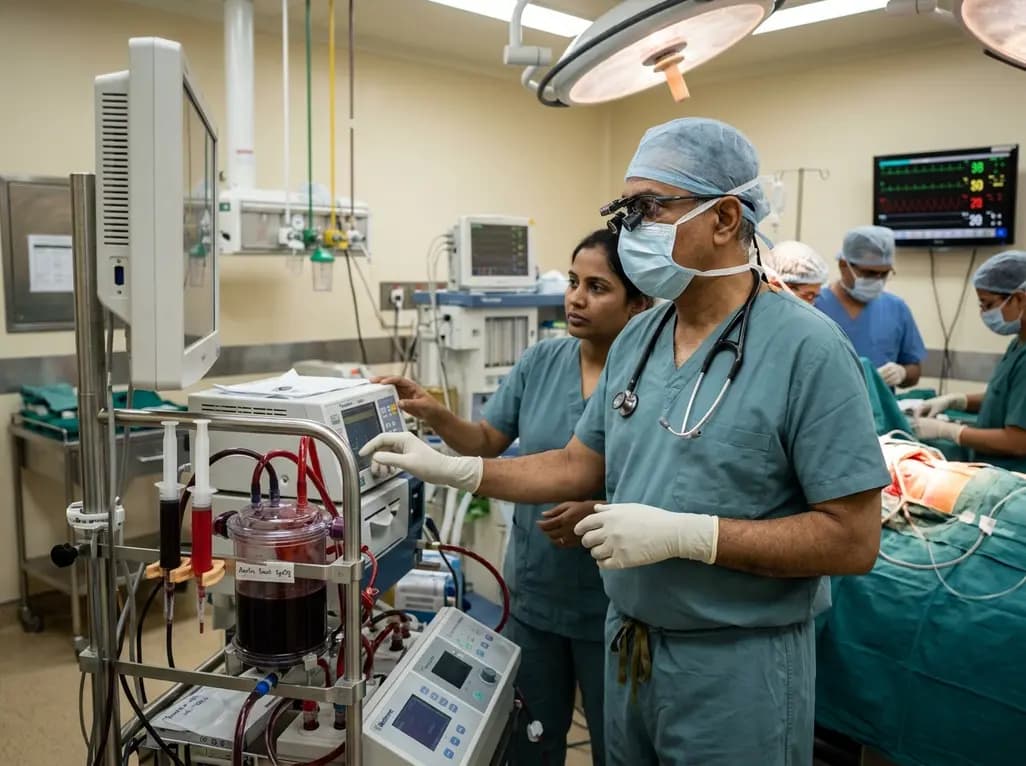
Differential oxygenation during peripheral TA-NRP can cause undetected coronary hypoxemia due to arch vessel clamping. A novel circuit with continuous aortic root monitoring detects desaturation early, facilitating left ventricular unloading and preventing allograft dysfunction and unnecessary heart discard.
Today
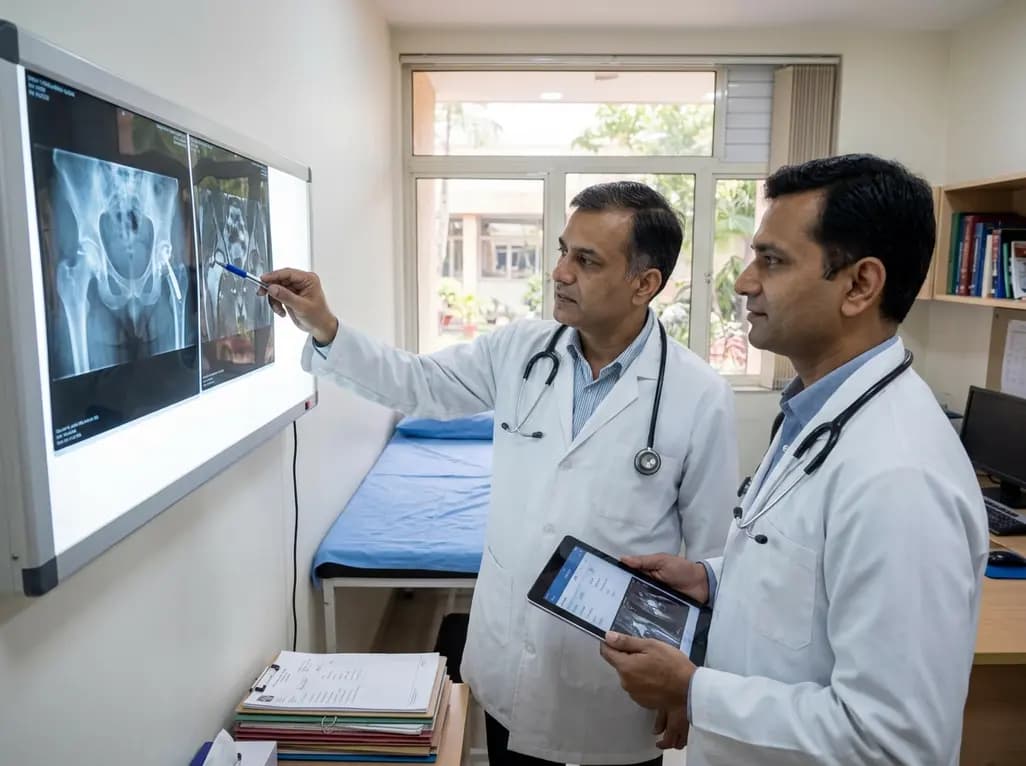
A longitudinal study reveals that patients undergoing staged bilateral hip arthroscopy experience progressive contralateral labral deterioration during surgical intervals. However, structural degradation does not compromise 2-year postoperative clinical outcomes or patient-reported satisfaction scores.
Today

A post hoc analysis of the PARM-T2D study shows pemafibrate exerts baseline-dependent effects on LDL-C and particle size in type 2 diabetes and hypertriglyceridemia. It lowers triglycerides and remnants while favorably remodeling atherogenic LDL particles based on initial lipid control status.
Today
