.webp&w=384&q=75)

Loading, please wait...
Loading, please wait...

Transgender individuals frequently encounter structural obstacles when seeking routine medical attention and preventive clinical services. Transgender healthcare discrimination remains a pervasive global issue that directly undermines treatment adherence and patient well-being. Within healthcare facilities, administrative hurdles, insensitive attitudes from staff, and refusal of clinical care often alienate gender-diverse patients. Consequently, vulnerable individuals delay necessary medical consultations until serious secondary complications emerge. Recent cross-sectional research from Indonesia reveals that twenty-one percent of transgender women report explicit discrimination during routine healthcare visits. These encounters encompass hurtful misgendering, invasive personal inquiries, and outright denial of essential clinical services. Moreover, many healthcare professionals lack formal clinical education regarding gender-affirming medical interventions. This persistent knowledge gap fosters an unsupportive environment for transgender individuals in both primary care and tertiary centers. Furthermore, unauthorized disclosure of patient gender identity during registration severely damages institutional trust. Therefore, medical practitioners must acknowledge how personal and institutional biases disrupt the therapeutic alliance. When clinics fail to ensure equitable and culturally safe treatment, transgender individuals experience heightened emotional and physical vulnerability. Recognizing these clinical hurdles is crucial for clinicians aiming to deliver equitable healthcare.
Recent empirical investigations highlight several socioeconomic and demographic determinants that drive discriminatory medical experiences. Specifically, a quantitative cross-sectional study evaluated the lived healthcare access experiences of two hundred and ten transgender women. The investigation revealed that twenty-one percent of respondents experienced tangible discrimination when seeking essential health services. Furthermore, multivariable statistical analysis confirmed that educational attainment and income status significantly correlate with discriminatory treatment. Individuals with limited educational qualifications and lower monthly income reported notably higher frequencies of negative provider interactions. These socioeconomic disparities intersect with gender identity, amplifying the barriers that patients face within busy clinical facilities. Additionally, financial constraints frequently restrict transgender individuals to overcrowded public facilities where provider prejudice is more prevalent. As a result, marginalized individuals face compounding disadvantages that diminish access to dignified care. Healthcare staff in overburdened public settings often hold unexamined negative stereotypes toward non-conforming patients. However, socioeconomic factors alone do not entirely explain these inequities. Institutional intake workflows, inadequate privacy partitions, and rigid binary registration systems perpetuate interpersonal friction. Consequently, healthcare organizations must overhaul outdated administrative practices and eliminate institutional gatekeeping to guarantee equitable care for all individuals.
Clinical data reveal that a documented history of sexually transmitted infections constitutes the strongest predictor of healthcare discrimination. Specifically, multivariable logistic regression identified that transgender women with a previous infection were nearly three times more likely to experience clinical bias. Within outpatient settings, healthcare providers frequently associate sexually transmitted infections with moral deviance. Consequently, this persistent moralizing judgment leads to pejorative remarks, prolonged waiting times, and discriminatory denial of physical examinations. Furthermore, previous exposure to interpersonal violence markedly amplifies these negative healthcare encounters. Many transgender women who experience physical, psychological, or domestic violence struggle to navigate traditional healthcare environments. Unfortunately, clinical providers rarely apply trauma-informed principles when conducting intimate examinations or obtaining sensitive sexual histories. When providers perform abrupt or insensitive physical examinations, they trigger severe emotional distress in trauma survivors. As a result, fear of mistreatment drives many patients to avoid essential sexual health screenings entirely. This clinical avoidance exacerbates undetected viral transmissions and worsens reproductive tract complications. Therefore, physicians must establish completely confidential, trauma-informed screening spaces. By removing moralistic judgment, clinicians can foster patient trust and improve community disease surveillance.
These international research findings offer vital lessons for physicians and clinical administrators practicing across India. The Transgender Persons Protection of Rights Act and National Medical Commission directives strictly mandate non-discriminatory healthcare delivery. Nevertheless, numerous transgender persons in India continue to encounter substantial interpersonal prejudice in hospitals and clinics. For example, transgender patients frequently report unauthorized disclosure of their identities and assignment to inappropriate inpatient wards. Moreover, clinical personnel often display hesitation or intrusive curiosity when conducting routine general examinations. To counter these systemic deficiencies, Indian medical professionals must adopt gender-affirming clinical guidelines. Front-desk staff require specific training to record preferred names, chosen titles, and pronouns respectfully. Additionally, clinicians must safeguard absolute confidentiality during medical consultations and history documentation. General practitioners should integrate established National AIDS Control Organisation protocols to deliver compassionate, non-judgmental sexual healthcare. Furthermore, physicians should provide comprehensive primary care, including metabolic disease screening, human papillomavirus vaccination, and mental health support. By fostering an atmosphere of unconditional clinical empathy, healthcare providers can dismantle barriers and ensure dignified care across all Indian clinical centers.
Dismantling systemic discrimination requires concerted actions involving institutional policy changes, professional medical education, and community partnerships. Healthcare organizations must adopt unambiguous non-discrimination charters that penalize biased conduct and establish confidential complaint mechanisms. Furthermore, hospitals should actively partner with local transgender community organizations to develop culturally congruent care programs. Community health navigators can assist transgender patients through registration procedures, clinical referrals, and regular follow-up visits. In addition, medical universities must modernize undergraduate curricula to provide dedicated instruction on transgender medicine and gender-affirming interventions. Early clinical exposure ensures that emerging physicians develop respectful communication skills and robust cultural sensitivity. Simultaneously, healthcare facilities must implement practical accommodations, including private examination rooms and accessible gender-neutral sanitation facilities. Family education and counseling programs also represent an indispensable element of broader social reform. Because familial rejection often pushes young transgender people into financial destitution, family counseling reduces domestic conflict and violence. Consequently, positive family dynamics improve mental health resilience and encourage proactive healthcare-seeking behaviors. Ultimately, building an inclusive healthcare landscape requires persistent institutional leadership, empathetic clinical interactions, and interdisciplinary collaboration.
Evidence indicates that healthcare discrimination against transgender women stems from several intersecting structural and interpersonal factors. Specifically, clinical studies identify lower household income, lower formal educational attainment, a documented history of sexually transmitted infections, and previous exposure to interpersonal violence as key drivers. In addition, inadequate professional training among healthcare staff fosters implicit bias, moral judgment, and insensitive communication, creating significant barriers to respectful and timely clinical care for gender-diverse individuals.
A documented history of sexually transmitted infections carries deep societal and clinical stigma that frequently clouds professional judgment. Healthcare workers may hold moralistic attitudes regarding sexual behaviors, which leads to judgmental remarks, prolonged waiting times, or outright refusal to conduct physical examinations. Consequently, patients with prior infections experience acute prejudice during clinical encounters, discouraging them from seeking vital sexual healthcare, diagnostic screening, and regular medical follow-up at formal health facilities.
Indian clinicians can establish safe clinical environments by implementing gender-affirming documentation protocols, honoring preferred names, and using correct pronouns during consultations. Additionally, healthcare facilities must ensure absolute confidentiality, establish gender-neutral facilities, and deliver judgment-free sexual health screenings aligned with National AIDS Control Organisation recommendations. Ongoing staff sensitivity training, combined with trauma-informed clinical examination techniques, further helps dismantle systemic bias and fosters lasting therapeutic trust between medical teams and transgender communities.
Disclaimer: This content is for informational and educational purposes only... Refer to the latest local and national guidelines for clinical practice.
References

Read summarized clinical updates, watch expert medical content, and earn CME certifications right from your smartphone.
Open your smartphone camera to scan and install.





A recent cross-sectional study reveals that 21% of transgender women encounter healthcare discrimination, with prior STIs showing the strongest association (AOR 2.812). We analyze the structural drivers of bias, intersectional stigmas, and practical steps for clinicians in India to foster inclusive healthcare.
Today
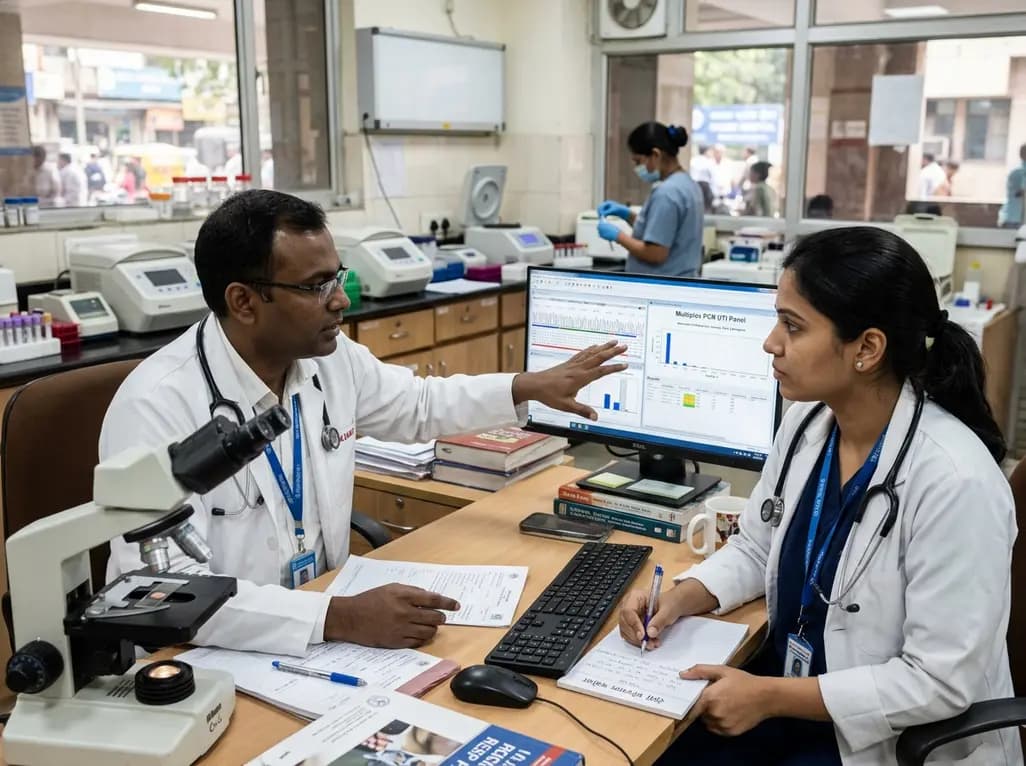
A systematic review evaluated molecular testing for UTIs across 12 clinical and microbiological studies. While PCR provides rapid results and symptom reduction, low specificity and industry sponsorship leave clinical utility uncertain.
Today
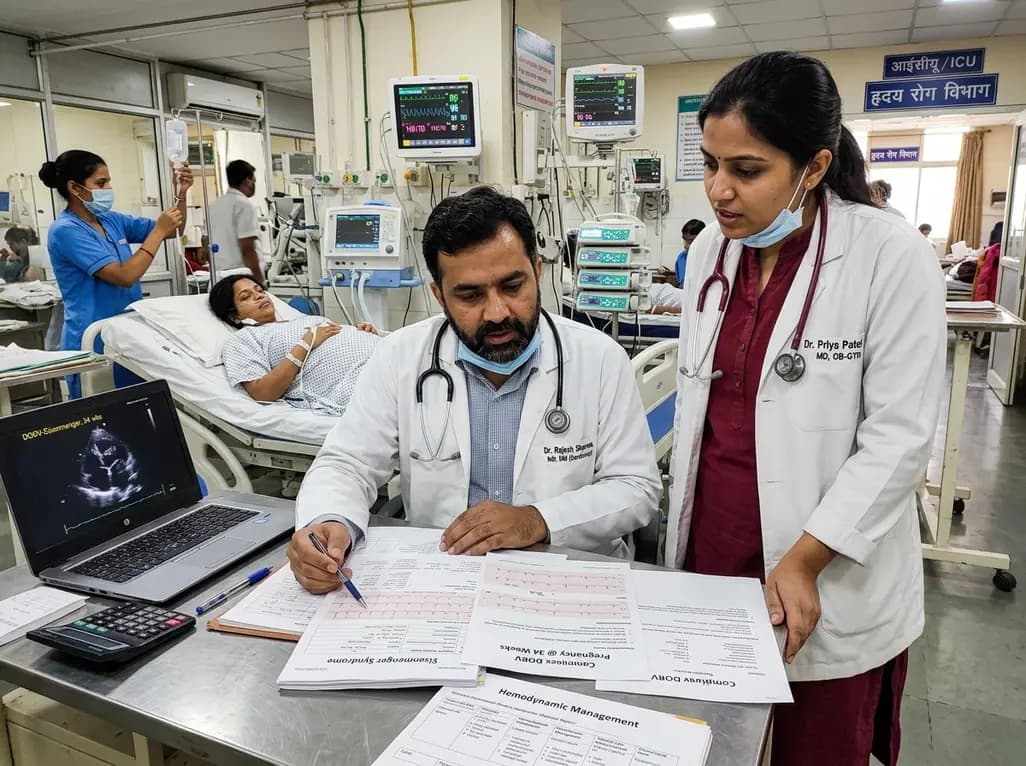
A recent case highlights favorable maternal and neonatal survival in a patient presenting at 34 weeks with probable Eisenmenger physiology and suspected double outlet right ventricle (DORV). Here is a critical review of hemodynamic challenges, delivery strategies, and peripartum management in complex cardiac disease.
Today

An updated systematic review and meta-analysis of 7,875 patients reveals that routine microaxial left ventricular support during nonemergent high-risk PCI does not reduce mortality or ischemic complications, while significantly increasing major bleeding events.
Yesterday
Systematic review comparing labral repair and reconstruction in primary hip arthroscopy shows comparable short- to mid-term patient-reported outcomes, with lower THA conversion after repair but superior outcomes for reconstruction in patients aged 40 and older.
Today
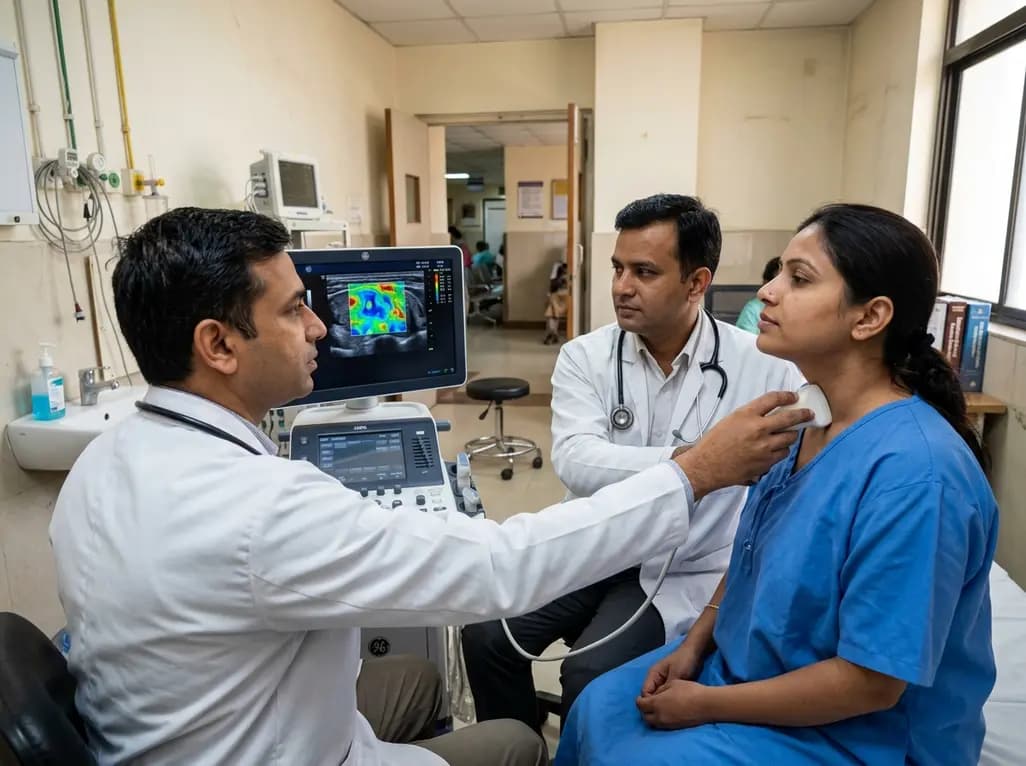
Subacute thyroiditis presents diagnostic dilemmas when differentiating it from malignancy or chronic thyroiditis. Discover how 2D shear wave elastography provides quantitative tissue stiffness metrics that enhance diagnostic accuracy and assist in tracking disease resolution during therapy.
Today
