.webp&w=384&q=75)

Loading, please wait...
Loading, please wait...

Suicide remains one of the leading causes of mortality among adolescents worldwide, creating an urgent need for robust prognostic tools. Recent findings from the Texas Youth Depression and Suicide Research Network offer pivotal insights into the longitudinal trajectories of suicidal thoughts among adolescents seeking clinical care. Clinicians frequently evaluate young individuals who present with depressive symptoms, yet determining who will experience persistent suicidality remains remarkably challenging. Traditional risk assessment often relies on cross-sectional evaluations that capture only a transient snapshot of distress. Consequently, practitioners struggle to anticipate clinical evolution over extended periods. The landmark multicenter cohort study addressed this gap by tracking 1,449 depressed and suicidal youth over six months. By monitoring these patients prospectively, researchers evaluated whether baseline clinical interviews and self-reported psychological markers could predict longitudinal symptom courses. Ultimately, the investigation established empirical models that successfully distinguish adolescents requiring standard monitoring from those needing urgent psychiatric intervention.
To evaluate longitudinal symptom patterns, researchers employed group mixture modeling across four follow-up visits over six months. The study cohort presented a mean age of 15.6 years, with females comprising nearly 73% of participants. Importantly, the analysis identified three distinct trajectories of suicidal thoughts among these adolescents. Specifically, 43.3% of the cohort belonged to a persistently no suicidal thoughts trajectory throughout the six-month observation window. Furthermore, 44.2% followed a persistently low ideation course, exhibiting mild or transient symptoms that rarely reached dangerous thresholds. However, approximately 12.4% of the participants maintained persistently high suicidal thoughts across all time points. This high-risk subpopulation carried severe, unremitting ideation that resisted spontaneous remission. Therefore, recognizing these disparate paths allows clinicians to understand that adolescent suicidality does not follow a uniform course. Rather, patients diverge into distinct clinical groups, each presenting unique risks and treatment requirements. Early trajectory identification helps physicians allocate limited mental health resources efficiently.
After establishing the three distinct courses, investigators trained Random Forest machine learning models to identify baseline clinical predictors. They split the cohort into training (two-thirds) and validation (one-third) samples to prevent overfitting and ensure external validity. Interestingly, demographic factors alone failed to predict which adolescents would remain severely suicidal. Instead, self-reported severity of suicide propensity emerged as the most decisive predictive component. This propensity metric integrated pessimism, helplessness, perceived lack of social support, and severe emotional despair. In addition, researchers observed that integrating baseline structured clinical interviews alongside these self-reported affective states significantly enhanced predictive power. As a result, the model achieved an area under the curve (AUC) of 0.87 for predicting persistently high suicidal thoughts in both training and validation cohorts. Similarly, the model predicted the persistently no ideation group with an AUC of 0.80 to 0.83. Consequently, combining objective interviewer metrics with subjective emotional measures yields unprecedented prognostic precision.
The findings emphasize that specific cognitive and psychological constructs govern suicidal persistence more than general depressive affect alone. For example, pessimism and helplessness reflect a pervasive cognitive belief that circumstances cannot improve. When adolescents experience these beliefs alongside acute despair, their problem-solving capacity diminishes rapidly. Moreover, perceived lack of social support isolates vulnerable youth from protective interpersonal buffers. While many pediatric patients report transient sadness or situational distress, the convergence of despair, loneliness, and helplessness signals malignant psychiatric distress. In clinical environments, practitioners often focus heavily on overt physical symptoms or standard diagnostic checklists. Nevertheless, this research indicates that internal cognitive states represent the true harbingers of chronic suicidality. Therefore, clinicians must delve into the adolescent's internal emotional landscape. When a young patient expresses deep pessimism and social disconnection, physicians should suspect an entrenched suicidal trajectory and intensify monitoring accordingly.
Integrating advanced predictive modeling into everyday clinical workflows holds immense potential for pediatric and adolescent healthcare. Rather than relying on unstructured intuition, clinicians can administer targeted screening tools that capture subjective despair and perceived isolation. For instance, brief validated questionnaires completed in the waiting area can flag elevated baseline suicide propensity before the physician enters the examination room. Subsequently, the practitioner can conduct a focused clinical interview to verify symptom severity and validate the findings. Furthermore, this dual-layered approach establishes an evidence-based risk profile without burdening clinic staff. Patients flagged for persistently high suicidal thoughts require rapid escalation, including immediate safety planning, lethal means restriction, and intensive psychotherapeutic referral. Conversely, adolescents exhibiting persistently absent or low trajectories can safely receive standard outpatient care and watchful waiting. Thus, algorithmic risk stratification enables clinicians to tailor interventions proportional to actual prognostic risk.
These research findings provide timely insights for healthcare providers in low- and middle-income regions like India, where adolescent mental health challenges are escalating rapidly. Academic pressure, social media stress, and changing family structures generate substantial distress among Indian youth. However, specialized child and adolescent psychiatrists remain scarce in most districts. Consequently, primary care physicians, general practitioners, and pediatricians manage the bulk of adolescent emotional crises. By incorporating simple questions regarding pessimism, helplessness, and perceived lack of support, Indian clinicians can rapidly identify vulnerable teenagers. Moreover, engaging families becomes paramount, as family cohesion serves as a powerful protective factor in the cultural context. Primary care centers can implement brief, structured screening protocols during routine health evaluations or academic stress assessments. Ultimately, early identification of chronic suicidal trajectories empowers Indian physicians to initiate timely interventions, mobilize community resources, and save lives.
Researchers identified three primary longitudinal courses across six months: persistently no suicidal thoughts, persistently low suicidal thoughts, and persistently high suicidal thoughts. Nearly eighty-eight percent of youths remained in the non-elevated or low tiers, whereas over twelve percent experienced chronic, severe suicidal thoughts that required proactive, specialized clinical management.
The Random Forest algorithm demonstrated that self-reported cognitive and affective factors, such as pessimism, perceived lack of social support, helplessness, and acute despair, strongly drove classification. When clinicians combined these self-reported symptoms with a structured clinical interview, the predictive model achieved an outstanding area under the curve of 0.87.
General physicians and pediatricians should combine structured suicide screening interviews with brief questionnaires capturing despair, perceived isolation, and pessimism. Identifying severe cognitive patterns early enables clinicians to triage high-risk adolescents quickly, implement safety planning immediately, engage family support networks, and arrange urgent psychiatric consultations before crisis escalation occurs.
Disclaimer: This content is for informational and educational purposes only. It does not constitute medical advice, diagnosis, or treatment. Healthcare professionals must exercise independent clinical judgment. Refer to the latest local and national guidelines for clinical practice.
References
Minhajuddin A et al. Predictors of trajectories of suicidal thoughts in Texas youth depression and suicide research network youth. Psychol Med. 2026 Sep 24. doi: 10.1017/S0033291726105716. PMID: 42779473.
Trivedi MH, Walker RA, Jha MK, et al. Texas Youth Depression and Suicide Research Network (TX-YDSRN) research registry and learning healthcare network: Rationale, design, and baseline characteristics. Contemp Clin Trials Commun. 2023;36:101222.
Bilsen J. Suicide and youth: Risk factors. Front Psychiatry. 2018;9:540.
World Health Organization. Preventing suicide: A global imperative. Geneva: World Health Organization; 2014.

Read summarized clinical updates, watch expert medical content, and earn CME certifications right from your smartphone.
Open your smartphone camera to scan and install.





A new Texas Youth Depression and Suicide Research Network study identified three distinct trajectories of suicidal thoughts in youth. Machine learning models using clinical interviews and self-reported despair, pessimism, and lack of support achieved high prognostic accuracy over six months.
Today
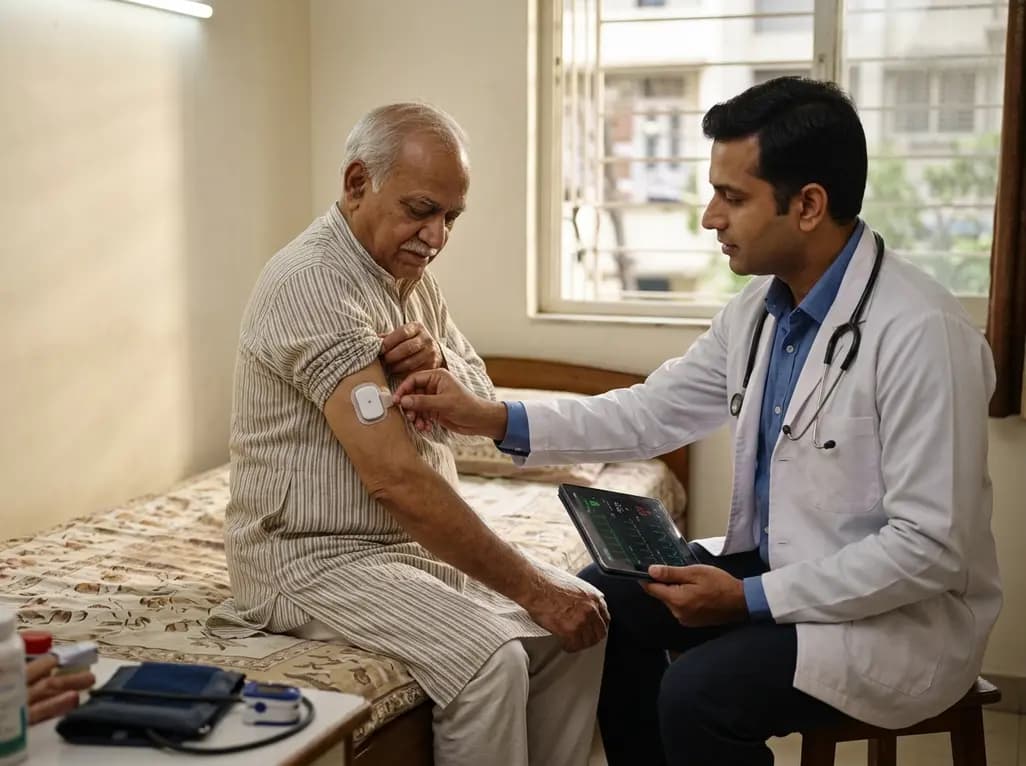
A feasibility study evaluates remote vital sign monitoring in acute hospital at home patients. Continuous wearable patches captured heart rate and respiratory rate with high adherence (89% and 75%), significantly exceeding manual spot checks for blood pressure, oxygen saturation, and temperature.
Today

A scoping review evaluates 116 studies on AI in women's reproductive health, finding that 83.6% carry high risk of bias. While ensemble models show promise, disparities and lack of validation hinder LMIC deployment.
Today
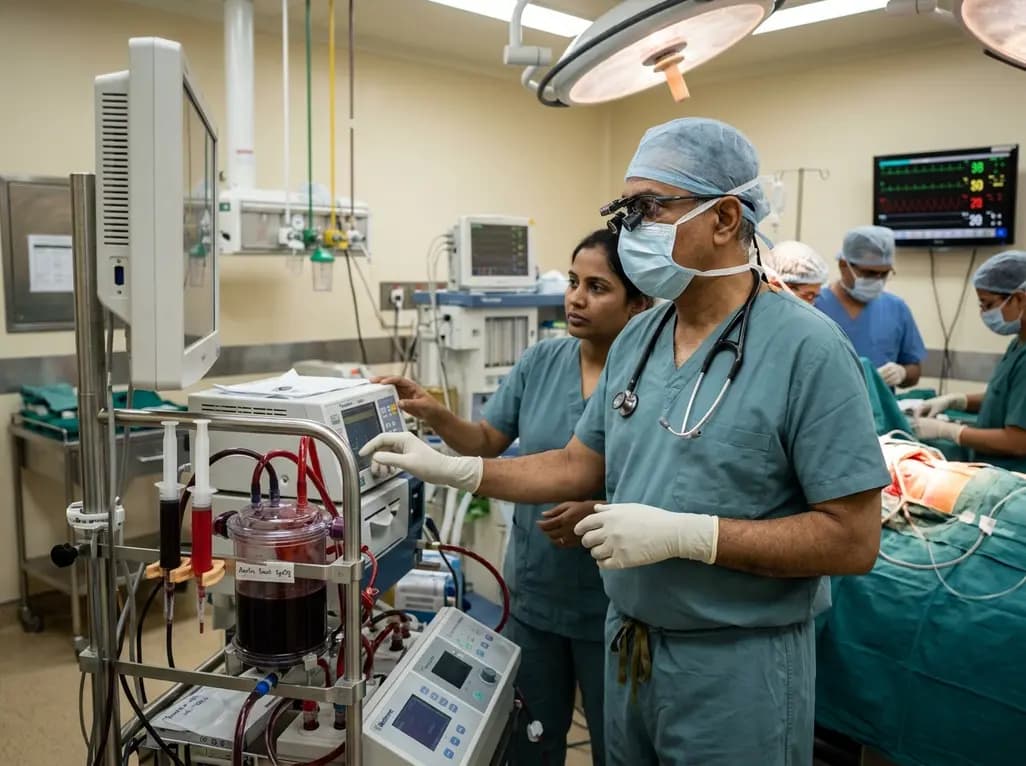
Differential oxygenation during peripheral TA-NRP can cause undetected coronary hypoxemia due to arch vessel clamping. A novel circuit with continuous aortic root monitoring detects desaturation early, facilitating left ventricular unloading and preventing allograft dysfunction and unnecessary heart discard.
Today
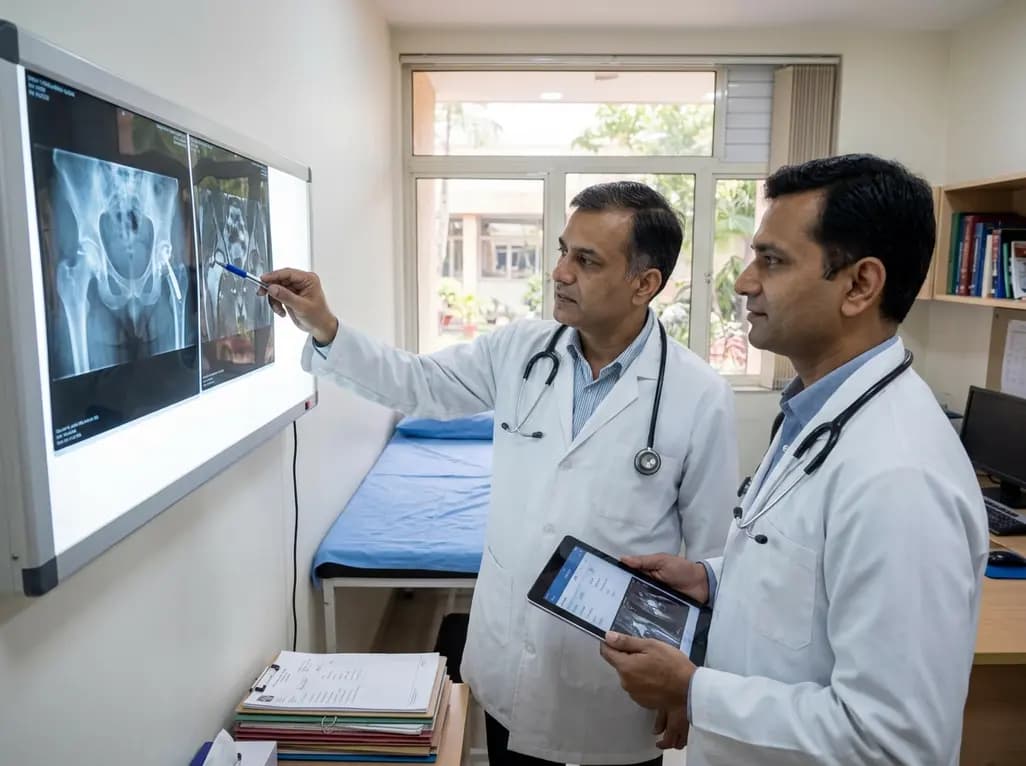
A longitudinal study reveals that patients undergoing staged bilateral hip arthroscopy experience progressive contralateral labral deterioration during surgical intervals. However, structural degradation does not compromise 2-year postoperative clinical outcomes or patient-reported satisfaction scores.
Today

A post hoc analysis of the PARM-T2D study shows pemafibrate exerts baseline-dependent effects on LDL-C and particle size in type 2 diabetes and hypertriglyceridemia. It lowers triglycerides and remnants while favorably remodeling atherogenic LDL particles based on initial lipid control status.
Today
