.webp&w=384&q=75)

Loading, please wait...
Loading, please wait...
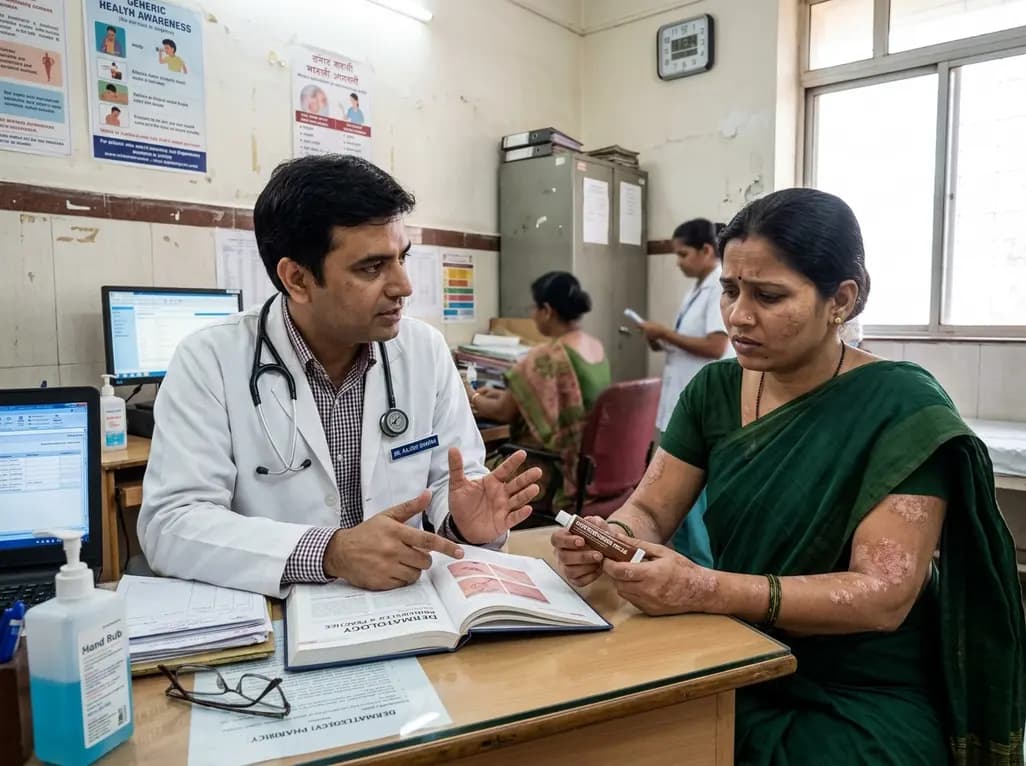
Topical corticosteroids remain the initial cornerstone of medical therapy for mild-to-moderate plaque psoriasis across outpatient dermatology clinics. However, clinician efforts to achieve remission frequently encounter non-adherence driven by topical steroid phobia. When patients harbor irrational anxieties or legitimate concerns regarding medication safety, treatment compliance plummets dramatically. Recent cross-sectional evidence from Siriraj Hospital in Thailand illuminates this therapeutic dilemma among adult psoriasis patients. Consequently, treating physicians must understand the measurable determinants of this widespread anxiety. By evaluating standardized phobia scores and documented adverse effects, healthcare providers can tailor risk communication, restore patient trust, and optimize therapeutic adherence in daily practice.
The validated Topical Corticosteroid Phobia (TOPICOP) scale provides an objective psychometric instrument to quantify patient apprehensions across international cohorts. In the Siriraj Hospital investigation of 150 adults with psoriasis, investigators observed an overall mean TOPICOP score of 17.1 out of 36, representing 47.5% severity. Furthermore, forty percent of participants openly reported an explicit fear of using prescribed topical corticosteroids. These findings demonstrate that corticophobia is not confined to pediatric atopic eczema but deeply affects adult psoriasis management as well.
Patients frequently internalize warnings from non-medical acquaintances, social media channels, and misleading package inserts. Therefore, generalized anxieties quickly translate into erratic dosing habits and deliberate under-application. Because psoriasis requires consistent anti-inflammatory suppression during acute exacerbations, substandard adherence guarantees persistent disease activity. Moreover, uncontrolled plaques provoke sustained systemic inflammation and emotional distress. Consequently, clinicians must recognize that patient hesitation reflects genuine anxiety rather than passive negligence. Systematically identifying these baseline fears with structured clinical questions enables timely, empathetic therapeutic guidance before treatment failure occurs.
Interestingly, patient fear often stems from genuine physical manifestations rather than groundless rumors. The study revealed that dermatologist-confirmed adverse events were present in exactly half of all enrolled participants. Skin atrophy emerged as the single most common objective complication documented during clinical evaluation. Notably, patients exhibiting verified adverse effects demonstrated significantly higher TOPICOP scores than those without complications (18.1 versus 16.0). Thus, direct personal experience with cutaneous damage strongly reinforces medication aversion.
Additionally, anatomical location plays an influential role in aggravating topical steroid phobia. Patients presenting with facial psoriasis exhibited significantly elevated phobia scores compared to individuals with purely trunk or limb disease (18.1 versus 16.3). The facial epidermis possesses exceptional fragility, marked vascularity, and high cosmetic visibility. Consequently, patients fear disfiguring cutaneous changes such as telangiectasia, perioral dermatitis, and accelerated thinning on facial contours. When physicians fail to acknowledge these anatomical vulnerabilities, patients often abruptly discontinue all prescribed topical agents. Therefore, prescribing clinicians must exercise extra caution, outline specific regional treatment limits, and offer safer formulation alternatives for delicate skin zones.
The cross-sectional investigation revealed a statistically significant positive correlation between TOPICOP scores and the Dermatology Life Quality Index. Psoriasis imposes a severe psychosocial burden, contributing to social stigmatization, chronic pruritus, and workplace difficulties. Therefore, patients experiencing profound lifestyle impairment simultaneously display heightened sensitivity toward potential therapeutic risks. When severe disease destabilizes emotional well-being, patients paradoxically fear that medical interventions might cause additional cutaneous harm. This complex interplay between emotional distress and medication hesitation creates a self-reinforcing cycle of uncontrolled flares and heightened anxiety.
Furthermore, investigators observed a compelling demographic correlation: higher educational attainment correlated directly with increased TOPICOP scores. More educated individuals frequently conduct independent digital research regarding drug safety profiles, systemic absorption, and adrenal suppression. Unfortunately, uncurated online health content often emphasizes severe adverse effects while omitting safe usage parameters and proper application techniques. As a result, educated patients accumulate disproportionate worries regarding therapeutic toxicity. Clinicians must actively counteract this digital misinformation during consultations. Rather than providing perfunctory prescriptions, practitioners must supply clear, nuanced, and scientifically grounded pharmacology counseling to satisfy analytical inquiries.
The findings offer vital clinical lessons for practitioners managing psoriasis across Indian healthcare settings. In India, physicians face an intriguing clinical paradox involving topical corticosteroids. On one end of the spectrum, rampant over-the-counter dispensing fuels widespread misuse, leading to steroid-modified fungal infections and severe cutaneous damage. Conversely, educated chronic disease patients frequently develop intense topical steroid phobia after encountering alarming medical news or witnessing misuse complications among peers.
Consequently, Indian dermatologists and family physicians must strike a delicate therapeutic balance between preventing misuse and discouraging irrational avoidance. Many patients abandon necessary topical therapies because they conflate supervised short-term therapy with illicit over-the-counter abuse. Furthermore, hot and humid conditions across various Indian states can increase skin sensitivity, potentially elevating local irritation when using improper ointment vehicles. Thus, physicians should proactively query patients regarding their safety expectations, past side effects, and social support beliefs. Differentiating controlled medical therapy from unmonitored self-medication empowers Indian patients to adhere comfortably to their prescribed psoriasis regimens.
To overcome entrenched medication hesitancy, medical teams must implement structured, reproducible patient education protocols during every clinical visit. First, practitioners should demystify application quantity by demonstrating the standard fingertip unit system. One fingertip unit reliably covers two adult handprints, preventing unintentional overdosing while ensuring adequate therapeutic coverage. Second, clinicians must replace ambiguous directions like "apply sparingly" with clear, scheduled treatment intervals. Unclear instructions typically aggravate patient doubt, whereas precise calendars delineate exactly when to taper or pause medication safely.
Moreover, written action plans reinforce verbal instructions and minimize forgetfulness after patients leave the consulting room. Clinicians should explicitly explain that short courses of potent corticosteroids rapidly clear active plaques without inducing irreversible skin atrophy. Emphasizing that cutaneous thinning requires weeks of unmonitored daily application reassures frightened individuals. Additionally, combining potent corticosteroids with robust daily emollients accelerates epidermal barrier repair and decreases overall steroid requirements. When patients understand the exact pharmacologic goals and safety boundaries, their therapeutic confidence grows, and treatment adherence improves substantially.
Sustained psoriasis management frequently demands strategic long-term planning beyond acute crisis intervention. While potent topical corticosteroids provide rapid symptom control, maintenance therapy often requires steroid-sparing alternatives to mitigate cutaneous atrophy. Clinicians can confidently introduce topical calcineurin inhibitors, such as tacrolimus or pimecrolimus, particularly for intertriginous and facial plaques. Because these non-steroidal anti-inflammatory formulations carry no risk of skin thinning, their incorporation directly alleviates corticophobia in cosmetically sensitive areas.
Similarly, fixed-dose combinations containing vitamin D analogs like calcipotriol alongside corticosteroids deliver synergistic efficacy while reducing cumulative steroid exposure. Once acute inflammatory plaques flatten, physicians can transition patients toward proactive weekend-only application or non-steroidal maintenance strategies. Regular follow-up appointments allow clinicians to inspect treated sites, confirm absence of atrophy, and recalibrate treatment intensity. By guiding patients through planned step-down protocols, healthcare providers dismantle irrational fears, protect cutaneous integrity, and secure durable disease control across diverse clinical cohorts.
Topical steroid phobia significantly decreases patient adherence to prescribed treatment regimens. When patients fear adverse events like skin atrophy, they frequently apply insufficient medication or discontinue therapy entirely. Consequently, underlying psoriatic plaques fail to resolve, prolonging inflammation, severe pruritus, and psychological distress. This untreated disease activity often prompts unnecessary escalation to complex systemic drugs, whereas consistent, supervised topical application would have successfully controlled localized lesions.
Recent clinical evidence demonstrates that dermatologist-confirmed adverse effects, especially cutaneous atrophy, significantly elevate phobia scores. Additionally, facial involvement provokes severe hesitation because patients dread visible, irreversible disfigurement on delicate skin zones. Higher educational background also correlates with heightened anxiety due to unguided online research. Finally, patients experiencing substantial quality of life impairment display higher phobia levels, reflecting intense distress and treatment vulnerability.
Clinicians can utilize the validated TOPICOP scale, a concise psychometric questionnaire assessing knowledge, explicit fears, and behavioral patterns regarding topical corticosteroids. In busy outpatient environments, physicians can screen patients by inquiring directly about past adverse experiences, application uncertainties, and digital information sources. Identifying specific misconceptions early enables practitioners to offer targeted reassurance, demonstrate correct fingertip units, and outline clear treatment durations before non-adherence compromises clinical outcomes.
Disclaimer: This content is for informational and educational purposes only... Refer to the latest local and national guidelines for clinical practice.
References

Read summarized clinical updates, watch expert medical content, and earn CME certifications right from your smartphone.
Open your smartphone camera to scan and install.





A cross-sectional study in adult psoriasis patients reveals that topical steroid phobia is widespread, driving treatment non-adherence. Skin atrophy, facial involvement, and higher education amplify fear, highlighting the need for targeted physician communication and structured corticosteroid education.
Today

A retrospective study shows that symptom-monitored loading with lorazepam, chlordiazepoxide, or gabapentin significantly reduces hospital length of stay compared to CIWA-Ar-only therapy in severe alcohol withdrawal, providing a safer, more proactive management strategy.
Today

A retrospective cohort study of 5,481 children aged 3–6 years evaluated whether surgical sperm retrieval for ICSI affects offspring cognitive and physical growth compared with ejaculated sperm and IVF. Results demonstrate comparable IQ scores and growth parameters, providing reassuring safety evidence for clinical practice.
Today
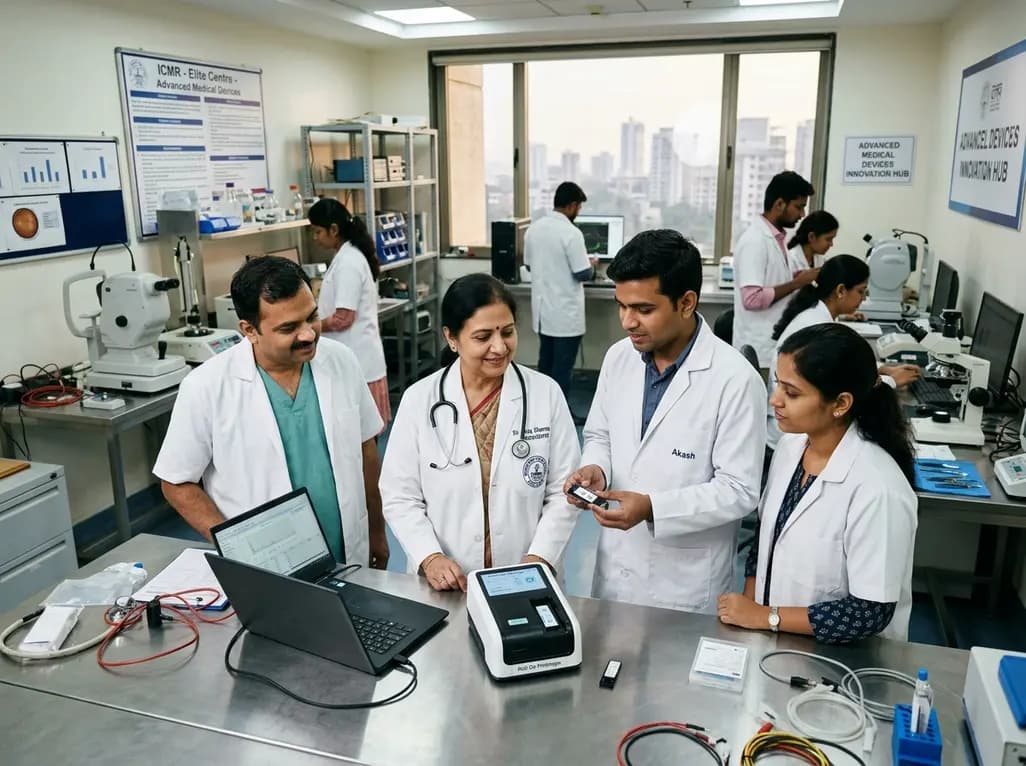
The Indian Council of Medical Research has funded seven top academic hubs to build indigenous healthcare technologies. Targeting point-of-care diagnostics, biomaterials, and ophthalmology, these multidisciplinary centres aim to tackle unmet clinical needs and make medical care affordable across India.
Today

A meta-analysis evaluates the impact of preoperative transthoracic echocardiography on surgical delay and hospital stay in geriatric hip fracture patients. Evidence emphasizes balancing cardiac workups against operative urgency and adhering to clinical guidelines.
Today

A multicenter cross-sectional study of 1,315 adults with type 1 diabetes reveals that the GMI/HbA1c ratio does not independently predict microvascular complications. Clinicians should prioritize sustained time in range and blood pressure management over glycation discordance metrics.
Today
