

Loading, please wait...
Loading, please wait...
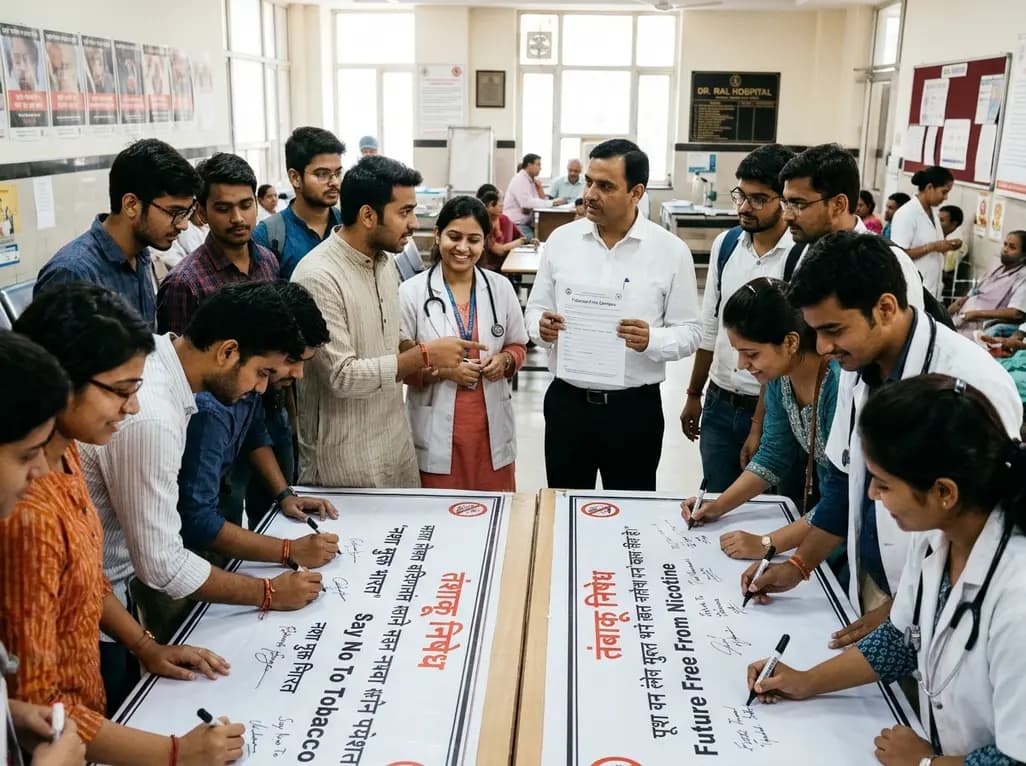
The Union Ministry of Health and Family Welfare recently launched the Tobacco-Free Youth Campaign in New Delhi. Union Minister of State for Health Prataprao Jadhav inaugurated this national 60-day initiative at Dr. Ram Manohar Lohia Hospital. Furthermore, this movement seeks to prevent tobacco initiation among young individuals. It also supports tobacco cessation and fosters smoke-free environments across educational campuses and rural communities.
The Tobacco-Free Youth Campaign protects adolescents from the consequences of chronic nicotine dependence. Health authorities recognize that young people represent a vulnerable demographic targeted by tobacco marketing. Therefore, this annual 60-day national drive mobilizes multi-sectoral partnerships across ministries and civic bodies.
Specifically, the campaign focuses on six core strategic pillars. These pillars include mass public awareness, tobacco-free educational institutions, and tobacco-free villages. Furthermore, the strategy mandates stringent enforcement of tobacco control laws. It also prioritizes social media outreach and direct engagement with university students.
Previous campaign editions produced substantial public health achievements. In fact, over 5.8 lakh educational campuses and 73,000 villages declared tobacco-free status over three years. The fourth edition places special emphasis on higher educational institutions and universities. Consequently, youth ambassadors will lead peer-to-peer advocacy drives, organizing campus rallies and pledge programs. By converting health promotion into a mass youth movement, policymakers aim to reduce national consumption rates permanently. Additionally, community leaders assist local authorities in monitoring tobacco vendors near schools. Thus, civic participation reinforces institutional accountability across urban and rural sectors.
Nicotine exposure during adolescence poses severe risks to neurodevelopment and long-term systemic physiology. During adolescent brain maturation, nicotine disrupts neural circuitry regulating attention, impulse control, and working memory. Consequently, young consumers display heightened susceptibility to lifelong addiction and secondary psychiatric comorbidities.
Moreover, combustible tobacco smoke releases over 7,000 toxic chemicals into human airways. These compounds contain dozens of established carcinogens, including benzene, nitrosamines, and aromatic hydrocarbons. Thus, tobacco consumption drives chronic inflammatory cascades that damage cardiovascular endothelial linings. In addition, it accelerates pulmonary tissue destruction and respiratory decline. Patients inevitably face elevated risks of chronic obstructive pulmonary disease, coronary events, and diverse malignancies.
Furthermore, clinicians frequently witness the adverse health burdens caused by passive second-hand smoke exposure. Family members residing with active smokers inhale dangerous levels of fine particulate toxins. Second-hand smoke triggers recurrent pediatric respiratory infections, severe asthma exacerbations, and premature atherosclerosis in non-smoking adults. Therefore, healthcare providers emphasize that smoking cessation protects whole families rather than solitary individuals. Preventing tobacco experimentation during school years halts these devastating pathological sequences before permanent tissue injury occurs.
Legislative frameworks provide essential backing for preventive public health programs across India. The Cigarettes and Other Tobacco Products Act of 2003 establishes crucial restrictions against tobacco commerce and visibility. Specifically, Section 4 of COTPA strictly bans smoking in designated public places. This statutory rule protects innocent citizens from involuntary second-hand smoke exposure.
Furthermore, Section 6 prohibits the sale of tobacco products to minors. It also forbids vendor stalls within 100 yards of all educational institutions. During the 2025 campaign edition, authorities conducted more than 58,000 enforcement drives across several states. These rigorous operations generated over 1.45 lakh challans under Section 4 and collected substantial regulatory fines. In addition, officials trained more than 60,000 enforcement personnel and cessation counselors to sustain compliance.
Meanwhile, the campaign vigorously enforces the Prohibition of Electronic Cigarettes Act of 2019. Modern electronic nicotine delivery systems deliberately attract adolescents through sleek designs and sweet flavors. Nevertheless, law enforcement teams actively seize illicit e-cigarettes and penalize unlawful distribution networks. By closing distribution loopholes near campuses, regulators protect susceptible youth from predatory marketing ploys.
Educational environments must provide safe, health-promoting spaces free from commercial substance promotion. Therefore, the Ministry of Health and Family Welfare formulated detailed Tobacco-Free Educational Institutions guidelines. These benchmark criteria guide school administrators and university vice-chancellors toward verifiable institutional compliance.
First, institutions must erect visible signage at campus entrances declaring the premises entirely smoke-free. Additionally, management must clearly display the designated reporting monitor's contact details on these signboards. This measure enables students and staff to register violations without delay. Furthermore, schools must ensure that zero tobacco sales occur within the statutory 100-yard boundary zone. To achieve this, student health committees regularly inspect perimeter boundaries to deter clandestine vendor stalls.
Moreover, academic institutions incorporate regular anti-tobacco activities into their scholastic calendars. For instance, teachers coordinate essay competitions, poster exhibitions, and street plays highlighting tobacco hazards. During assembly gatherings, students and faculty recite the national 'Say No to Tobacco' pledge. Health experts confirm that establishing tobacco-free campuses drastically reduces peer initiation. Consequently, institutional adherence creates enduring protective buffers throughout critical developmental years.
Medical professionals occupy the front lines of the national campaign against tobacco dependence. Every clinical encounter represents an invaluable teachable moment for preventive health counseling. Therefore, physicians, pediatricians, oncologists, and general practitioners should routinely integrate the 5A cessation framework into daily practice. This structured method involves asking about tobacco use, advising cessation, assessing readiness, assisting attempts, and arranging follow-up.
Furthermore, clinicians must actively dispel widespread adolescent myths regarding smokeless tobacco and novel electronic alternatives. Many young patients erroneously consider hookahs, gutkha, or heated tobacco products harmless recreational habits. However, doctors must clearly explain the risks of oral submucous fibrosis, leukoplakia, and cardiovascular damage. Additionally, practitioners can connect motivated quitters with national resources, including toll-free quitlines and specialized cessation clinics.
In community healthcare settings, medical staff collaborate with local Panchayati Raj institutions and student volunteers. Healthcare workers conduct routine health screenings in rural villages, detecting precancerous mucosal lesions through oral visual examinations. Simultaneously, medical colleges can establish dedicated youth de-addiction kiosks offering behavioral therapy and nicotine replacement options. Through proactive screening and empathetic guidance, healthcare professionals empower young individuals to achieve lasting tobacco cessation.
Q1: What are the primary objectives of the Tobacco-Free Youth Campaign?
The Tobacco-Free Youth Campaign aims to prevent tobacco initiation among young individuals, support active tobacco cessation, and enforce statutory tobacco control regulations across India. Furthermore, it mobilizes university students to lead community anti-tobacco advocacy drives. The initiative actively establishes tobacco-free educational institutions and smoke-free villages. Consequently, these coordinated multi-sectoral actions protect adolescents from toxic nicotine exposure and curb long-term chronic disease burdens across diverse populations.
Q2: How does adolescent nicotine exposure affect long-term brain health?
Adolescent nicotine exposure disrupts crucial neurodevelopmental processes occurring within the prefrontal cortex during maturation. Specifically, nicotine alters neurotransmitter signaling networks that govern attention, working memory, emotional regulation, and impulse control. Consequently, exposed adolescents face heightened risks of severe lifelong substance addiction, learning impairments, and persistent behavioral disorders. Preventing tobacco experimentation during these critical developmental windows preserves optimal cognitive functioning and prevents long-lasting structural neuronal alterations.
Q3: What guidelines must educational institutions follow to achieve tobacco-free status?
Educational institutions must comply with official Tobacco-Free Educational Institutions guidelines issued by the Union Health Ministry. First, institutions must erect mandatory smoke-free signage displaying designated tobacco monitor contact details across all campus premises. Additionally, administrators must strictly prevent the sale of tobacco products within a 100-yard perimeter radius. Furthermore, schools must conduct regular student awareness programs and enforce strict institutional penalties against any on-campus tobacco use.
Disclaimer: This content is for informational and educational purposes only. It does not constitute medical advice or replace professional judgment. Refer to the latest local and national guidelines for clinical practice.
References

Read summarized clinical updates, watch expert medical content, and earn CME certifications right from your smartphone.
Open your smartphone camera to scan and install.





Union Minister Prataprao Jadhav launched the fourth edition of the 60-day Tobacco-Free Youth campaign at Dr RML Hospital. The nationwide initiative strengthens COTPA enforcement, promotes tobacco-free educational institutions, and mobilizes university students to eliminate nicotine dependence across communities.
Today
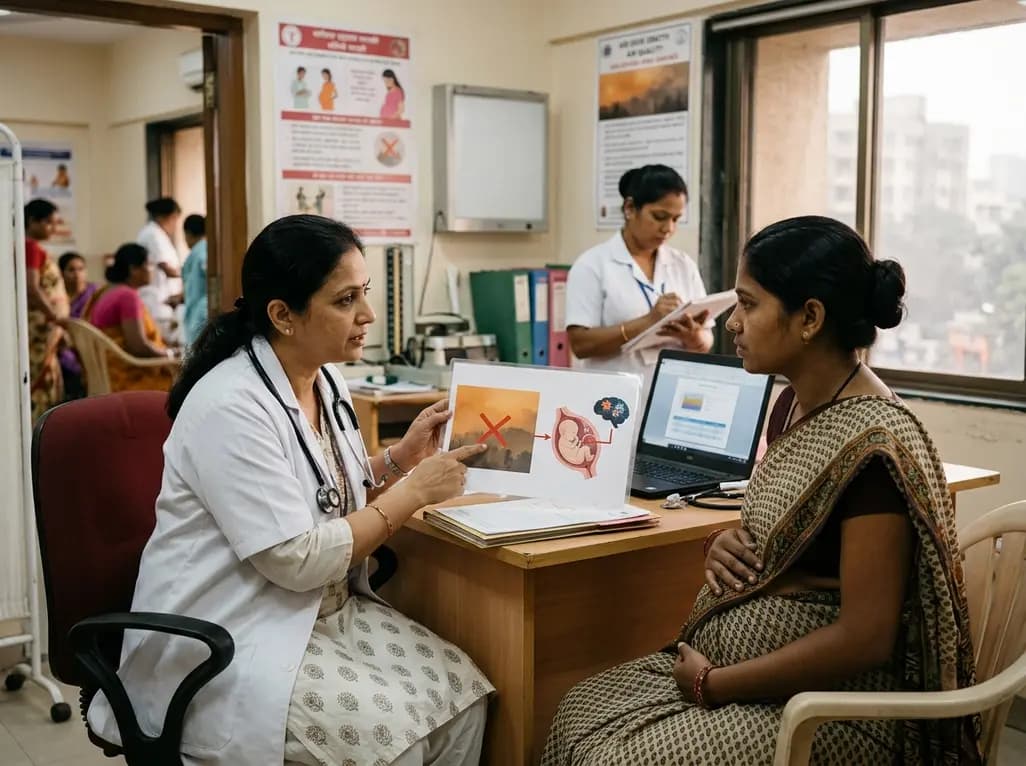
A nationwide cohort study published in JAMA Pediatrics reveals that maternal exposure to wildfire fine particulate matter, especially in late pregnancy, is linked to an elevated risk of childhood autism. Clinicians should evaluate ambient air quality risks and provide proactive protective counseling to mothers.
Today

With packaged goods giant HUL backing FSSAI's proposed front-of-pack red warning labels for foods high in fat, sugar, and salt, India takes a major step toward curbing non-communicable diseases. Learn how clearer nutrition disclosures empower clinicians, inform consumer choices, and drive dietary reform.
Today
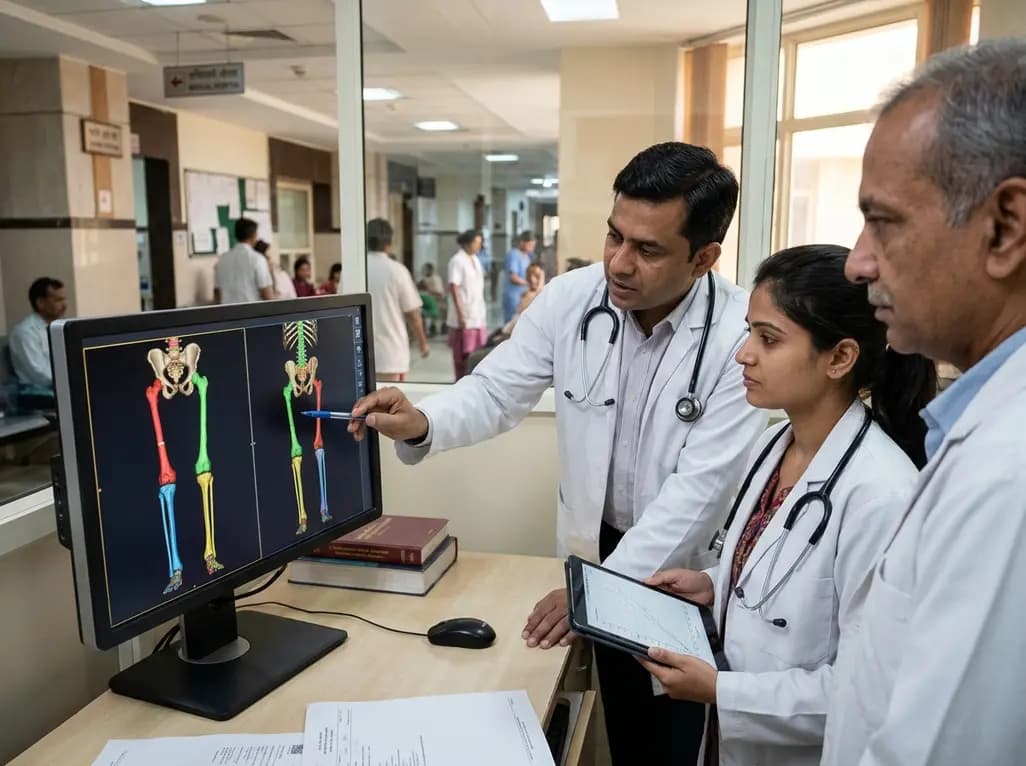
Modern 3D anthropometry reveals that pediatric leg growth ceases years before spinal elongation, exposing the clinical illusion of the classical Anderson-Green model. Learn how segmental growth dissociation improves surgical timing for epiphysiodesis in adolescent leg length discrepancy.
2 days back

A meta-analysis of 18 studies reveals that bariatric surgery does not significantly alter circulating homocysteine levels, regardless of follow-up duration. Clinicians must maintain vigilance over post-surgical micronutrient supplementation to prevent hyperhomocysteinemia.
2 days back
