

Loading, please wait...
Loading, please wait...

Managing pediatric spinal deformities requires balanced decision making, especially when weighing surgical intervention against progressive functional decline. In children with neuromuscular scoliosis, progressive spinal curvature frequently compromises sitting balance, pulmonary capacity, and overall quality of life. Furthermore, clinicians often grapple with timing posterior spinal fusion, debating whether observation or aggressive stabilization yields superior outcomes. However, recent registry data indicate that delaying surgery until curves become rigid and severe creates substantial operative burdens without offering technical advantages.
Historically, pediatric spine surgeons have faced persistent equipoise regarding the precise threshold for surgical fusion in neuromuscular deformities. Many practitioners postpone extensive instrumentation to permit additional skeletal growth or optimize underlying medical comorbidities. Nevertheless, non-operative approaches rarely halt curve progression in non-ambulatory patients with cerebral palsy, muscular dystrophy, or spinal muscular atrophy. Consequently, progressive spinal curves inevitably become increasingly stiff, asymmetric, and destabilizing.
A landmark retrospective investigation evaluated 337 pediatric patients aged 7 to 21 years who underwent posterior spinal fusion extending to the pelvis. Specifically, researchers stratified participants into two cohorts based on a preoperative major curve magnitude threshold of 80 degrees. The overall cohort exhibited a mean primary curve of 83.1 degrees. Therefore, this threshold offered an ideal baseline to assess operative complexity, perioperative complications, and radiographic correction. Ultimately, the findings challenge prolonged watchful waiting. Delaying surgery past this critical threshold significantly exacerbates physiological strain and technical demands during reconstructive surgery. Furthermore, operating on advanced structural deformities complicates pelvic positioning and pelvic fixation. Thus, establishing definitive criteria for timely referral remains imperative for surgical teams aiming to reduce procedural hazards.
Operating on severe spinal curves dramatically amplifies technical difficulty for the reconstructive team. Specifically, patients presenting with curves of at least 80 degrees required substantially longer operative duration compared to those with smaller curves. The mean surgical time reached 418 minutes in the severe group compared to 338 minutes in the cohort with curves below 80 degrees. Similarly, total anesthesia exposure increased by approximately 80 minutes.
Moreover, severe structural rigidity often forced surgeons to implement aggressive corrective maneuvers. Patients with advanced curves were 4.6 times more likely to require spinal osteotomies to achieve adequate spinal mobilization. In addition, surgeons faced more than a fourfold increase in the odds of deploying complex adjunctive techniques, including temporary internal distraction rods, intraoperative halo-femoral traction, or staged procedures. Consequently, these extended operations directly translated into heightened intraoperative physiological stress. Mean blood loss escalated to nearly 1000 mL in the larger curve group, compared to 764 mL in patients treated earlier. As a result, transfusion volumes grew significantly, doubling the demands placed upon hospital blood banks and perioperative resources.
Extended operative times and extensive blood loss inevitably increase postoperative vulnerability among medically fragile children. Neuromuscular patients already harbor baseline pulmonary compromise due to chest wall distortion and respiratory muscle weakness. Therefore, prolonged anesthesia further suppresses respiratory drive and impairs airway clearance. The study demonstrated that patients with preoperative curves of 80 degrees or greater were 2.4 times more likely to require continued mechanical ventilation following surgery.
Subsequently, prolonged intubation elevated the demand for specialized intensive care resources. Patients in the severe deformity group experienced a mean intensive care unit stay of three days, compared to two days for those with curves under 80 degrees. In addition, extended critical care admissions expose vulnerable children to ventilator-associated pneumonia, nosocomial infections, and profound deconditioning. Thus, postponing surgical intervention does not merely preserve skeletal growth; it directly heightens life-threatening perioperative complications. Furthermore, managing these prolonged hospital stays strains institutional capacity and escalates overall healthcare expenditures. Early surgical correction effectively mitigates these profound critical care burdens by minimizing tissue trauma and operative duration.
A common justification for delaying intervention is the belief that extensive surgical releases can overcome severe deformities later. However, radiographic findings conclusively refute this optimistic assumption. Despite utilizing higher rates of osteotomies and traction, surgeons achieved substantially inferior curve correction in patients with larger baseline curves. The post-intervention residual curve magnitude averaged 44.7 degrees in the severe cohort, compared to only 22.6 degrees in patients operated on with smaller curves.
Furthermore, residual pelvic obliquity remained twice as high among patients with curves exceeding 80 degrees. Specifically, these individuals retained a mean pelvic obliquity of 10.2 degrees, compared to 4.8 degrees in the earlier intervention group. Consequently, persistent pelvic tilt perpetuates uneven sitting pressures, which directly contributes to recurrent decubitus ulcers and seating intolerance. Persistent trunk imbalance also restricts functional independence and upper extremity utility. Therefore, waiting for the deformity to advance past 80 degrees paradoxically forces surgical teams to expend vastly greater effort and resources while accepting a distinctly poorer biomechanical outcome. Ultimately, structural stiffness permanently limits the degree of obtainable spinal restoration.
These compelling observations demand a fundamental reassessment of surgical thresholds in pediatric deformity care. Traditionally, clinicians attempted to delay posterior fusion until adolescents neared skeletal maturity to avoid trunk shortening. Nevertheless, unyielding curve progression in neuromuscular disease rapidly outpaces the minor benefits of skeletal elongation. Once a curve surpasses 50 to 60 degrees, conservative modalities, such as custom wheelchair inserts or thoracolumbosacral orthoses, fail to arrest structural progression.
Consequently, instead of waiting for curves to reach 80 degrees or more, multidisciplinary teams should proactively plan spinal instrumentation before severe stiffness develops. Early surgical planning facilitates streamlined single-stage procedures without requiring osteotomies, prolonged traction, or massive blood transfusions. In addition, timely correction establishes a balanced, level pelvis that optimizes upright seating and bolsters pulmonary mechanics. Multidisciplinary coordination between pediatric orthopedists, pulmonologists, neurologists, and anesthesiologists remains essential throughout this process. By recognizing the steep physiological costs of surgical delay, clinicians can optimize operative timing, preserve functional reserves, and achieve far superior long-term clinical outcomes for these complex patients.
Delaying surgery allows spinal curves to become structurally rigid, which severely restricts intraoperative correction. Consequently, patients develop substantial residual deformity and persistent pelvic obliquity. In addition, advanced curves require prolonged operative procedures, extensive osteotomies, higher blood transfusions, and extended intensive care admissions, thereby multiplying perioperative cardiopulmonary complications.
Severe curves exceeding 80 degrees significantly amplify operative complexity. Surgeons encounter fourfold higher odds of requiring adjunctive procedures such as intraoperative traction, temporary rods, or staged interventions. Furthermore, achieving necessary mobility demands spinal osteotomies over four times more frequently, which substantially extends anesthesia duration and increases intraoperative blood loss.
Clinicians should refer pediatric patients for surgical evaluation when curves progress beyond 50 degrees, well before reaching 80 degrees. Intervening before severe structural stiffness develops facilitates safer single-stage fusion, preserves sitting balance, avoids prolonged mechanical ventilation, and secures superior long-term correction of both spinal alignment and pelvic obliquity.
Disclaimer: This content is for informational and educational purposes only... Refer to the latest local and national guidelines for clinical practice.
References

Read summarized clinical updates, watch expert medical content, and earn CME certifications right from your smartphone.
Open your smartphone camera to scan and install.





A retrospective review of 337 pediatric neuromuscular scoliosis patients shows that delaying spinal fusion until curves reach 80 degrees or more increases blood loss, operative time, and ICU requirements while yielding significantly less radiographic correction and worse pelvic obliquity.
Today

A retrospective CAHAL study comparing Amplatzer and Occlutech devices in 413 patients found no significant difference in moderate-to-large residual shunt rates at 6 months follow-up after percutaneous PFO closure, supporting clinical equivalence between both platforms.
Today
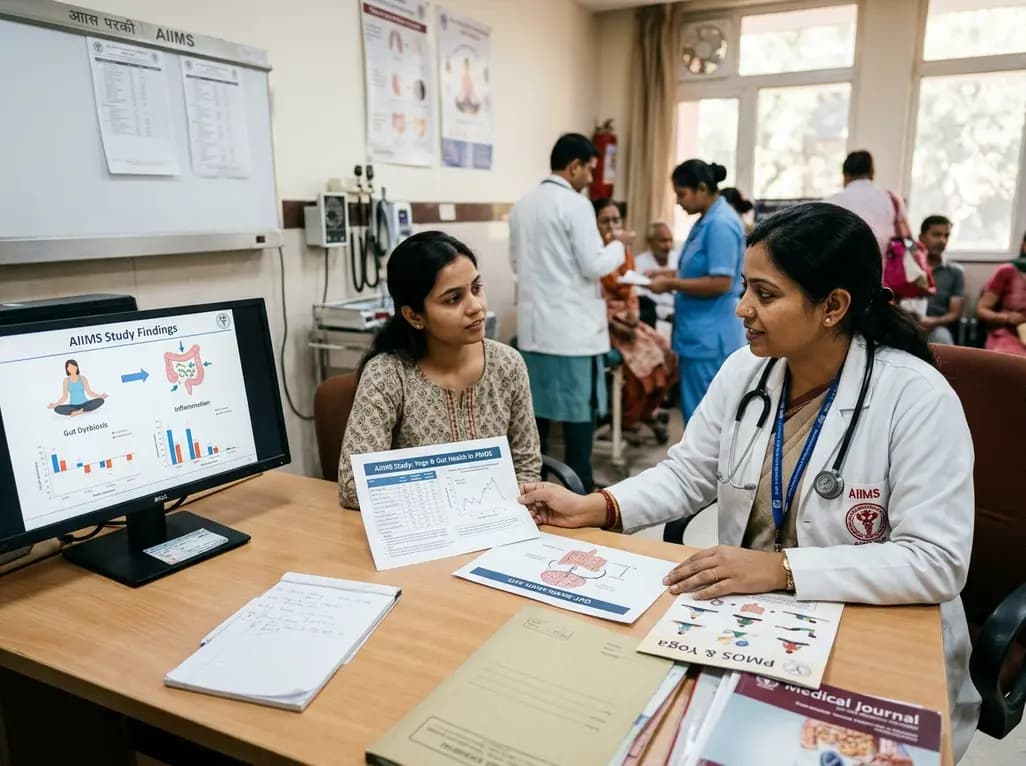
AIIMS researchers suggest yoga may alleviate gut dysbiosis in Polyendocrine Metabolic Ovarian Syndrome (PMOS) by modulating the gut-brain axis, lowering chronic inflammation, and enhancing parasympathetic tone to support metabolic and hormonal equilibrium.
Today
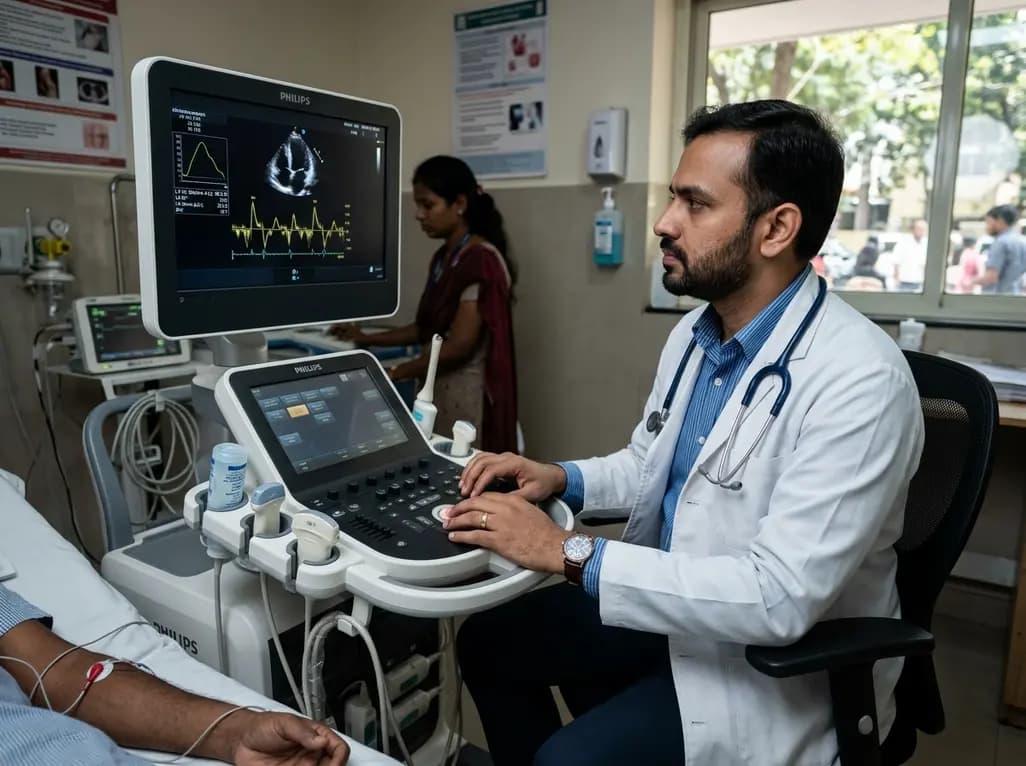
A structured practical guide to left atrial echocardiographic assessment covering biplane volumetry, phasic physiology, speckle-tracking strain, and hemodynamic filling pressure estimation for routine cardiovascular practice.
Today
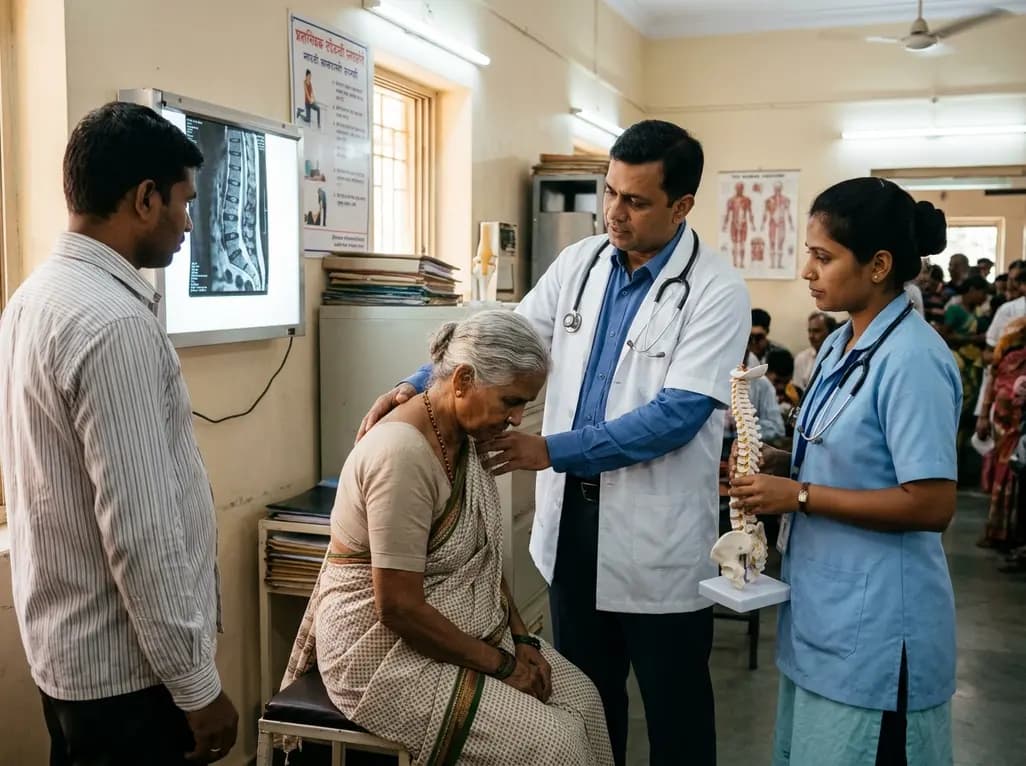
Age-related spinal kyphosis is driven by vertebral fragility, disc degeneration, and paraspinal muscle dysfunction. Coexisting with locomotive syndrome and frailty, its management requires combined anti-osteoporotic therapy, spinal extensor rehabilitation, and comprehensive nutritional optimization.
Today

A longitudinal feasibility pilot study highlights that combining polygenic risk score disclosure with in-person lifestyle counseling significantly enhances genomic literacy in individuals at risk for type 2 diabetes, overcoming educational disparities and reinforcing patient motivation.
Today
