.webp&w=384&q=75)

Loading, please wait...
Loading, please wait...
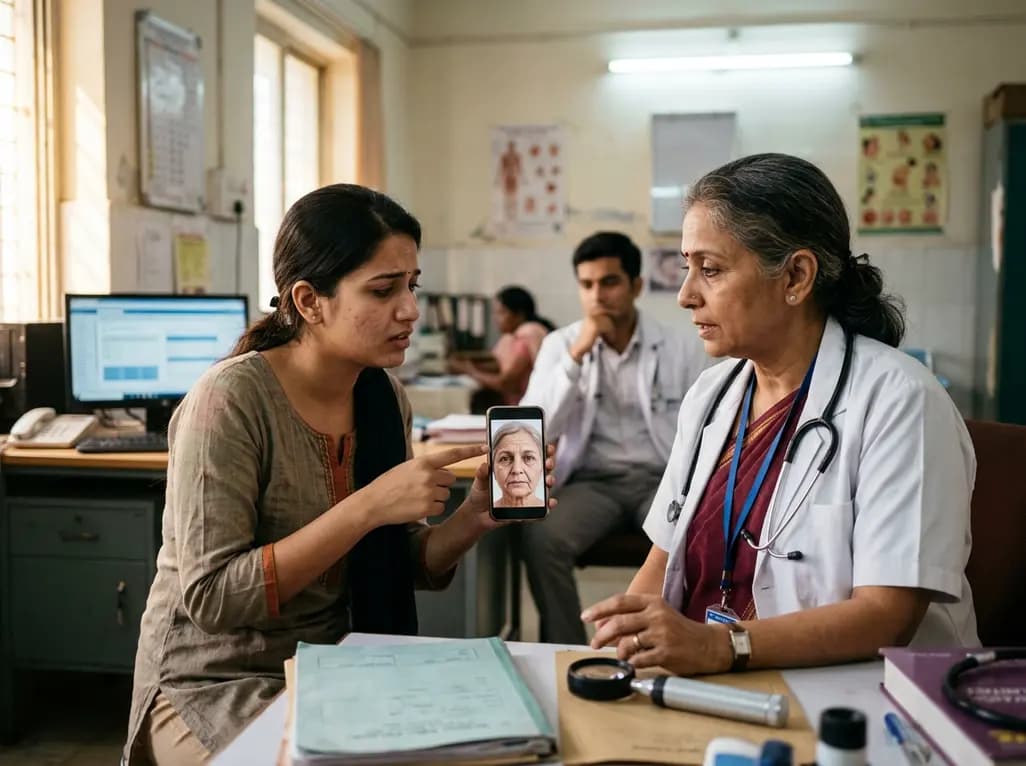
The rapid proliferation of digital face-altering technologies on social media platforms has revolutionized how individuals perceive human aging. Recently, the viral TikTok aged filter captivated millions of global users by leveraging artificial intelligence algorithms to project realistic facial aging patterns, including periorbital rhytids, dermal elastosis, and structural midface volume loss. Although dermatologists frequently validate the morphological precision of these machine learning algorithms, the emotional and psychological reactions elicited across social platforms reveal profound societal anxieties regarding senescent physical transformation. A comprehensive content analysis examining user reactions to this filter demonstrated that over half of analyzed interactions reflected overt dread, appearance anxiety, and internal conflict regarding personal aging trajectories. Consequently, clinicians, dermatologists, and mental health professionals must understand how digital visualizations alter body image perception and influence health-seeking behaviors. By exploring the complex interplay between algorithmic projections, cultural aging standards, and psychodermatological vulnerability, practitioners can better address aesthetic preoccupations, combat ageism, and guide patients toward psychologically healthy perspectives on longevity.
The emergence of hyper-realistic generative artificial intelligence has elevated digital filters from playful visual novelties into clinically compelling predictive simulations. In the investigated study, researchers analyzed hundreds of publicly shared video recordings gathered under hashtags that amassed more than two billion collective impressions. Unlike conventional cosmetic beauty filters that digitally smooth skin blemishes, enlarge ocular apertures, or simulate soft tissue fillers, the TikTok aged filter applies accurate predictive mapping of senescence. Specifically, the neural network models real-world patterns of dermal thinning, photoaging, dynamic hyperfunctional facial lines, and gravitational soft-tissue descent. Dermatological experts note that the anatomical fidelity of these projections catches many younger users completely unprepared. Consequently, seeing oneself suddenly transformed into an older adult triggers immediate, unvarnished emotional responses that illuminate prevailing societal attitudes toward chronological aging. Furthermore, the immense scale of user engagement underscores the growing cultural fixation on physical appearance, facial rejuvenation, and aesthetic preservation in an increasingly visual digital environment.
Qualitative and quantitative content coding revealed that fifty percent of analyzed user responses expressed deep anxiety regarding their future physical appearance. Furthermore, fourteen percent of creators immediately pivoted to promoting aggressive anti-aging skincare interventions, aesthetic injectables, or surgical preventative regimens to thwart the projected timeline. However, negative reactions did not completely dominate digital discourse. Approximately twelve percent of users approached the AI visualization with remarkable emotional resilience and confidence, while eight percent celebrated the inherent beauty of natural maturation. Additionally, seven percent framed longevity as a profound human privilege, frequently noting that reaching advanced age represents a biological gift denied to many individuals. Another six percent discovered heartwarming generational connections, noting striking visual resemblances to beloved parents or grandparents, while two percent reflected philosophically on the biological inevitability of time. Therefore, while ageist anxiety remains the dominant initial emotional reaction, digital exposures can also stimulate positive intergenerational bonding and meaningful psychological acceptance when interpreted through constructive cognitive frameworks.
The psychological sequelae associated with visual aging simulations extend far beyond casual online entertainment. Psychodermatology consistently demonstrates that sudden visual exposure to perceived cosmetic flaws can trigger acute body dysmorphic distress, exacerbating depressive symptoms and social anxiety. Traditional social media filters typically cultivate aspirational perfectionism by presenting flawless, airbrushed skin, which frequently induces appearance dissatisfaction among adolescent and young adult populations. Conversely, deterministic aging algorithms confront users with unavoidable biological degeneration, often causing anticipatory grief regarding lost youth. When impressionable individuals fixate obsessively on predicted periorbital wrinkles or submental laxity, they may seek premature, unnecessary aesthetic interventions. Dermatologists and aesthetic practitioners frequently encounter younger patients presenting screenshots of digital aging filters while requesting prophylactic neurotoxins or dermal fillers. Therefore, clinicians must recognize that excessive preoccupation with algorithmic aging models can signify underlying psychopathology, necessitating empathetic communication, realistic cosmetic counseling, and occasional referral to behavioral health professionals.
Societal attitudes toward aging remain deeply complicated by systemic cultural ageism that systematically devalues elderly populations while exalting youthful aesthetics. Media narratives frequently depict biological maturation as a medicalized defect requiring constant correction rather than a healthy, natural phase of the human lifespan. Consequently, when individuals encounter realistic representations of their future visages, prevailing stereotypes regarding physical decline and social invisibility frequently color their emotional responses. However, reframing the aging narrative offers substantial physical and mental health benefits across all demographic groups. Longitudinal geriatric research confirms that individuals maintaining positive self-perceptions of aging demonstrate enhanced cardiovascular resilience, lower rates of cognitive decline, and greater overall functional longevity. Therefore, public health education must actively dismantle pervasive ageist tropes by highlighting the wisdom, emotional maturity, and social contributions that accompany advanced chronological age. Embracing aging as an empowering life transition fundamentally transforms subjective well-being and enhances intergenerational solidarity.
Healthcare providers occupy an essential frontline position in guiding patients toward balanced, evidence-based perspectives on skin health and longevity. When patients express heightened anxiety regarding facial aging during clinical consultations, practitioners should first validate their emotional concerns while gently reframing expectations around natural senescence. Dermatologists should emphasize that digital filters utilize generic algorithmic predictive models that cannot account for individual genetics, photoprotection habits, nutrition, or overall lifestyle choices. Moreover, clinicians must prioritize evidence-based foundational skincare, such as broad-spectrum daily sun protection, topical retinoids, and barrier repair, rather than endorsing panicked, aggressive cosmetic over-correction. Primary care clinicians and geriatricians should similarly encourage open dialogues surrounding healthy aging, cognitive vitality, and mental resilience. By fostering an empowering clinical environment that celebrates comprehensive health over superficial perfection, medical professionals help patients cultivate realistic self-images, minimize digital appearance distress, and appreciate longevity as a vital, meaningful journey.
The viral filter utilized advanced artificial intelligence to project highly realistic morphological signs of senescence, including deep wrinkles and soft tissue descent. Because contemporary society heavily glorifies youthfulness and stigmatizes aging, suddenly confronting an accurate projection of physical decline triggered immediate distress, appearance dissatisfaction, and anticipatory anxiety regarding the loss of youthful social capital among many impressionable creators.
Dermatologists should compassionately acknowledge patient distress while clarifying that algorithmic simulations cannot accurately predict individual biological aging trajectories. Clinicians must explain how genetics, consistent photoprotection, and healthy lifestyle habits profoundly influence skin health. Rather than encouraging reactive or premature cosmetic procedures, providers should promote evidence-based preventative skincare and screen for underlying appearance anxiety or body dysmorphia.
Although anxiety was the predominant theme, nearly half of the analyzed discourse encompassed positive or reflective perspectives. Users highlighted aging with confidence, celebrated mature beauty, and recognized longevity as an invaluable privilege. Furthermore, many creators discovered touching visual resemblances to elderly family members, fostering meaningful intergenerational connections and constructive philosophical acceptance of natural biological maturation.
Disclaimer: This content is for informational and educational purposes only and does not constitute medical advice, diagnosis, or treatment. It is not intended to replace professional judgment or clinical decision-making. Healthcare providers should exercise independent clinical evaluation, considering individual patient presentation, institutional protocols, and current evidence-based practices. While every effort is made to ensure clinical accuracy, medical knowledge evolves rapidly, and readers are encouraged to verify information independently. The views and research discussed herein reflect the cited literature and not necessarily any single standard of care. Refer to the latest local and national guidelines for clinical practice.
References

Read summarized clinical updates, watch expert medical content, and earn CME certifications right from your smartphone.
Open your smartphone camera to scan and install.





A content analysis of the viral TikTok aged filter reveals widespread aging anxiety alongside positive reflections on longevity, highlighting vital lessons for dermatologists and mental health practitioners navigating patients' aesthetic concerns.
last month
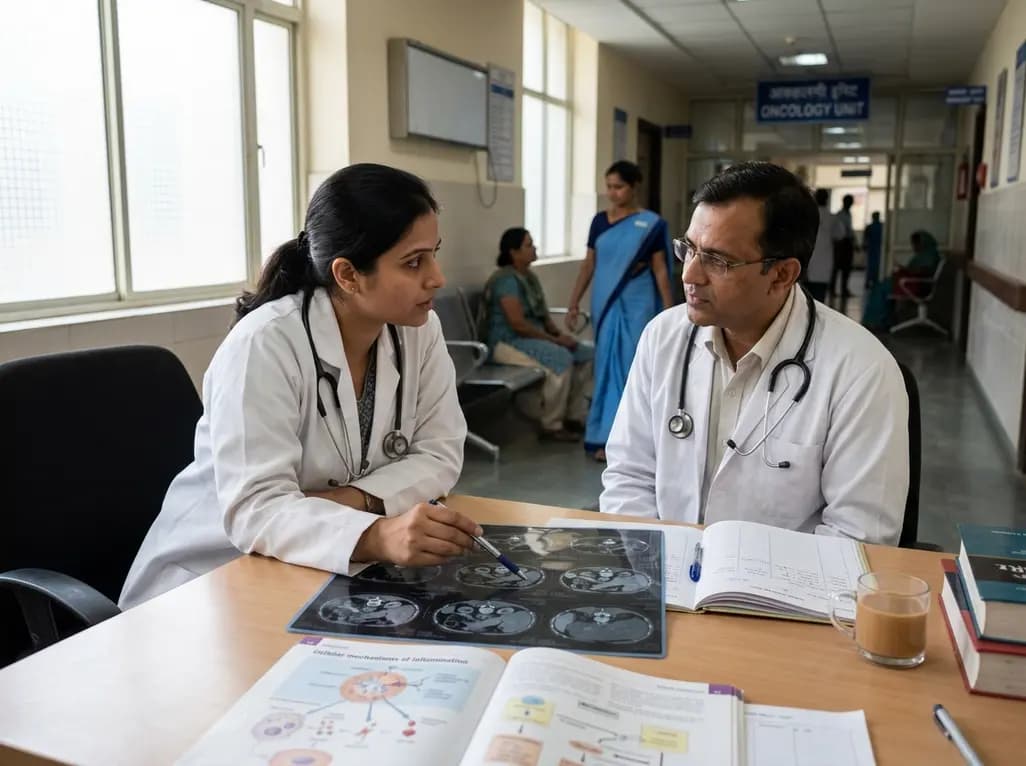
Pancreatic cancer cachexia affects over 80% of patients, driving severe muscle wasting, systemic inflammation, and treatment intolerance. This review highlights key pathophysiological drivers, exocrine insufficiency, objective CT imaging, and emerging therapies like GDF-15 inhibitors to improve clinical outcomes.
Today
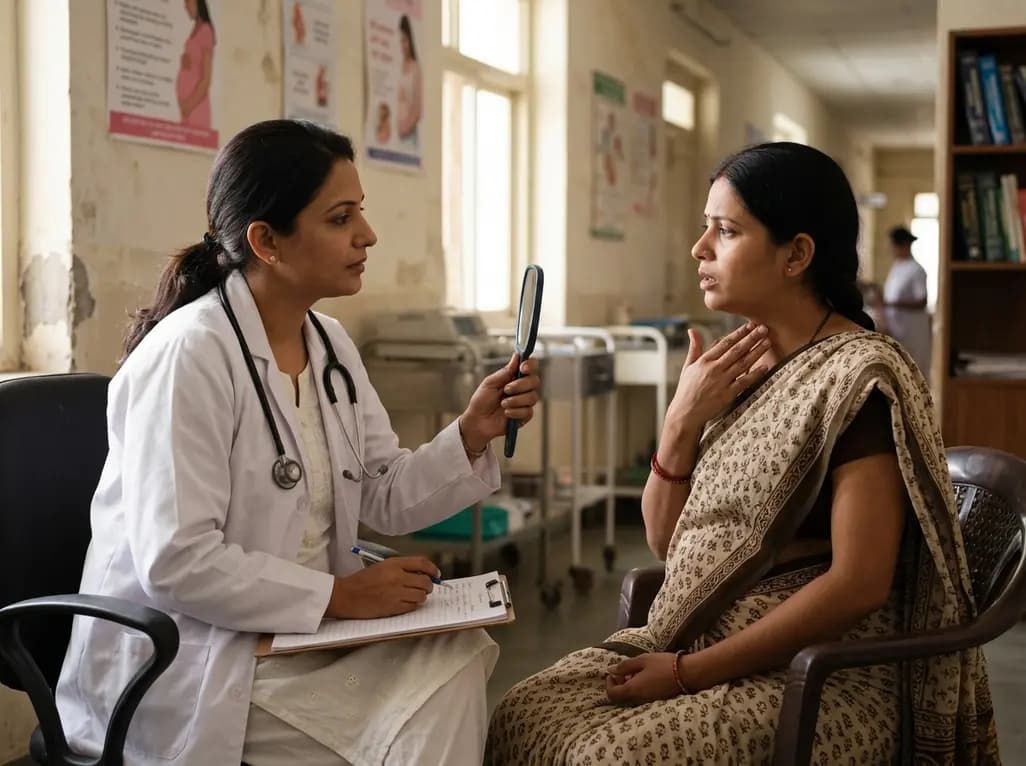
A scoping review reveals how pregnancy affects phonation through laryngeal edema and reduced phonation time rather than major acoustic pitch alterations. Learn how to identify, evaluate, and manage vocal symptoms in expectant mothers.
Today
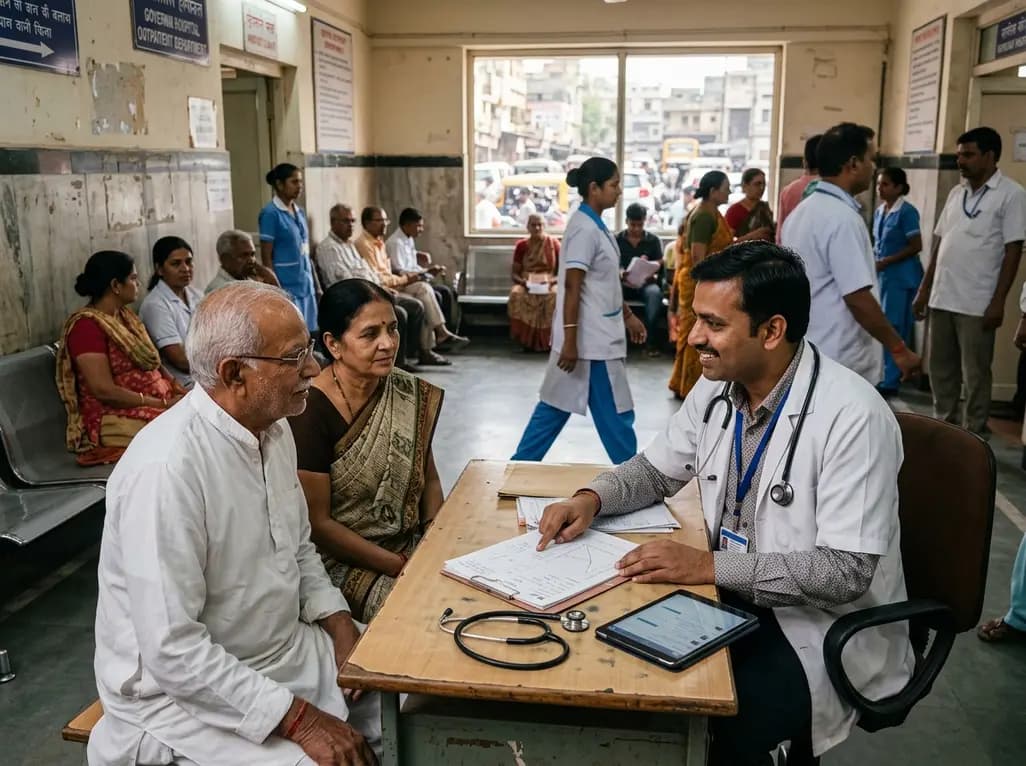
According to WHO data, average lifespan reached 73.3 years in 2023, recovering from pandemic lows. However, healthy life expectancy lags at 62.8 years due to surging noncommunicable conditions like cardiovascular disease and dementia, demanding proactive primary screening and sustained chronic care.
Today

Researchers have engineered an artificial sensory-pain integrated receptor using a multi-threshold organic synaptic transistor. The system distinguishes benign touch from noxious stimuli, enabling safer, more responsive prosthetic limbs with built-in memory and simplified hardware architecture.
Today

Medical robotics is transitioning beyond operative suites into diagnostics, cardiology, and endocrinology. Explore how innovations in tele-robotics, AI integration, and nanomedicine are overcoming geographical barriers and transforming precision healthcare delivery across India's evolving disease landscape.
Today
