

Loading, please wait...
Loading, please wait...
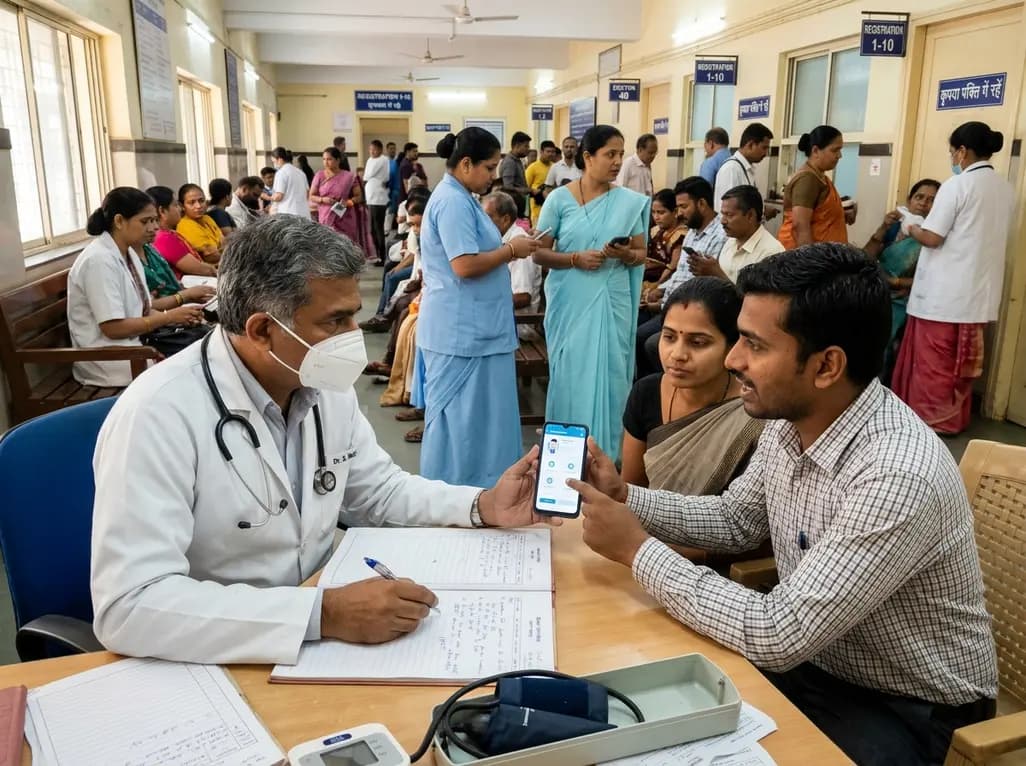
A massive shift is transforming the Indian healthcare ecosystem. Today, patients actively consult digital platforms before scheduling clinical appointments. A recent study by Boston Consulting Group highlights this profound evolution. Most remarkably, six in ten Indian patients consider online health information just as reliable as consultation with a doctor. Consequently, medical professionals must adapt their clinical approach to engage these digitally empowered individuals effectively.
The Boston Consulting Group surveyed nearly one thousand Indian respondents in its healthcare consumerization research. Strikingly, sixty percent of Indian participants view web-based health resources as equivalent to advice from medical experts. This percentage surpasses the global benchmark by nineteen percentage points, highlighting unprecedented digital engagement. Furthermore, sixty-one percent of respondents prefer immediate answers from artificial intelligence over waiting for an in-person appointment. India now ranks second globally on the Health Care Consumerization Index, trailing only China.
This widespread enthusiasm reflects an accelerating cultural movement toward personal agency. In the past, individuals relied passively on physician authority for clinical diagnoses and treatment decisions. Today, however, widespread smartphone connectivity and vernacular digital portals allow individuals to evaluate symptoms independently. As a result, patients arrive at consultations with pre-formed opinions, diagnostic hypotheses, and treatment preferences. This dynamic shifts doctor-patient conversations from paternalistic instructions toward collaborative discussions. Medical practitioners must recognize that digital inquiries often stem from authentic curiosity rather than overt disrespect. Therefore, clinicians should constructively guide this digital engagement into shared decision-making frameworks. In addition, proactive guidance strengthens long-term therapeutic alliances.
Generational patterns demonstrate intriguing variations in how Indian demographics utilize digital medical resources. Specifically, millennials achieved the highest consumerization index score at seventy-one points. Moreover, sixty-eight percent of millennials prefer immediate online guidance over waiting for an available doctor. In sharp contrast, Gen Z respondents recorded the lowest index score at fifty-nine points. Only fifty-two percent of Gen Z individuals chose immediate web answers over waiting for clinical advice. This surprising disparity indicates that younger digital natives may view online claims with greater skepticism.
Socioeconomic factors also shape distinct healthcare behaviors across the country. Overall, men and women displayed comparable scores on consumerization measures, recording sixty-seven and sixty-six respectively. However, sixty-three percent of men considered online findings trustworthy, compared to fifty-seven percent of women. Conversely, seventy-five percent of women prioritized strict control over medical expenditures and payment mechanisms. Income levels create further therapeutic divides across diverse cohorts. Higher-income individuals scored twelve points above lower-income groups on the overall index. Indeed, eighty-four percent of affluent respondents demanded greater control over treatment choices. Consequently, private practitioners in urban centers encounter intense expectations for customized therapeutic options. In response, physicians must tailor their clinical interactions to meet varied demographic priorities.
The rapid consumerization of clinical care brings undeniable benefits alongside distinct medical hazards. On the positive side, engaged patients frequently manage chronic medical conditions with increased vigilance. They regularly monitor blood pressure measurements, glycemic values, and lifestyle habits using personal digital devices. Consequently, informed patients can collaborate more productively during routine follow-up consultations. Moreover, accessible medical portals help bridge basic health literacy gaps across diverse populations.
Nevertheless, unverified medical advice and algorithmic inaccuracies present substantial hazards. For example, algorithmic symptom checkers frequently generate health anxiety by suggesting catastrophic diagnoses for benign complaints. This distressing pattern, known as cyberchondria, often triggers unnecessary diagnostic investigations and unmonitored self-treatment. Furthermore, some patients modify drug regimens or discontinue vital therapies after browsing misleading social forums. When complications arise, these individuals frequently present to clinics in acute distress. Therefore, clinicians must spend considerable consultation time addressing misinformation and clarifying flawed search results. Practitioners should listen patiently without dismissing consumer research outright. By validating the patient's search for clarity, doctors preserve essential trust and reinforce clinical safety. Additionally, empathetic communication encourages patients to disclose their digital habits openly.
Contemporary healthcare consumers demand comprehensive clarity regarding clinical charges and therapeutic alternatives. According to the BCG findings, seventy-three percent of Indian consumers demand greater control over medical expenses. Furthermore, seventy-eight percent of respondents desire direct involvement in treatment selection. Historically, opaque fee structures created significant patient apprehension across private healthcare institutions. Today, however, patients expect upfront cost projections for diagnostic investigations, procedures, and inpatient services.
Additionally, sixty-eight percent of respondents expect retail-level convenience and responsive communication from medical providers. Modern patients evaluate clinical facilities using standards established by consumer retail brands. Consequently, prolonged waiting times, fragmented billing workflows, and delayed reports create substantial patient frustration. Healthcare facilities that fail to modernize billing protocols risk alienating loyal patient communities. Conversely, transparent pricing frameworks cultivate lasting goodwill and dispel suspicions of unnecessary medical intervention. Medical administrators must therefore view financial clarity as an indispensable component of clinical quality. By offering clear cost breakdowns before initiating procedures, providers prevent billing disputes and enhance patient satisfaction. In addition, transparent billing models reduce administrative friction for clinical staff. Ultimately, financial openness reinforces ethical clinical standards across modern practice environments.
To navigate this profound behavioral shift, healthcare providers must modernize their clinical operations. First, practitioners can deploy secure digital channels to satisfy patient demand for rapid communication. For instance, verified messaging platforms and compliant telehealth services provide timely triage without compromising standards. By delivering accessible professional touchpoints, clinics discourage patients from relying exclusively on unvetted online algorithms. Moreover, medical societies must distribute validated educational materials in vernacular languages to counteract pervasive digital myths.
Second, healthcare organizations should develop hybrid care models that combine digital efficiency with clinical empathy. While artificial intelligence rapidly categorizes symptoms and retrieves literature, it cannot replace comprehensive physical examination. Therefore, doctors must emphasize diagnostic reasoning, physical evaluation, and compassionate bedside counseling during consultations. Furthermore, medical colleges and postgraduate curricula should incorporate digital communication training for emerging clinicians. Practitioners must learn to address internet-informed patients with confidence, patience, and professional diplomacy. Consequently, forward-thinking medical practices will strengthen their community standing. Ultimately, healthcare leaders who integrate digital innovation with clinical quality, affordability, and equity will thrive. Embracing this consumer shift allows clinicians to elevate standards and achieve superior clinical outcomes.
Q1: Why do Indian consumers show such high trust in online health information?
Indian consumers increasingly turn to digital resources due to widespread smartphone access and heavy clinic waiting times. Digital portals and conversational artificial intelligence offer immediate answers to distressing health concerns. Furthermore, modern consumers desire greater autonomy and personal control over their healthcare journeys. Although this trend encourages proactive health awareness, it highlights the urgent need for professional oversight to safeguard clinical accuracy.
Q2: How should healthcare practitioners address patients presenting AI-generated diagnoses?
Practitioners should avoid dismissive reactions and instead evaluate digital findings with open curiosity and professional reassurance. Clinicians can review the online material collaboratively, explaining why generic algorithms may not reflect real clinical situations. Furthermore, doctors should highlight key clinical elements, including physical examination findings and personal medical histories. This supportive approach preserves patient trust while ensuring adherence to evidence-based medical therapies.
Q3: How does healthcare consumerization influence treatment adherence across India?
Healthcare consumerization affects treatment adherence in both positive and negative ways. Informed patients who understand their conditions often display superior compliance with lifestyle modifications and prescribed medications. Conversely, exposure to sensationalized claims or biased forums often encourages premature medication cessation. Therefore, clinicians must proactively clarify digital misconceptions, discuss therapeutic timelines clearly, and maintain transparent discussions regarding medication choices and costs.
Disclaimer: This content is for informational and educational purposes only. It does not constitute medical advice or replace professional judgment. Refer to the latest local and national guidelines for clinical practice.
References

Read summarized clinical updates, watch expert medical content, and earn CME certifications right from your smartphone.
Open your smartphone camera to scan and install.





A recent Boston Consulting Group report shows 60 percent of Indian patients view digital sources as equivalent to doctor consultations. Clinicians must adapt to changing patient expectations regarding diagnostic clarity, price transparency, and rapid digital communication across clinical care pathways.
Today
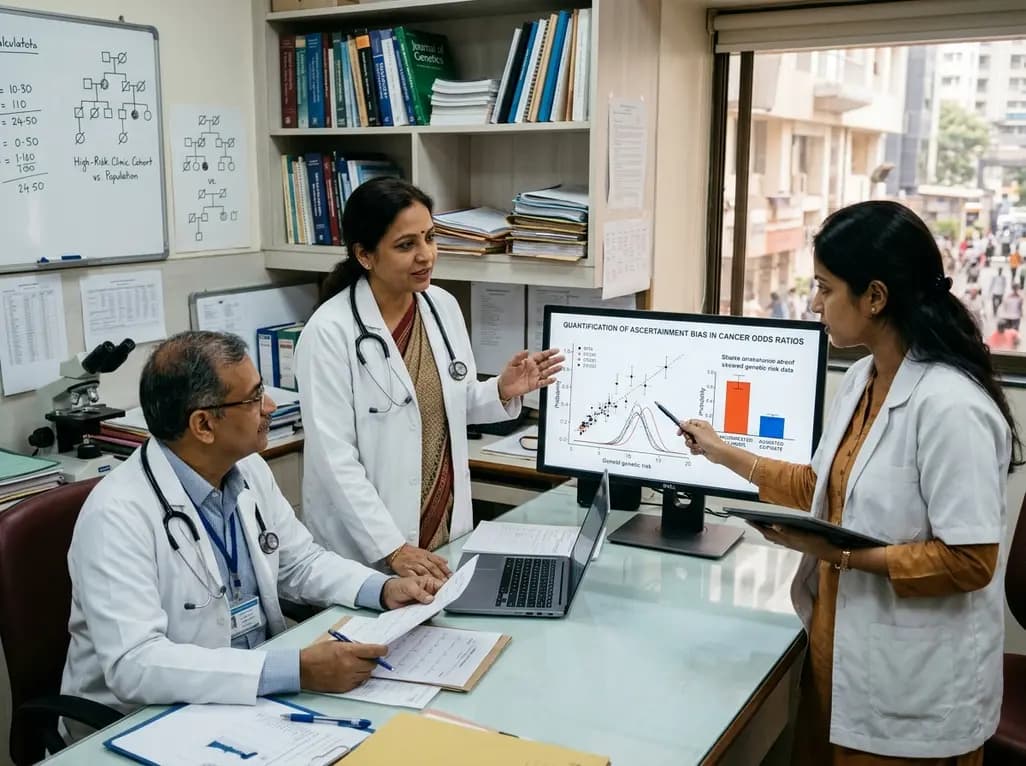
Ascertainment bias in cancer case-control studies inflates odds ratios and penetrance estimates when cases are drawn from high-risk clinics. A landmark modeling study demonstrates substantial bias ranging up to 23.72, highlighting the critical need for ascertainment adjustment in genetic risk counseling.
Today
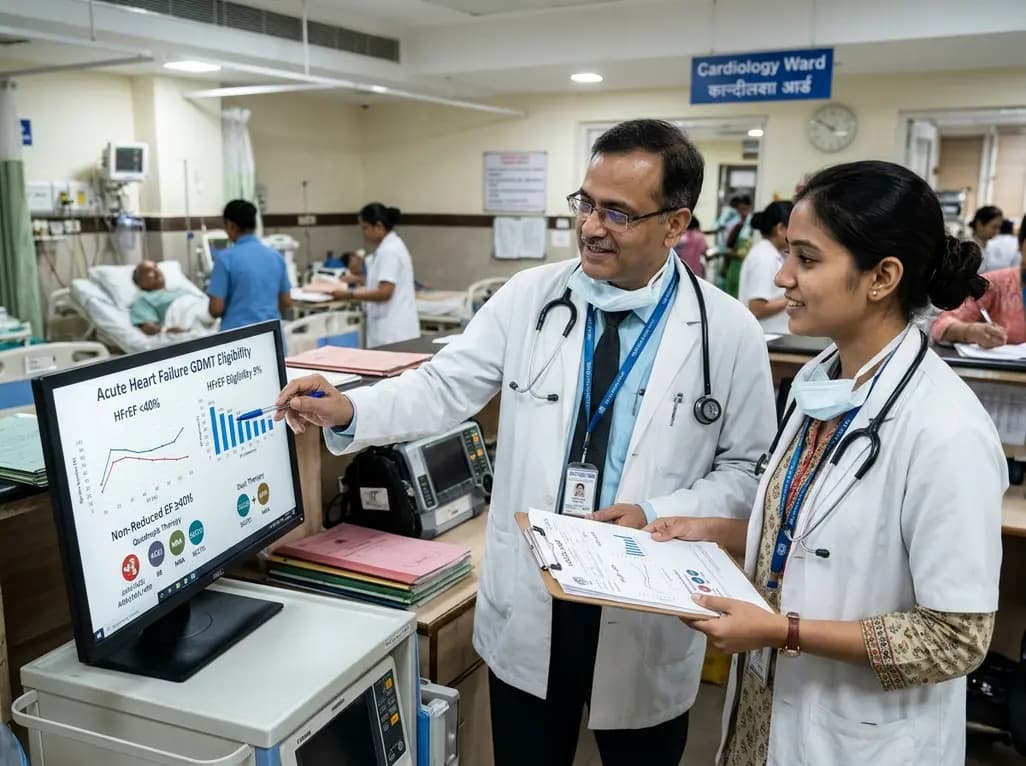
The VOCAL-AHF study reveals that most acute heart failure patients across reduced and non-reduced ejection fraction categories are eligible for in-hospital GDMT initiation. Notably, nearly two-thirds of HFrEF patients qualify for quadruple therapy, while non-reduced EF patients show high eligibility for dual therapy.
Today

A comprehensive scoping review synthesizes conservative and postsurgical carpal instability rehabilitation strategies, highlighting immobilization, targeted muscle recruitment, and proprioception to restore wrist stability.
Today
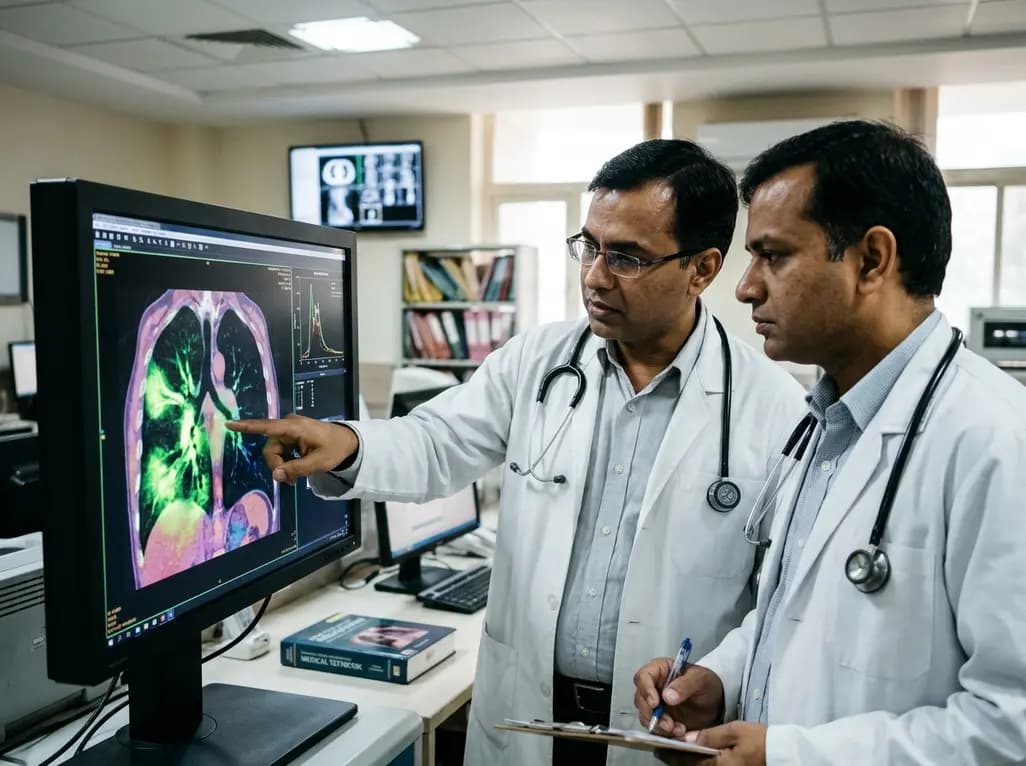
A novel fluorine-functionalized near-infrared copper fluorescent probe selectively illuminates lung tissue, revealing critical links between hyperglycemia, ER stress, and pulmonary malignancy for improved early diagnosis.
Today
