.webp&w=384&q=75)

Loading, please wait...
Loading, please wait...

Agricultural fungicides play a major role in modern crop management, but their unintended systemic toxicities remain a critical public health concern. Recent toxicological research demonstrates that the dithiocarbamate fungicide thiram severely impairs thiram calcium homeostasis across multiple organ systems. Specifically, investigators have identified that exposure triggers severe endoplasmic reticulum stress in hepatic tissue, which subsequently initiates pathological calcium signaling cascades. This molecular disturbance extends beyond the liver, driving mitochondrial calcium overload and cellular injury in both hepatocytes and growth plate chondrocytes. Consequently, these findings highlight how xenobiotic exposures produce complex inter-organ pathology, establishing an essential mechanistic link between hepatic metabolic disruption and secondary musculoskeletal impairments.
At the subcellular level, the endoplasmic reticulum serves as the primary reservoir for intracellular calcium storage, protein folding, and lipid synthesis. When toxic insults occur, misfolded proteins accumulate within the luminal compartment, triggering the unfolded protein response. Following exposure to thiram, hepatic tissue exhibits substantial upregulation of canonical stress markers, notably glucose-regulated protein 78 (GRP78) and CCAAT/enhancer-binding protein homologous protein (CHOP). This prolonged stress state destabilizes normal organelle communication and directly damages cellular resilience. Furthermore, the persistent activation of these stress pathways compromises intracellular ion gradients, leading to unchecked calcium release into the cytosol and adjacent organelles. Because calcium functions as an indispensable secondary messenger, this chronic disruption impairs vital enzymatic reactions, structural integrity, and metabolic pathways in hepatic parenchymal cells.
Mitochondria-associated membranes represent specialized structural contact sites that physically and functionally tether the endoplasmic reticulum to the outer mitochondrial membrane. These microdomains facilitate rapid, highly concentrated ion transfer necessary for cellular energetics and metabolic signaling. Under thiram toxicity, two key calcium-transfer proteins within this junction undergo profound hyperactivation: inositol 1,4,5-trisphosphate receptor 1 (IP3R1) on the reticulum membrane and voltage-dependent anion channel 1 (VDAC1) on the outer mitochondrial membrane. Therefore, excessive physical coupling between these channels creates an unrestricted conduit for massive calcium transfer directly into the mitochondrial matrix. Rather than sustaining metabolic output, this pathological ion influx overwhelms mitochondrial buffering capacity, triggers mitochondrial permeability transition pore opening, and accelerates oxidative cell death.
A central finding of this research is that hepatic cellular stress does not remain isolated within liver tissue. Instead, hepatic endoplasmic reticulum stress acts as an upstream trigger that propagates systemic signaling disturbances toward peripheral skeletal structures. The study demonstrates that primary alterations in hepatic calcium handling directly correlate with parallel disturbances in the tibial growth plate. Consequently, this cross-organ crosstalk establishes a functional liver-bone axis vulnerable to environmental toxicants. When hepatic metabolism is compromised, altered circulating factors, secondary inflammatory mediators, and dysregulated systemic mineral balance collectively transmit stress signals to distant cartilaginous regions. As a result, skeletal growth centers experience secondary cellular strain, disrupting the tightly coordinated biological processes essential for longitudinal bone development.
Within the tibial growth plate, chondrocytes rely on strictly regulated intracellular calcium oscillations to progress through proliferation, hypertrophy, and matrix mineralization. However, thiram-induced systemic stress generates severe calcium overload and mitochondrial failure in these growth plate chondrocytes. Because energy-depleted chondrocytes cannot maintain physiological extracellular matrix deposition or standard columnar organization, endochondral ossification becomes profoundly impaired. Moreover, this cellular pathology mirrors clinical tibial dyschondroplasia, a debilitating condition characterized by non-vascularized, non-mineralized cartilage plugs in the proximal tibia. Thus, by elucidating how pesticide exposure undermines chondrocyte viability through calcium dysregulation, this research provides a coherent framework explaining pesticide-related bone deformities and skeletal growth arrests.
These findings present important translational implications for clinical toxicology, occupational health, and metabolic medicine. Clinicians evaluating unexplained bone abnormalities, delayed growth, or mineral metabolism disorders in agricultural communities must consider the systemic impact of pesticide exposures. Furthermore, the identification of the IP3R1/VDAC1 signaling pathway at mitochondria-associated membranes reveals novel therapeutic opportunities. Pharmacological interventions aimed at dampening endoplasmic reticulum stress, such as chemical chaperones, or agents that selectively inhibit excessive calcium channeling across mitochondria-associated membranes could protect both hepatic function and skeletal integrity. Ultimately, understanding inter-organ stress signaling provides valuable guidance for developing targeted therapeutics against toxicant-mediated multi-organ damage.
Thiram is a widely utilized dithiocarbamate fungicide and ectoparasiticide applied in agricultural crop protection, seed treatment, and animal husbandry. Agricultural workers, chemical handlers, and rural populations can encounter thiram through direct occupational handling, accidental inhalation, cutaneous absorption, or contaminated groundwater runoff, potentially exposing multiple organ systems to toxic stress.
The IP3R1 and VDAC1 protein complex forms a direct channel for calcium transfer between the endoplasmic reticulum and mitochondria. Hyperactivation of this complex floods the mitochondrial matrix with excess calcium ions, which disrupts mitochondrial membrane potential, triggers excessive reactive oxygen species production, and initiates pro-apoptotic signaling cascades in affected tissues.
The liver regulates systemic homeostasis, detoxification, and mineral-binding transport proteins essential for skeletal physiology. When severe hepatic endoplasmic reticulum stress occurs, disturbed calcium signaling and systemic metabolic mediators propagate stress signals across the liver-bone axis, causing secondary mitochondrial dysfunction, impaired mineralization, and cartilage degeneration in distant growth plates.
Disclaimer: This content is for informational and educational purposes only and does not constitute medical advice. Refer to the latest local and national guidelines for clinical practice.
References
Nawaz S et al. Thiram Disrupts Hepatic and Tibial Calcium Homeostasis via ER Stress-Mediated IP3R1/VDAC1 Hyperactivation. Environ Toxicol. 2026 Aug 14. doi: 10.1002/tox.70182. PMID: 42601327.
Pinton P et al. Calcium Transfer at the ER-Mitochondria Interface in Health and Disease. Physiol Rev. 2021;101(1):241-276.
Szegezdi E et al. Mediators of Endoplasmic Reticulum Stress-Induced Apoptosis. EMBO Rep. 2006;7(9):880-885.

Read summarized clinical updates, watch expert medical content, and earn CME certifications right from your smartphone.
Open your smartphone camera to scan and install.





A breakthrough study reveals how the agricultural fungicide thiram disrupts hepatic and tibial calcium homeostasis through ER stress and IP3R1/VDAC1 hyperactivation, uncovering a critical liver-bone axis of systemic toxicity.
last month

A secondary analysis of an HIV cure-related trial in South Africa highlights the acceptability and safety of serial excisional lymph node and gut biopsies among young women. Clear communication, empathetic care, and altruistic motives helped mitigate initial apprehension and sustain longitudinal trial engagement.
Today

A nationwide study covering 3.7 million Swedish births reveals that prenatal exposure to TORCH pathogens significantly elevates long-term risks of intellectual disability and autism. Healthcare providers must recognize clinical indicators, promote prenatal prevention, and track early pediatric neurodevelopment.
Today
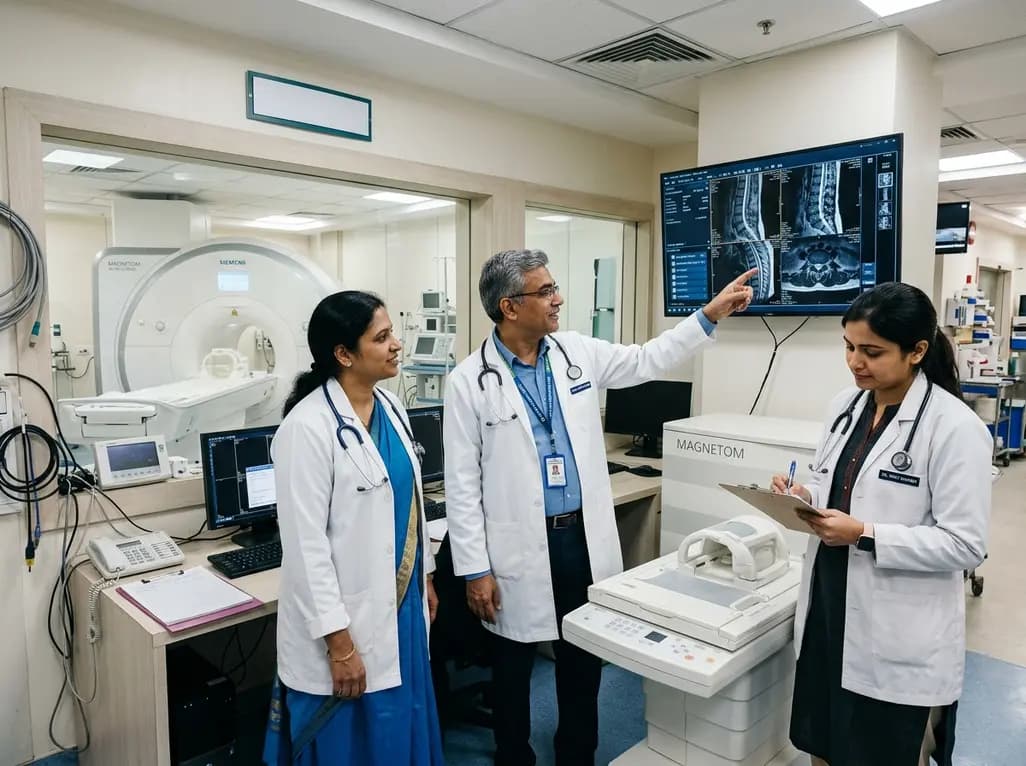
Under India's PLI initiative, domestic production of 57 critical medical devices has commenced, including MRI and CT scanners, cath labs, and heart valves. Global partnerships and local investments are expanding high-end technology, curbing import reliance, and strengthening clinical accessibility nationwide.
Today

A longitudinal study reveals that patients undergoing staged bilateral hip arthroscopy experience progressive contralateral labral deterioration during surgical intervals. However, structural degradation does not compromise 2-year postoperative clinical outcomes or patient-reported satisfaction scores.
Today
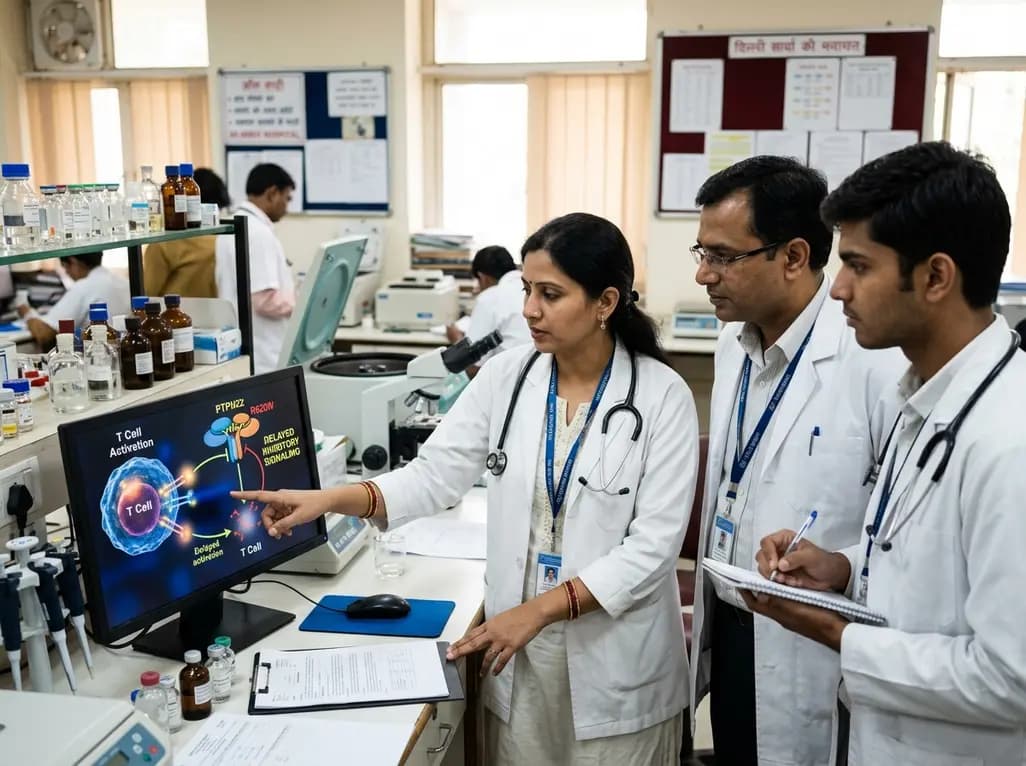
New immunological research reveals how PTPN22 forms a delayed inhibitory signaling complex to restrain T cell activation, explaining how the autoimmune-linked R620W variant disrupts feedback control and promotes persistent inflammation in conditions like rheumatoid arthritis and type 1 diabetes.
Today
