.webp&w=384&q=75)

Loading, please wait...
Loading, please wait...
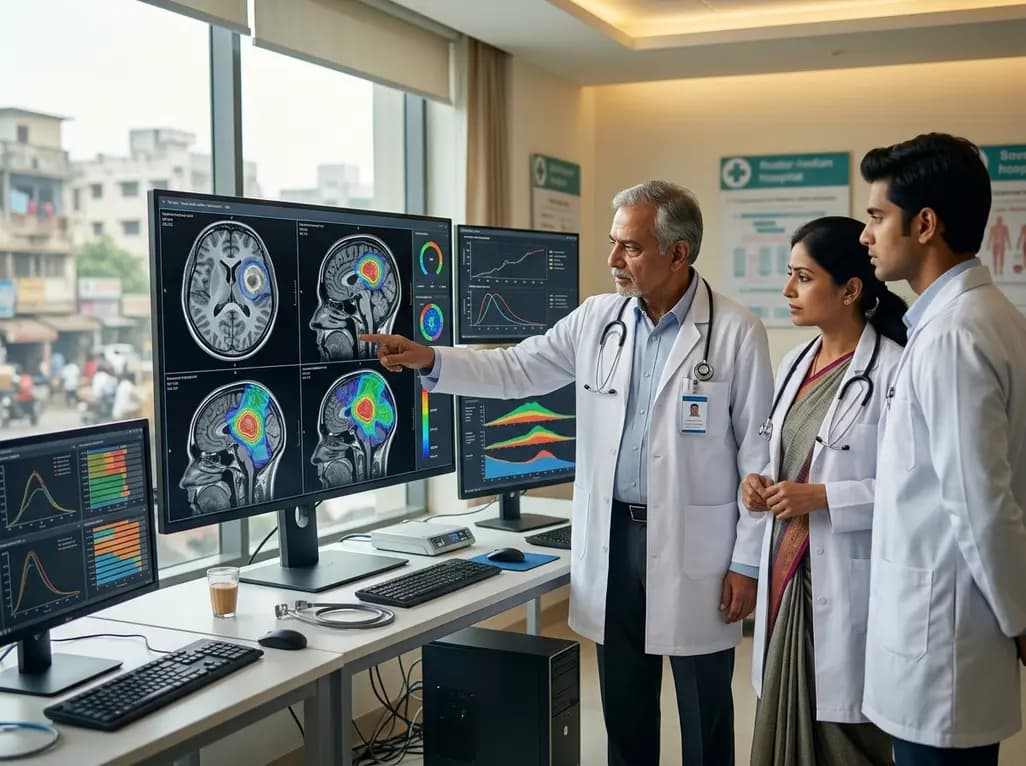
Glioblastoma multiforme (GBM) remains the most aggressive primary brain malignancy in adults. Even after intensive primary treatments, recurrence is nearly inevitable. Consequently, clinicians often use Gamma Knife radiosurgery as a focal salvage therapy. However, selecting the optimal radiation dose for recurrent tumors is difficult. Traditionally, neuro-oncologists rely on subjective factors like tumor volume and clinical judgment. This approach lacks precise, patient-specific estimates of future risks. Therefore, the THINKERS-GBM AI model provides a vital, data-driven framework for personalized dose evaluation. This mixture-of-experts artificial intelligence model integrates clinical data to predict second progression. By offering quantitative risk assessments, the model helps physicians move toward precision medicine. As a result, neuro-oncologists can tailor treatments to the unique profile of each individual patient. This evolution significantly enhances the management of recurrent glioblastoma.
Historically, dose selection for recurrent glioblastoma has been highly individualized but subjective. Physicians typically guide their decisions using tumor volume, anatomical constraints, and previous radiation history. While these parameters are essential, they do not account for the immense biological heterogeneity of GBM. For instance, different patients may exhibit vastly different responses to identical radiation doses. Moreover, the risk of radiation necrosis often forces clinicians to be overly cautious. This caution can sometimes lead to suboptimal tumor control. Traditionally, the balancing of these risks relies on physician judgment rather than statistical probability. Unfortunately, this subjectivity leads to significant variation in treatment outcomes. Some patients might receive doses that are too low to be effective. Conversely, others might suffer from excessive toxicity. Consequently, there is a clear need for a more objective, data-driven methodology. A tool that provides patient-specific estimates of progression risk could transform standard clinical practice.
The technical foundation of the THINKERS-GBM AI model is a mixture-of-experts (MoE) neural network. Unlike conventional AI architectures, the MoE framework employs multiple specialized expert networks. Each expert focuses on specific subsets of clinical data. Furthermore, a gating network manages these experts to determine the most relevant prediction for a specific patient. This design is particularly effective for managing the high variability found in glioblastoma cases. The model also utilizes discrete-time survival modeling to predict progression risk over defined intervals. Importantly, the researchers designed the prescription dose as a queryable input. This feature allows clinicians to test multiple candidate doses repeatedly within the system. Consequently, the AI generates a survival profile for each potential treatment plan. This iterative capability is rare in current oncology tools. It enables a level of dose optimization that manual calculations simply cannot match.
Researchers performed a retrospective study involving 200 patients to validate the THINKERS-GBM framework. All patients in the cohort had recurrent glioblastoma and received Gamma Knife treatment. To ensure the model's reliability, the team utilized grouped 5-fold cross-validation. The performance results were highly impressive. For the 12-month second progression risk, the model achieved a calibrated mean AUC of 0.839. In the holdout test set, the calibrated AUC reached 0.870. This high score indicates that the model accurately distinguishes between patients at varying risk levels. Additionally, the calibrated Brier score was an exceptional 0.009, reflecting high accuracy in probability estimates. The mean absolute error for the expected time to progression was just 1.03 months. Specifically, these metrics demonstrate that the model is both precise and reliable. Notably, such high performance is difficult to maintain given the unpredictable nature of glioblastoma. These findings strongly support the model's potential as a clinical decision support tool.
One primary benefit of the framework is its ability to perform dose-sweeping. This process allows the AI to generate individualized dose-response profiles for every patient. By sweeping through a range of doses, the model illustrates how different radiation levels impact the risk of second progression. For example, a physician might discover that a slight dose increase significantly improves survival for one patient. However, for another patient, the same increase might offer minimal benefits while increasing the risk of brain necrosis. Consequently, these profiles provide a clear roadmap for personalizing treatment plans. This objective data helps clinicians move away from standardized, one-size-fits-all dosing protocols. Specifically, the profiles facilitate more nuanced discussions between doctors and their patients. They can weigh the statistical benefits of a higher dose against potential side effects. Furthermore, this transparency improves the informed consent process and enhances the physician-patient relationship.
Despite the strong performance of THINKERS-GBM, several challenges remain. Currently, the model is only internally validated using data from a single medical center. While these results are promising, they may not apply to all patient populations worldwide. For instance, treatment techniques and patient demographics vary significantly between different regions. Therefore, external validation across multiple global centers is a mandatory requirement before clinical deployment. Researchers must confirm that the model remains robust when faced with diverse datasets. Additionally, integrating such sophisticated AI into existing clinical software is a technical hurdle. Clinicians require seamless, user-friendly interfaces that do not interrupt their daily tasks. Moreover, ethical considerations regarding AI in oncology are paramount. It is essential that the AI serves only as a decision-support tool. Physicians must always maintain final authority over all treatment decisions.
The development of the THINKERS-GBM framework signals a new era in neuro-oncology. As artificial intelligence continues to evolve, its integration with genomic data will deepen. We can eventually expect models that process real-time imaging to adjust treatments during the procedure. This would allow for even more dynamic and responsive patient care strategies. Furthermore, the principles behind this framework could apply to other brain malignancies. The concept of therapeutic hybrid intelligence combines machine processing with human expertise. This synergy will likely lead to better patient outcomes than either could achieve alone. In countries like India, where the burden of brain cancer is significant, such tools could optimize resource allocation. They provide a standard level of expert analysis to clinics regardless of their size. Ultimately, the goal is to transform glioblastoma from a terminal illness into a more manageable chronic condition through precision medicine. This model represents a significant step toward achieving that objective for patients worldwide.
This model shifts dose selection from subjective physician judgment to data-driven precision. It utilizes a mixture-of-experts network to predict patient-specific risks of second progression. Consequently, clinicians can test various doses using the AI to find the most effective balance between tumor control and safety for each individual patient.
The framework analyzes variables available before or during treatment, such as tumor volume and previous radiation history. By integrating these factors into a discrete-time survival model, the AI calculates the probability of progression. This allows the system to generate a detailed survival profile that is unique to the patient's specific clinical situation.
Although the initial validation results are excellent, the model requires further external validation. Researchers must test it in diverse clinical settings to ensure its accuracy across different populations. Once it passes these tests and receives regulatory approval, it could become a vital tool for neuro-oncologists throughout India and globally.
Disclaimer: This content is for informational and educational purposes only. It does not constitute professional medical advice, diagnosis, or treatment. Always seek the advice of your physician or other qualified healthcare provider with any questions you may have regarding a medical condition. Refer to the latest local and national guidelines for clinical practice.
References
Reyes JS et al. Therapeutic Hybrid Intelligence with Neural and Knowledge-based Expert Reasoning for SRS (THINKERS): an AI model for GBM. J Neurooncol. 2026 Jul 09. doi: 10.1007/s11060-026-05702-4. PMID: 42423808.
Kalakoti Y et al. SurvCNN: A Discrete Time-to-Event Cancer Survival Estimation Framework Using Image Representations of Omics Data. Cancers (Basel). 2021 Jun 22;13(13):3106. doi: 10.3390/cancers13133106. PMID: 34206288.
Ridley E. AI can optimize treatment of glioblastoma. AuntMinnie. 2018 Aug 13.

Read summarized clinical updates, watch expert medical content, and earn CME certifications right from your smartphone.
Open your smartphone camera to scan and install.





The THINKERS-GBM AI model offers personalized dose evaluation for recurrent glioblastoma, predicting second progression risk with high accuracy (AUC 0.87). This mixture-of-experts framework enables clinicians to simulate various dose-response profiles for precision radiosurgery.
Last week
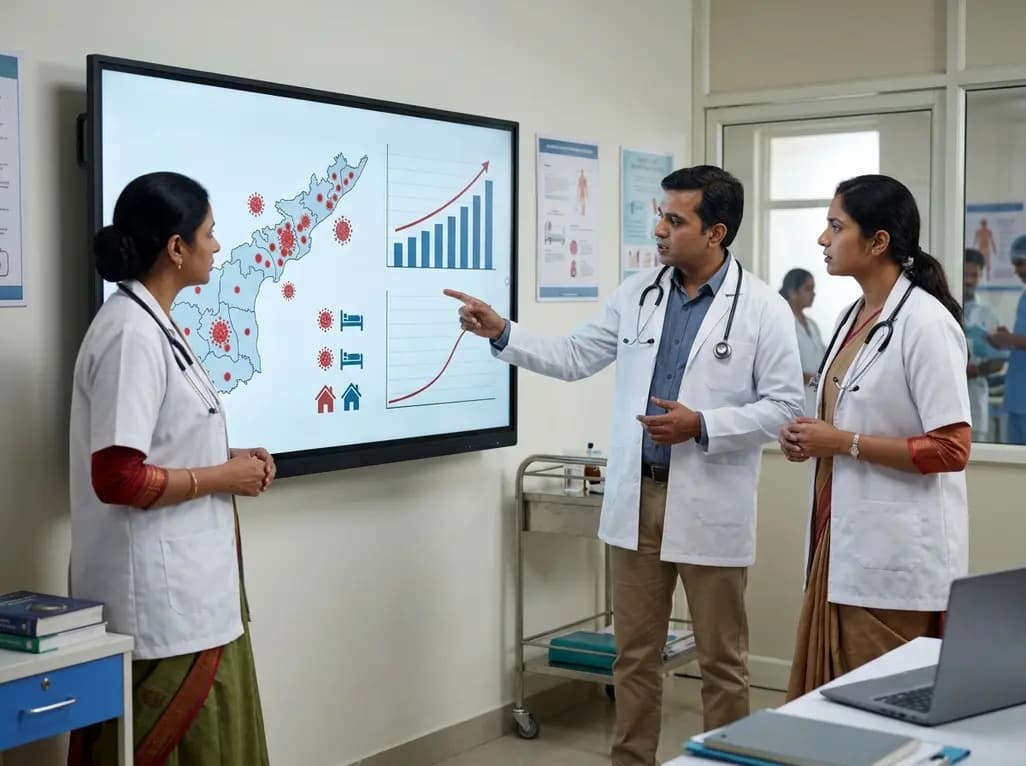
Andhra Pradesh reported 10 new Covid-19 cases, taking the state tally to 49 while deaths remain at four. With 24 patients hospitalized and 16 under home isolation, the Health Department has intensified monitoring. Medical professionals should review regional distribution, diagnostic protocols, and management plans.
Today

An 11-year Swedish registry study of 618 uterine sarcoma patients found that minimally invasive surgery yielded survival comparable to open surgery in early stages. However, adjuvant chemotherapy conferred no survival benefit in localized or advanced disease, highlighting stage and histology as key outcomes.
3 days back
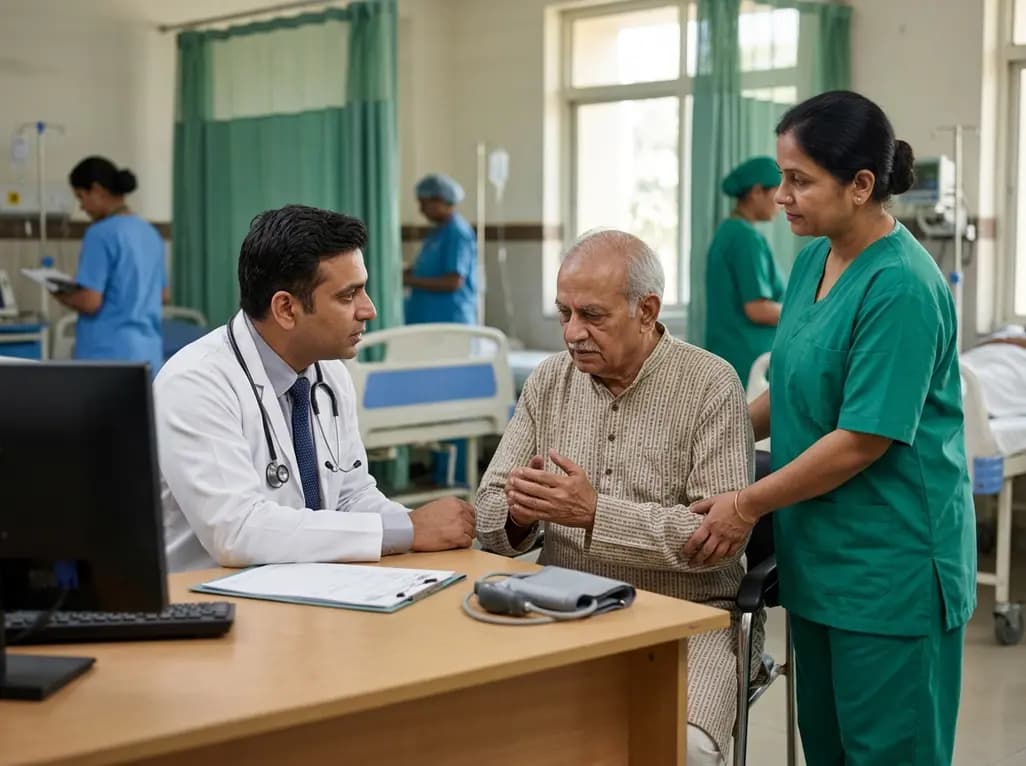
A cross-sectional study evaluates post-intensive care syndrome in cardiac patients 2-4 weeks post-ICU discharge, highlighting cognitive, psychological, and functional impairments and the need for structured multidisciplinary rehabilitation.
3 days back

Anterior cruciate ligament reconstruction failure lacks uniform definition. A narrative review proposes an integrative framework incorporating objective and subjective instability, persistent pain, restricted motion, graft rupture, and secondary meniscal injury to standardize clinical reporting.
3 days back
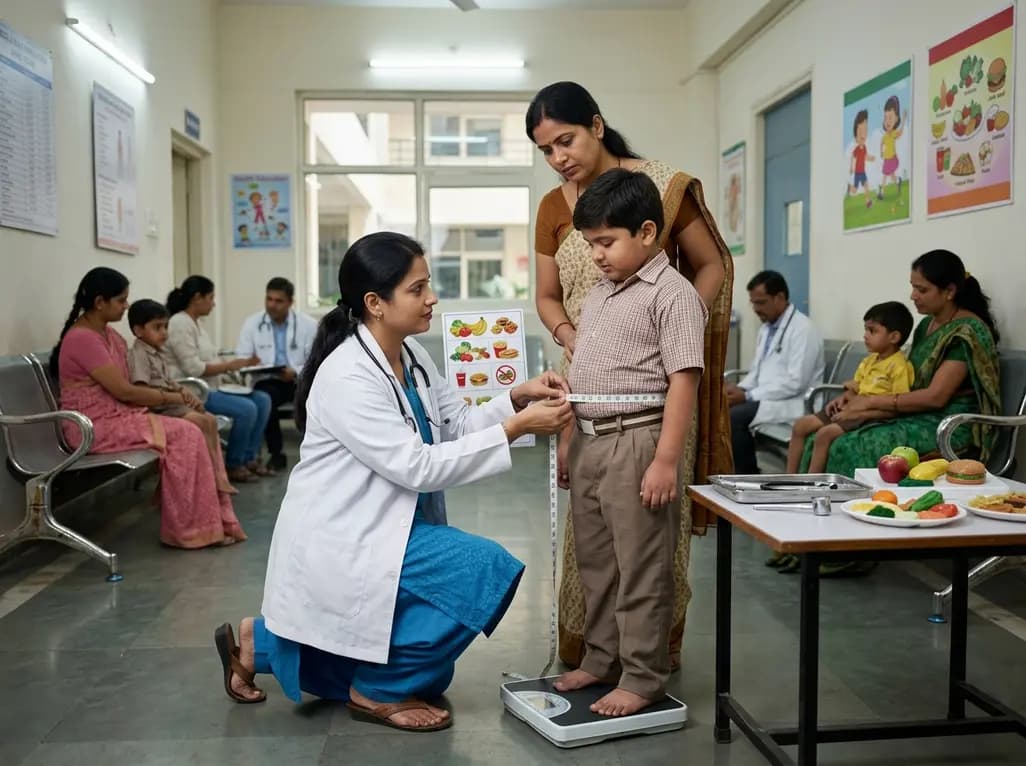
With World Obesity Atlas data warning that over 41 million Indian children are overweight or obese, ICMR and NIN have unveiled a 10-point policy roadmap. The initiative calls for mandatory front-of-pack labeling, HFSS taxes, strict marketing bans, and healthier school environments to curb non-communicable diseases.
Today
