.webp&w=384&q=75)

Loading, please wait...
Loading, please wait...

Recent pharmacological research has identified a novel thiazolidine derivative that functions as a potent PPARγ partial agonist to modulate immune responses. This compound, specifically designated as thiazolidine 13, demonstrates a dual capacity to inhibit pro-inflammatory pathways while actively promoting tissue resolution. Researchers are increasingly focusing on partial agonists because they often provide therapeutic benefits with fewer side effects than full agonists.
Macrophages are plastic cells that change their functional state in response to microenvironmental cues. While the M1 phenotype drives inflammation, the M2 phenotype facilitates tissue repair and anti-inflammatory signaling. Thiazolidine 13 promotes this critical shift toward the M2-like subpopulation. Furthermore, the study used LPS-stimulated RAW 264.7 and THP-1 cells to confirm these effects. Consequently, the compound significantly reduced the production of pro-inflammatory markers like nitric oxide and CD80 expression. Meanwhile, it upregulated anti-inflammatory markers including IL-10, TGF-β, and CD206.
The anti-inflammatory efficacy of compound 13 stems from two distinct mechanisms. First, it effectively inhibits the NF-κB signaling pathway, which is the primary driver of pro-inflammatory cytokine production. Second, it acts as a PPARγ partial agonist. Molecular docking studies revealed that the (S) enantiomer of the compound exhibits a binding mode typical of partial agonists. This orientation allows for moderate receptor activation, which is closely linked to the induction of the M2 marker CD206. Interestingly, PPARγ antagonists only partially reversed these effects, suggesting that the compound also utilizes PPARγ-independent pathways to resolve inflammation.
This dual-action approach is promising for treating chronic inflammatory conditions. By shifting the balance toward an M2-like phenotype, compound 13 not only halts damage but also promotes the resolution of inflammation. Moreover, the predicted high affinity of the (S) enantiomer suggests a focused pathway for future drug development. These findings underscore the potential of thiazolidine derivatives as versatile immunomodulators in modern medicine.
Unlike traditional glitazones which are full agonists, compound 13 acts as a partial modulator. This may lead to fewer side effects while maintaining strong anti-inflammatory properties through macrophage repolarization.
Thiazolidine 13 inhibits the NF-κB pathway, which directly leads to a decrease in pro-inflammatory mediators like nitric oxide and various cytokines in stimulated macrophages.
M2 macrophages are essential for resolving inflammation and initiating tissue repair. Promoting this phenotype helps transition the body from an active inflammatory state to a healing phase.
Disclaimer: This content is for informational and educational purposes only. It does not constitute medical advice or replace professional judgment. Always consult with a qualified healthcare provider for diagnosis and treatment. Refer to the latest local and national guidelines for clinical practice.
References

Read summarized clinical updates, watch expert medical content, and earn CME certifications right from your smartphone.
Open your smartphone camera to scan and install.





A study evaluates how thiazolidine derivative 13 acts as a partial PPARγ modulator to shift macrophages toward an anti-inflammatory M2 phenotype....
6 months ago

An observational study from the NIH All of Us Research Program reveals that adding a multi-ancestry polygenic risk score to machine learning models provides only modest improvements in predicting adult weight gain, underscoring the enduring significance of routine clinical and lifestyle factors.
Today

A study in JAMIA Open shows lightweight open-source reasoning LLMs achieve up to 95% sensitivity and accelerate evidence synthesis screening by nearly twentyfold, presenting a cost-effective, scalable AI solution for biomedical research and systematic reviews.
Yesterday
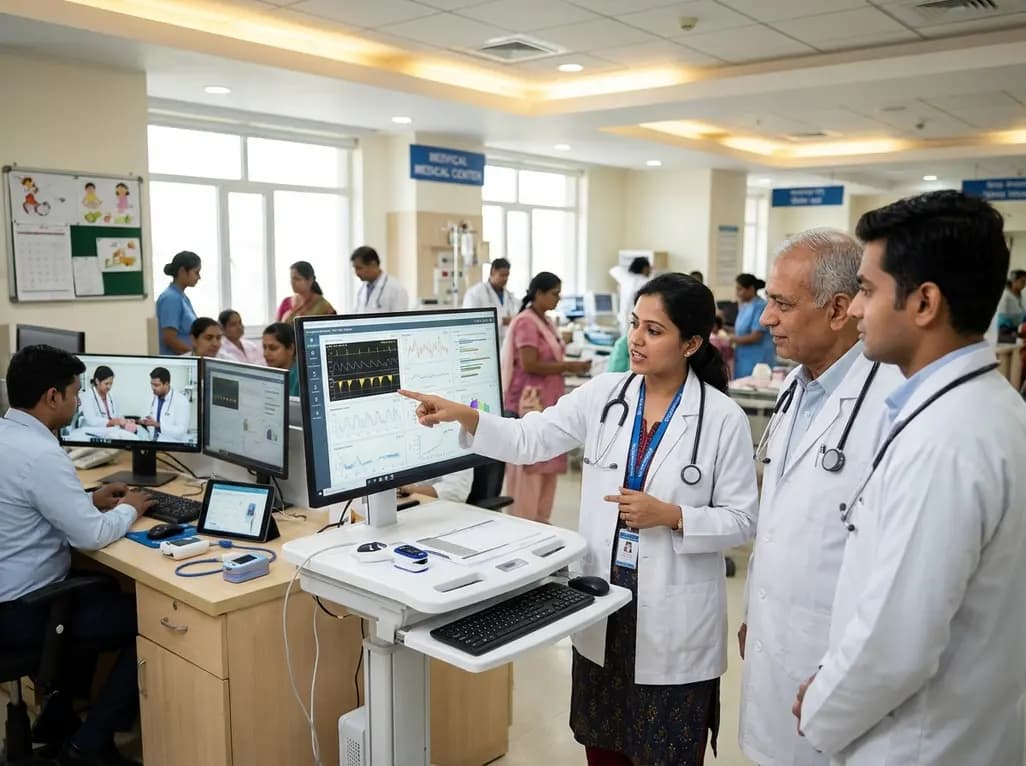
A landmark study details how an enterprise pediatric remote patient management model expanded from a single cardiology pilot to 16 diverse specialty programs by combining centralized digital operations with specialty clinical leadership.
Yesterday
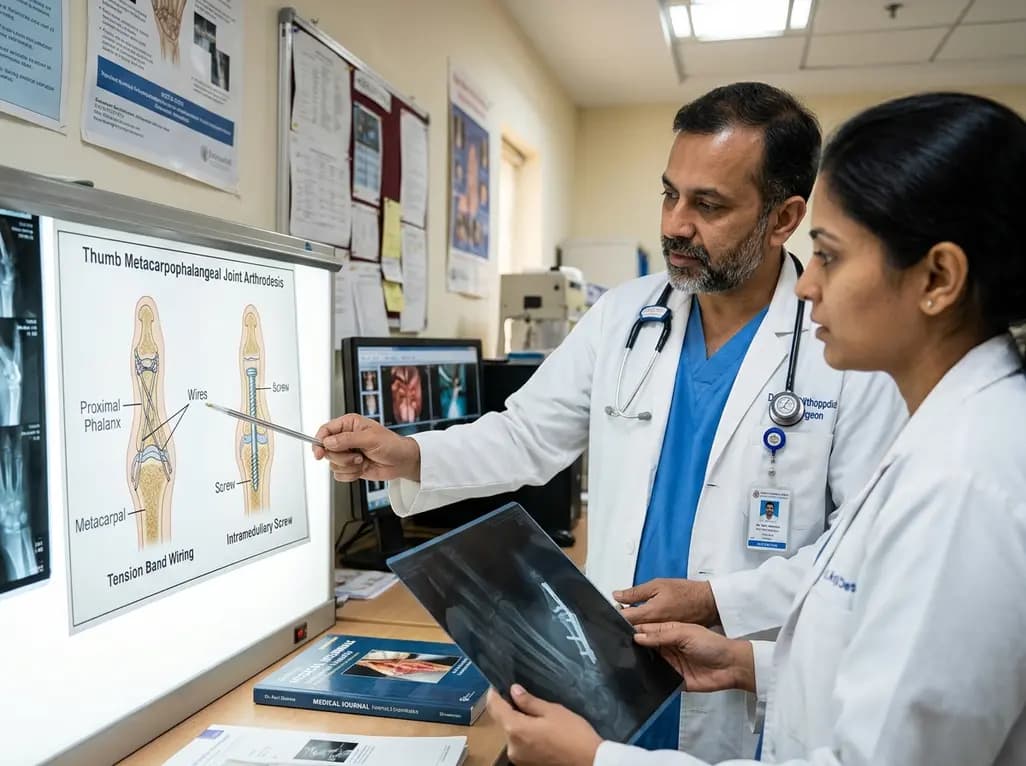
A comparative review of tension band wiring and intramedullary screw fixation in thumb metacarpophalangeal arthrodesis, evaluating union rates, hardware complications, and clinical outcomes.
Yesterday
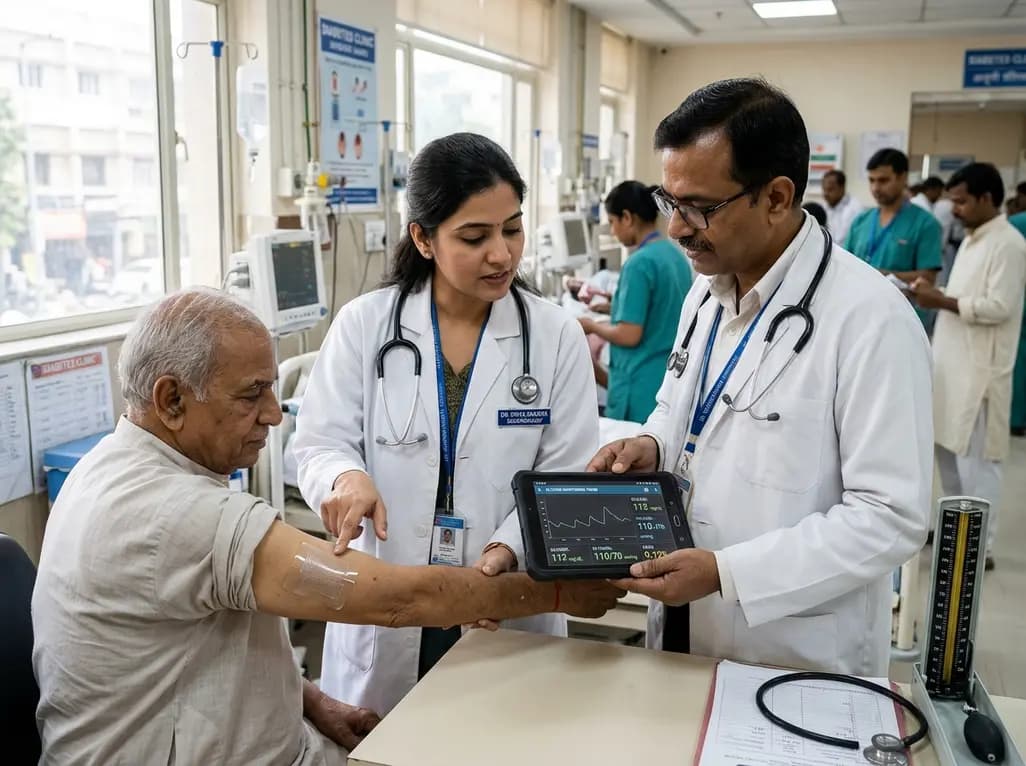
A breakthrough ultrathin multimodal sensor decouples physical hemodynamic monitoring from disposable electrochemical calibration, achieving long-term wearable glucose prediction with 81.36% accuracy and a 9.12% MARD. This offers a robust, drift-free solution for outpatient metabolic surveillance.
Yesterday
