.webp&w=384&q=75)

Loading, please wait...
Loading, please wait...

Digital healthcare has expanded at breakneck speed across the globe over the last five years. Many clinicians hoped that remote consultations would bridge historical healthcare gaps. However, emerging evidence indicates that telemedicine adoption inequalities have persisted and, in certain demographics, noticeably worsened. While initial digital transitions provided immediate alternatives during quarantine restrictions, long-term health technology integration presents complex structural barriers. Healthcare practitioners must understand how these divides evolve so they can design equitable care models that protect vulnerable populations from clinical disenfranchisement.
Public health scholars frequently rely on two competing theories to predict how digital health innovations spread across populations. First, Everett Rogers' classic diffusion of innovations theory suggests that early technology adoption gaps naturally narrow as platforms mature and become ubiquitous. According to this optimistic framework, late adopters eventually catch up once tools become cheaper and easier to use. Conversely, the inverse equity hypothesis posits that novel medical technologies preferentially benefit privileged socioeconomic groups first. Consequently, healthcare inequalities frequently widen before any equitable redistribution occurs.
Until recently, researchers lacked robust longitudinal data tracking individual adoption over extended multi-year periods. Most early pandemic publications relied on cross-sectional snapshots that obscured trajectory trends. Understanding whether telemedicine follows diffusion principles or the inverse equity model is essential for contemporary health system planning. If market penetration alone cannot resolve adoption disparities, health authorities cannot assume that technology will democratize care automatically. Therefore, examining long-term empirical evidence helps clinicians identify persistent structural barriers, anticipate patient dropouts, and actively formulate proactive interventions for underserved patient cohorts.
A landmark longitudinal panel study published in the Journal of Medical Internet Research tracked 10,818 Japanese adults between 2020 and 2024. The investigators harmonized cumulative ever-use metrics across baseline and follow-up waves to examine individual trajectory shifts. To eliminate confounding, the authors fitted inverse probability-weighted multivariable logistic regression models adjusting for baseline demographic, socioeconomic, and chronic health factors. Furthermore, they calculated predictive margins to assess probability-scale difference-in-differences across cohorts.
Overall telemedicine uptake expanded from 2.6 percent in 2020 to 7.0 percent in 2024. However, the statistical analysis demonstrated that telemedicine adoption inequalities failed to narrow over the four-year study interval. Younger participants experienced rapid uptake, but older individuals recorded minimal technological progress. Specifically, participants aged 18 to 29 years demonstrated an absolute increase of 13.1 percentage points. In stark contrast, individuals aged 70 to 75 years registered an increase of only 1.0 percentage point. This yielded an adjusted difference-in-differences of minus 12.1 percentage points. Additionally, baseline employment status influenced uptake trajectories. Upper nonmanual professionals recorded a 5.7 percentage point increase, whereas unemployed individuals experienced only a 2.8 percentage point rise.
The widening gap among elderly individuals represents the most clinically concerning observation of the investigation. Geriatric patients carry the highest chronic disease burden, yet they encounter the steepest barriers to remote medical platforms. Sensory impairments, cognitive challenges, complex multi-step user authentication, and unfamiliar smartphone interfaces systematically exclude seniors from virtual clinics. Consequently, the very cohort that requires frequent medical surveillance remains largely disconnected from digital consultation channels.
When health systems transition routine follow-up consultations to mobile applications, older adults often experience severe isolation from their primary physicians. Moreover, family caregivers do not always possess the technical bandwidth or time to manage digital portals on behalf of senior relatives. Clinicians must recognize that digital illiteracy is not an intellectual limitation; rather, it reflects poor platform ergonomics and insufficient user onboarding. Therefore, healthcare providers must deliberately retain traditional telephone pathways and in-person consultations for geriatric cohorts. Without accessible interface adaptations, rapid digital transformation risks exacerbating clinical disparities among the most vulnerable demographic groups in society.
Socioeconomic position directly shapes how patients navigate modern healthcare infrastructure. In the longitudinal panel, employment status emerged as an independent determinant of virtual platform adoption. Upper nonmanual professionals frequently utilize workplace high-speed internet, premium smartphones, and employer-sponsored flexible hours, which facilitate seamless remote consultations. In contrast, unemployed individuals or precarious manual laborers often lack predictable connectivity, private spaces for consultations, and digital literacy.
Interestingly, differences across household income tiers and educational attainment did not reach statistical significance in the difference-in-differences models. Nevertheless, occupational security and daily routine flexibility clearly influenced sustained engagement with virtual care. When digital platforms demand complex digital identity verification, high-speed streaming capabilities, or cashless digital payment gateways, marginalized individuals face compounding operational friction. Furthermore, fear of technological failure or unauthorized data sharing frequently deters socially disadvantaged individuals from completing virtual visits. Health systems must recognize these occupational determinants to prevent digital care models from amplifying socioeconomic health inequities.
These international longitudinal findings offer profound practical lessons for the Indian healthcare ecosystem. India has witnessed unprecedented expansion in digital health through the Ayushman Bharat Digital Mission and the national eSanjeevani platform. However, rural populations, elderly citizens, and economically vulnerable households face persistent digital divides that mirror international trends. Indian clinicians and administrative leaders must adopt targeted equity safeguards to ensure inclusive medical delivery across diverse patient populations.
First, healthcare systems must invest heavily in assisted telemedicine models. In India, the provider-to-provider eSanjeevani model at Ayushman Arogya Mandirs demonstrates that community health officers and Accredited Social Health Activists can effectively bridge the digital divide. By assisting elderly or illiterate patients during virtual specialist consultations, frontline health workers eliminate interface barriers. Second, private clinics and hospitals must design multilingual, voice-guided, and low-bandwidth digital tools that function reliably on basic smartphones. Finally, doctors should implement hybrid care protocols rather than digital-only workflows. Clinicians must routinely ask patients about their digital comfort during routine visits. Blending accessible virtual follow-ups with robust physical consultations ensures that digital progress advances universal healthcare without leaving vulnerable individuals behind.
Age disparities widened because digital platforms evolved faster than elderly digital literacy and user accommodations. Younger generations intuitively navigate smartphone applications, multi-step authentication, and video calls. Conversely, older adults frequently struggle with sensory deficits, complex software interfaces, and security concerns. Furthermore, post-pandemic healthcare policies prioritized rapid digital deployment over inclusive design. As a result, older individuals relied primarily on physical visits, causing the adoption gap between younger and older demographics to widen substantially.
The inverse equity hypothesis states that privileged populations adopt new medical technologies first, while marginalized cohorts adopt them last. Wealthier, technologically literate, and employed individuals possess superior digital access, financial flexibility, and time to utilize virtual care. Consequently, health inequities initially expand despite overall technological advancement. Equitable distribution occurs only after deliberate interventions, public subsidies, and accessible community infrastructure actively lower technical barriers for economically disadvantaged and vulnerable individuals.
Indian physicians should establish hybrid practice models that preserve direct in-person and telephone follow-up options alongside virtual platforms. During consultations, clinicians should proactively evaluate patient digital comfort and recommend assisted telemedicine pathways, such as local eSanjeevani centers or family-supported portals. Furthermore, clinical teams should offer simplified scheduling, localized language support, and audio-only consultations. These proactive steps ensure that marginalized and geriatric patients receive continuous medical supervision without experiencing technical alienation.
Disclaimer: This content is for informational and educational purposes only. It is not intended to provide medical advice, diagnosis, or treatment recommendations. Always consult a qualified healthcare professional regarding any medical concerns. Clinicians should apply independent medical judgment when interpreting clinical research. Refer to the latest local and national guidelines for clinical practice.
References

Read summarized clinical updates, watch expert medical content, and earn CME certifications right from your smartphone.
Open your smartphone camera to scan and install.





A four-year longitudinal study reveals widening age-related telemedicine adoption inequalities and persistent employment disparities, offering vital equity lessons for clinicians and digital health systems.
Today
A novel multicenter protocol establishes multimodal stroke assessment combining EEG, NIRS, motion sensors, and automated video to enhance acute triage and rehabilitation tracking.
Today
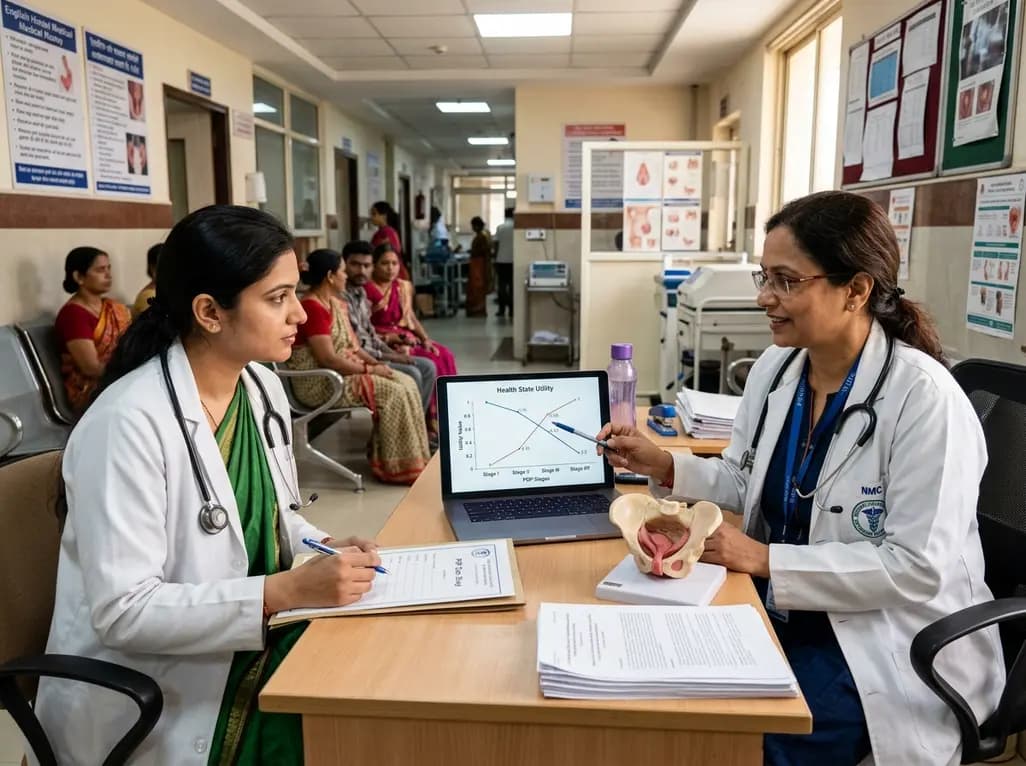
A new study evaluates health state utility for pelvic organ prolapse stages using standard gamble interviews, revealing key insights for economic modeling.
Today
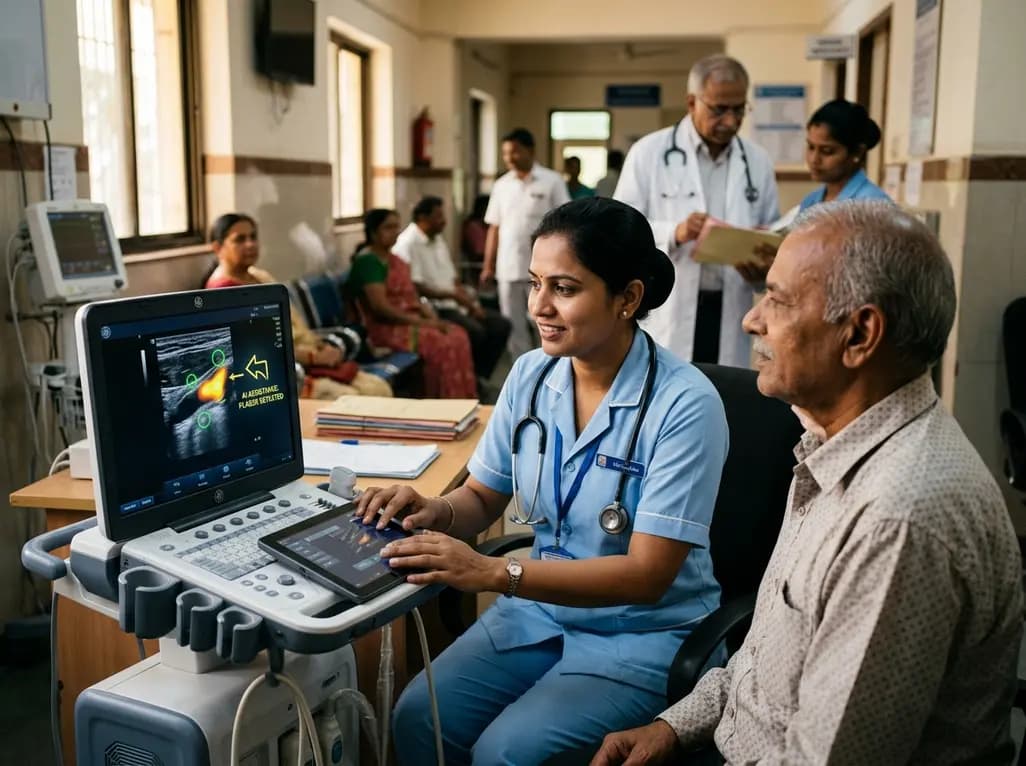
A user-centered study demonstrates that AI-assisted carotid ultrasound enables nonexpert primary care staff to detect subclinical atherosclerosis. With real-time guidance and workflow optimization, this technology supports early cardiovascular risk communication and task-shifting in routine clinical practice.
Today
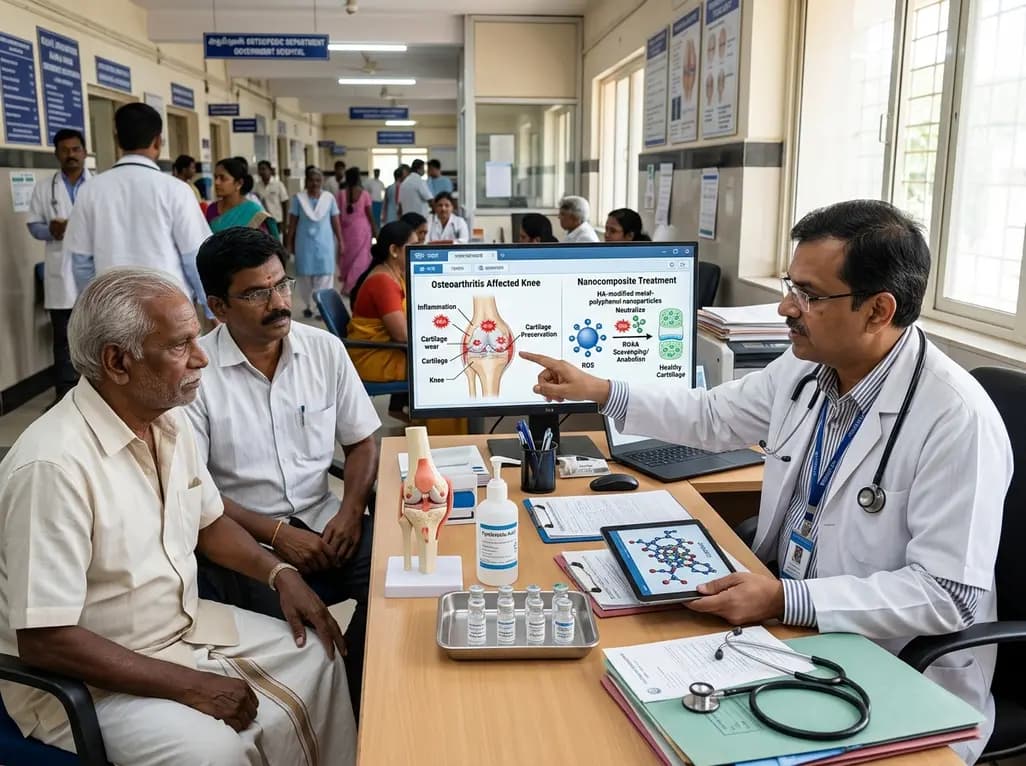
A hyaluronic acid-modified metal-polyphenol nanocomposite successfully eliminates reactive oxygen species in chondrocytes, halts cartilage breakdown, and promotes tissue anabolism, presenting a novel disease-modifying strategy for early osteoarthritis.
Today
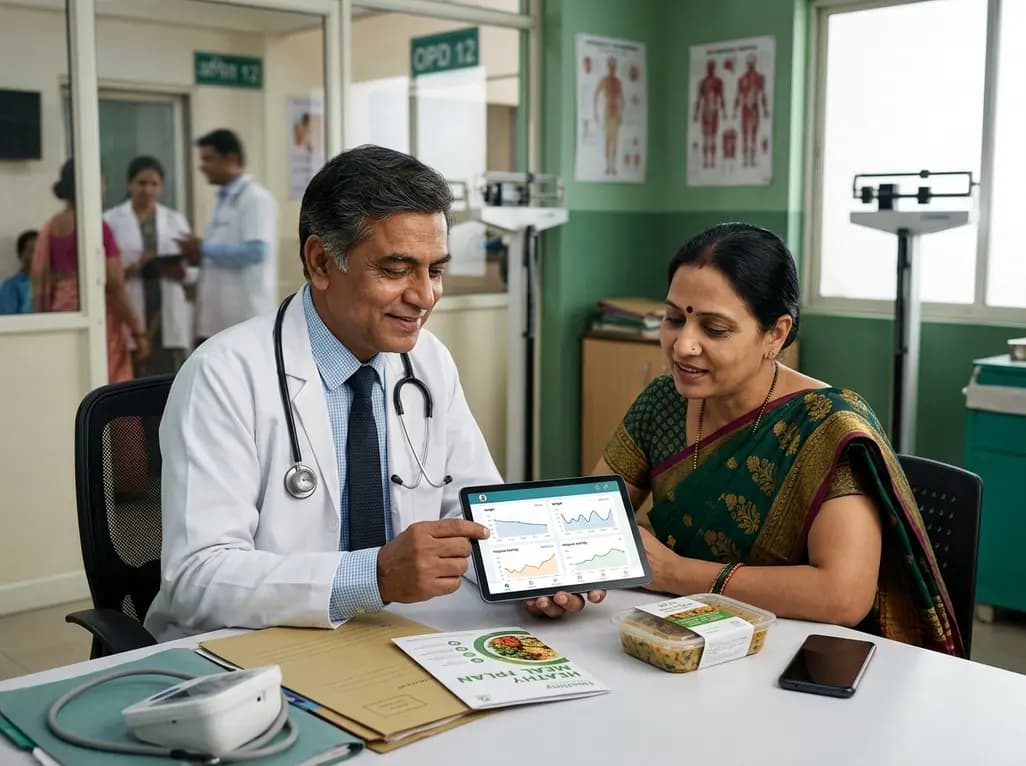
A pilot randomized trial demonstrates that digital wellness applications and medically tailored meals significantly attenuate rapid weight regain following GLP-1 receptor agonist discontinuation, providing valuable transitional support for long-term obesity management.
Today
