.webp&w=384&q=75)

Loading, please wait...
Loading, please wait...

Telehealth physiotherapy cerebral palsy interventions are transforming how clinicians deliver neurorehabilitation to children and youth. A recent scoping review examined how these digital services measure progress using the International Classification of Functioning, Disability and Health (ICF). By identifying specific outcomes and tools, the study provides a roadmap for future telerehabilitation practices. This research is particularly relevant for practitioners seeking to balance remote convenience with clinical accuracy.
The review included fourteen studies with 625 participants aged 6 months to 20 years. Researchers found that most outcomes focused on the "Activity" domain, which accounted for 59.3% of the data. Furthermore, the "Body Structure and Function" domain represented 29.6% of outcomes, while "Participation" lagged at 22.2%. This distribution suggests that telehealth physiotherapy cerebral palsy programs often prioritize functional goals that parents value most in daily life. However, the lower focus on social participation indicates an area where digital health models could improve.
Thirty different standardized instruments were identified across the studies. Specifically, the Assisting Hand Assessment (AHA) and the Gross Motor Function Measure (GMFM) emerged as the most frequent tools. Despite the digital delivery of therapy, 68.2% of evaluations still occurred in person. Consequently, many clinicians continue to rely on face-to-face contact for physical assessments. Only a small fraction of the studies utilized fully remote assessment protocols, highlighting a significant gap in the current evidence base.
Moreover, the feasibility of remote standardized testing remains a subject for further inquiry. While telehealth offers accessibility, researchers must still validate many measurement properties for virtual environments. Practitioners should consider hybrid models where therapy happens remotely but key assessments remain in person. This approach ensures that the data remains reliable while maintaining the benefits of home-based intervention.
The Assisting Hand Assessment (AHA) and the Gross Motor Function Measure (GMFM) are the most frequently used standardized tools. These instruments help clinicians track motor improvements, although they often require physical presence for the highest accuracy.
Focusing on the activity domain reflects the immediate priorities of parents and caregivers. These outcomes directly impact a child's ability to perform daily tasks, making them a primary target for remote physiotherapy interventions.
Only two studies in the review successfully applied all standardized instruments via telehealth. While possible, most clinicians still prefer in-person or hybrid assessments to ensure that the measurements meet established clinical standards.
Disclaimer: This content is for informational and educational purposes only. It does not constitute professional medical advice, diagnosis, or treatment. Always seek the advice of your physician or other qualified healthcare provider with any questions you may have regarding a medical condition. Refer to the latest local and national guidelines for clinical practice.
References
Christovão IS et al. Desfechos e instrumentos padronizados utilizados em intervenções fisioterapêuticas via telessaúde para crianças com paralisia cerebral: uma revisão de escopo usando a CIF. Dev Med Child Neurol. 2026 Apr 02. doi: 10.1111/dmcn.70214. PMID: 41928047.
Gannotti ME, et al. A Framework for Telehealth Physical Therapy for Children with Cerebral Palsy. Frontiers in Neurology. 2022. doi: 10.3389/fneur.2022.880918.
Taba M, et al. Effectiveness of telehealth interventions for the management of cerebral palsy: A systematic review. Journal of Telemedicine and Telecare. 2021. doi: 10.1177/1357633X20980271.
"
Read summarized clinical updates, watch expert medical content, and earn CME certifications right from your smartphone.
Open your smartphone camera to scan and install.





A scoping review analyzes telehealth physiotherapy outcomes for children with cerebral palsy using the ICF framework, highlighting gaps in remote assessment...
6 months ago
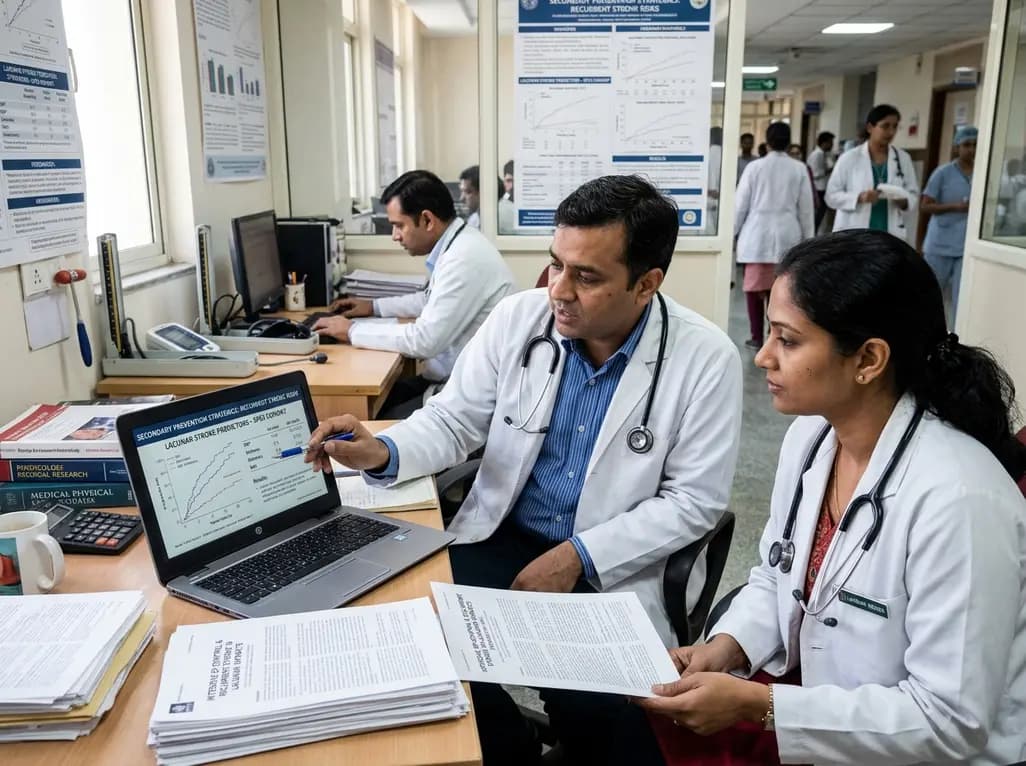
Explore vital recurrent stroke predictors in lacunar stroke patients managed with intensive blood pressure lowering. This analysis examines trial findings from SPS3 to uncover residual vascular risks, metabolic factors, and targeted secondary prevention strategies for high-risk neurological patients.
Today
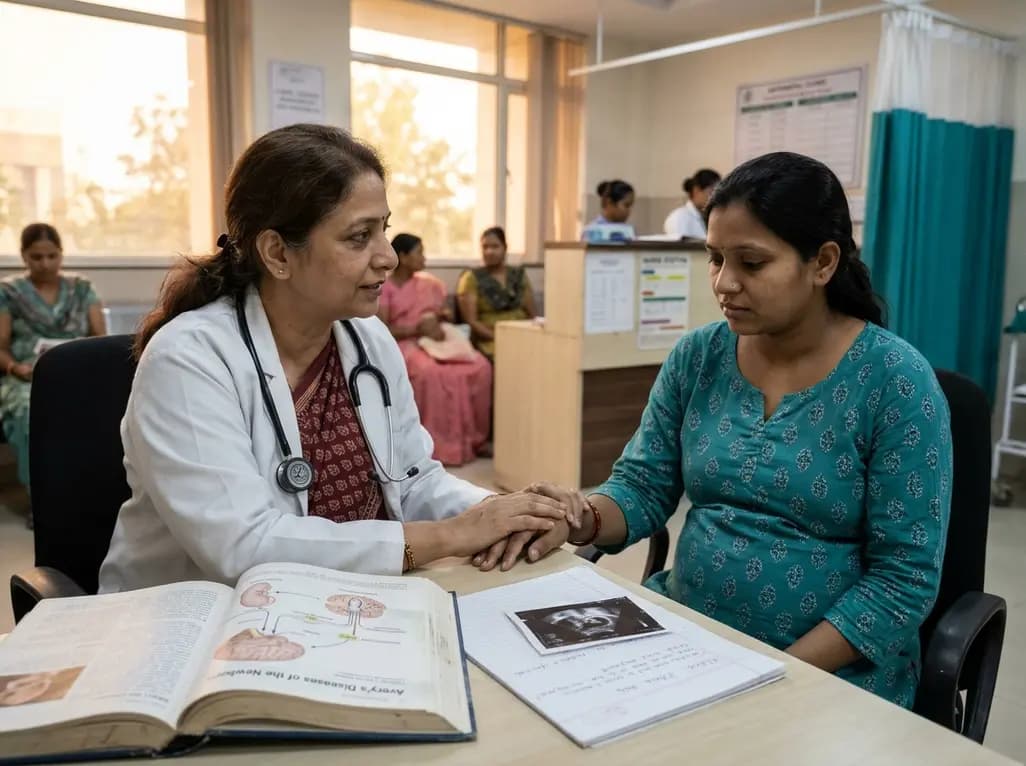
A comprehensive scoping review synthesises evidence linking prenatal maternal mental health to long-term offspring neurodevelopment, evaluating neuroendocrine, inflammatory, and epigenetic pathways while highlighting clinical screening and future research priorities.
Today

The Directorate General of Health Services directs Indian states to halt the hazardous reuse and reprocessing of single-use medical devices. Discover regulatory implications under the Drugs and Cosmetics Act, critical infection risks, legal liabilities, and operational changes required across clinical specialties.
Today

Mitochondria-targeted nanoparticles self-assembled from EGCG and L-glutamic acid effectively restore mitochondrial homeostasis, suppress synovial inflammation, and attenuate chondrocyte senescence in osteoarthritis, offering a promising disease-modifying nanotherapy.
Today

India is advancing preventive healthcare by integrating genomics, artificial intelligence, and quantum technologies. With the SANGAM programme sequencing one million Indian genomes, clinicians can unlock personalized therapies, detect cardiometabolic risks early, and curb the burden of diabetes and heart disease.
Today
