.webp&w=384&q=75)

Loading, please wait...
Loading, please wait...
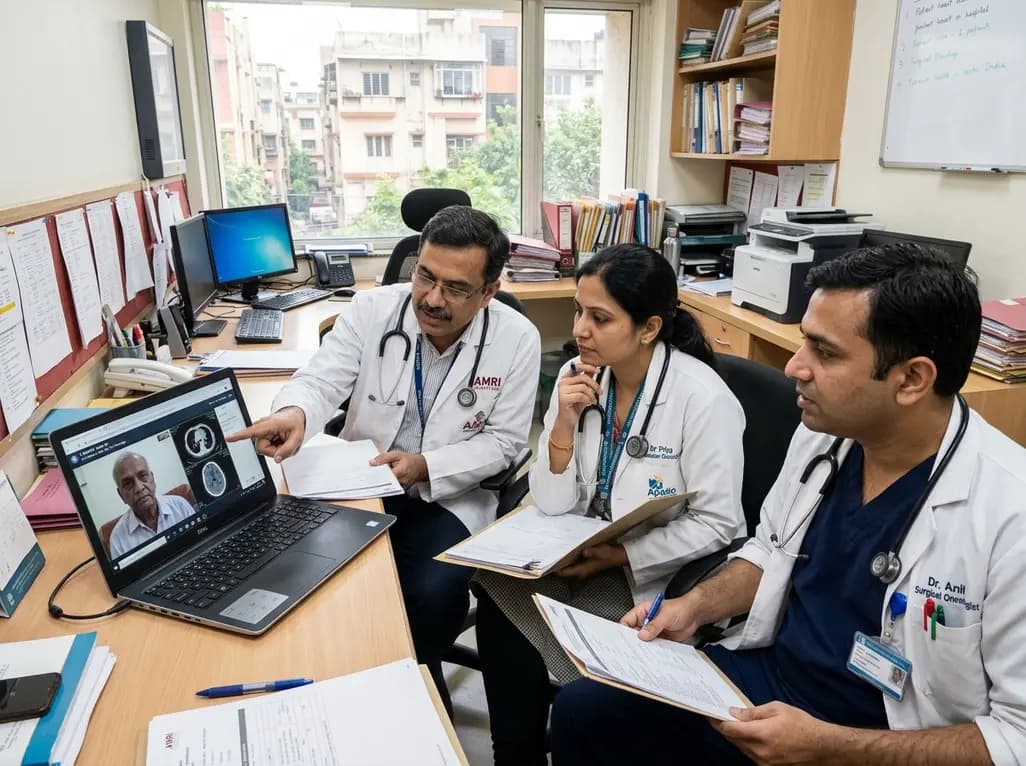
The rapid adoption of virtual care transformed cancer services worldwide during the recent pandemic, establishing remote consultations as an integral component of routine care. However, clinical confidence and practical workflows often differ considerably among medical disciplines. Integrating telehealth in oncology presents notable advantages, such as minimizing travel burdens for immunocompromised patients and streamlining routine follow-up reviews. Nevertheless, oncology clinicians face significant challenges when assessing complex disease trajectories without a hands-on physical evaluation. A cross-sectional survey at the University of California San Diego Moores Cancer Center evaluated clinician perceptions, decision-making factors, and confidence levels across surgical, medical, radiation, and palliative oncology specialties. The findings offer vital insights into how clinicians navigate remote cancer consultations while balancing patient safety and diagnostic rigor. Although overall clinician satisfaction remains high, distinct variations emerge across subspecialties and clinical stages. Additionally, technological hurdles frequently prompt transitions from video visits to audio-only phone calls. Consequently, analyzing these multi-specialty viewpoints enables health systems to optimize hybrid oncology delivery globally.
Modern healthcare platforms allow cancer specialists to coordinate remote discussions with high administrative and operational efficiency. In the academic survey, nearly eighty percent of oncology clinicians rated platform coordination as easy or very easy. Furthermore, audio and video quality received favorable ratings from most participating specialists. Clinicians reported high satisfaction regarding virtual communication, noting that telemedicine effectively accommodates routine reviews of laboratory results, imaging scans, and systemic treatment regimens. Telehealth platforms significantly alleviate logistical burdens for oncology patients who frequently experience cancer-related fatigue, geographical isolation, or mobility limitations. By reducing the physical commute to major medical centers, virtual appointments promote continuous care and treatment adherence. Moreover, multidisciplinary teams benefit when specialists can rapidly confer with patients between formal institutional clinic days. However, digital infrastructure functions most effectively when administrative support teams assist patients with technology onboarding before encounters occur. Therefore, maintaining reliable virtual platforms remains essential for sustaining efficient clinical operations across cancer centers.
Clinician confidence in virtual care varies notably across oncology subspecialties and distinct treatment phases. In the academic center survey, radiation oncologists expressed exceptionally high confidence during both pre-radiation assessments and active radiation therapy courses. Similarly, medical oncologists reported high confidence when conducting pre-chemotherapy evaluations and monitoring patients during active chemotherapy. These clinicians effectively utilize virtual visits to review blood counts, assess treatment side effects, and adjust supportive medications. In contrast, surgical oncology clinicians reported more restrained confidence during initial preoperative visits, with approximately half feeling confident in remote evaluations. However, surgical confidence increased markedly during postoperative phases, where wound healing and recovery milestones could be visually monitored. Palliative care specialists also leveraged remote visits to manage cancer pain and provide supportive psychosocial care. These specialty distinctions show that confidence depends heavily on whether treatment planning requires tactile palpation. Consequently, cancer centers must establish tailored, specialty-specific protocols rather than rigid, universal digital mandates.
The necessity of an in-person physical assessment represents the primary determinant in visit modality selection. Survey results revealed that ninety-three percent of oncology clinicians consider physical examination requirements when choosing between virtual encounters and in-person visits. Interestingly, only half of surveyed clinicians expressed moderate or high confidence in performing remote physical examinations. While visual inspection allows clinicians to inspect surgical incisions, cutaneous changes, or gross physical distress, subtle pathological signs remain difficult to evaluate remotely. Clinicians cannot palpate deep lymph nodes, assess organomegaly, or auscultate lung fields across a screen. Therefore, practitioners appropriately reserve in-person visits for ambiguous symptoms, acute clinical deterioration, or complex physical presentations. Conversely, when clinical management relies predominantly on objective laboratory markers, genomic reports, and radiographic imaging, virtual consults provide excellent diagnostic value. Clinicians also consider patient travel distances, balancing clinical safety with geographic convenience through structured triage.
Despite high communication satisfaction, technical vulnerabilities continue to disrupt oncology consultations. The survey highlighted that eighty-six percent of oncology clinicians occasionally converted scheduled video visits to audio-only phone calls due to technical failures. Furthermore, nearly eighteen percent of respondents reported frequent audio conversions. Bandwidth instability, connection drops, software login hurdles, and hardware incompatibilities frequently impair audiovisual transmission. While audio-only telephone visits preserve basic dialogue and prevent total appointment cancellations, they limit clinical assessment. Phone calls eliminate visual inspection of surgical wounds, non-verbal cues, and visible signs of distress. Moreover, technical disruptions create frustration for vulnerable cancer patients who may struggle with digital literacy. Technical challenges also risk exacerbating disparities among older patients and rural populations lacking high-speed internet. Integrating real-time technical support desks can alleviate these operational barriers. Therefore, healthcare organizations must invest in stable technical infrastructure to preserve the diagnostic reliability of virtual encounters.
Maximizing the clinical value of virtual cancer care requires thoughtful implementation of hybrid healthcare models. Rather than replacing traditional in-person clinics, virtual visits serve as an effective complementary modality for appropriate clinical scenarios. Healthcare institutions should implement standardized screening workflows to guide visit selection based on disease stage, treatment complexity, and examination necessity. For instance, initial diagnostic workups and surgical planning require in-person visits, whereas surveillance and toxicity checks flourish virtually. Additionally, cancer centers must promote digital equity by integrating multilingual translation services and user-friendly digital tools into telehealth platforms. Establishing community-based digital access points can further support rural patients experiencing connectivity barriers. Providing specialized training for clinicians on remote communication and structured visual inspection also enhances care delivery. Ultimately, optimizing telehealth workflows ensures equitable access, improves patient comfort, and preserves high-quality oncology care across diverse clinical practice settings.
Surgical oncologists report lower confidence during initial preoperative evaluations because surgical planning heavily relies on detailed physical palpation and anatomical assessments. However, their confidence increases significantly during postoperative follow-ups. In contrast, medical oncologists report consistently high confidence during both pre-chemotherapy visits and active systemic therapy, as their decision-making relies primarily on laboratory markers, radiographic scan results, and remote toxicity monitoring.
The requirement for a physical examination is the foremost factor determining visit modality, influencing over ninety percent of clinical scheduling decisions. Clinicians reserve in-person visits for palpation, subtle symptom investigation, and procedural planning. Additionally, patient travel distance and geographical burdens strongly encourage virtual visits, allowing clinicians to provide timely consultations while sparing immunocompromised patients long journeys and infection exposures.
Technical disruptions, including poor internet bandwidth, platform connectivity errors, and patient software login difficulties, frequently trigger audio conversions. While telephone calls ensure appointment continuity and prevent total care disruption, they eliminate essential non-verbal cues and visual inspection capabilities. Consequently, health systems must provide dedicated technical support and simplified connection interfaces to maintain video integrity during virtual oncology encounters.
Disclaimer: This content is for informational and educational purposes only and does not constitute formal medical or legal advice. Clinical decisions should be individualized based on each patient's specific presentation, technological access, and examination requirements. Refer to the latest local and national guidelines for clinical practice.
References

Read summarized clinical updates, watch expert medical content, and earn CME certifications right from your smartphone.
Open your smartphone camera to scan and install.





A cross-sectional study evaluates oncology clinician confidence and experiences with telehealth across surgical, medical, and radiation specialties, highlighting technical hurdles.
last month
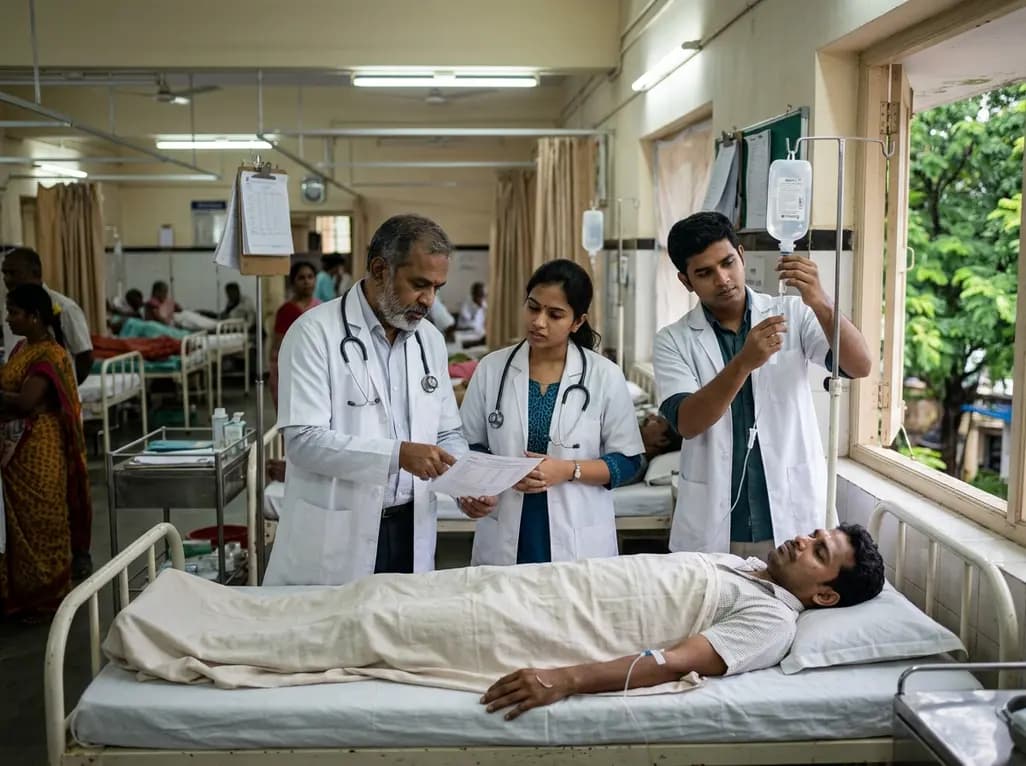
With post-monsoon dengue surges threatening South Asian health systems, physicians must refine triage and management. This guide covers vital warning signs, plasma leakage detection, crystalloid titration, and vector containment strategies to prevent mortality during seasonal arboviral epidemics.
Today
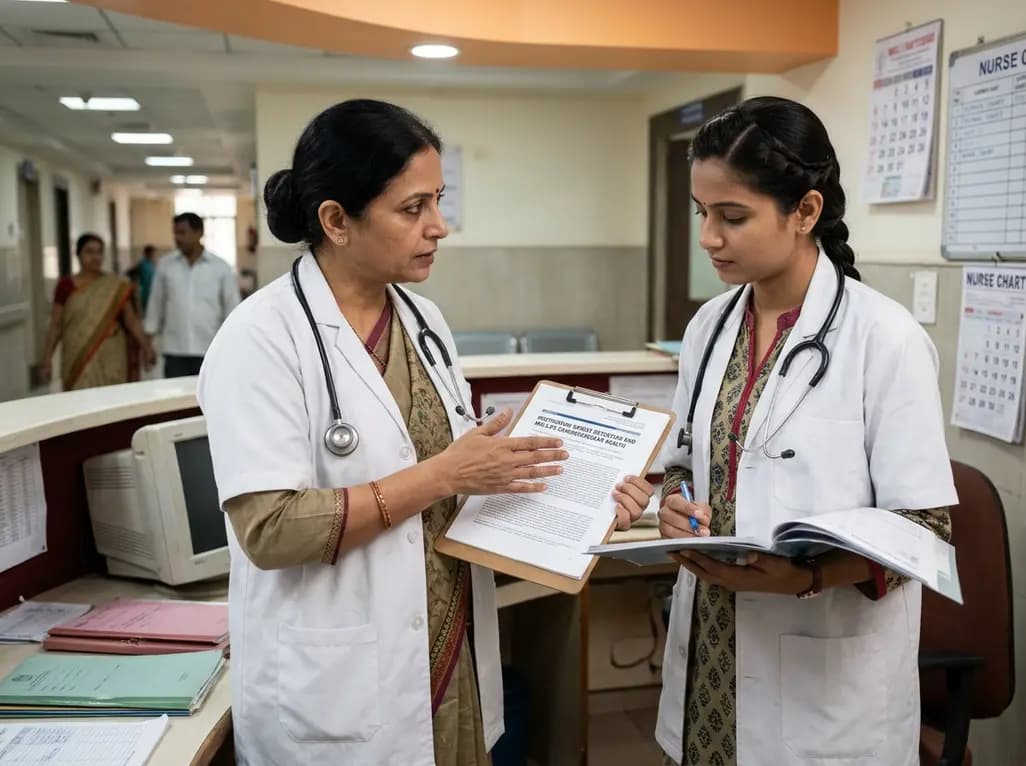
Findings from Project Viva indicate that sustained postpartum weight retention, rather than excessive gestational weight gain alone, directly worsens women's mid-life cardiovascular health, degrading blood pressure and glycemic parameters decades after delivery.
Today
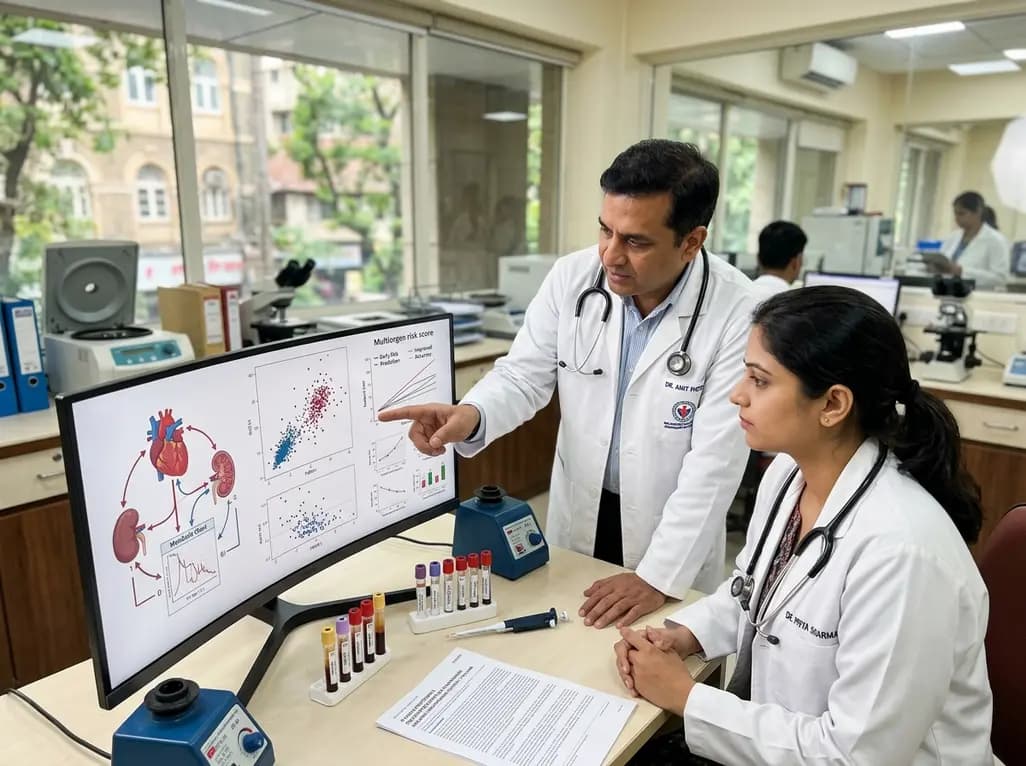
A large UK Biobank study reveals that plasma proteomic signatures capture preclinical organ damage and improve multiorgan risk prediction across early CKM syndrome stages 0 to 2 beyond traditional PREVENT clinical models.
Today
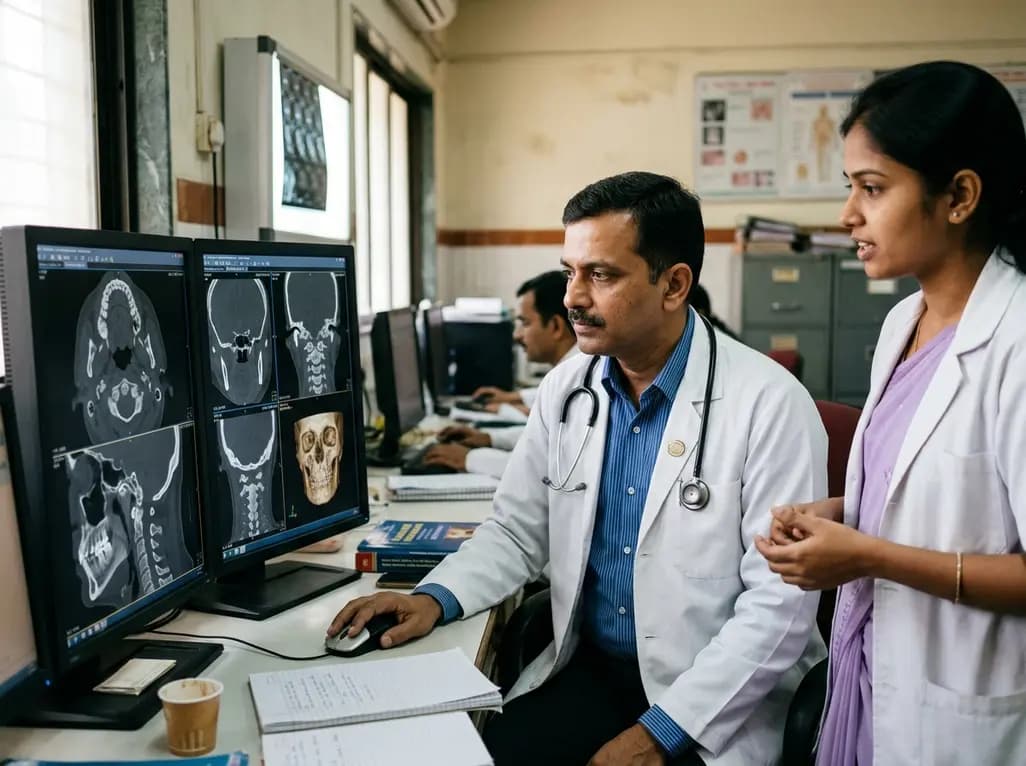
A retrospective CBCT study reveals that superior TMJ space asymmetry correlates moderately with occipital condyle-atlas-axis asymmetry in unilateral TMJ osteoarthritis, highlighting an imaging correlate between jaw biomechanics and upper cervical alignment rather than a standalone diagnostic marker.
Today

A Bayesian multilevel meta-analysis reveals that aerobic training combined with moderate carbohydrate restriction modestly lowers HbA1c in type 2 diabetes. However, sparse data and very low certainty leave incremental benefits over exercise or diet alone unproven, highlighting the need for individualized care.
Today
