.webp&w=384&q=75)

Loading, please wait...
Loading, please wait...
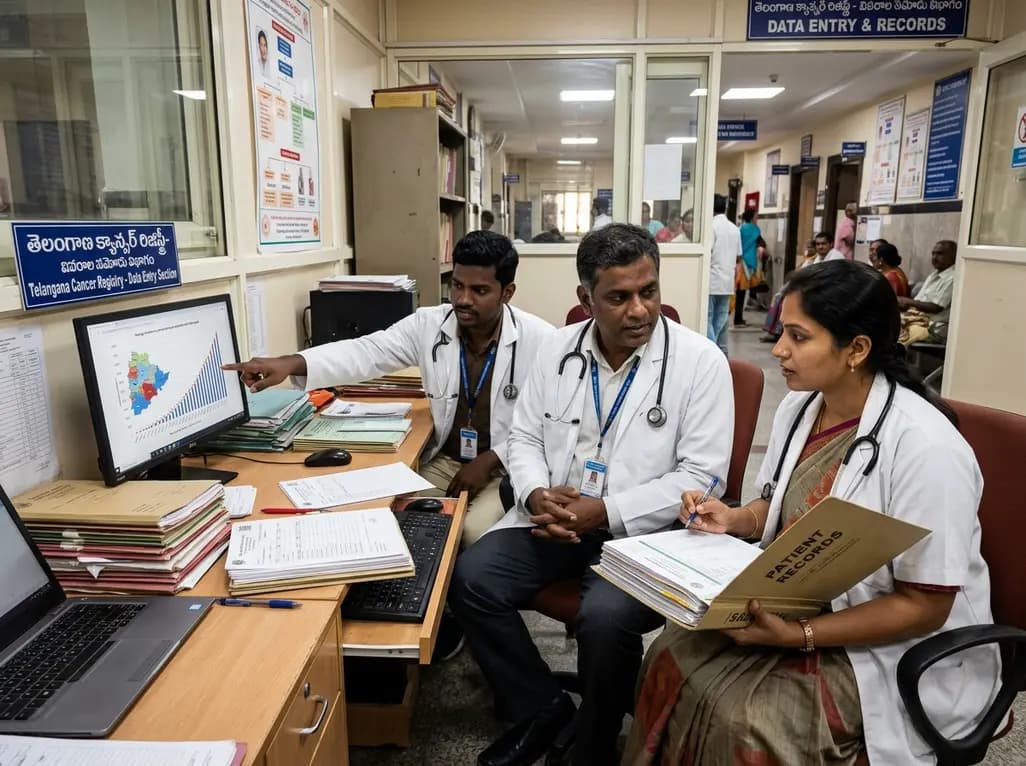
The rollout of the Telangana cancer registry has encountered logistical and operational delays, postponing the publication of comprehensive oncology data across the state. In April 2026, the state government officially designated cancer as a notifiable condition, mandating compulsory reporting from all medical institutions. However, health authorities now estimate that complete consolidation and public release will take until early 2027. This initiative requires every government hospital, private nursing home, and diagnostic facility to document confirmed malignancies through a centralised portal. Clinicians and public health administrators view this digital infrastructure as vital for tracking statewide disease patterns. Nevertheless, systemic data entry bottlenecks and uneven compliance among peripheral centres have slowed the initial verification process. Consequently, healthcare stakeholders must navigate interim data while state teams refine reporting workflows.
Several operational bottlenecks explain why the Telangana cancer registry has faced unexpected delays over recent months. Although the dedicated digital portal launched promptly, compliance varies significantly between major tertiary hospitals and smaller private nursing homes. Many peripheral facilities lack dedicated data entry staff who understand standardized oncological staging and diagnostic coding. Consequently, district medical and health officers must conduct extensive orientation programs across all thirty-three districts. Furthermore, the Mehdi Nawaz Jung Institute of Oncology and Regional Cancer Centre serves as the central coordinating hub. Senior oncologists at this nodal facility emphasize that raw submissions require rigorous filtering before official publication. Health officials estimate that preliminary actionable trends will require another four months of sustained data aggregation. Additionally, generating a definitive epidemiological profile across Telangana will take nearly a year. Public health specialists argue that the health department should publish interim progress reports during this transition period. Transparent communication helps maintain accountability among non-compliant private clinics. Moreover, structured digital training prevents common reporting errors at the institutional level. Through these corrective measures, administrators aim to establish a dependable data repository that truly reflects statewide oncological reality.
Patient mobility represents a significant challenge for public health informatics within the state. For example, a patient residing in Karimnagar often undergoes initial diagnostic biopsy locally before traveling to Hyderabad for definitive surgical resection. If both facilities upload independent notifications without cross-referencing identifiers, the system records duplicate entries for the single malignancy. Therefore, technical teams must design robust de-duplication algorithms that link diagnostic, surgical, and therapeutic encounters across multiple clinical centers. Health officials are actively integrating unique patient identifiers to track ongoing treatment courses without inflating incidence figures. Furthermore, the Indian Council of Medical Research coordinates with the state team to align surveillance methods with national guidelines. ICMR experts review validation parameters each month to maintain high data fidelity. Standardized de-duplication protects epidemiologists from drawing distorted conclusions regarding regional disease burdens. In addition, integrated digital records allow clinicians to view historical treatments administered at distant hospitals. This interoperability prevents redundant investigations and ensures safer multidisciplinary decisions. Ultimately, rigorous de-duplication transforms raw hospital logs into an actionable, longitudinal health intelligence system that benefits practicing oncologists and policy planners alike.
Preliminary data highlights striking contrasts between local disease rates and broader national trends. Health department projections estimate between 55,000 and 60,000 new cancer diagnoses annually across Telangana. Moreover, portal records indicate a statewide incidence of 125 cases per 100,000 population. This figure notably exceeds the national average of 110 cases per lakh, though it remains below global benchmarks. Geographical distribution also reveals marked variations among individual districts. For instance, the Telangana Cancer Burden Profile identifies Hanumakonda as having the highest annual burden at 79 cases per lakh. Hyderabad follows closely with an incidence of 72 cases per lakh population. Urban lifestyle factors, dietary habits, and high diagnostic access partially explain these concentrated clusters. Conversely, rural districts report fewer diagnoses, likely reflecting diagnostic underreporting rather than true disease absence. In addition, the registry database reveals that over ten lakh patients have accessed oncology therapies across state facilities. Women represent nearly two-thirds of this documented patient cohort. Consequently, clinicians must tailor diagnostic vigilance according to local epidemiology while registry officials refine district-level data capture.
Beyond documentation hurdles, the state faces an alarming deficit in community cancer screening. ICMR-NCDIR reports show that less than 4% of women aged 30 to 49 have undergone formal screening. More critically, only 0.3% of women in this vulnerable age bracket have ever received a clinical breast examination. Cervical cancer screening rates are similarly dismal, reaching barely 3.3% of eligible women. Meanwhile, oral cavity examinations among men hover around 2.6%, despite extensive tobacco consumption across the region. As a result of this screening absence, clinicians diagnose more than half of cancer patients at stage four. Metastatic presentation drastically reduces therapeutic efficacy and substantially inflates financial toxicity for families. Primary care physicians therefore hold a critical responsibility in reversing this trend. When doctors routinely examine oral mucosa and perform clinical breast exams during routine visits, early detection rates improve. Furthermore, community health workers must actively mobilize eligible adults for periodic evaluations. Without aggressive frontline screening interventions, digital cancer tracking will merely document advanced, incurable malignancies rather than guide timely preventive cures.
To address the mounting patient load, the state health department has developed thirty-one daycare cancer centres across diverse districts. Each dedicated facility contains ten chemotherapy beds alongside ten palliative care beds. Consequently, cancer patients can receive maintenance systemic therapies and supportive symptom management close to their home communities. This decentralized hub-and-spoke infrastructure links directly with the apex MNJ Institute of Oncology in Hyderabad. More than 1,500 patients have already completed chemotherapy cycles in these peripheral units without traveling extensive distances. Furthermore, local palliative care units mitigate severe oncological pain and reduce hospital readmissions for advanced malignancies. District medical teams administer protocols under standardized oversight, ensuring equal quality of clinical care across rural and urban centers. However, seamless function relies on continuous supply chains for cytotoxic drugs and regular supportive nursing training. In addition, these district daycare units serve as crucial reporting nodes for the state registry portal. When peripheral clinics capture treatment details accurately, central authorities gain immediate visibility into drug utilization and patient outcomes. Ultimately, localized therapy networks create a robust foundation for modern oncology management.
Q1: Why did Telangana declare cancer a notifiable disease?
Telangana declared cancer a notifiable condition to mandate universal reporting from all medical centres, including private clinics and diagnostic laboratories. Because clinicians historically underreported non-communicable diseases, public health planners lacked comprehensive incidence and mortality data. Mandatory notification enables state authorities to construct an accurate epidemiological database, pinpoint high-risk geographical zones, allocate specialized medical infrastructure effectively, and streamline long-term oncology care across government and private institutions.
Q2: What causes the delay in publishing the state cancer registry?
The publication delay stems primarily from inconsistent data entry practices and technical verification requirements across healthcare facilities. Many peripheral nursing homes lack trained medical coders, which necessitates structured district-level training by health officers. Furthermore, data analysts must filter incomplete entries, resolve discrepancies, and run de-duplication checks to link patient records across different hospitals. Consequently, officials require additional time to ensure the final registry provides dependable, statistically sound clinical trends.
Q3: How do low cancer screening rates affect patient outcomes in Telangana?
Critically low screening rates delay cancer detection until malignancies reach advanced or metastatic stages. In Telangana, less than 4% of women undergo preventive screening, and barely 0.3% receive clinical breast examinations. Consequently, over 55% of men and 62% of women receive diagnoses at stage four. Late-stage diagnosis severely limits curative treatment options, increases therapy-related morbidity, inflates healthcare expenses, and markedly reduces overall five-year survival outcomes across common malignancies.
Disclaimer: This content is for informational and educational purposes only. It does not constitute medical advice or replace professional judgment. Refer to the latest local and national guidelines for clinical practice.
References

Read summarized clinical updates, watch expert medical content, and earn CME certifications right from your smartphone.
Open your smartphone camera to scan and install.





Telangana's statewide cancer registry faces delays due to data entry and verification challenges across private and public centres. Clinicians examine how reporting bottlenecks, deduplication efforts, rising incidence rates, and low baseline screening affect regional oncology surveillance and healthcare delivery.
Today
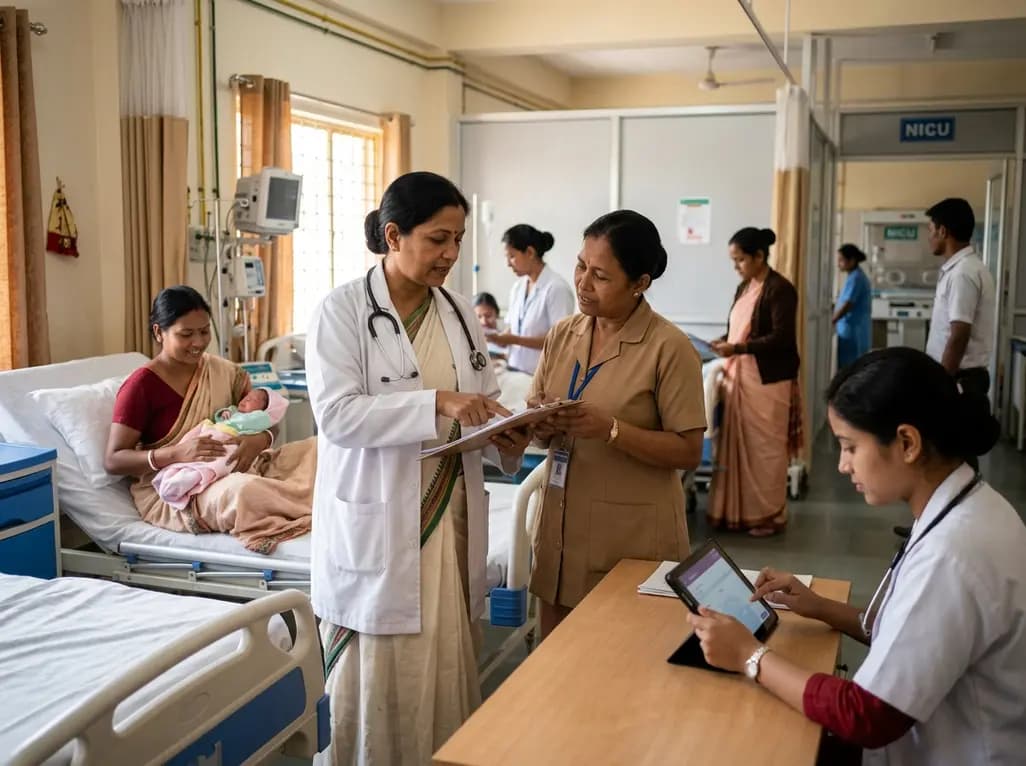
Meghalaya recorded a historic 55% reduction in maternal deaths, dropping from 244 to 107 over five years. Through the MOTHER app, dedicated transit homes, and expanded infrastructure like the 150-bed Tura Maternity Hospital with its first public NICU, the state demonstrates an effective public health model.
Today
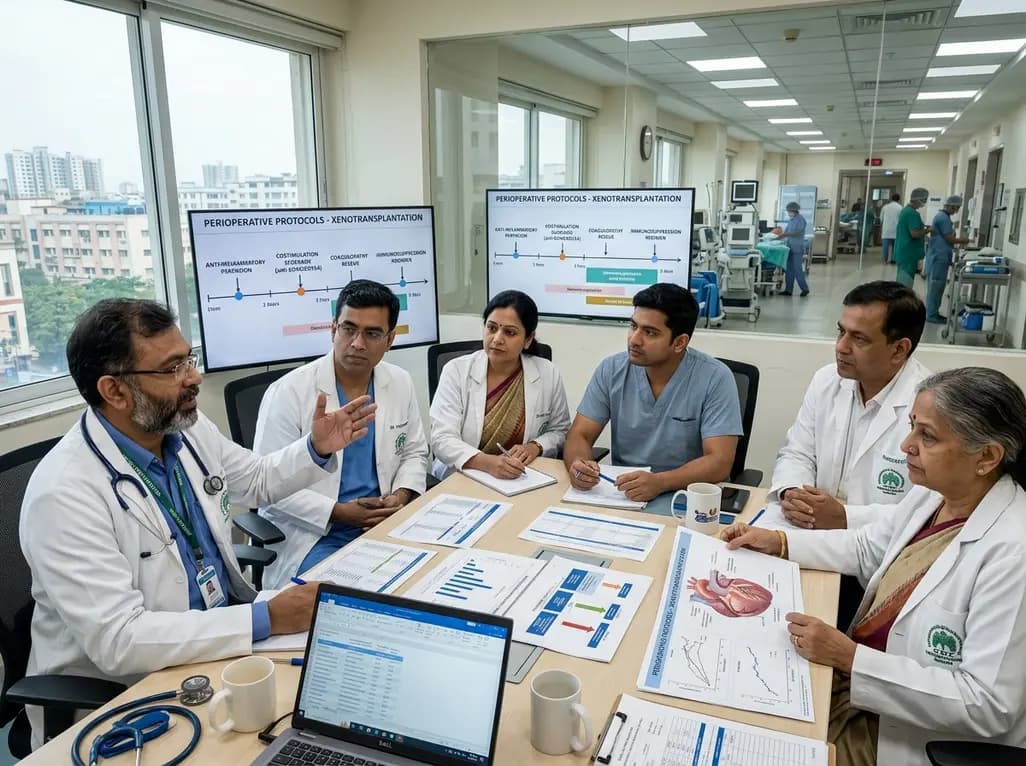
Explore modern perioperative management protocols for clinical xenotransplantation. Learn how costimulation blockade, anti-inflammatory perfusion, and coagulopathy rescue overcome interspecies hurdles.
Today
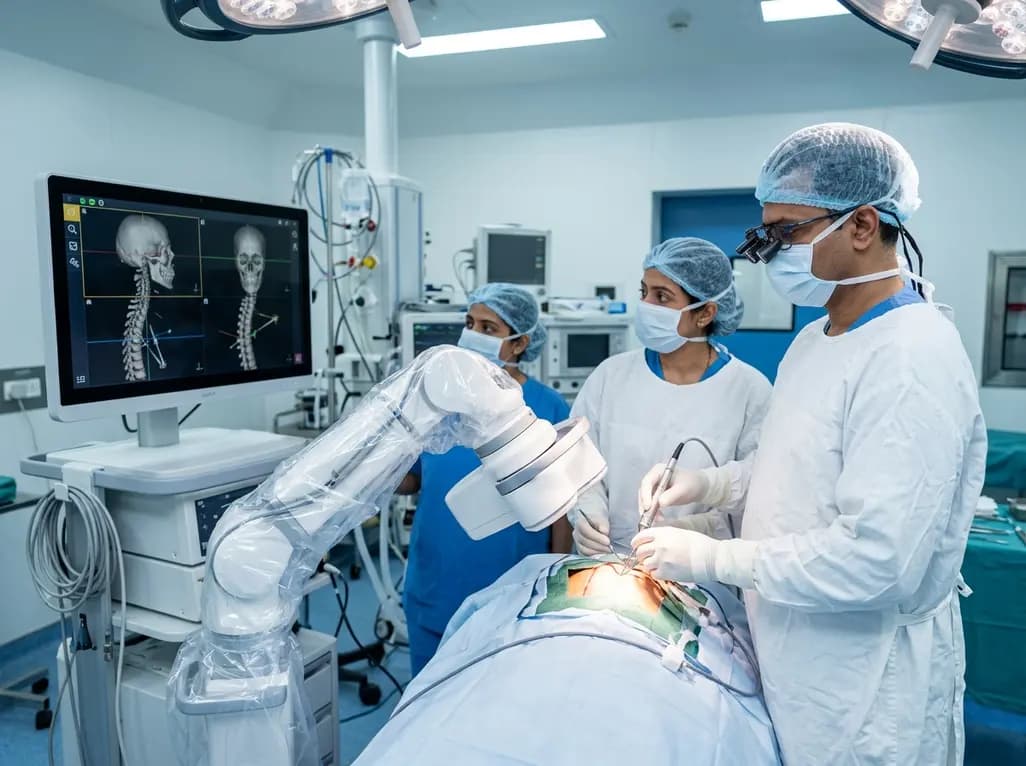
North India's first Centre of Excellence for Brain and Spine at Amrita Hospital Faridabad integrates Brainlab's Loop-X mobile robot. This landmark facility combines cone-beam computed tomography with surgical navigation to elevate precision, optimize operative workflows, and enhance specialized clinician training.
Today
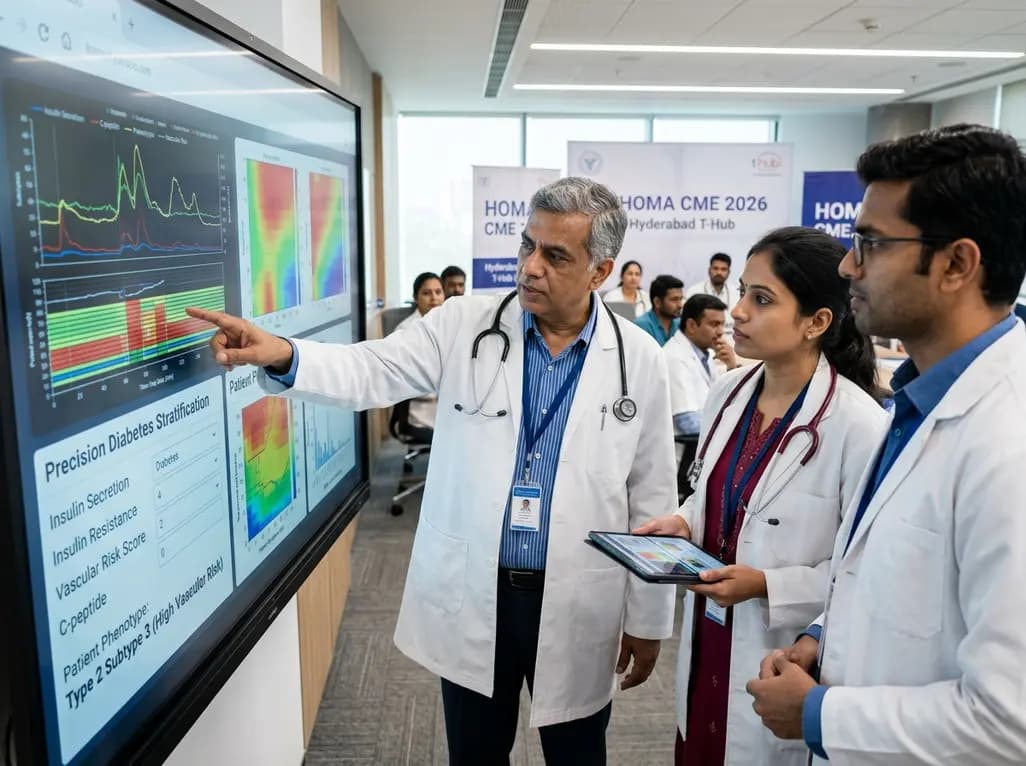
At Homa CME 2026 at Hyderabad's T-Hub, healthcare leaders emphasized moving beyond routine metrics through digital calculators and precision stratification. Discover why characterizing individual insulin secretion, resistance patterns, and vascular risks transforms chronic metabolic care in India.
Today
