.webp&w=384&q=75)

Loading, please wait...
Loading, please wait...
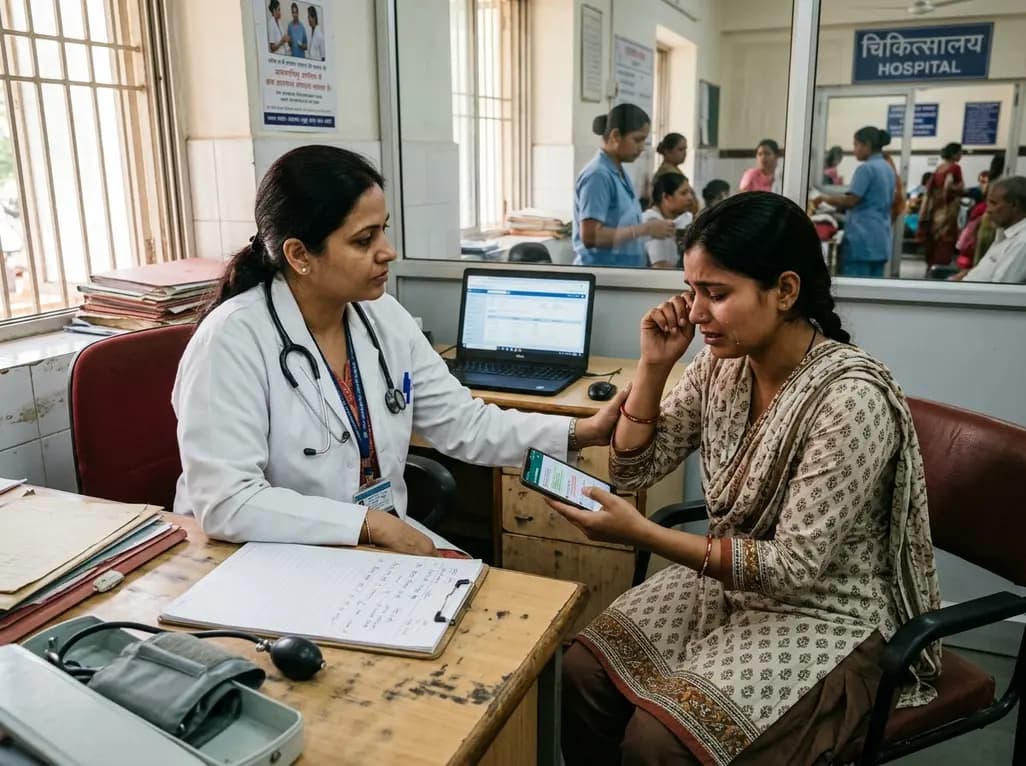
The rapid expansion of digital connectivity has fundamentally altered modern interpersonal communication across the globe. However, digital communication tools also provide novel avenues for abuse, intimidation, and control. In contemporary healthcare, understanding technology-facilitated gender-based violence is essential for medical practitioners who manage the complex consequences of psychological trauma. This form of digital harm represents an extension of structural power imbalances and patriarchal attitudes into online environments. Consequently, vulnerable populations, especially women and girls, encounter severe social and emotional distress. Recognizing how online abuse impacts physical, emotional, and reproductive health enables clinicians to offer timely and compassionate care.
Modern telecommunication tools, social media platforms, and private messaging applications frequently become vectors for severe interpersonal abuse. Broadly defined, technology-facilitated gender-based violence encompasses hostile acts committed, assisted, or aggravated through digital devices. These acts range from continuous cyberbullying and digital stalking to the non-consensual dissemination of intimate photographs and sextortion. In many resource-limited settings, digital violence rapidly amplifies existing offline gender inequities. Furthermore, perpetrators leverage mobile technology to exert ongoing domination over victims. Unlike traditional harassment, online violations operate without geographical boundaries. Because digital content persists indefinitely, victims frequently endure relentless exposure and public shaming. Clinicians must recognize that digital abuse often coexists with physical and emotional domestic violence. In addition, online threats often escalate into direct physical violence. Therefore, assessing digital safety has become an indispensable component of comprehensive clinical histories in primary care.
Several technological mechanisms enable perpetrators to inflict widespread harm with minimal accountability. First, online anonymity shields abusers from immediate identification and legal repercussions. Consequently, perpetrators create pseudonymous accounts to terrorize victims repeatedly across multiple communication channels. Second, digital surveillance tools allow abusers to monitor locations, phone records, and private communications continuously. This invasive tracking reinforces coercive control and severely diminishes personal autonomy. Third, digital networks facilitate the rapid, viral spread of private images and slanderous content. As a result, public humiliation unfolds at extraordinary speed across expansive online communities. In addition, platform algorithms frequently fail to moderate abusive interactions or remove offending media effectively. These systemic digital features make disengagement extremely difficult for targeted individuals. Hence, victims remain trapped in hostile online environments that compromise their psychological safety around the clock.
The psychological toll of digital harassment is severe and long-lasting for affected individuals. Victims routinely present to primary care and psychiatric clinics with debilitating anxiety, chronic sleep disturbances, and acute stress. Furthermore, prolonged exposure to online hostility significantly elevates the risk of major depressive disorder and suicidal ideation. Many affected individuals experience profound shame and severe social withdrawal due to viral defamation. In addition, chronic psychological distress frequently manifests as somatic complaints, including tension headaches, gastrointestinal upset, and unexplained pain syndromes. Healthcare providers must recognize that digital trauma mimics the neurobiological sequelae of chronic domestic abuse. Therefore, thorough diagnostic evaluations should explore interpersonal stressors within the digital sphere. Timely therapeutic interventions can prevent acute emotional distress from evolving into intractable, treatment-resistant psychiatric conditions.
Beyond clinical symptoms, digital abuse creates profound socioeconomic disruptions for women and girls. For instance, young students facing severe cyberbullying often experience steep declines in academic performance. In severe cases, victims abandon their educational pursuits entirely to escape persistent peer harassment and humiliation. Moreover, public defamation jeopardizes employment opportunities, professional reputations, and economic independence. Unfortunately, significant barriers prevent victims from seeking formal medical and psychological assistance. Social stigma, fear of familial retaliation, and victim-blaming attitudes frequently silence affected individuals. Additionally, many victims lack institutional trust in legal systems and healthcare authorities. Consequently, patients often hide their traumatic experiences until severe physical or psychological decompensation occurs. Addressing these deep institutional barriers requires proactive, confidential, and empathetic communication from frontline healthcare professionals.
Physicians, gynecologists, and mental health professionals play a vital frontline role in identifying digital abuse. During clinical encounters, providers should incorporate gentle screening questions regarding digital safety and online harassment. For example, clinicians can ask patients whether digital monitoring or online threats contribute to their presenting symptoms. Furthermore, healthcare teams must maintain trauma-informed environments that prioritize patient confidentiality and personal autonomy. Multidisciplinary collaboration between physicians, clinical psychologists, and medical social workers ensures comprehensive patient management. In addition, healthcare facilities should provide resources regarding digital hygiene, privacy settings, and crisis counseling hotlines. By establishing safe clinical spaces, doctors empower patients to disclose traumatic experiences without fear of judgment. Ultimately, integrated clinical support mitigates long-term emotional trauma and promotes holistic patient recovery.
Effectively addressing digital violence demands comprehensive, multisectoral collaboration across healthcare, law enforcement, and technology sectors. Public health policymakers must advocate for robust data privacy laws and strict digital safety regulations. Furthermore, technology corporations must develop stronger automated filters to detect and remove non-consensual content promptly. Simultaneously, medical education curricula should integrate structured training on digital trauma and gender-based violence. Clinicians who understand these complex dynamics can better advocate for vulnerable patients within community health frameworks. In addition, community awareness campaigns can reduce social stigma and educate young populations on healthy digital interactions. Through sustained advocacy, cross-sector partnerships, and clinical vigilance, society can build safer digital environments. Consequently, healthcare systems will be better equipped to protect the mental and physical well-being of all patients.
Technology-facilitated gender-based violence involves abusive acts committed or amplified through digital technologies, smartphones, and online platforms. It includes cyberbullying, non-consensual sharing of intimate images, digital surveillance, and online harassment targeted disproportionately at women and girls. These actions severely undermine personal safety and psychological well-being.
Digital violence causes significant psychological distress, including major depression, chronic anxiety, panic disorders, and post-traumatic stress. Victims also experience somatic symptoms such as tension headaches, insomnia, and gastrointestinal distress. The persistent nature of online abuse amplifies social isolation and emotional exhaustion across daily life.
Clinicians can support victims by conducting routine trauma-informed assessments and asking gentle questions about digital safety. Furthermore, healthcare providers should offer confidential psychological counseling, validate patient experiences, and connect individuals with social support services, legal resources, and mental health specialists for integrated long-term recovery.
Disclaimer: This content is for informational and educational purposes only. It should not be used as a substitute for professional medical advice, diagnosis, or treatment. Always seek the advice of your physician or other qualified health provider with any questions you may have regarding a medical condition. Refer to the latest local and national guidelines for clinical practice.
References
Tarefa YA et al. Technology-facilitated gender-based violence against women and girls in sub-Saharan Africa: A scoping review. PLoS One. 2026. doi: 10.1371/journal.pone.0354526. PMID: 42616678.
World Health Organization. Addressing violence against women: Key facts and health sector responses. Geneva: WHO; 2024.
United Nations Women. Online and ICT-facilitated violence against women and girls. New York: UN Women; 2023.

Read summarized clinical updates, watch expert medical content, and earn CME certifications right from your smartphone.
Open your smartphone camera to scan and install.





A comprehensive scoping review highlights the growing threat of technology-facilitated gender-based violence. This analysis examines digital harassment, psychological harm, and the vital role of medical professionals in identifying and supporting affected individuals.
last month

A preclinical breakthrough reveals how nodosin drives hepatic stellate cell ferroptosis via the SIRT1-PERK-HSPA5-MARCHF1 axis, degrading GPX4 and reversing experimental liver fibrosis. This discovery uncovers fresh therapeutic avenues for managing chronic hepatic fibrogenesis.
Today

A large UK cohort study of 1.4 million women shows that pregnancy complications, including gestational diabetes, hypertension, and preterm birth, substantially raise long-term risks for hypertension, chronic kidney disease, type 2 diabetes, and cardiovascular events, highlighting early postpartum intervention needs.
Yesterday

A cross-sectional study reveals that hypertension knowledge, illness perceptions, depression, and substance use significantly predict self-care behaviors. Addressing mental health and cognitive beliefs in primary care is crucial for optimal blood pressure control and cardiovascular disease prevention.
Today

This clinical overview examines recent advancements in lumbar disc herniation surgery, comparing microscopic and full-endoscopic discectomy while highlighting biportal techniques and emerging motion-preserving innovations for spine specialists.
Today

Small interfering RNA (siRNA) therapeutics harness RNA interference to degrade disease-causing messenger RNA. By delivering hepatocyte-targeted, durable gene silencing, agents targeting PCSK9, LPA, and angiotensinogen offer potent cardiovascular risk reduction with infrequent, biannual dosing schedules.
Today
