.webp&w=384&q=75)

Loading, please wait...
Loading, please wait...
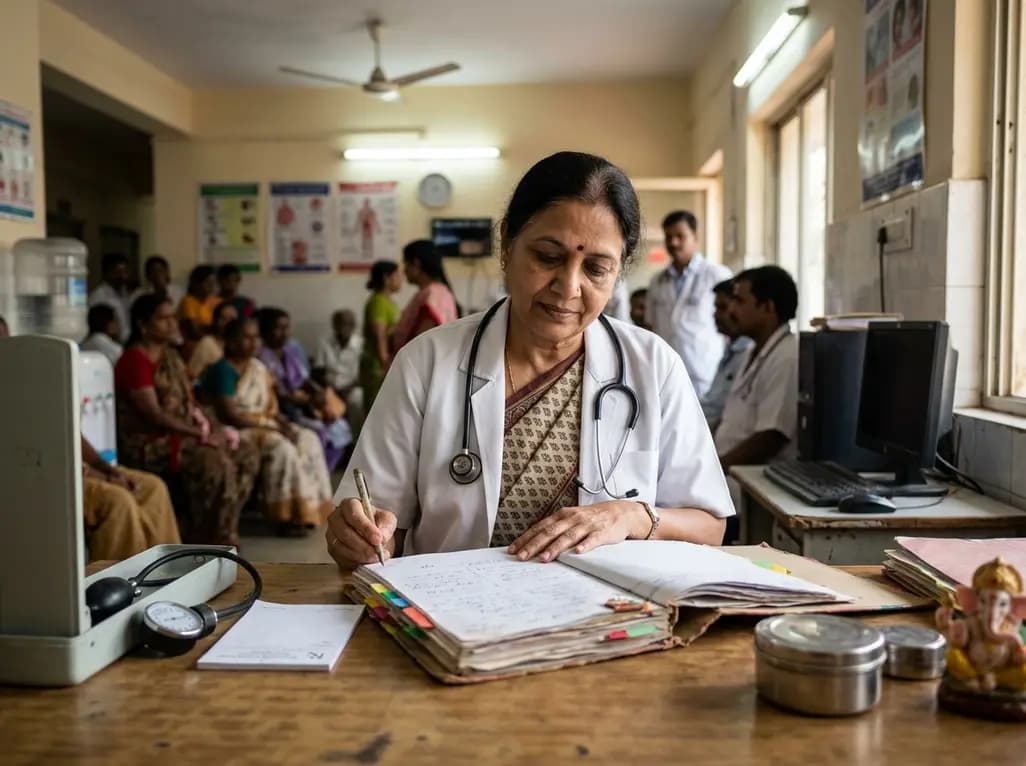
India's ambitious tuberculosis elimination target requires a radical shift in healthcare delivery. Specifically, the nation must combine advanced diagnostic technologies with extensive social mobilization. Under the national TB Mukt Bharat Abhiyaan, the Ministry of Health spearheads a massive campaign to detect missing cases. Consequently, Union Health Minister Jagat Prakash Nadda recently emphasized that success hinges on coordination and precision-targeted screening. Therefore, healthcare providers must understand these policy shifts and clinical strategies to reduce the disease burden. Ultimately, active participation at every level of the health system will drive this national mission forward.
The health system cannot achieve tuberculosis elimination in isolation. Instead, the government is transforming the campaign into a massive people's movement, or Jan Bhagidari. Historically, clinical interventions alone have struggled to reach the most marginalized populations. However, active involvement from community leaders, public representatives, and civil society can bridge this critical gap. Elected officials, including Members of Parliament and Municipal Councillors, must receive regular updates regarding the local disease burden. This communication ensures they can actively support case detection and treatment adherence within their constituencies. Furthermore, senior government officers will monitor campaign progress at the ward level. This structured administrative oversight guarantees that grassroots initiatives remain active and accountable. Additionally, volunteers from programs like MY Bharat play a vital role in mobilizing communities. Through local outreach, these volunteers help demystify tuberculosis and encourage symptomatic individuals to seek testing. Indeed, doctors can partner with these local leaders to identify hidden cases in their clinical practice. Ultimately, this collaborative approach converts clinical protocols into a shared social responsibility. Consequently, it establishes a resilient network of support across the country.
Deploying resources efficiently requires a highly structured, data-driven methodology. For this reason, the National Health Mission utilizes advanced artificial intelligence to conduct comprehensive vulnerability mapping across India. Specifically, this AI-driven process analyzes more than 30 region-specific indicators to identify high-risk areas. As a result of this analysis, the system has successfully identified 1.58 lakh vulnerable villages and urban wards nationwide. In Delhi, this technology has narrowed the geographic focus to just 38 critical wards across 11 districts. Remarkably, these specific areas account for over 80 percent of the national capital's high-risk tuberculosis burden. Consequently, healthcare authorities can now implement a precision-targeted approach rather than distributing resources blindly. Clinicians operating in these high-burden zones must maintain a heightened index of suspicion. Moreover, local screening teams can now deploy active case-finding operations directly to these high-risk areas. This technological approach optimizes diagnostic yields and ensures the efficient allocation of limited healthcare resources. Furthermore, medical officers can leverage this geographical data to prioritize active surveillance within their outpatient clinics. Indeed, artificial intelligence serves as a powerful force multiplier for public health personnel.
Early and accurate diagnosis is the cornerstone of successful tuberculosis elimination. To facilitate this, the central government is expanding the deployment of handheld X-ray machines. Significantly, these compact devices are integrated with sophisticated artificial intelligence software. This integration allows for immediate, automated reading of chest radiographs in the field. Consequently, frontline workers can screen individuals in remote areas or high-density urban slums without diagnostic delays. In the past, traditional screening required patients to travel to distant tertiary centers. This logistical barrier often led to significant loss-to-follow-up before diagnostic confirmation. However, portable technology brings high-quality diagnostics directly to the patient's doorstep. AI-assisted chest X-rays can rapidly detect subtle pulmonary abnormalities, even in asymptomatic patients. Therefore, clinicians can identify presumptive cases much earlier in the disease course. Early detection not only improves individual patient outcomes but also curtails community transmission. By identifying infectious cases promptly, the health system can break the chain of transmission effectively. Additionally, these AI tools assist less experienced radiologists by providing highly reliable diagnostic decision support in remote settings. Thus, integrating artificial intelligence into active screening protocols represents a major technological milestone for the campaign.
Scaling up molecular diagnostic capacity is another key pillar of the revised strategy. Specifically, health authorities recommend providing upfront Nucleic Acid Amplification Testing, or NAAT, for all presumptive cases. This protocol must apply to both drug-sensitive and drug-resistant tuberculosis candidates. In contrast to sputum smear microscopy, molecular tests offer vastly superior sensitivity and rapid drug-resistance profiling. Consequently, patients receive accurate diagnoses and appropriate treatment regimens without unnecessary delays. Furthermore, clinicians must ensure a comprehensive, 100 percent assessment of patients for differentiated care. This clinical assessment helps identify individuals requiring specialized nutritional, social, or medical support. Alongside active treatment, the campaign heavily emphasizes TB Preventive Treatment, known as TPT. Primarily, household contacts of confirmed cases and other vulnerable cohorts must receive preventive therapy. By administering TPT, healthcare providers can prevent the development of active disease in high-risk individuals. As a result, this double-pronged approach of prompt treatment and robust prevention secures long-term control. Moreover, regular updates on drug-resistance patterns help doctors adjust local empiric therapeutic strategies appropriately. Therefore, implementing these clinical guidelines at the primary care level is essential for ending the epidemic.
Successful tuberculosis management extends far beyond clinical prescription. In fact, psychosocial factors often play a decisive role in determining treatment adherence. To address this, the government is expanding the engagement of Ni-kshay Mitras and community volunteers. These dedicated individuals provide essential nutritional assistance and psychological support to patients undergoing long therapy courses. Additionally, local health teams are strengthening their coordination with Resident Welfare Associations and ward committees. This collaboration ensures that patients do not face social stigma or isolation during their recovery. Moreover, clear and simple communication remains central to all public outreach efforts. Using easily understandable language helps demystify the disease and encourages early self-reporting. Healthcare providers must also leverage these community networks to track patient progress closely. Historically, treatment interruption has been a major driver of drug-resistant tuberculosis strains. Therefore, continuous community-based monitoring is vital to ensure complete treatment compliance. Through this unified approach, the health system can offer holistic care that goes beyond simple pharmacotherapy. Additionally, direct benefit transfers for nutritional support help alleviate financial distress for struggling families. Ultimately, this social safety net secures better treatment outcomes and fosters a healthier society.
Q1: What is the primary focus of the TB Mukt Bharat Abhiyaan in high-risk areas?
The campaign focuses on precision-targeted active case-finding through AI-driven vulnerability mapping and technology integration. By analyzing region-specific indicators, health authorities identify vulnerable villages and urban wards. Frontline workers then deploy portable, AI-enabled handheld X-ray machines to screen high-risk populations. This strategy facilitates early diagnostic detection and allows clinicians to initiate treatment promptly, significantly reducing community transmission rates.
Q2: Why is upfront molecular testing emphasized over traditional sputum microscopy?
Upfront molecular testing, specifically Nucleic Acid Amplification Testing (NAAT), provides much higher diagnostic sensitivity compared to conventional sputum smear microscopy. Additionally, molecular assays can rapidly identify drug-resistant tuberculosis strains in a single step. Consequently, this technology enables clinicians to prescribe accurate, targeted treatment regimens immediately. Minimizing diagnostic delays in this manner prevents clinical deterioration and helps curb the spread of resistant strains.
Q3: How does the Ni-kshay Mitra initiative support tuberculosis patients in India?
The Ni-kshay Mitra initiative facilitates community-driven psychosocial and nutritional support for tuberculosis patients. Under this program, individual donors, corporate entities, and civil organizations adopt patients to provide monthly nutritional baskets and diagnostic assistance. This crucial intervention addresses the deep socioeconomic factors that often lead to treatment interruption. Ultimately, robust community support improves overall treatment adherence and helps patients achieve successful clinical recovery.
Disclaimer: This content is for informational and educational purposes only. It does not constitute medical advice or replace professional judgment. Refer to the latest local and national guidelines for clinical practice.
References

Read summarized clinical updates, watch expert medical content, and earn CME certifications right from your smartphone.
Open your smartphone camera to scan and install.





Explore how the TB Mukt Bharat Abhiyaan integrates cutting-edge AI-driven screening and public participation (Jan Bhagidari) to accelerate tuberculosis elimination in India. Learn about regional risk mapping, upfront molecular testing, and the critical role of primary care physicians in driving early case detection.
3 months ago
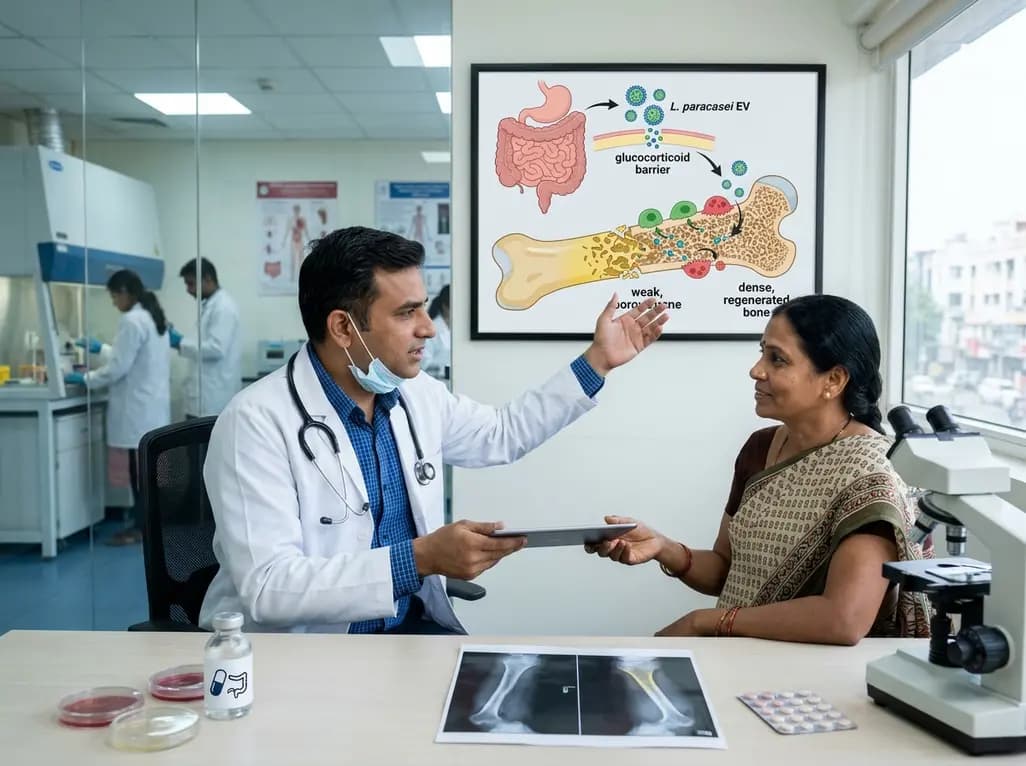
A novel oral nanoplatform using Lacticaseibacillus paracasei-derived extracellular vesicles delivers alendronate, reversing glucocorticoid-induced bone loss and restoring gut-immune-bone homeostasis.
Today

A study in JAMIA Open shows lightweight open-source reasoning LLMs achieve up to 95% sensitivity and accelerate evidence synthesis screening by nearly twentyfold, presenting a cost-effective, scalable AI solution for biomedical research and systematic reviews.
Yesterday
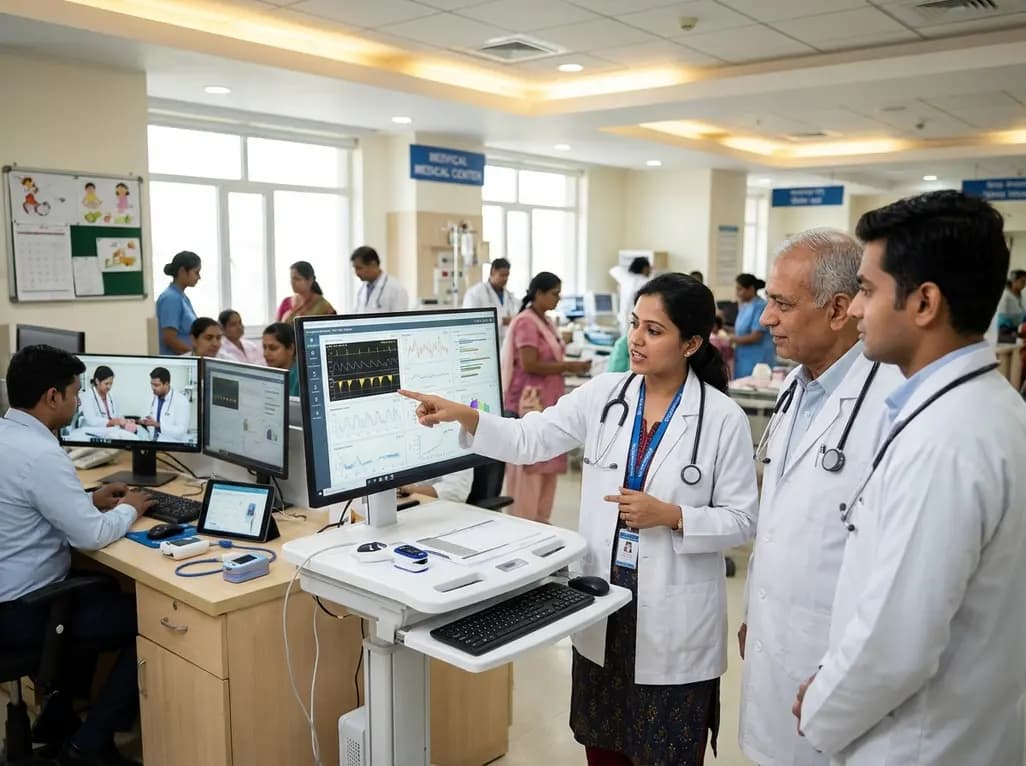
A landmark study details how an enterprise pediatric remote patient management model expanded from a single cardiology pilot to 16 diverse specialty programs by combining centralized digital operations with specialty clinical leadership.
Yesterday
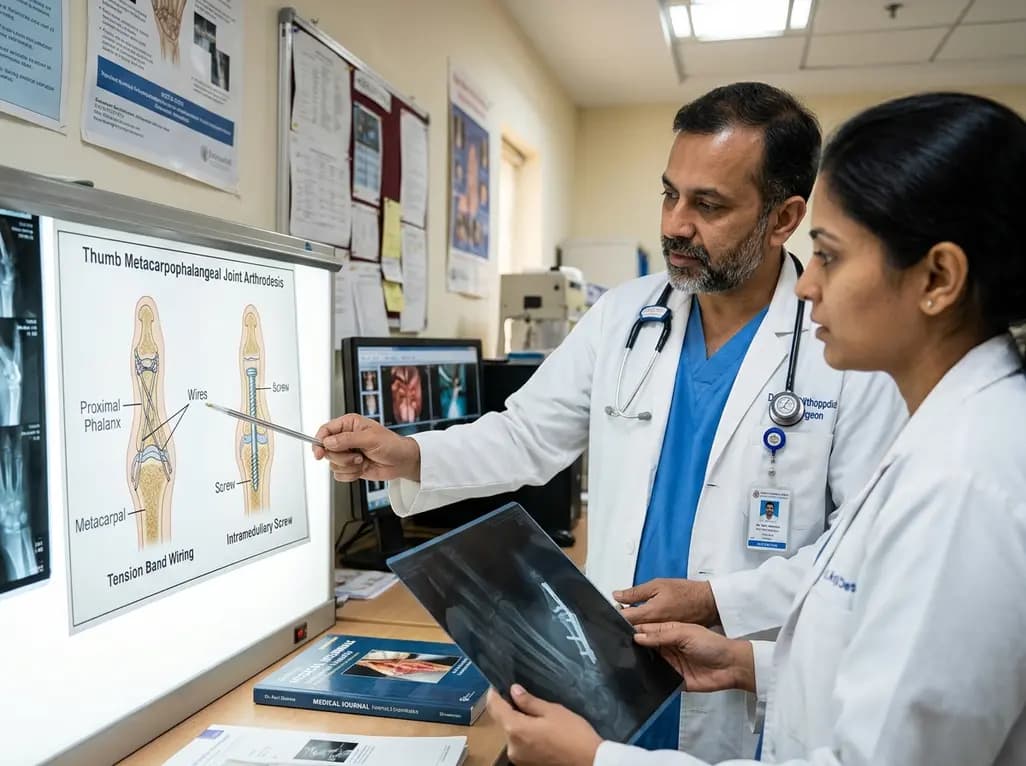
A comparative review of tension band wiring and intramedullary screw fixation in thumb metacarpophalangeal arthrodesis, evaluating union rates, hardware complications, and clinical outcomes.
Yesterday
A real-world trial evaluating a near-infrared spectroscopy noninvasive glucose monitoring device in adults with type 2 diabetes demonstrated a combined MAD/MARD of 16.3 across 2,616 paired readings, highlighting its clinical feasibility.
Today
