.webp&w=384&q=75)

Loading, please wait...
Loading, please wait...
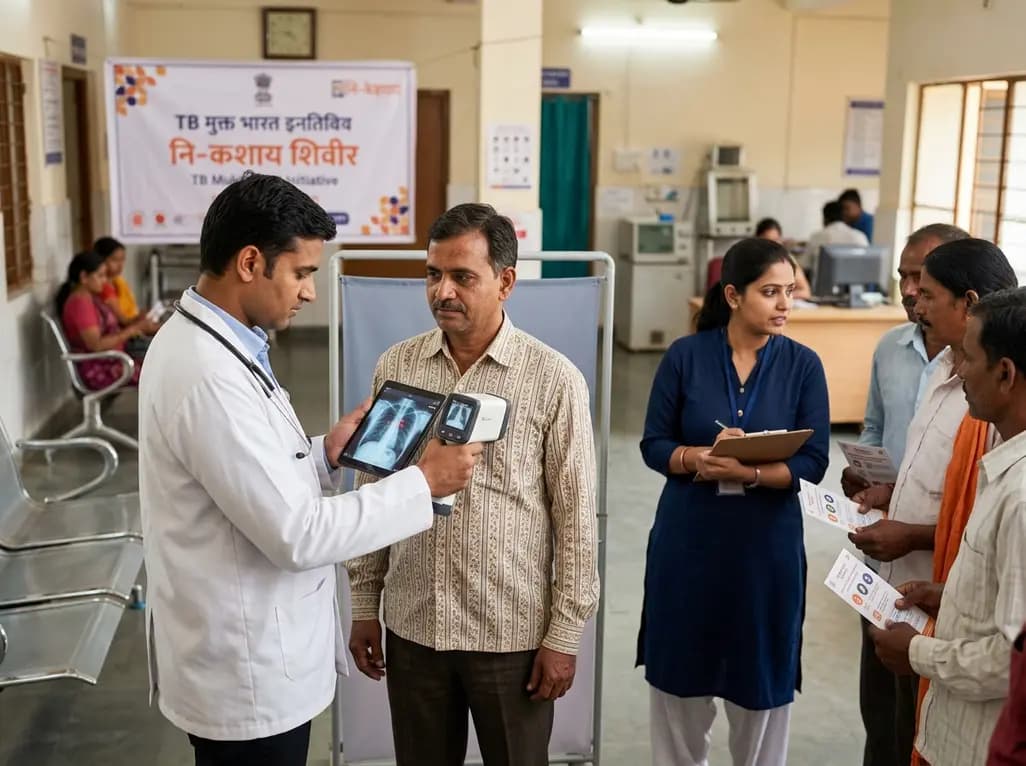
Union Health Minister J P Nadda recently urged parliamentarians from Jharkhand and Odisha to intensify local interventions under the national TB elimination drive [1]. During interactions held alongside the Monsoon Session of Parliament, he emphasized reviewing healthcare services and mobilizing local communities [1]. Consequently, lawmakers are expected to partner actively with district collectors and health facilities across their constituencies [1]. Furthermore, sustained political leadership and clinical engagement remain paramount to achieving a TB Mukt Bharat nationwide [1].
The national TB elimination drive represents a multi-pronged public health strategy designed to eradicate tuberculosis across India [1]. Central to this strategy is the shift from passive clinical presentation to active, systematic screening [1]. Consequently, healthcare authorities are deploying intensified outreach campaigns targeting vulnerable populations in high-burden districts [1]. Recently, the 100-Day TB Mukt Bharat Abhiyaan successfully completed two comprehensive phases [1]. The second phase alone covered nearly 1.58 lakh high-risk villages and urban wards [1]. During this national campaign, frontline workers screened over 2.2 crore vulnerable individuals [1]. As a result, healthcare teams detected over seven lakh new tuberculosis cases nationwide [1]. Crucially, active field screening identified 1.97 lakh asymptomatic TB cases that might otherwise have gone undetected [1]. Identifying subclinical infections early is vital because it prevents ongoing community transmission and reduces long-term lung morbidity. Therefore, parliamentarians are urged to perform routine reviews of diagnostic infrastructure in their districts [1]. Furthermore, ensuring uninterrupted supplies of anti-TB medications is essential for maintaining treatment adherence [1]. By linking legislative oversight with public health delivery, India aims to build a robust defense against tuberculosis [1].
Certain geographic regions present complex clinical challenges for tuberculosis control due to unique environmental and demographic risk factors [1]. For instance, states like Jharkhand and Odisha exhibit heightened vulnerability linked to extensive mining belts and occupational dust exposure [1]. Furthermore, these regions contain large populations of tribal communities, migrant workers, and informal labor settlements [1]. Malnutrition, urban slums, tobacco consumption, and alcohol dependency further compound infection rates in these areas [1]. Consequently, targeted outreach strategies are vital to bring essential services directly to high-risk individuals [1]. State health departments are utilizing Ayushman Arogya Shivirs in mining areas, construction sites, and urban slums [1]. During the recent campaign, Jharkhand notified 16,754 TB patients, including 4,574 asymptomatic individuals [1]. Similarly, Odisha notified 15,268 cases, which included 3,514 asymptomatic patients [1]. These findings illustrate that active community screening effectively uncovers hidden disease burden in challenging environments [1]. Clinicians in these states must maintain a high index of suspicion when evaluating patients with occupational exposure or chronic constitutional symptoms. Additionally, integrating routine nutrition screening with TB testing significantly improves patient management in vulnerable populations.
Modern technology has dramatically transformed active case finding and early diagnosis under the national tuberculosis program [1]. Previously, reliance on conventional sputum smear microscopy often resulted in delayed diagnoses and lower sensitivity. Today, technological expansion has equipped field workers with advanced diagnostic machinery across rural and urban centers [1]. Molecular testing capacity has expanded from a few hundred machines a decade ago to over 9,000 machines nationwide [1]. Modern rapid molecular assays allow prompt identification of Mycobacterium tuberculosis alongside drug-resistance markers [1]. Furthermore, field teams now utilize nearly 3,000 AI-enabled handheld X-ray units for immediate radiologic screening [1]. These lightweight digital devices allow healthcare workers to conduct screening camps in remote, hard-to-reach locations [1]. Artificial intelligence software evaluates chest radiographs within seconds, flagging subtle pulmonary lesions for rapid follow-up [1]. Consequently, field clinicians can instantly select suspicious cases for confirmatory molecular testing [1]. This streamlined diagnostic workflow drastically reduces time-to-treatment initiation and minimizes patient loss-to-follow-up [1]. Moreover, digital health tools like the Ni-kshay portal enable seamless tracking of patient outcomes across public and private sectors [1].
Sustaining long-term progress against tuberculosis requires converting public health policies into a genuine Jan Andolan, or mass movement [1]. Elected representatives play a critical role in normalizing health discussions and combating social stigma associated with TB [1]. Therefore, parliamentarians are organizing Ni-kshay Shivirs to encourage voluntary health screening among vulnerable groups [1]. Furthermore, effective tuberculosis control extends beyond clinical diagnostics and pharmacological therapy [1]. The Pradhan Mantri TB Mukt Bharat Abhiyaan incorporates comprehensive nutritional, psychosocial, and economic support for patients [1]. Under the Ni-kshay Mitra initiative, community volunteers, corporate entities, and civil society organizations provide monthly food baskets to affected families [1]. This nutritional support is crucial because severe undernutrition increases disease reactivation risk and impairs therapeutic response [1]. Additionally, regular psychosocial counseling helps patients maintain strict adherence throughout multi-month drug regimens [1]. Public health officials encourage local leaders to conduct supportive supervision of block-level health centers regularly [1]. Consequently, health systems can ensure superior service delivery and prompt management of adverse drug events [1]. Community-driven oversight ultimately fosters patient-centric care that enhances overall treatment success [1].
Decisive public health measures under the national program have yielded significant epidemiologic achievements over the past decade [1]. According to the WHO Global TB Report 2025, India recorded a 21 percent decline in TB incidence between 2015 and 2024. Notably, this rate of reduction is nearly twice as fast as the global pace of decline. Additionally, the national program achieved an outstanding treatment success rate of 92 percent among registered patients [1]. These achievements underscore the effectiveness of combining proactive active case finding with robust patient support systems [1]. However, maintaining this positive momentum requires continuous clinical vigilance and expanded testing access. As active screening identifies higher proportions of asymptomatic cases, early clinical management becomes increasingly pivotal [1]. Asymptomatic tuberculosis carries subclinical tissue involvement that can progress to overt disease or contribute to persistent low-level transmission [1]. Therefore, prompt treatment initiation protects lung architecture and prevents secondary infections. Healthcare providers must align practice with updated national operational guidelines to maintain high standards of care. Together, innovative diagnostic technologies, political leadership, and community mobilization are driving India toward a TB-free future [1].
Q1: How does the 100-Day TB Mukt Bharat Abhiyaan improve active case finding?
The 100-Day TB Mukt Bharat Abhiyaan enhances active case finding by implementing targeted micro-plans across high-risk villages and urban wards [1]. Mobile healthcare teams utilize AI-enabled handheld X-rays and rapid molecular diagnostic tools to screen vulnerable populations directly in their communities [1]. Consequently, this active screening strategy detects both symptomatic and asymptomatic TB cases early, significantly shortening diagnostic delays, preventing lung tissue damage, and curbing ongoing disease transmission [1].
Q2: What role do molecular testing and AI-enabled handheld X-rays play in TB diagnosis?
Molecular testing machinery provides rapid, highly sensitive detection of Mycobacterium tuberculosis while simultaneously identifying drug-resistance markers like rifampicin resistance [1]. Meanwhile, AI-enabled handheld X-ray units enable instant, field-level radiologic screening in hard-to-reach rural locations [1]. Together, these advanced diagnostic technologies dramatically reduce turnaround times [1]. As a result, clinicians can rapidly confirm diagnoses and initiate appropriate treatment regimens, ensuring superior therapeutic outcomes for patients nationwide [1].
Q3: Why are states like Jharkhand and Odisha prioritized in national TB elimination strategies?
Jharkhand and Odisha are prioritized due to significant environmental, occupational, and socio-demographic risk factors present in those states [1]. Industrial mining activities cause widespread occupational dust exposure, increasing pulmonary disease vulnerability among local workers [1]. Additionally, high proportions of tribal communities, migrant workers, urban slums, and undernutrition elevate overall disease risk [1]. Targeted outreach programs like Ayushman Arogya Shivirs deliver specialized diagnostic and therapeutic services directly to these vulnerable populations [1].
Disclaimer: This content is for informational and educational purposes only. It does not constitute medical advice or replace professional judgment. Refer to the latest local and national guidelines for clinical practice.
References

Read summarized clinical updates, watch expert medical content, and earn CME certifications right from your smartphone.
Open your smartphone camera to scan and install.





Union Health Minister J P Nadda urged parliamentarians from Jharkhand and Odisha to intensify local efforts for TB elimination. Utilizing AI handheld X-rays, expanded molecular testing, and community-led Ni-kshay Shivirs, India aims to strengthen active case finding and achieve a TB Mukt Bharat.
Today
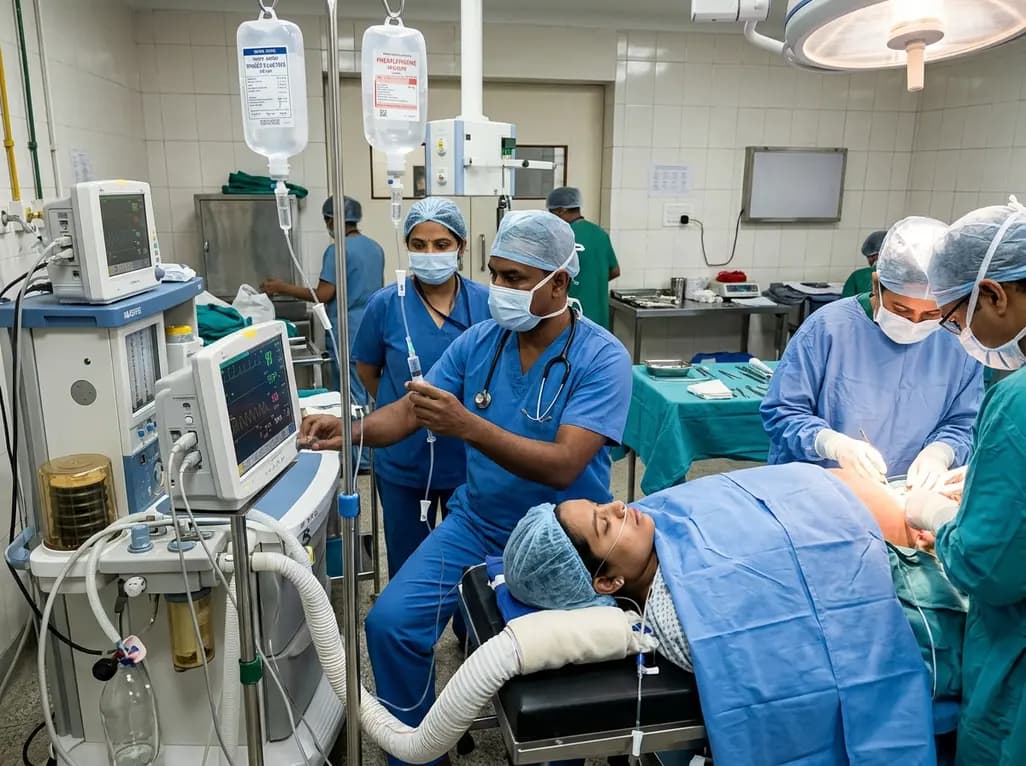
A multicenter MPOG database study of 289,047 cesarean delivery cases analyzed adherence to obstetric anesthesia best practices. General anesthesia avoidance reached 97.0%, while post-spinal vasopressor infusions (55.4%) and hypothermia prevention (56.7%) showed the lowest compliance, highlighting key targets.
Today
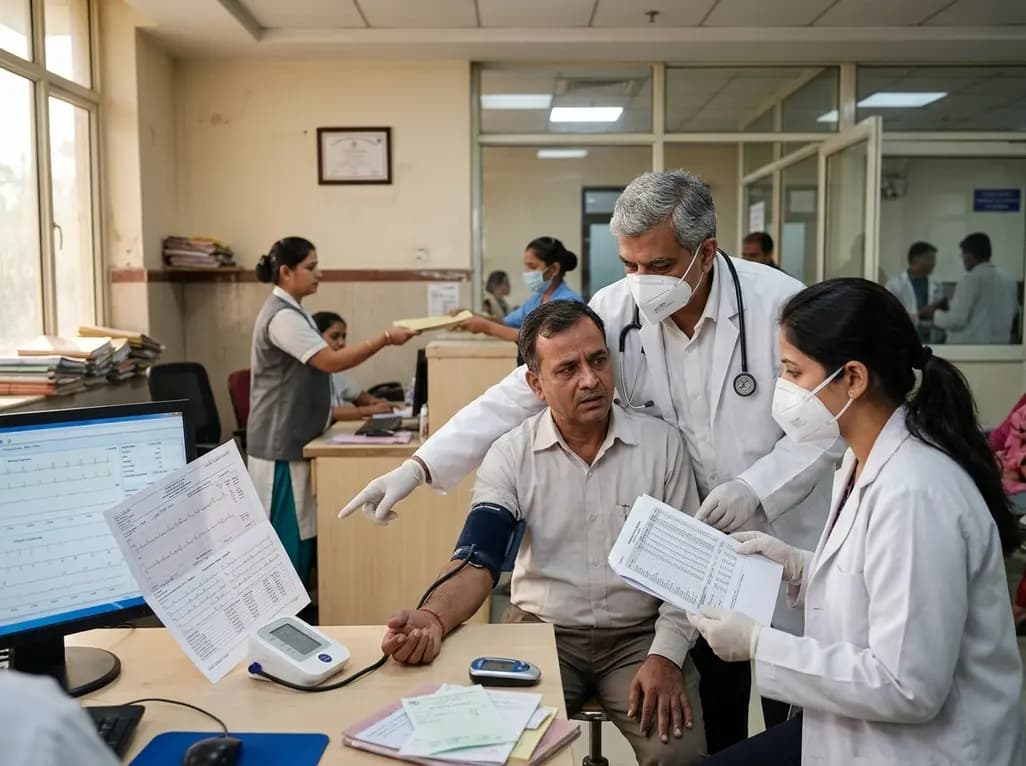
A landmark study analyzing over 56,000 adult health records in Delhi-NCR reveals that hypertension and diabetes coexistence affects nearly 5% of adults. The prevalence doubles expected rates and rises sharply after age 40. Early integrated screening is essential to prevent microvascular and macrovascular complications.
Today

A novel pathology-adaptive surface engineering strategy uses functionalized plasma polymer coatings to selectively modulate AGE adsorption, reducing oxidative stress and restoring bone formation in diabetic and aging microenvironments.
Today
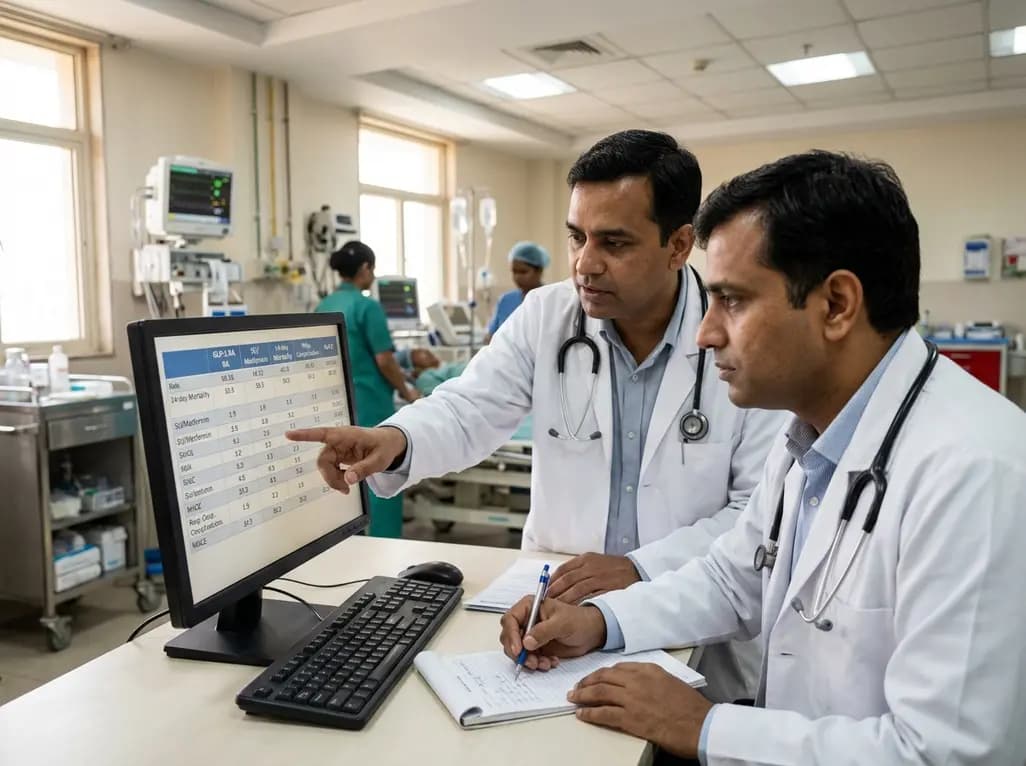
A comprehensive observational analysis evaluates the impact of preoperative GLP-1 RA use on 14-day postoperative mortality, respiratory complications, and major adverse cardiovascular events compared to other antidiabetic therapies.
Today
