.webp&w=384&q=75)

Loading, please wait...
Loading, please wait...
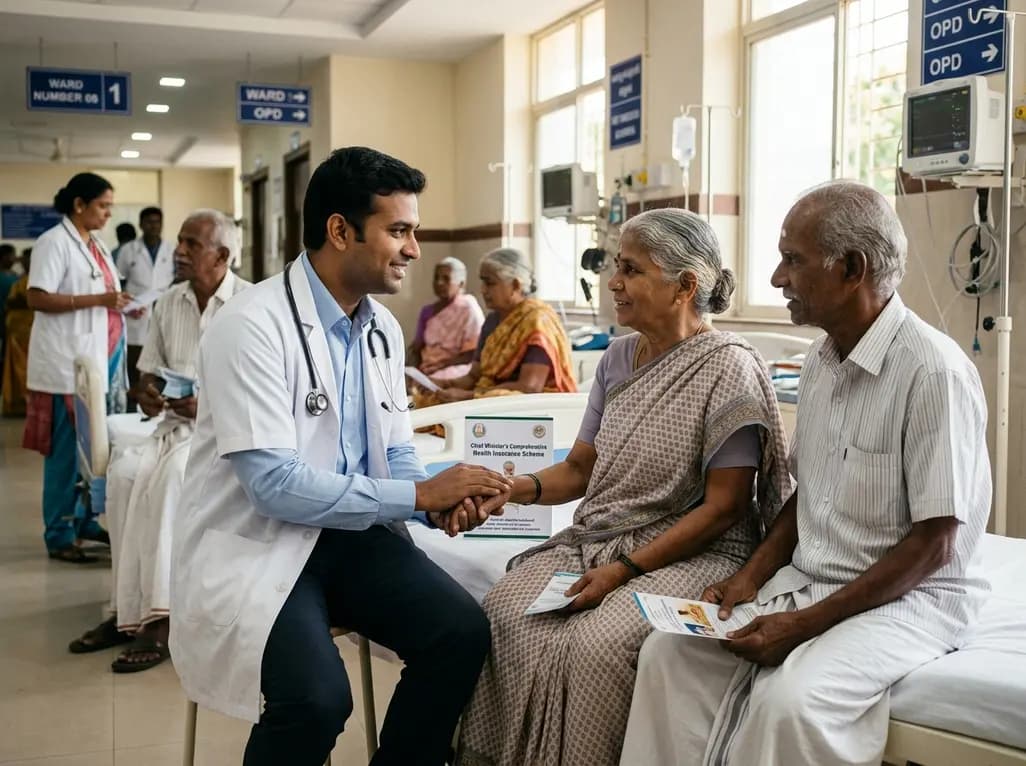
The Government of Tamil Nadu has announced the launch of a dedicated elderly health insurance scheme to provide comprehensive, cashless tertiary medical care for approximately 38 lakh senior citizens aged 70 and above. This landmark policy removes traditional income barriers, ensuring that all elderly citizens gain universal access to essential secondary and tertiary hospital treatments. Consequently, the initiative addresses an urgent public health priority across the state. Tamil Nadu currently experiences rapid demographic transition marked by increased life expectancy and a declining birth rate. Therefore, state healthcare leadership has recognized the necessity of shielding vulnerable older adults from catastrophic out-of-pocket medical expenditures. By providing comprehensive institutional coverage, the scheme seeks to enhance health equity across diverse socioeconomic segments.
Under this welfare initiative, officially named the Chief Minister's Elderly Health Insurance Scheme, coverage extends across diverse populations without income restrictions. Specifically, the initiative protects older citizens belonging to 1.45 crore families already enrolled in state insurance, individuals above the poverty line holding public distribution cards, and vulnerable seniors residing in old-age homes without formal documentation. Healthcare administrators have highlighted that removing socioeconomic filters is vital for protecting seniors from age-related financial vulnerability. Furthermore, the program guarantees cashless treatments at both government medical college hospitals and an extensive network of empanelled private institutions. Consequently, beneficiaries can secure specialized consultations, complex interventional procedures, and inpatient services without upfront payments. State officials have emphasized that administrative hurdles will remain minimal to facilitate rapid onboarding and hassle-free hospital admissions. As a result, this universal coverage framework establishes an essential social safety net for millions of families managing the multifaceted physical and financial burdens of eldercare.
The clinical architecture of the scheme emphasizes advanced therapies for severe and progressive degenerative diseases. Specifically, the plan covers critical interventions including complex cardiac care, surgical oncology packages, neurological management, and high-end joint reconstruction. Moreover, the state has integrated dedicated provisions for high-cost procedures, such as solid organ transplantation and cochlear implants, utilizing a special corpus funding mechanism reaching up to Rs 23 lakh per case. In addition, routine secondary hospitalizations for acute exacerbations of chronic obstructive pulmonary disease, stroke, renal insufficiency, and diabetes-related complications are fully supported. Clinicians frequently encounter severe delays in geriatric admissions due to household financial distress. Therefore, this policy ensures prompt emergency admissions and elective surgical interventions without economic constraints. Empanelled hospitals must adhere to established clinical pathways, diagnostic protocols, and quality standards to guarantee optimal therapeutic outcomes. Thus, senior patients will receive multidisciplinary clinical support, including geriatric assessments, specialized inpatient nursing, post-operative intensive monitoring, and targeted rehabilitation services.
Tamil Nadu is experiencing an accelerated demographic shift, which places substantial demands on the state healthcare infrastructure. For instance, life expectancy has risen to 71.7 years for men and 75.8 years for women. Meanwhile, the state total fertility rate has dropped from approximately 3.9 in 1971 to 1.3 children per woman today. Consequently, older adults aged 60 and older represent nearly 16% of the current population. Projections from the Directorate of Family Welfare indicate this proportion will reach 20.8% by 2036. Simultaneously, the child demographic aged 0 to 14 years will shrink from 23.6% in 2011 to 15.6% by 2036. Furthermore, a report from the Reserve Bank of India highlights that the old-age dependency ratio in Tamil Nadu will surge to 32.7% by 2036, representing the second highest level among major Indian states after Kerala. Because fewer working-age adults will be available to support dependent seniors, familial care structures face significant economic strain. Therefore, proactive public health programs and institutional coverage are indispensable for maintaining population-level health and functional independence.
To maximize operational efficiency, policymakers are dovetailing the new initiative with the existing Chief Minister's Comprehensive Health Insurance Scheme and the national Ayushman Bharat Pradhan Mantri Jan Arogya Yojana. Currently, the state comprehensive health insurance model provides Rs 5 lakh per family annually across roughly 1.45 crore households. However, standard household ceilings often prove inadequate when elderly relatives suffer from multiple co-morbidities requiring concurrent specialized care. By offering dedicated institutional financing for seniors aged 70 and above, the state effectively augments family health buffers. Furthermore, economists from the Reserve Bank of India have emphasized that ageing states must recalibrate budgetary allocations toward health and social security. Investing in structured healthcare delivery mitigates long-term hospitalization costs, reduces emergency complications, and alleviates pressure on tertiary medical centres. Additionally, seamless data integration across public digital registries ensures transparent claims processing, prevents fraudulent billing, and provides actionable epidemiological data for continuous clinical optimization.
This comprehensive scheme creates meaningful opportunities for healthcare providers to restructure geriatric care delivery across Tamil Nadu. In primary and secondary settings, physicians can now refer elderly patients for advanced tertiary workups without concern over diagnostic out-of-pocket costs. Moreover, early surgical intervention for conditions like cataract, osteoarthritic disability, and vascular occlusion can prevent irreversible loss of mobility and independence. Clinicians can also establish proactive screening clinics for oncological conditions, cognitive disorders, and metabolic syndromes among enrolled seniors. Furthermore, the availability of assured financing encourages private hospital networks to expand their dedicated geriatric intensive care units and rehabilitation wards. Primary care teams can coordinate closely with tertiary specialists, ensuring smooth transitional care from hospital discharge back to home-based management. Consequently, the scheme fosters an integrated continuum of care that prioritizes preventive screenings, functional preservation, timely hospital intervention, and supportive post-discharge follow-up for every ageing resident.
Q1: Who is eligible to receive benefits under the new elderly insurance scheme?
All Tamil Nadu residents aged 70 and above are eligible for this program without any household income ceiling. The scheme covers senior citizens enrolled in existing state health insurance families, individuals holding public distribution system cards, and elderly residents living in old-age homes without standard identity documents. Consequently, every older citizen gains universal access to cashless medical care at all empanelled public and private healthcare centres across the state.
Q2: What medical treatments and high-end surgeries does the scheme cover?
The scheme provides comprehensive coverage for chronic illness management, advanced oncology interventions, interventional cardiac care, neurological therapies, and major joint surgeries. Additionally, high-end procedures including organ transplantation and cochlear implants receive special corpus funding up to Rs 23 lakh per case. As a result, beneficiaries can access life-saving secondary and tertiary clinical interventions without encountering financial hardship or administrative delays during hospital admissions.
Q3: How does this program integrate with Ayushman Bharat and CMCHIS?
The new initiative harmonizes with both the Chief Minister's Comprehensive Health Insurance Scheme and Ayushman Bharat Pradhan Mantri Jan Arogya Yojana. It operates alongside existing annual family caps of Rs 5 lakh, providing dedicated coverage for senior members. Consequently, this dovetailed structure ensures uninterrupted insurance benefits for older adults while preserving household insurance balances for other dependent family members requiring secondary or tertiary medical treatments.
Disclaimer: This content is for informational and educational purposes only. It does not constitute medical advice or replace professional judgment. Refer to the latest local and national guidelines for clinical practice.
References

Read summarized clinical updates, watch expert medical content, and earn CME certifications right from your smartphone.
Open your smartphone camera to scan and install.





Tamil Nadu has announced universal cashless healthcare coverage for seniors aged 70 and above. The scheme eliminates income ceilings, supporting 38 lakh elderly residents with advanced tertiary treatments, organ transplants, and chronic disease management amid rapid demographic shifts across the state.
last month
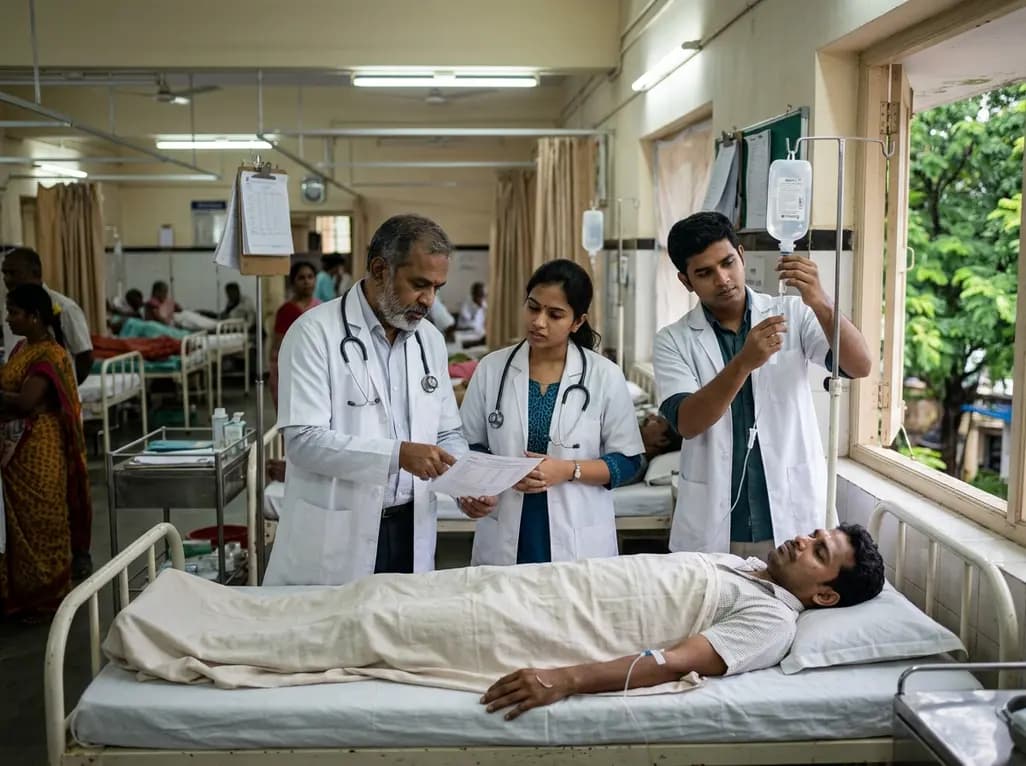
With post-monsoon dengue surges threatening South Asian health systems, physicians must refine triage and management. This guide covers vital warning signs, plasma leakage detection, crystalloid titration, and vector containment strategies to prevent mortality during seasonal arboviral epidemics.
Today
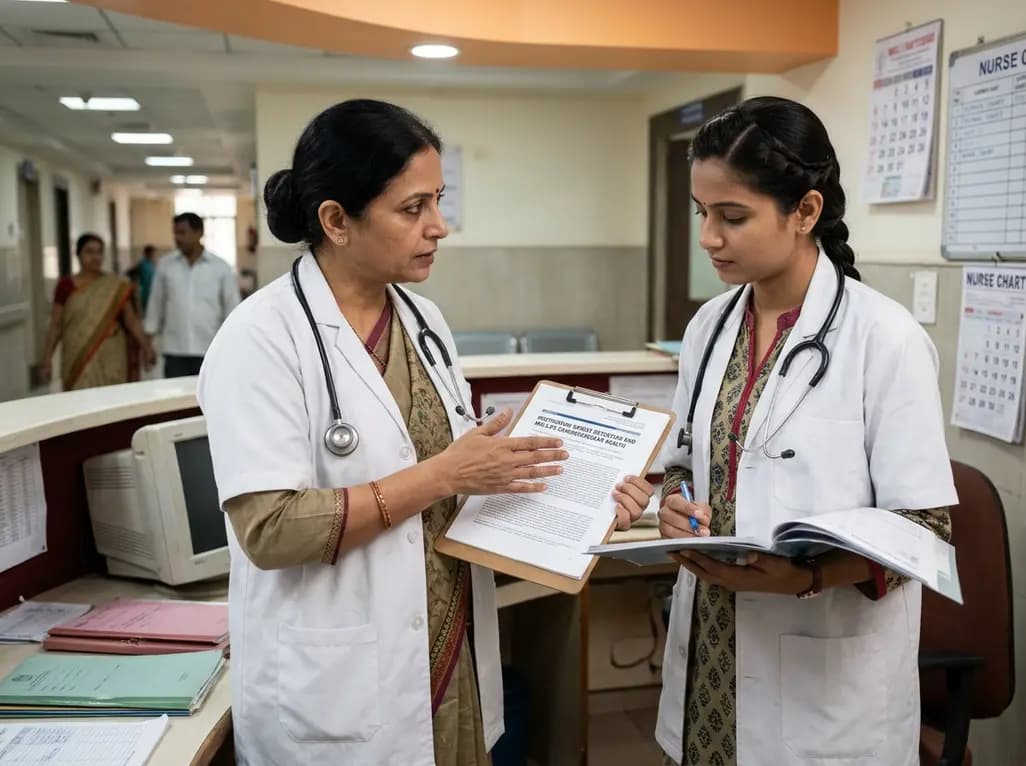
Findings from Project Viva indicate that sustained postpartum weight retention, rather than excessive gestational weight gain alone, directly worsens women's mid-life cardiovascular health, degrading blood pressure and glycemic parameters decades after delivery.
Today
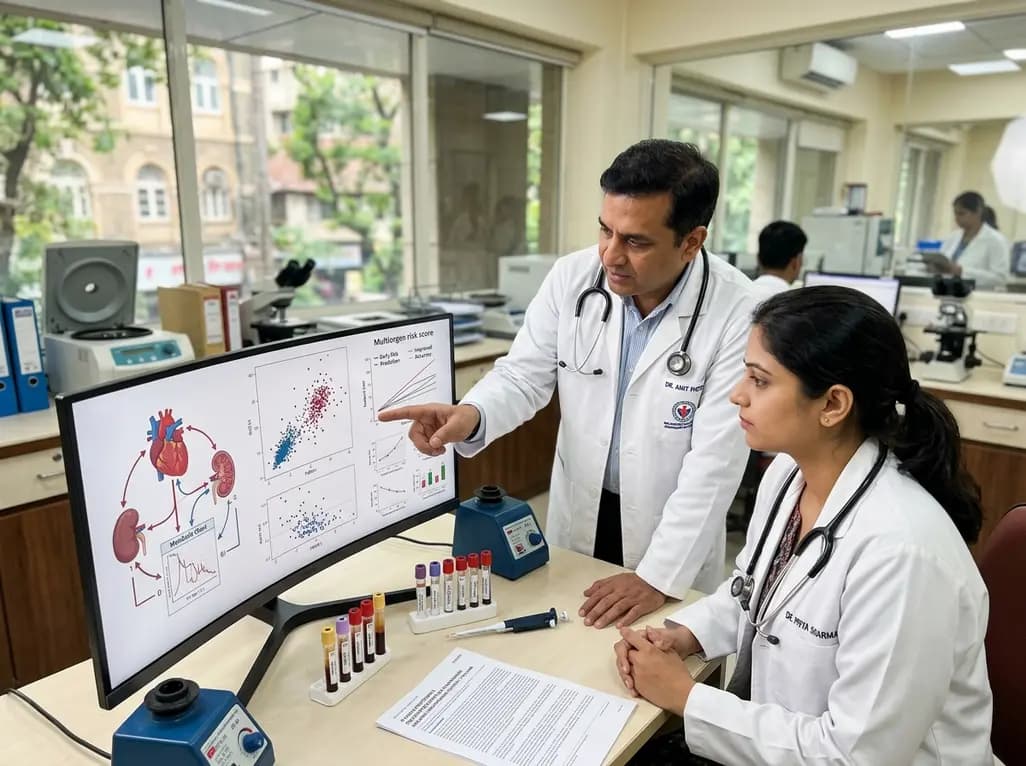
A large UK Biobank study reveals that plasma proteomic signatures capture preclinical organ damage and improve multiorgan risk prediction across early CKM syndrome stages 0 to 2 beyond traditional PREVENT clinical models.
Today
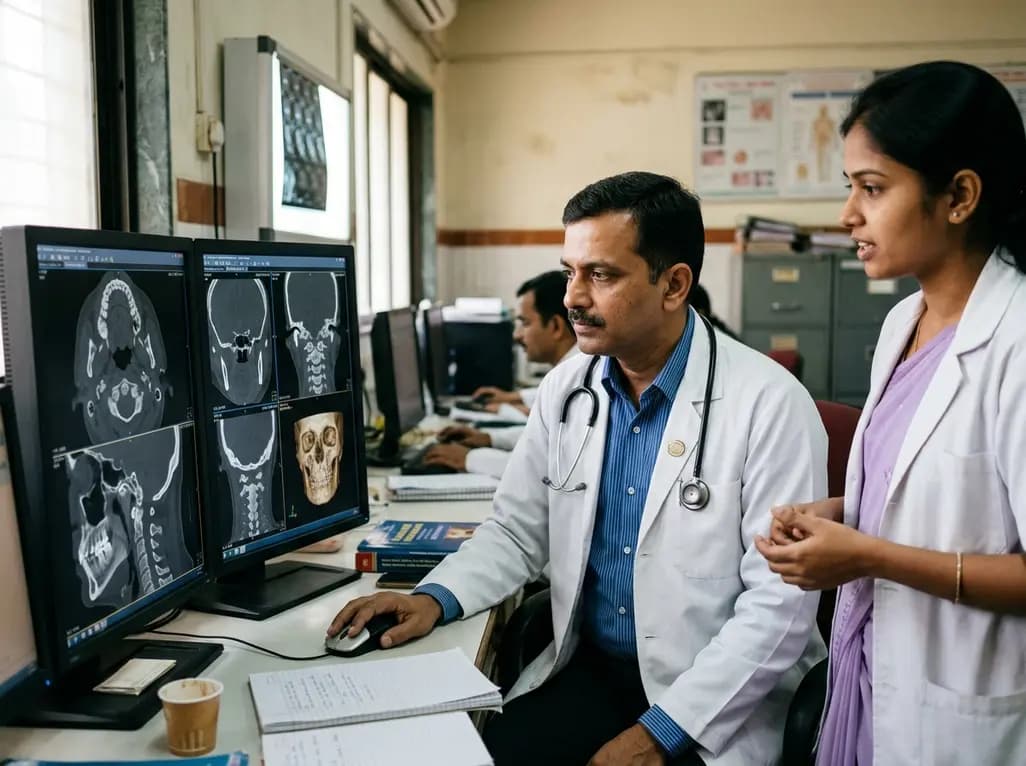
A retrospective CBCT study reveals that superior TMJ space asymmetry correlates moderately with occipital condyle-atlas-axis asymmetry in unilateral TMJ osteoarthritis, highlighting an imaging correlate between jaw biomechanics and upper cervical alignment rather than a standalone diagnostic marker.
Today

A Bayesian multilevel meta-analysis reveals that aerobic training combined with moderate carbohydrate restriction modestly lowers HbA1c in type 2 diabetes. However, sparse data and very low certainty leave incremental benefits over exercise or diet alone unproven, highlighting the need for individualized care.
Today
