.webp&w=384&q=75)

Loading, please wait...
Loading, please wait...

Rheumatologists often face substantial challenges when managing refractory autoimmune disorders because conventional immunosuppression requires lifelong therapy and fails to prevent recurrent flares. Consequently, therapeutic paradigms are shifting from temporary symptom control toward deep cellular depletion and immune resetting. While standard monoclonal antibodies deplete circulating lymphocytes, they often leave pathogenic tissue-resident cells intact. Furthermore, autologous cellular therapies demonstrate remarkable clinical efficacy, yet complex manufacturing timelines and severe toxicities limit widespread adoption. In contrast, T-cell engagers offer an off-the-shelf biologic strategy designed to redirect host cytotoxic lymphocytes directly against autoreactive target cells. This novel approach combines standardized production with adjustable dosing schedules, establishing an accessible route toward immune resetting.
Bispecific T-cell engagers function by concurrently binding the CD3 epsilon subunit on endogenous T lymphocytes and target antigens on aberrant B-lineage cells. Consequently, this molecular bridge activates cytotoxic T cells without requiring major histocompatibility complex presentation or secondary costimulation. The engaged effector cells immediately release perforin and granzymes, triggering rapid apoptotic death in pathogenic target cells. Furthermore, because these synthetic constructs utilize the host's existing immune repertoire, they eliminate the need for complex ex vivo cell modification. Clinicians can administer these agents as standard infusions, avoiding treatment delays in organ-threatening disease. In addition, predictable pharmacokinetics permit precise dose titrations and rapid treatment interruption if adverse events emerge. Therefore, this platform effectively combines the deep cytotoxicity of cellular therapy with the convenient administration of traditional biologics.
Current translational research explores three primary cell-surface targets to eliminate pathogenic humoral immunity effectively. First, CD19 targeting covers the broader B-cell lineage, from early pro-B cells to circulating mature plasmablasts. Clinical investigations using the CD19-directed construct blinatumomab demonstrate rapid depletion of memory B cells in rheumatoid arthritis and systemic sclerosis. Second, CD20-directed bispecifics selectively destroy mature B-cell pools while preserving early bone marrow precursors. Third, targeting B-cell maturation antigen, or BCMA, enables clinicians to destroy long-lived autoreactive plasma cells. Conventional anti-CD20 antibodies typically spare these mature plasma cells, allowing persistent autoantibody synthesis. Early trials with the BCMA-directed engager teclistamab demonstrate rapid autoantibody seroconversion in refractory systemic lupus erythematosus. Consequently, selecting specific antigenic targets allows rheumatologists to customize cellular depletion strategies to distinct disease phenotypes.
Early clinical trials and compassionate-use protocols show striking therapeutic benefits across multiple refractory autoimmune conditions. In systemic lupus erythematosus, targeted bispecific infusions produce rapid clinical improvements alongside complete normalization of serum complement levels. Similarly, patients with diffuse systemic sclerosis experience marked skin score improvements and stabilization of interstitial lung involvement. In idiopathic inflammatory myopathies, bispecific interventions enhance proximal muscle strength while reducing cutaneous lesions and serum muscle enzymes. Furthermore, patients with multi-drug-resistant rheumatoid arthritis achieve significant clinical remission following brief therapeutic courses. Many treated individuals maintain drug-free clinical remissions for several months after completing therapy. Laboratory evaluations confirm that disease-defining autoantibodies frequently convert to negative status. Thus, redirecting endogenous cytotoxic responses provides meaningful clinical improvement even when multiple prior biologics have failed.
Although bispecific molecules provide potent therapeutic advantages, clinicians must actively anticipate and manage treatment-emergent toxicities. The primary acute adverse event is cytokine release syndrome, which triggers fever, chills, and transient hypotension. Fortunately, modern rheumatology protocols employ conservative step-up dosing schemes that significantly reduce cytokine release severity. Most reported events remain mild to moderate and respond promptly to supportive antipyretics or interleukin-6 receptor blockade. In addition, profound B-cell depletion produces transient hypogammaglobulinemia, which heightens susceptibility to bacterial and opportunistic infections. Clinicians must therefore conduct comprehensive baseline infection screening and maintain diligent surveillance during active therapy. When severe immunoglobulin deficits persist, proactive intravenous immunoglobulin replacement prevents serious infectious complications. Therefore, structured safety protocols ensure optimal outcomes while minimizing treatment-related risks during intensive B-cell clearance.
To appreciate the clinical value of bispecific therapies, clinicians must contrast them with established treatment modalities. Traditional monoclonal antibodies like rituximab deplete circulating lymphocytes but often fail to eradicate pathogenic clones within dense tissue niches. Consequently, surviving memory cells sustain chronic tissue inflammation and trigger recurrent disease flares. Conversely, autologous chimeric antigen receptor T-cell therapies achieve deep tissue penetration and complete immune resetting. However, autologous cellular engineering requires complex logistics, substantial financial expenses, and toxic lymphodepleting conditioning regimens. In contrast, bispecific engagers provide an off-the-shelf alternative that achieves tissue-penetrating cytotoxicity without requiring preconditioning chemotherapy. Furthermore, clinicians can initiate bispecific therapy immediately without manufacturing delays. Because bispecific antibodies possess short half-lives, doctors can suspend administration immediately if unexpected complications arise.
Despite promising early data, several critical questions require answers before widespread clinical adoption occurs. First, researchers must establish the precise depth of tissue B-cell depletion needed to achieve permanent immune tolerance. While peripheral clearance occurs rapidly, eradication within fibrotic synovium and inflamed renal tissue requires thorough histological validation. Second, investigators must evaluate the qualitative reconstitution of the immune repertoire following therapy cessation. Clinicians must determine whether newly emergent B cells remain immunologically tolerant or reacquire autoreactive behaviors. Third, the functional fitness of endogenous T cells in heavily pretreated patients requires ongoing investigation. Finally, randomized controlled clinical trials must define optimal dosing schedules and patient stratification biomarkers. Resolving these fundamental issues will clarify whether bispecific engagers provide temporary remission or durable immune resetting.
Conventional monoclonal antibodies rely on host effector mechanisms like complement activation and antibody-dependent cellular cytotoxicity to eliminate circulating B cells. However, these mechanisms often fail to clear pathogenic lymphocytes residing within protective tissue niches. In contrast, bispecific T-cell engagers directly bind cytotoxic T cells to target antigens on B cells or plasma cells. This immunological synapse triggers potent, direct perforin-mediated lysis, achieving deeper cellular depletion across both peripheral blood and secondary lymphatic organs.
The most frequent adverse events include cytokine release syndrome, systemic infections, and transient hypogammaglobulinemia. Cytokine release syndrome typically manifests during initial step-up infusions with fevers, chills, and mild hypotension, which clinicians manage using supportive antipyretics or tocilizumab. Because deep B-cell depletion temporarily impairs humoral immunity, patients face increased infection risks. Therefore, medical teams recommend vigilant infectious screening, rapid antimicrobial intervention, and routine intravenous immunoglobulin replacement whenever severe hypogammaglobulinemia develops during active clinical monitoring.
Bispecific engagers provide several practical advantages over chimeric antigen receptor cellular therapies. Primarily, they are off-the-shelf pharmaceutical agents that require no personalized ex vivo cell manufacturing or prolonged waiting periods. Furthermore, patients do not require harsh lymphodepleting chemotherapy regimens prior to treatment, significantly reducing pre-infusion toxicity. Finally, clinicians can flexibly modify dosages or pause infusions immediately if adverse reactions occur, providing superior safety control compared with irreversible cellular infusions in complex rheumatology settings.
Disclaimer: This content is for informational and educational purposes only. It is not intended to be a substitute for professional medical advice, diagnosis, or treatment. Always seek the advice of your physician or other qualified healthcare provider with any questions you may have regarding a medical condition or treatment. Never disregard professional medical advice or delay in seeking it because of something you have read here. The views expressed are those of the author(s) and do not necessarily reflect the official policy or position of any affiliated organization. Refer to the latest local and national guidelines for clinical practice.
References

Read summarized clinical updates, watch expert medical content, and earn CME certifications right from your smartphone.
Open your smartphone camera to scan and install.





T-cell engagers represent an off-the-shelf therapeutic breakthrough for rheumatic diseases. By redirecting endogenous T cells to deplete pathogenic B cells, they offer deep tissue clearance, manageable toxicity, and potential immune resetting without the manufacturing complexities of autologous CAR-T cell therapy.
last month
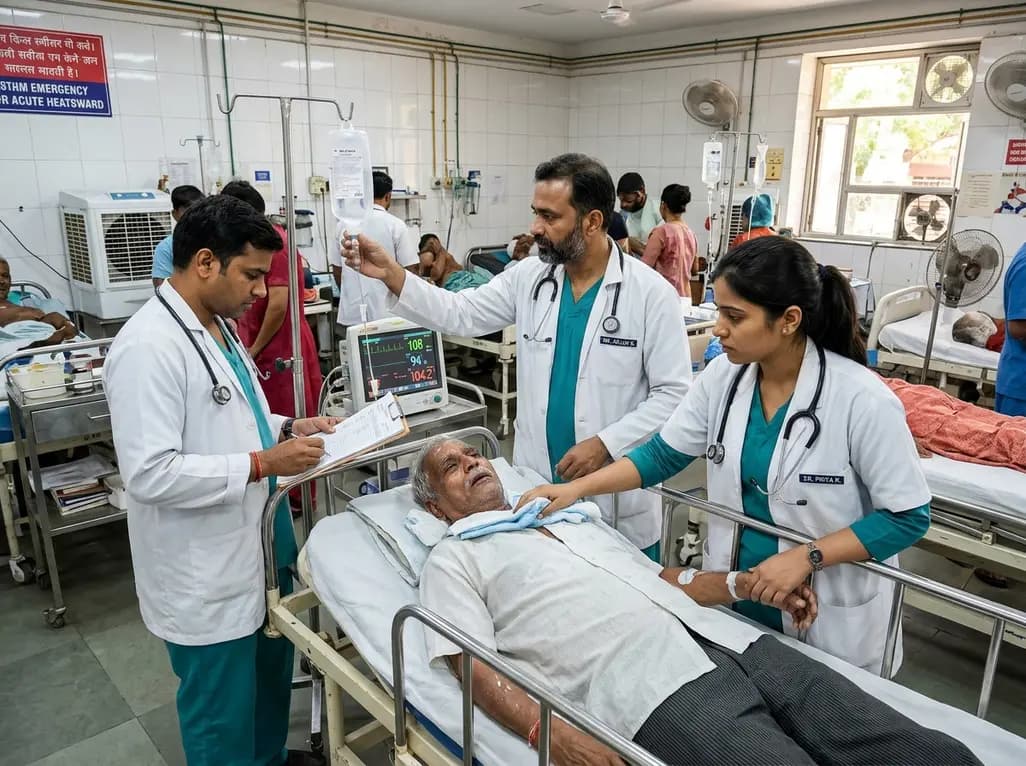
Recent epidemiological data reveals a dramatic surge in summer heat mortality driven by human-induced climate warming. This analysis explores the pathophysiological impacts on cardiac and renal systems, diagnostic dilemmas in death certification, and essential emergency cooling protocols for acute clinical care.
Today
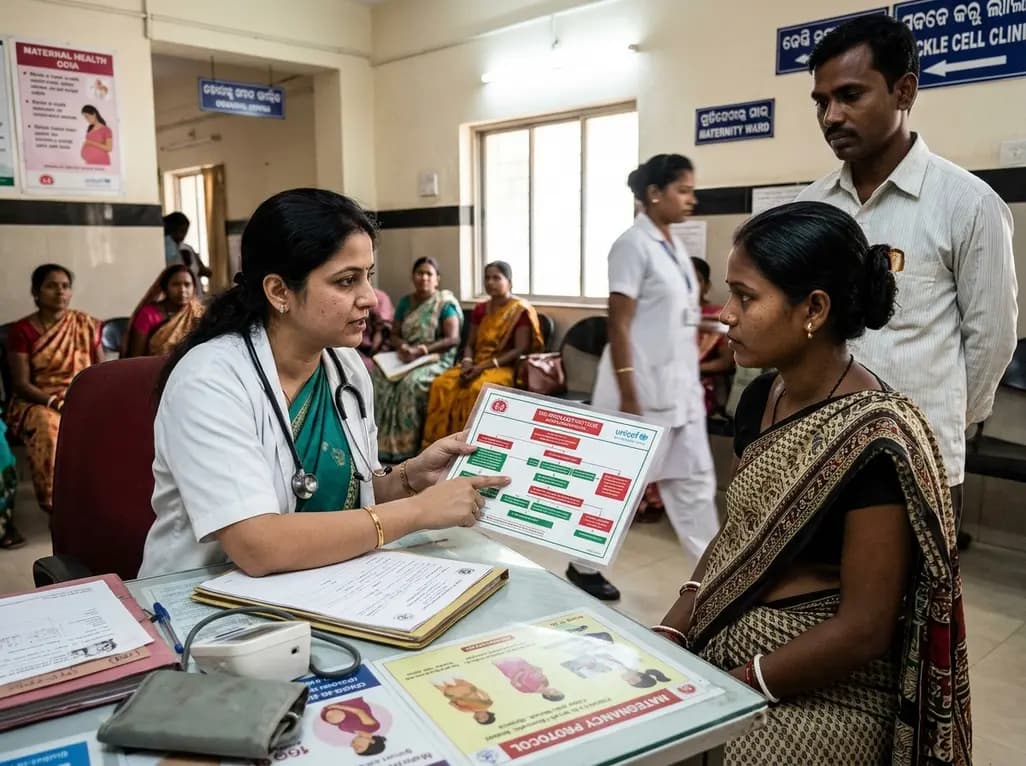
Odisha has established India's first state-level clinical protocol specifically tailored for pregnant women with sickle cell disease. Developed with NHM and UNICEF, the framework provides structured antenatal screening, crisis mitigation, standardized referral pathways, and specialized interdisciplinary care.
Today

India is advancing preventive healthcare by integrating genomics, artificial intelligence, and quantum technologies. With the SANGAM programme sequencing one million Indian genomes, clinicians can unlock personalized therapies, detect cardiometabolic risks early, and curb the burden of diabetes and heart disease.
Today

A randomized controlled trial demonstrates that an eight-week dual-task training intervention significantly improves static and dynamic postural control over standard balance exercises in individuals with chronic ankle instability, addressing critical neurocognitive deficits during athletic and daily activities.
Today

A retrospective cohort study of 7,716 ICU patients from the MIMIC-IV database demonstrates that Gradient Boosting Decision Trees significantly outperform traditional SOFA scores in predicting in-hospital mortality among patients with sepsis and diabetes, with SHAP analysis providing clinical interpretability.
Today
