.webp&w=384&q=75)

Loading, please wait...
Loading, please wait...
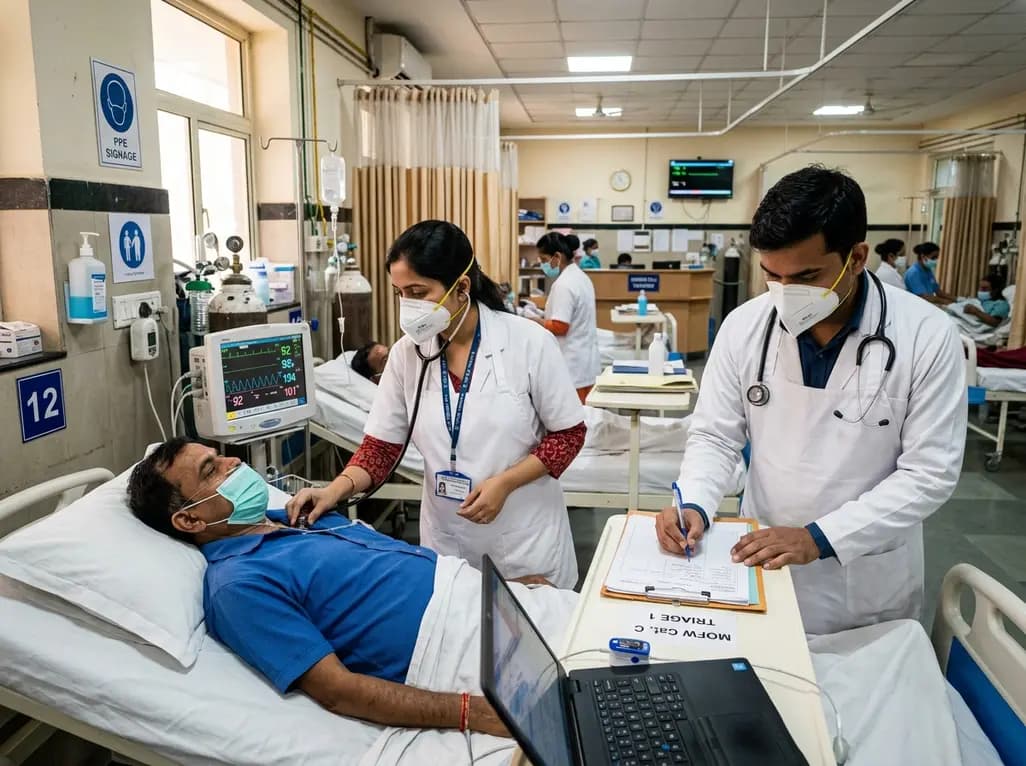
State health authorities in Uttar Pradesh have recently directed administrative and medical teams to intensify surveillance for influenza-like illness and viral fevers across all districts. Healthcare facilities must continuously evaluate their testing capacity, isolation bed availability, and therapeutic stocks. Consequently, frontline clinicians require an updated understanding of swine flu clinical management to accurately distinguish benign seasonal fevers from progressive influenza A (H1N1) infections. Implementing rapid risk stratification and timely antiviral therapy remains essential to reducing preventable morbidity and mortality during seasonal surges.
Seasonal influenza viruses circulate globally, but localized spikes demand rapid public health coordination and rigorous hospital readiness. The recent advisory from the Uttar Pradesh health department mandates regular monitoring of outpatients presenting with fever, cough, and sore throat. Furthermore, district health administrators must track bed occupancy, maintain emergency drug inventories, and ensure testing accessibility across secondary and tertiary medical centers. Such systemic oversight prevents local outbreaks from overwhelming critical care infrastructure.
Clinicians practicing in outpatient clinics and emergency departments encounter diverse presentations of viral fevers during the monsoon and post-monsoon transitions. However, influenza A (H1N1) presents distinctive risks due to its capacity for rapid pulmonary deterioration. Therefore, proactive surveillance at the facility level enables early case detection. In addition, hospitals must establish segregated fever clinics to streamline patient flow, limit nosocomial exposure, and protect vulnerable individuals from transmission.
The Ministry of Health and Family Welfare (MoHFW) provides a validated three-tier framework that guides triage and diagnostic allocation. Clinicians must classify suspected patients into Categories A, B, or C based on presenting symptoms and underlying vulnerability. Category A includes patients presenting with mild fever, cough, sore throat, headache, and body aches without significant systemic distress. Consequently, these individuals require symptomatic outpatient treatment, home isolation, and clinical reassessment within 24 to 48 hours without antiviral therapy.
Category B encompasses two distinct subsets of patients who require targeted pharmacological intervention. First, Category B1 includes patients demonstrating severe sore throat and persistent high-grade fever. Second, Category B2 comprises patients with mild illness who possess underlying high-risk conditions. These predisposing factors include age over 65 years, pregnancy, extreme obesity, chronic pulmonary or cardiovascular diseases, diabetes mellitus, and immunosuppression. Clinicians must initiate oral oseltamivir immediately for Category B patients, alongside strict home isolation and close ambulatory monitoring.
Laboratory confirmation is not warranted for Category A and uncomplicated Category B individuals. Instead, real-time reverse transcription-polymerase chain reaction (RT-PCR) serves as the gold standard diagnostic test reserved primarily for hospitalized Category C patients. RT-PCR demonstrates exceptional sensitivity and specificity for differentiating influenza A subtypes, including H1N1 and H3N2, from other circulating respiratory pathogens. Viral culture and serological assays provide epidemiological value but offer limited utility during acute clinical decision-making.
Healthcare personnel must collect combined nasopharyngeal and oropharyngeal swabs using synthetic Dacron or polyester swabs with plastic shafts. Clinicians must avoid calcium alginate or wooden swabs because they contain substances that inhibit PCR amplification. Subsequently, teams must place specimens into standard viral transport media (VTM) and transport them under cold chain conditions between 2°C and 8°C. If transport delays exceed 72 hours, staff should store samples at -70°C to preserve viral ribonucleic acid integrity.
Effective swine flu clinical management depends on the prompt administration of neuraminidase inhibitors within 48 hours of symptom onset. Oseltamivir remains the primary antiviral agent recommended for therapeutic and prophylactic use in India. For adults and adolescents weighing over 40 kg, the standard therapeutic regimen consists of 75 mg administered orally twice daily for five consecutive days. However, clinicians may extend the duration in critically ill patients showing persistent viral replication or delayed clinical response.
Pediatric dosing requires weight-based titration to achieve adequate therapeutic levels. Children weighing less than 15 kg receive 30 mg twice daily, while those between 15 and 23 kg receive 45 mg twice daily. Furthermore, children weighing between 24 and 40 kg require 60 mg twice daily. In pregnant women, clinicians must prescribe standard adult doses without hesitation, because the clinical benefits vastly outweigh theoretical fetal risks. In addition, supportive therapy including antipyretics, adequate hydration, and oxygen supplementation remains vital across all clinical categories.
Category C designates severe cases exhibiting red-flag features such as resting dyspnea, hemoptysis, cyanosis, hypotension, altered mentation, or worsening chest radiographs. These patients require immediate hospitalization in designated isolation wards or intensive care units. Intensivists must monitor arterial blood gases, serum lactate, and hemodynamic parameters continuously. If acute respiratory distress syndrome (ARDS) develops, lung-protective mechanical ventilation using low tidal volumes (6 mL/kg predicted body weight) and titrated positive end-expiratory pressure becomes mandatory.
Infection prevention and control protocols protect healthcare personnel and prevent nosocomial transmission. Standard, contact, and droplet precautions must remain active across all inpatient areas managing respiratory illnesses. Healthcare workers must wear appropriate personal protective equipment, including N95 respirators, gloves, and fluid-resistant gowns during aerosol-generating procedures. Furthermore, environmental decontamination, proper bio-waste segregation, and dedicated negative-pressure or well-ventilated isolation rooms ensure safe patient care during ongoing viral surges.
Q1: Which patients with suspected swine flu require immediate antiviral therapy under national guidelines?
Under MoHFW guidelines, clinicians must initiate oral oseltamivir immediately for all Category B and Category C patients. This includes individuals with persistent high fever, severe sore throat, underlying comorbidities like diabetes, chronic lung disease, or immunosuppression, pregnant women, elderly individuals, and hospitalized patients demonstrating signs of lower respiratory tract compromise or respiratory distress.
Q2: Is diagnostic RT-PCR testing mandatory before initiating oseltamivir treatment in high-risk patients?
No, diagnostic testing should never delay the prompt initiation of antiviral therapy. Clinicians must start empirical oseltamivir immediately based on clinical categorization, especially in high-risk Category B and severe Category C patients. Diagnostic RT-PCR confirms the viral strain but should proceed concurrently with treatment rather than acting as a therapeutic prerequisite.
Q3: What are the primary infection control precautions required when managing hospitalized swine flu patients?
Hospitals must enforce strict droplet and contact precautions alongside standard precautions for all admitted patients. Staff should isolate infected individuals in dedicated, well-ventilated rooms with beds spaced at least one meter apart. Healthcare workers performing aerosol-generating procedures must use fit-tested N95 respirators, eye protection, gowns, and practice rigorous hand hygiene before and after patient contact.
Disclaimer: This content is for informational and educational purposes only. It does not constitute medical advice or replace professional judgment. Refer to the latest local and national guidelines for clinical practice.
References

Read summarized clinical updates, watch expert medical content, and earn CME certifications right from your smartphone.
Open your smartphone camera to scan and install.





As state health authorities heighten surveillance for influenza-like illnesses, clinicians must implement structured triage and infection control. This guide outlines MoHFW categorization, diagnostic criteria, early antiviral therapy, and critical care management for swine flu and seasonal viral fevers.
last month

A new study reveals that high-fat, cholesterol, and fructose intake drives MASH and hepatic fibrosis in a sex- and hepatocyte PPARγ-dependent manner. Male mice showed severe fibrosis and downregulated methionine metabolism, while hepatocyte PPARγ knockout protected against progression.
Today
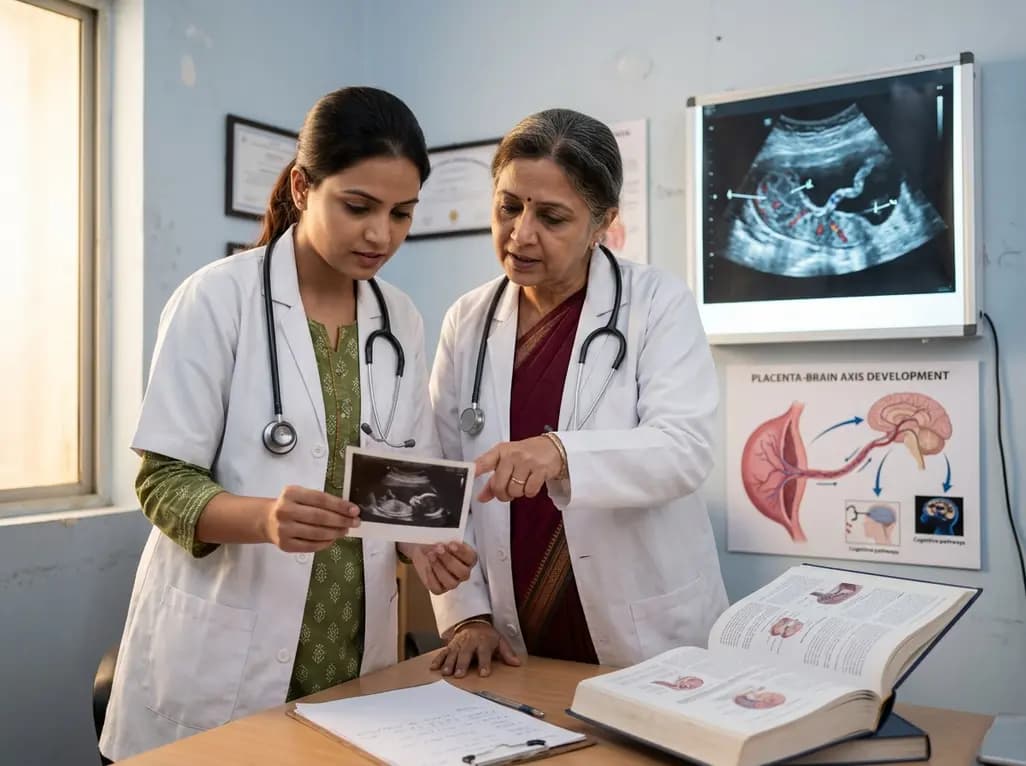
Recent clinical research highlights how late-gestational placental vascular function may shape fetal brain development. Maternal placental growth factor trajectories correlate with subsequent neurodevelopmental outcomes, underscoring the critical role of the placenta-brain axis in pediatric cognitive health.
Today
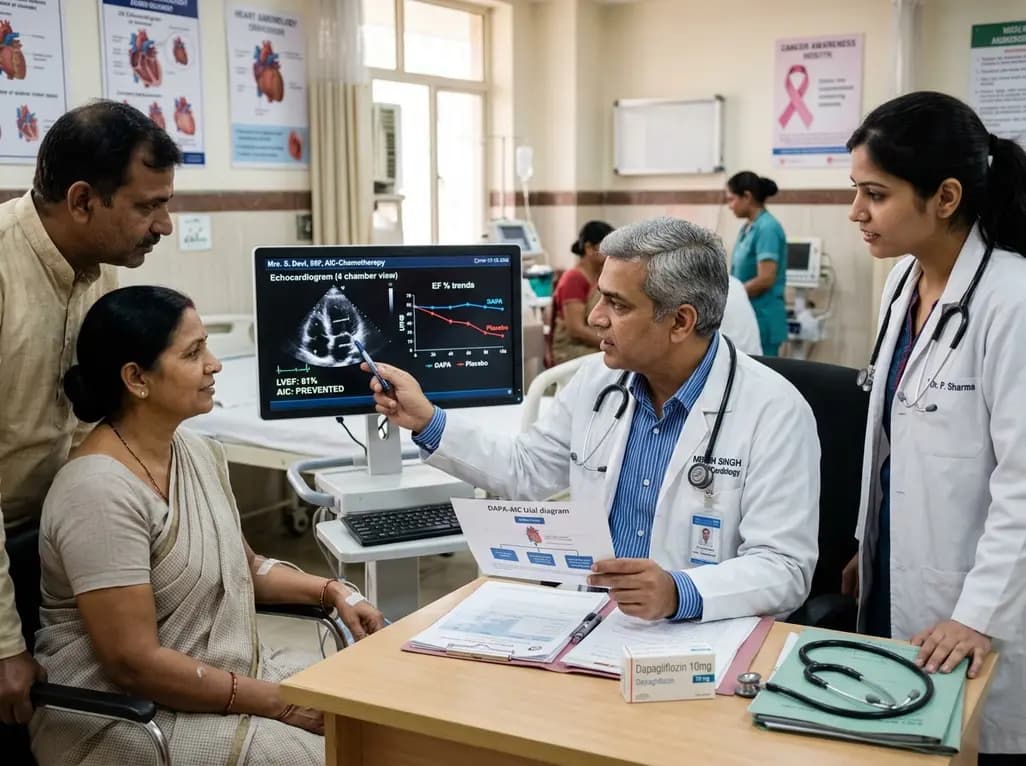
The phase II DAPA-AIC trial demonstrates that dapagliflozin 10 mg daily significantly preserves left ventricular ejection fraction compared to placebo over four months in adults undergoing anthracycline chemotherapy, highlighting a potential preventive strategy in cardio-oncology.
Today

A scoping review reveals severe gaps in long-term assistive technology provision following humanitarian emergencies. Addressing post-disaster rehabilitation requires systematic follow-up, workforce training, and integration into national health systems to sustain mobility and recovery.
Today
A randomized controlled trial investigated whether virtual reality thyroid biopsy reduces procedural pain, anxiety, and fear. While adjusted analyses showed modest pain reduction, unadjusted differences remained statistically insignificant, highlighting the need for larger confirmatory trials.
Today
