.webp&w=384&q=75)

Loading, please wait...
Loading, please wait...

Health officials in Michigan reported an alarming surge in infection cases, bringing state totals to 9,253 as a major cyclosporiasis outbreak expands across the United States. Consequently, state epidemiologists logged an increase of 1,077 cases within three days, demonstrating rapid transmission. Moreover, the health department recorded 160 hospitalizations related to gastrointestinal complications, though no fatalities occurred. Nationally, the outbreak generated over 4,100 laboratory-confirmed cases, with federal agencies tracking thousands more. Regulators traced the infection vector to contaminated shredded iceberg lettuce from central Mexico. Ultimately, this public health challenge demands heightened clinical vigilance and prompt diagnostic testing.
The current cyclosporiasis outbreak represents a major foodborne parasitic event across North America. Epidemiologic surveillance confirms nine states have primary case clusters, including Michigan, Ohio, Indiana, Illinois, Kentucky, Kansas, Oklahoma, Pennsylvania, and West Virginia. Furthermore, sporadic cases linked to distribution networks surfaced in 41 states. The Food and Drug Administration and CDC expanded their joint investigation after tracing supply chains to commercial suppliers. Specifically, distributors supplied shredded iceberg lettuce to retail outlets and restaurant chains. Consequently, thousands of consumers exposed to contaminated products experienced acute gastrointestinal illness. In response, produce distributors initiated voluntary commercial recalls of lettuce batches from central Mexico. However, congressional inquiries emerged regarding communication timing between corporate leadership and regulatory agencies. Despite laboratory testing hurdles, traceback data consistently point toward central Mexican agricultural growing zones. Therefore, clinicians must recognize that imported fresh produce can introduce parasitic pathogens into local communities.
Cyclospora cayetanensis is an obligate intracellular protozoan parasite that selectively infects human small intestinal enterocytes. Humans serve as the only natural host for this organism. Patients acquire infection by ingesting food or water contaminated with mature, sporulated oocysts. Importantly, infected individuals excrete unsporulated, non-infectious oocysts in stool. These oocysts require one to two weeks in warm environmental conditions to sporulate and become infectious. Consequently, direct person-to-person or fecal-oral transmission does not occur in clinical settings. Instead, environmental conditions in agricultural regions facilitate oocyst maturation in soil or irrigation water. Once ingested, sporulated oocysts excyst within the upper gastrointestinal lumen, releasing sporozoites that invade duodenal and jejunal epithelial cells. Parasite multiplication causes villous atrophy, crypt hyperplasia, and cellular infiltration. Consequently, enterocyte dysfunction leads to fluid loss and nutrient malabsorption. In addition, the incubation period averages seven days, though symptoms appear between two days and two weeks post-ingestion.
Cyclosporiasis presents predominantly as protracted, watery diarrhea accompanied by systemic and gastrointestinal symptoms. Affected patients frequently experience severe abdominal cramping, bloating, flatulence, anorexia, weight loss, and fatigue. Additionally, patients report low-grade fever, nausea, vomiting, and myalgias during the acute phase. Without targeted antimicrobial treatment, symptoms typically persist for several weeks or follow a relapsing-remitting clinical course. Immunocompromised individuals face prolonged illness lasting several months. Therefore, clinicians evaluating persistent diarrhea following raw produce consumption must maintain high suspicion for parasitic etiologies. Diagnostic confirmation presents unique laboratory challenges that medical practitioners must navigate carefully. Standard routine stool examinations for ova and parasites frequently fail to identify Cyclospora oocysts. Instead, laboratories employ modified acid-fast staining or safranin staining techniques. Moreover, multiplex gastrointestinal PCR molecular panels offer rapid, highly sensitive identification of parasitic DNA directly from stool samples. Furthermore, because oocyst shedding occurs intermittently, collecting multiple stool samples over consecutive days increases diagnostic yield significantly.
Prompt therapeutic intervention shortens disease duration and prevents clinical relapses in affected patients. The standard first-line antimicrobial regimen for adults is oral trimethoprim-sulfamethoxazole (TMP-SMX), prescribed as one double-strength tablet twice daily for 7 to 10 days. For pediatric patients, clinicians calculate weight-based dosages using 8 to 10 mg/kg TMP and 40 to 50 mg/kg SMX daily in two divided doses. Furthermore, immunocompromised patients may require extended treatment courses lasting up to four weeks. Clinical improvement typically begins within 48 to 72 hours of starting antibiotic therapy. However, managing patients with true sulfonamide allergies presents significant therapeutic challenges. Standard anti-parasitic agents like metronidazole and albendazole show minimal clinical efficacy against Cyclospora cayetanensis. For sulfa-allergic patients, oral nitazoxanide represents an alternative therapeutic option, though clinical response rates vary. Alternatively, oral ciprofloxacin may be considered in adults, although data indicate inferior efficacy compared to TMP-SMX. Consequently, severe cases with sulfa hypersensitivity may necessitate allergy evaluation and desensitization protocols under expert oversight. Additionally, aggressive rehydration therapy remains vital to correct fluid losses.
Effective control of multistate foodborne outbreaks depends heavily on rapid public health notification and epidemiological traceback. Cyclosporiasis is a nationally notifiable disease in the United States. Therefore, clinicians and laboratories must report confirmed and suspected cases promptly to local health authorities. Detailed patient interviews regarding food consumption history assist public health officials in isolating contaminated food vehicles. Moreover, federal agencies utilize molecular surveillance tools and traceback methodologies to inspect agricultural supply chains. Early clinical reporting accelerates public health advisories, leading to targeted recalls and prevention of further exposure. Furthermore, healthcare facilities should implement internal infection prevention policies during large community outbreaks. Although direct contact transmission between hospitalized patients is unlikely, standard precautions remain essential when handling patient excreta. In addition, healthcare providers should educate patients on safe fresh produce handling practices. Thoroughly washing raw vegetables under running water reduces surface contaminants, though it may not completely eliminate oocysts. Consequently, regulatory enforcement of agricultural sanitation standards remains the primary defense against foodborne parasitic outbreaks.
Q1: What clinical symptoms distinguish cyclosporiasis from common viral gastroenteritis?
Cyclosporiasis typically manifests as prolonged, watery diarrhea lasting several weeks if untreated, often characterized by a relapsing-remitting course. Patients experience marked fatigue, anorexia, significant weight loss, flatulence, and abdominal cramping. In contrast, viral gastroenteritis usually resolves within two to three days and rarely causes severe weight loss. Because standard stool tests may miss Cyclospora, clinicians should explicitly order specific PCR testing or modified acid-fast staining for persistent diarrheal illness following fresh produce consumption.
Q2: Why is direct person-to-person transmission unlikely during a cyclosporiasis outbreak?
Direct person-to-person transmission does not occur because Cyclospora cayetanensis oocysts excreted in fresh human stool are unsporulated and non-infectious. The parasite requires approximately one to two weeks in favorable environmental conditions, such as warm soil or water, to mature into infectious sporulated oocysts. Consequently, healthcare workers and household contacts face minimal risk of direct contagion from infected patients, provided standard hand hygiene and sanitation measures are maintained consistently in daily care routines.
Q3: How should clinicians treat cyclosporiasis in patients with a documented severe sulfa allergy?
Trimethoprim-sulfamethoxazole (TMP-SMX) is the first-line treatment for cyclosporiasis. However, for patients with severe sulfa allergies, alternative options include oral nitazoxanide or ciprofloxacin, though these agents demonstrate lower efficacy. Clinicians should closely monitor sulfa-allergic patients for treatment failure or persistent oocyst shedding. In severe or persistent cases, consultation with an allergy specialist for oral TMP-SMX desensitization may be warranted to achieve complete clinical and microbiological eradication of the parasite.
Disclaimer: This content is for informational and educational purposes only. It does not constitute medical advice or replace professional judgment. Refer to the latest local and national guidelines for clinical practice.
References

Read summarized clinical updates, watch expert medical content, and earn CME certifications right from your smartphone.
Open your smartphone camera to scan and install.





The ongoing cyclosporiasis outbreak has generated over 9,200 cases in Michigan alone, with total national cases expanding across nine states. Linked to contaminated shredded iceberg lettuce, this public health surge highlights critical diagnostic challenges, reporting protocols, and first-line antimicrobial therapy.
last month

The Food Safety and Standards Authority of India has issued draft regulations prohibiting the sale and manufacture of non-dairy imitation substitutes as paneer. This nationwide regulatory action aims to eliminate consumer deception, protect dietary protein quality, and curtail lipid-related metabolic risks.
Today
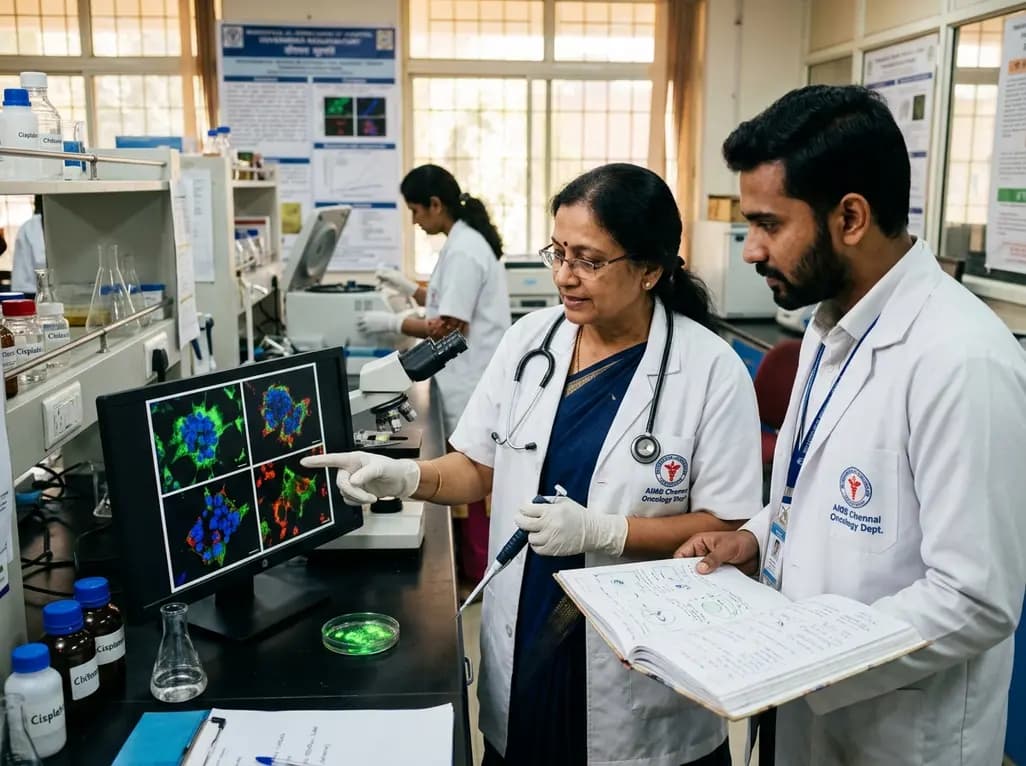
A novel green-synthesized nanocarrier uses ellagic acid to crosslink chitosan for localized cisplatin delivery in cervical cancer. Preclinical results demonstrate extended vaginal retention, potent cytotoxicity, ROS-driven apoptosis, and superior tumor regression compared with traditional crosslinkers.
Today

Managing refractory hypoxemia after cardiothoracic surgery becomes perilous when prolonged air leak limits positive-pressure ventilation. This case-based review details how high-flow nasal cannula, paired with awake rehabilitation, enabled successful extubation and avoided invasive re-intubation.
Today

A longitudinal study reveals that patients undergoing staged bilateral hip arthroscopy experience progressive contralateral labral deterioration during surgical intervals. However, structural degradation does not compromise 2-year postoperative clinical outcomes or patient-reported satisfaction scores.
Today

SWEDEPAD-1 trial insights show paclitaxel-coated devices do not improve long-term limb salvage in patients with chronic limb-threatening ischemia and tissue loss. While one-year reinterventions decreased, the devices were linked to a higher risk of major amputation at three months.
Today
