

Loading, please wait...
Loading, please wait...

This PRISMA-guided systematic review and meta-analysis searched four databases for reports of at least three patients with spinal glomus (intramedullary) arteriovenous malformations and intervention-specific outcomes, pooling proportions with random-effects models and using meta-regression to assess trends over time. Thirty-six studies including 462 patients were analysed; 51% underwent surgery, 35% embolization and 14% radiosurgery. Complete obliteration was achieved in 77% after surgery, 39% after embolization and 16% after radiosurgery (P < .001). There were no significant differences between modalities in partial obliteration (P = .19), neurological symptom improvement (P = .94) or treatment-related complications (P = .35). In surgical patients, preoperative embolization did not change the complete obliteration rate (P = .55), and meta-regression showed that obliteration after embolization increased over time. The authors concluded that a surgical strategy (resection with or without preoperative embolization) yielded the highest obliteration rate, mainly in selected compact lesions, without higher complication risk, and that standardized diagnostic and outcome reporting is needed.

Read summarized clinical updates, watch expert medical content, and earn CME certifications right from your smartphone.
Open your smartphone camera to scan and install.





This PRISMA-guided systematic review and meta-analysis searched four databases for reports of at least three patients with spinal glomus (intramedullary) arteriovenous malformations and intervention-specific outcomes, pooling proportions with random-effects models and using meta-regression to assess trends over time. Thirty-six studies including 462 patients were analysed; 51% underwent surgery, 35% embolization and 14% radiosurgery. Complete obliteration was achieved in 77% after surgery, 39% after embolization and 16% after radiosurgery (P < .001). There were no significant differences between modalities in partial obliteration (P = .19), neurological symptom improvement (P = .94) or treatment-related complications (P = .35). In surgical patients, preoperative embolization did not change the complete obliteration rate (P = .55), and meta-regression showed that obliteration after embolization increased over time. The authors concluded that a surgical strategy (resection with or without preoperative embolization) yielded the highest obliteration rate, mainly in selected compact lesions, without higher complication risk, and that standardized diagnostic and outcome reporting is needed.
Today

A landmark study reveals that congenital DLK1 deficiency in women with a history of central precocious puberty causes visceral adiposity, mitochondrial dysfunction, oxidative stress, and neutrophil activation, highlighting the critical need for lifelong cardiometabolic surveillance.
Today

Estetrol (E4), a native fetal estrogen, offers a unique tissue-selective profile with minimal hepatic impact and lower thrombotic risk. This review highlights its clinical use in oral contraception, menopausal symptom management, and emerging applications across oncology and neurology.
Today
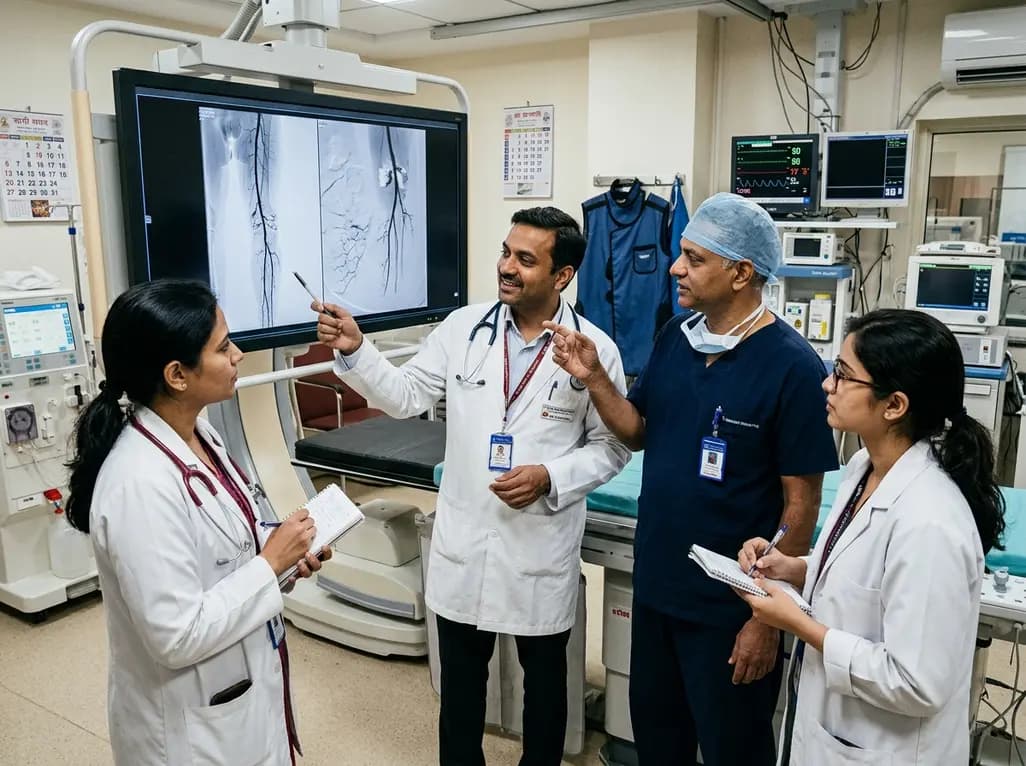
Explore revascularisation strategies in dialysis-dependent chronic limb-threatening ischaemia. This review examines surgical bypass vs endovascular therapy, BEST-CLI trial findings, procedural morbidity, conduit availability, and multidisciplinary decision-making for optimal limb salvage.
Today

A recent cross-sectional analysis reveals that over a quarter of randomized controlled trials for non-specific low back pain face discontinuation or unknown status, while more than 36% of completed trials remain unpublished, exposing notable reporting gaps in spine and musculoskeletal clinical research.
Today
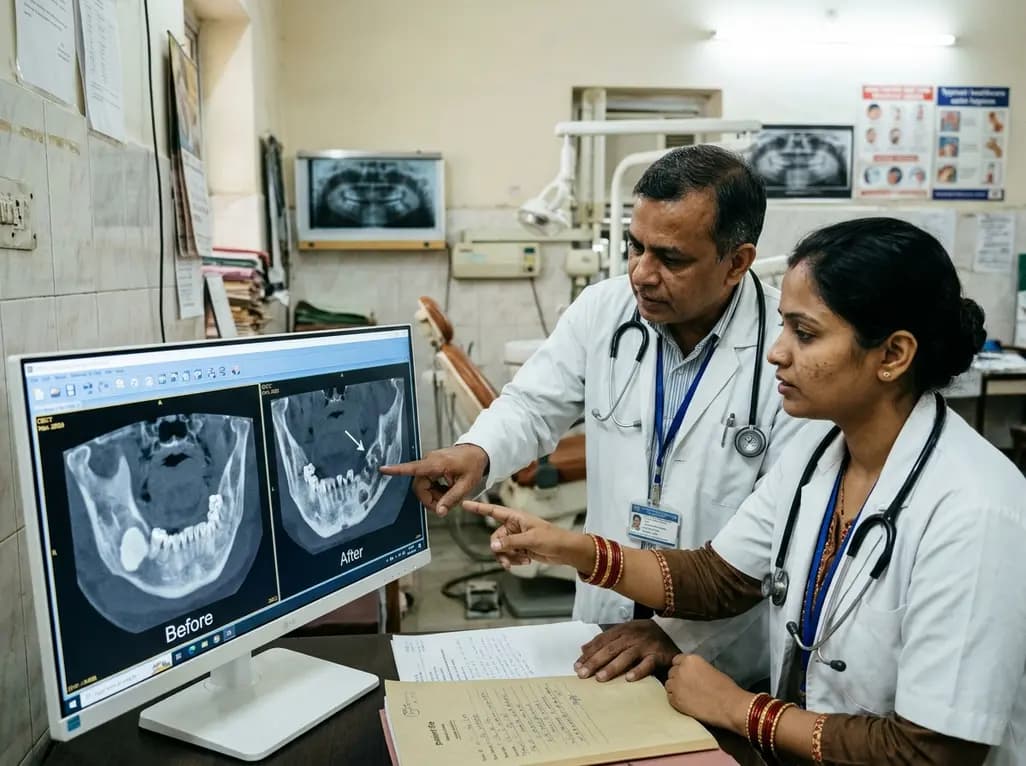
This case report examines the longitudinal CBCT evolution of Stage 2 MRONJ in a 70-year-old woman on denosumab at the site of a pre-existing mandibular dense bone island. It emphasizes the radiographic features, differential diagnosis, and multidisciplinary strategies required for high-risk bone lesions.
Today
