

Loading, please wait...
Loading, please wait...

Q1: Why is the Supreme Court proposing to shift coal-based industries?
The proposal seeks to improve the air quality in the Delhi-NCR region, which faces a persistent pollution crisis affecting public health.
Q2: Which government bodies must submit the joint proposal?
The Ministry of Environment, Forest and Climate Change, the Ministry of Petroleum and Natural Gas, and the Ministry of Power must submit the plan.
Q3: What is the deadline for the next judicial review on this matter?
The Supreme Court has scheduled the next hearing for March 12 to review status reports and proposals from all stakeholders.
Disclaimer: This content is for informational and educational purposes only. It does not constitute medical advice or replace professional judgment. Refer to the latest local and national guidelines for clinical practice.
References

Read summarized clinical updates, watch expert medical content, and earn CME certifications right from your smartphone.
Open your smartphone camera to scan and install.





Supreme Court seeks responses on shifting coal-based industries out of Delhi-NCR to tackle the air pollution crisis and improve public health outcomes....
7 months ago

A landmark study demonstrates that RIPK1 activation in the subacute phase of intracerebral hemorrhage drives inflammation, blood-brain barrier leakage, and cognitive impairment in males but not females, highlighting essential sex differences for precision neuroprotective clinical trials.
Today

A pharmacometric and machine learning study reveals that specific vaginal bacteria alter cervical antiretroviral exposure, highlighting the need for precision HIV PrEP strategies.
Today

New clinical evidence demonstrates a shift away from strict exercise restrictions in genetic heart disease. While patients with channelopathies engage in more vigorous activity than those with cardiomyopathies, shared decision-making and individualized risk assessments ensure safe, beneficial exercise participation.
Today
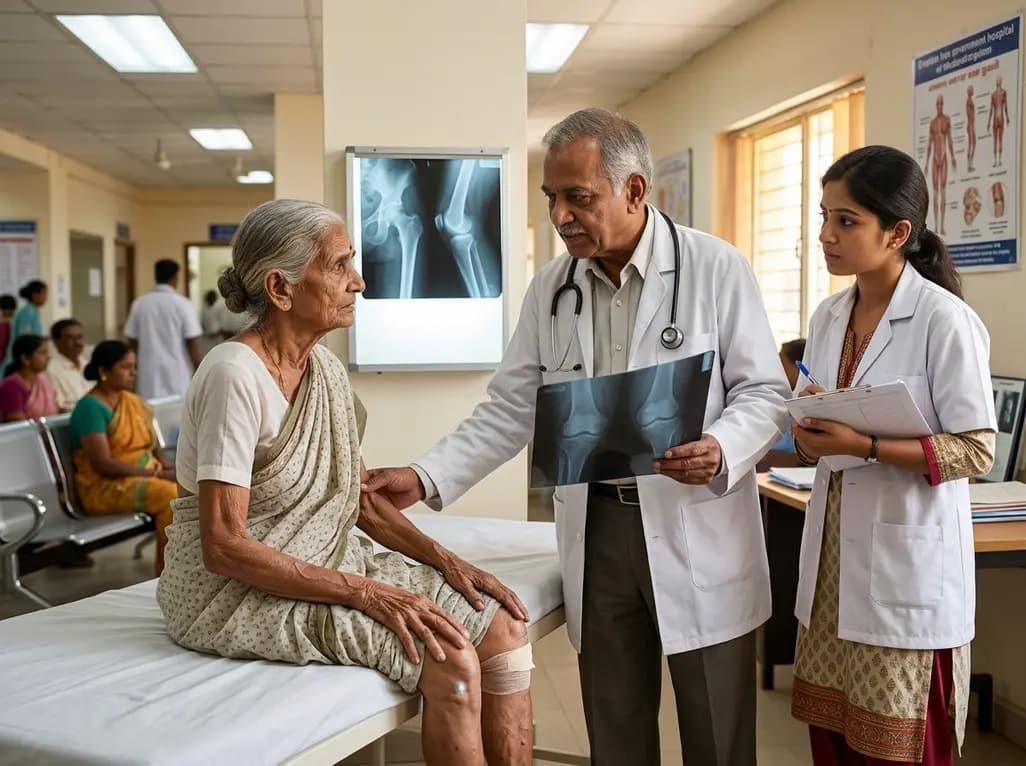
Sarcopenia significantly impairs functional independence and amplifies fracture risks in patients with osteoarthritis and osteoporosis. Learn about modern diagnostic strategies, GLP-1 therapy considerations, and evidence-based non-pharmacological management across multidisciplinary clinical settings.
Today

Recent research defines ferro-aging as a conserved iron-lipid axis driving organ decline across primates. Age-related iron dyshomeostasis stimulates ACSL4-mediated lipid peroxidation, promoting cellular senescence. Notably, vitamin C directly inhibits ACSL4, suppressing phospholipid oxidation and multi-organ decay.
Today
