.webp&w=384&q=75)

Loading, please wait...
Loading, please wait...

Surgical resection represents the cornerstone of management for patients presenting with intracranial diffuse gliomas. However, when tumors infiltrate the medial frontal lobe, neurosurgeons face unique functional challenges. Resecting lesions within this territory frequently precipitates supplementary motor area syndrome, a striking constellation of transient contralateral motor deficits and speech arrest. Historically, clinicians feared that these postoperative neurological deficits might delay critical adjuvant chemoradiotherapy and worsen overall patient prognosis. Recent clinical evidence now provides definitive reassurance regarding this dilemma. Transient neurological deficits following surgery do not undermine therapeutic timelines or oncological survival metrics.
The supplementary motor area occupies the posterior superior frontal gyrus, playing an essential role in voluntary movement execution and speech planning. During surgical resection within this territory, disruption of complex corticostriatal connections and frontal aslant tract fibers frequently triggers acute neurological suppression. Consequently, patients often awaken from surgery with severe contralateral hemiparesis, hemiapraxia, and pronounced speech hesitation or complete mutism. Despite these dramatic presentations, intraoperative neuromonitoring demonstrates preserved primary motor cortex and corticospinal tract integrity.
Clinical studies indicate that supplementary motor area syndrome develops in approximately fifty percent of patients undergoing surgery in this anatomical zone. Because these deficits mimic profound primary motor stroke, surgical teams historically hesitated to pursue aggressive tumor debulking. Fortunately, detailed neurophysiological evaluations confirm that this syndrome reflects functional diaschisis rather than irreversible structural destruction of primary motor pathways. Therefore, recognizing the unique physiological basis of this transient syndrome allows neurosurgeons to balance maximal cytoreduction against functional preservation effectively.
To investigate whether supplementary motor area syndrome influences long-term oncological outcomes, recent clinical investigators evaluated glioma cohorts undergoing surgical resection. Specifically, researchers tracked seventy-four patients with gliomas involving or bordering the supplementary motor area between 2015 and 2024. In this carefully monitored cohort, exactly half of the surgical patients developed transient postoperative neurological deficits meeting diagnostic criteria.
Crucially, multivariable regression models revealed that supplementary motor area syndrome was not associated with delayed initiation of adjuvant radiotherapy or chemotherapy. Patients with transient postoperative deficits commenced adjuvant therapies on identical schedules compared to patients without deficits. Furthermore, Cox proportional hazards regression confirmed that postoperative supplementary motor area syndrome exerted no adverse influence on progression-free survival or overall survival. Hazard ratios remained statistically non-significant across all examined oncological endpoints. These pivotal findings overturn long-held clinical assumptions that temporary postoperative motor or speech dysfunction inherently impairs systemic oncological success.
The extent of cytoreductive surgery remains one of the strongest determinants of survival in diffuse glioma management. Modern neuro-oncology employs the Response Assessment in Neuro-Oncology (RANO) resect group criteria to standardize surgical grading. Interestingly, research indicates that the probability of developing supplementary motor area syndrome correlates directly with the magnitude of resection achieved. Univariate and multivariable analyses demonstrate that patients undergoing RANO class 2 resections face significantly higher odds of transient deficits than class 1 resections.
Specifically, extensive supratotal or complete resections involving the supplementary motor cortex disrupt medial cortical networks more extensively than partial debulking. However, while RANO class 2 resections carried a fivefold higher odd of postoperative deficits, patients ultimately achieved superior tumor control. The research demonstrated that permanent functional decline, rather than transient supplementary motor area syndrome, dictated therapeutic modifications. An unrecovered drop of twenty points on the Karnofsky Performance Scale significantly increased the likelihood of receiving reduced-intensity adjuvant therapy. Consequently, surgeons must distinguish between expected transient motor inhibition and true irreversible functional injury.
The natural history of supplementary motor area syndrome is characterized by rapid spontaneous functional recovery. Although patients present with acute akinesia or mutism immediately after extubation, clinical recovery typically initiates within days. Most patients regain functional motor strength and fluent verbal communication within several weeks to months. Functional magnetic resonance imaging and tractography shed light on the neurobiological mechanisms underlying this dramatic clinical restoration.
Neuroscientists attribute this remarkable recovery to intrinsic brain plasticity and redundant interhemispheric neural networks. Specifically, the contralateral supplementary motor area increases metabolic activation and reorganizes transcallosal projections to assume the functional workload of the resected tissue. Additionally, ipsilateral premotor cortices and secondary motor planning hubs establish compensatory connectivity to execute voluntary movements. Because the primary corticospinal pathways remain completely intact, motor execution signals rapidly reroute through alternate cortico-subcortical loops. Therefore, understanding these compensatory mechanisms provides neurosurgeons with biological confidence during aggressive resections. Clinicians can confidently assure families that acute postoperative impairment reflects temporary cortical silencing rather than permanent paralysis.
Achieving maximal safe resection within the supplementary motor area demands rigorous surgical planning and advanced technological adjuncts. Preoperative navigational tractography maps the relationship between the glioma, the pyramidal tract, and the frontal aslant tract. Intraoperatively, surgeons utilize awake craniotomy alongside direct electrical stimulation to chart eloquent functional boundaries. Continuous monitoring of motor-evoked potentials provides real-time verification that primary descending motor pathways remain undamaged throughout parenchymal resection. When operating near the supplementary motor cortex, neurosurgeons frequently encounter negative motor responses or speech arrest during awake testing.
Understanding this critical distinction prevents premature surgical cessation. Furthermore, optimizing clinical outcomes requires proactive perioperative communication and early multidisciplinary rehabilitation. Before entering the operating suite, surgical teams must educate patients and caregivers regarding the high probability of temporary postoperative deficits. Following surgery, clinical teams should initiate intensive physical, occupational, and speech therapy within the first forty-eight hours. Most importantly, oncological providers must avoid prematurely delaying adjuvant chemoradiation based on early postoperative functional assessments. Coordinated multidisciplinary management ensures that patients transition smoothly into definitive adjuvant treatments without unneeded disruptions.
Supplementary motor area syndrome is a transient neurological condition occurring after surgery in the posterior superior frontal gyrus. It manifests as contralateral limb weakness, motor apraxia, and speech hesitation or mutism. Importantly, these symptoms arise without permanent injury to primary motor cortices or the descending corticospinal tract.
Most patients begin showing noticeable neurological recovery within the first one to two weeks following surgery. Furthermore, substantial motor and language restoration typically occurs within three months through neural plasticity and contralateral hemispheric compensation. Mild fine motor coordination deficits may occasionally take up to six to eight months to resolve completely.
Clinical research demonstrates that supplementary motor area syndrome does not delay adjuvant radiation or chemotherapy. Because functional recovery typically progresses rapidly within the routine postoperative recovery interval, patients commence oncological treatments on schedule. Adjuvant modifications occur only if patients suffer substantial, irreversible functional decline rather than transient syndrome deficits.
Disclaimer: This content is for informational and educational purposes only. It is not intended to provide medical advice or to be a substitute for professional clinical judgment, diagnosis, or treatment. Refer to the latest local and national guidelines for clinical practice.
References

Read summarized clinical updates, watch expert medical content, and earn CME certifications right from your smartphone.
Open your smartphone camera to scan and install.





A 2026 study confirms postoperative supplementary motor area syndrome does not delay adjuvant therapy or impair progression-free or overall survival in intracranial gliomas, supporting aggressive cytoreduction.
Today
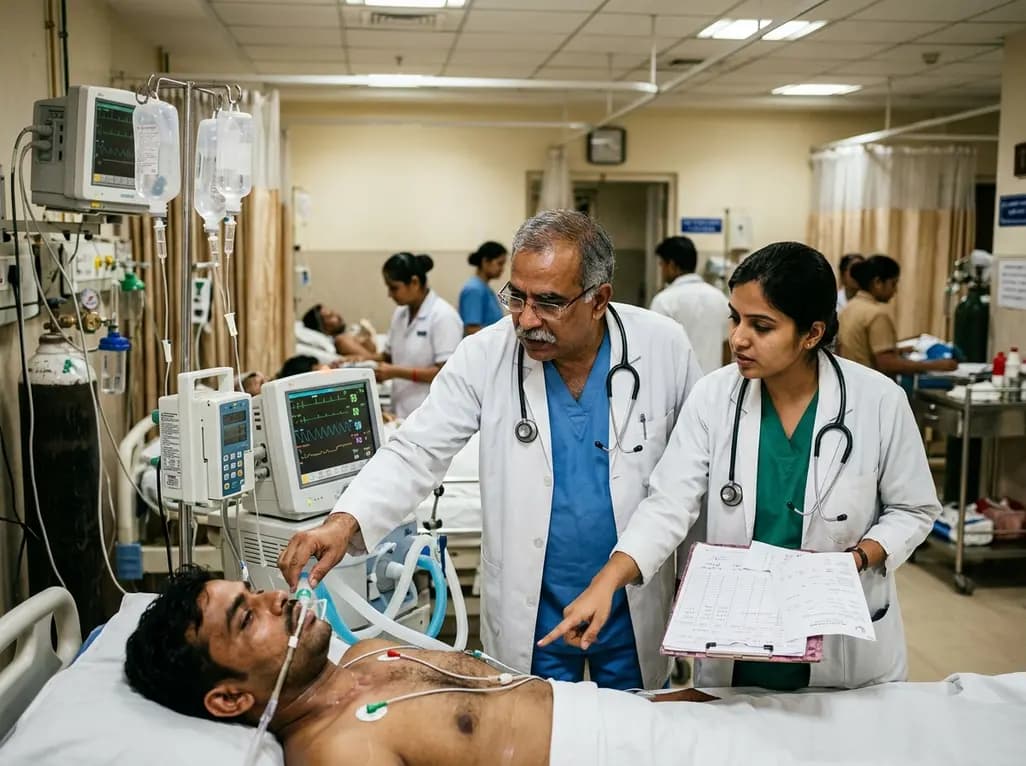
Hantaviruses are emerging zoonotic pathogens causing hemorrhagic fever with renal syndrome and hantavirus pulmonary syndrome. Characterized by severe capillary leakage and thrombocytopenia, these infections require prompt diagnosis, vigilant hemodynamic monitoring, and specialized critical care support.
Today
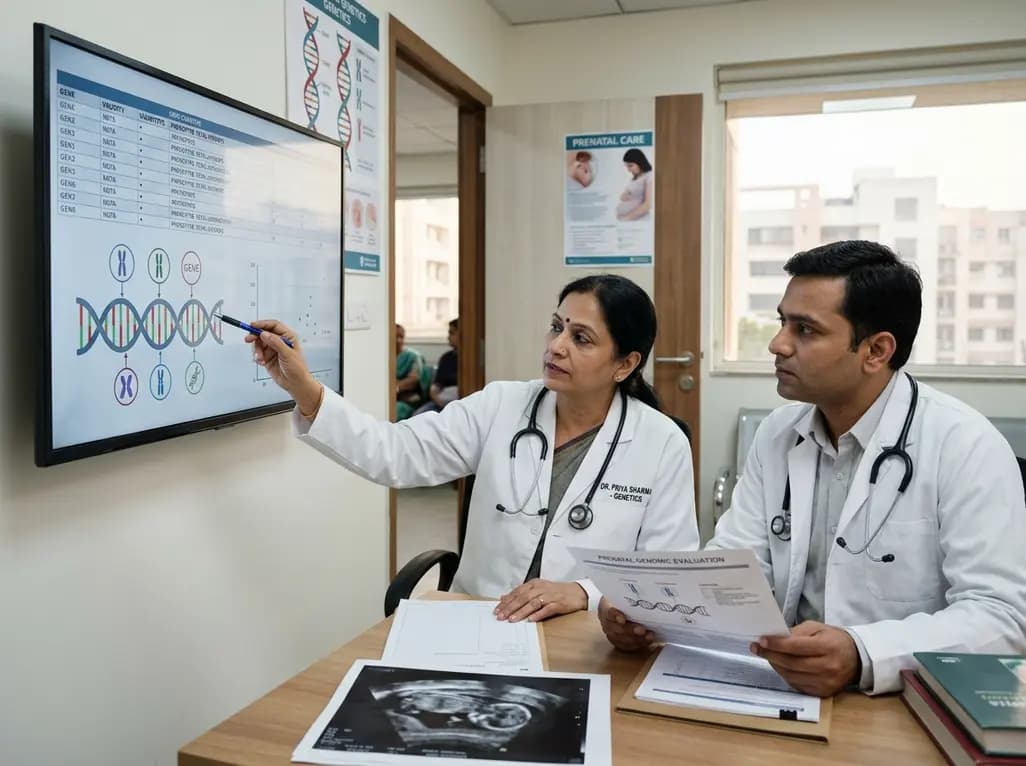
The ClinGen Prenatal Gene Curation Expert Panel evaluated 63 disease relationships across 61 genes, establishing clinical validity for severe fetal phenotypes like hydrops and stillbirth to enhance prenatal genomic interpretation and clinical care.
Yesterday

Managing refractory hypoxemia after cardiothoracic surgery becomes perilous when prolonged air leak limits positive-pressure ventilation. This case-based review details how high-flow nasal cannula, paired with awake rehabilitation, enabled successful extubation and avoided invasive re-intubation.
Today
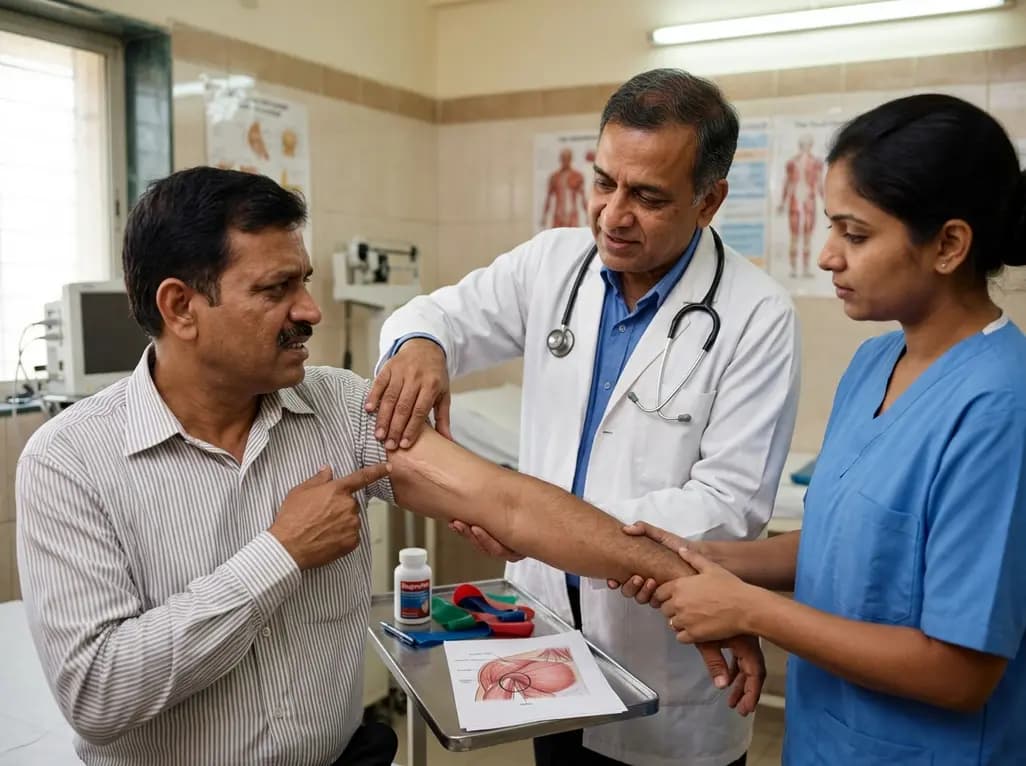
Idiopathic axillary web syndrome (IAWS) is a rare cause of shoulder pain and mobility restriction characterized by palpable axillary cording without prior surgery or trauma. Early diagnosis, nonsteroidal anti-inflammatory therapy, and physical rehabilitation lead to complete resolution of symptoms.
Today
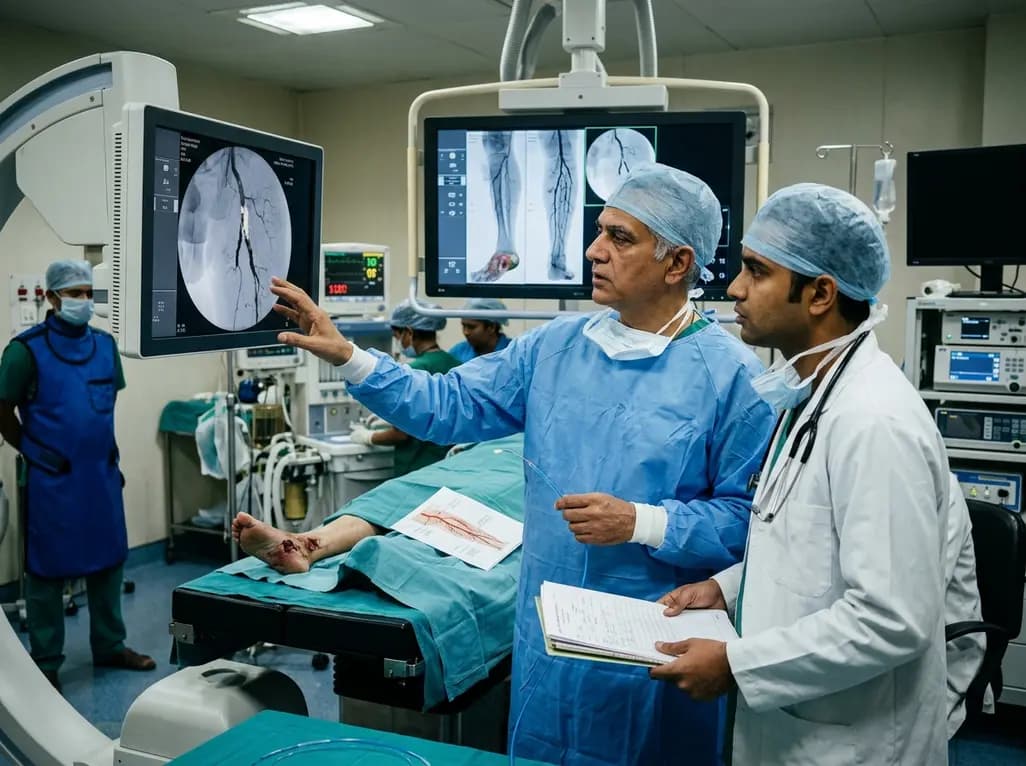
SWEDEPAD-1 trial insights show paclitaxel-coated devices do not improve long-term limb salvage in patients with chronic limb-threatening ischemia and tissue loss. While one-year reinterventions decreased, the devices were linked to a higher risk of major amputation at three months.
Today
