.webp&w=384&q=75)

Loading, please wait...
Loading, please wait...
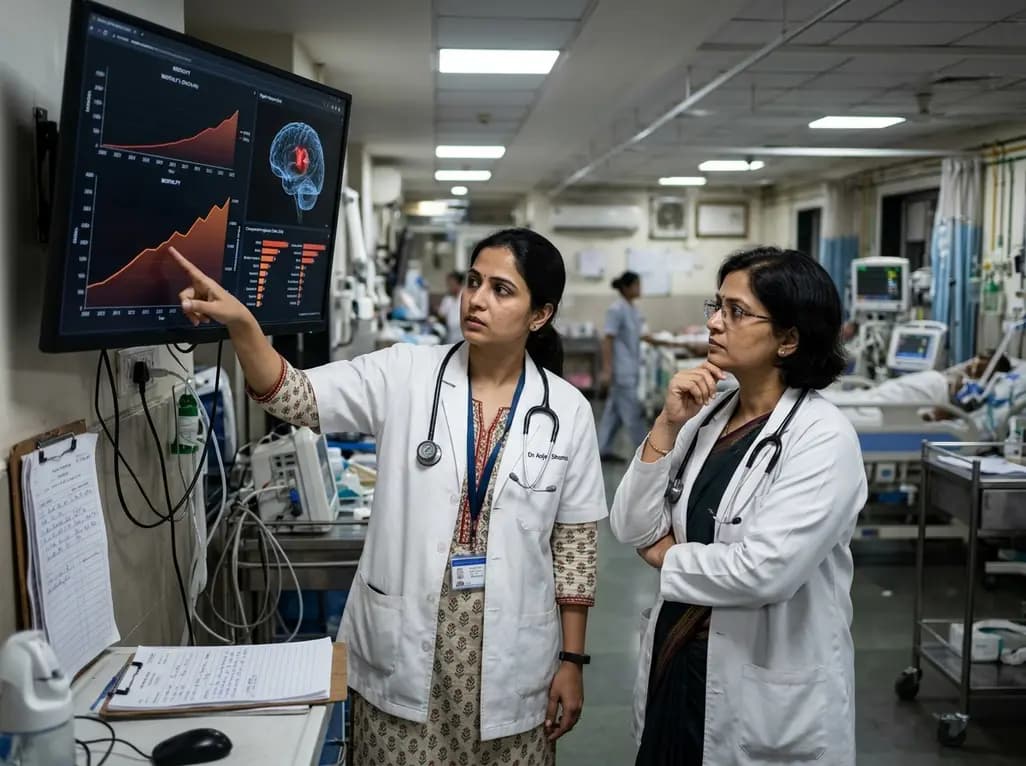
A comprehensive epidemiological analysis spanning from 2000 to 2023 highlights an alarming escalation in the subarachnoid hemorrhage burden across South Asian nations. Subarachnoid hemorrhage represents one of the most fatal forms of stroke, carrying immense risks of sudden death and severe, permanent disability. While stroke mortality has declined in several high-income regions due to acute neurosurgical advances, South Asia faces an opposing trend. Population expansion, rapid demographic aging, and underdiagnosed vascular risk factors have collectively driven this surge in regional neurovascular morbidity.
During the 2000–2023 study period, age-standardized mortality rates for subarachnoid hemorrhage in South Asia increased significantly. Specifically, the regional rate rose from 3.2 per 100,000 in 2000 to 4.2 per 100,000 in 2023, representing a 29.5% relative increase. Consequently, the average annual percent change reached 1.2%. Because the South Asian population grew and aged substantially over these two decades, absolute mortality escalated sharply. Total recorded annual deaths climbed from 26,951 in 2000 to 65,635 by 2023.
Furthermore, the overall disability-adjusted life year metrics demonstrated a parallel surge. Regional DALY rates grew from 110.4 to 136.8 per 100,000 population, reflecting an overall increase of 23.9%. In this analysis, years of life lost accounted for the overwhelming majority of the calculated DALYs. This stark imbalance underscores that premature death remains the dominant consequence of aneurysmal rupture in the region, far outweighing the years lived with chronic physical disability.
The neurovascular disease burden varies markedly among individual South Asian countries. India experienced the most dramatic escalation in both age-standardized mortality and absolute disease metrics over the two-decade interval. Specifically, India documented an age-standardized mortality rate increase of 36.1%, with absolute annual deaths surging from 20,645 to 51,767. Moreover, India experienced a massive spike in absolute DALYs, which expanded from 851,404 to more than 1.8 million cases.
Similarly, Pakistan recorded the second-highest increase, showing a 25.3% rise in age-standardized rates alongside an absolute DALY expansion from 115,227 to 250,736. In contrast, Bangladesh demonstrated a modest epidemiologic decline, with age-standardized rates improving slightly to 5.6 per 100,000 in 2023. Meanwhile, Nepal and Bhutan maintained relatively stable age-standardized rates throughout the evaluation period. These distinct national trajectories likely reflect wide disparities in underlying metabolic risk factor control, baseline socioeconomic status, and regional access to specialized tertiary neurosurgical care.
Gender-stratified evaluations demonstrated persistent disparities in mortality and overall disease burden. Throughout the 23-year observation window, females consistently experienced higher age-standardized mortality rates than males across South Asia. In 2000, female mortality stood at 4.0 per 100,000 compared to 2.5 per 100,000 for males, indicating an absolute difference of 1.5 per 100,000 and a relative gap of 37.2%.
By 2023, the female mortality rate reached 4.6 per 100,000, whereas the male rate rose to 3.7 per 100,000. Consequently, the relative disparity narrowed to 18.0%, demonstrating a measurable contraction in the historical gender gap. Nevertheless, women remain at higher absolute risk of fatal aneurysmal events. Postmenopausal hormonal shifts, reduced vascular elasticity, microvascular structural remodeling, and delayed hospital arrival frequently contribute to worse neurovascular outcomes among women in low-resource environments.
Understanding the key drivers of subarachnoid hemorrhage is essential for developing robust preventative strategies. Uncontrolled systemic hypertension represents the single most significant modifiable contributor to aneurysmal formation and catastrophic rupture. In addition, persistent tobacco smoking damages arterial integrity, accelerating intracranial aneurysm wall degeneration. Elevated body mass index and adverse metabolic syndrome profiles further compound endothelial inflammation across adult populations.
Furthermore, household air pollution from solid biomass cooking fuels remains an overlooked yet pervasive environmental hazard in South Asia. Chronic inhalation of fine particulate matter triggers systemic vascular oxidative stress and blood pressure volatility, disproportionately impacting rural women. Therefore, public health initiatives must target both traditional cardiovascular hazards and non-traditional environmental exposures to curb preventable hemorrhagic strokes across vulnerable communities.
Addressing the escalating neurovascular crisis requires coordinated clinical and public health interventions across primary, secondary, and tertiary tiers. In outpatient practice, clinicians must emphasize strict blood pressure control, aggressive smoking cessation, and targeted metabolic screening. Routine opportunistic blood pressure measurement during clinical visits facilitates early identification of asymptomatic hypertension, thereby preventing disastrous intracranial events.
Simultaneously, hospital health networks must improve acute neurovascular referral pathways and emergency readiness. Rapid triage protocols, non-contrast computed tomography, and prompt neurovascular imaging are vital for timely diagnosis of sudden-onset thunderclap headaches. Furthermore, expanding access to endovascular coiling and surgical clipping at regional neurotrauma centers will prevent fatal re-ruptures. Strengthening intensive care infrastructure, managing delayed cerebral ischemia proactively, and deploying dedicated stroke rehabilitation teams remain fundamental prerequisites for reducing regional disease burden.
Subarachnoid hemorrhage mortality is rising due to rapid population growth, demographic aging, high prevalence of untreated hypertension, widespread tobacco use, and environmental air pollution. Furthermore, variable regional access to advanced emergency neurovascular interventions and specialized neuro-intensive care exacerbates overall case fatality rates across vulnerable populations.
Females exhibit higher vulnerability due to postmenopausal estrogen decline, which alters vascular collagen integrity and promotes arterial wall weakening. Additionally, socio-cultural barriers, household air pollution from biomass fuel combustion, and delayed presentations to emergency departments frequently compromise clinical outcomes among South Asian women.
Primary care clinicians must aggressively screen for and treat systemic hypertension, aiming for sustained normotension. In addition, providing evidence-based smoking cessation support, encouraging healthy body mass index maintenance, and advising families on mitigating solid-fuel indoor smoke significantly lower the long-term risk of intracranial aneurysm rupture.
Disclaimer: This content is for informational and educational purposes only. It is not intended to substitute for professional medical advice, diagnosis, or treatment. Always seek the advice of your physician or other qualified healthcare provider with any questions you may have regarding a medical condition or treatment. Refer to the latest local and national guidelines for clinical practice.
References

Read summarized clinical updates, watch expert medical content, and earn CME certifications right from your smartphone.
Open your smartphone camera to scan and install.





A comprehensive analysis of subarachnoid hemorrhage in South Asia from 2000 to 2023 reveals a dramatic rise in mortality and DALYs, particularly in India. Learn about regional disparities, persistent female vulnerability, and crucial preventive targets.
last month

A laboratory technician's death in Siberia from an unverified respiratory pathogen has renewed global vigilance for pneumonic plague. Clinicians must recognize early presentations of Yersinia pestis, enforce immediate respiratory isolation, and start early bactericidal therapy to prevent severe secondary spread.
Today

A retrospective study of 824 patients undergoing over 2,200 intradetrusor onabotulinumtoxinA injections identifies sex- and etiology-specific predictors of 2-week post-void residual, highlighting the influence of baseline residual volumes, toxin dosage, and distinct urodynamic parameters on urinary retention risk.
Today
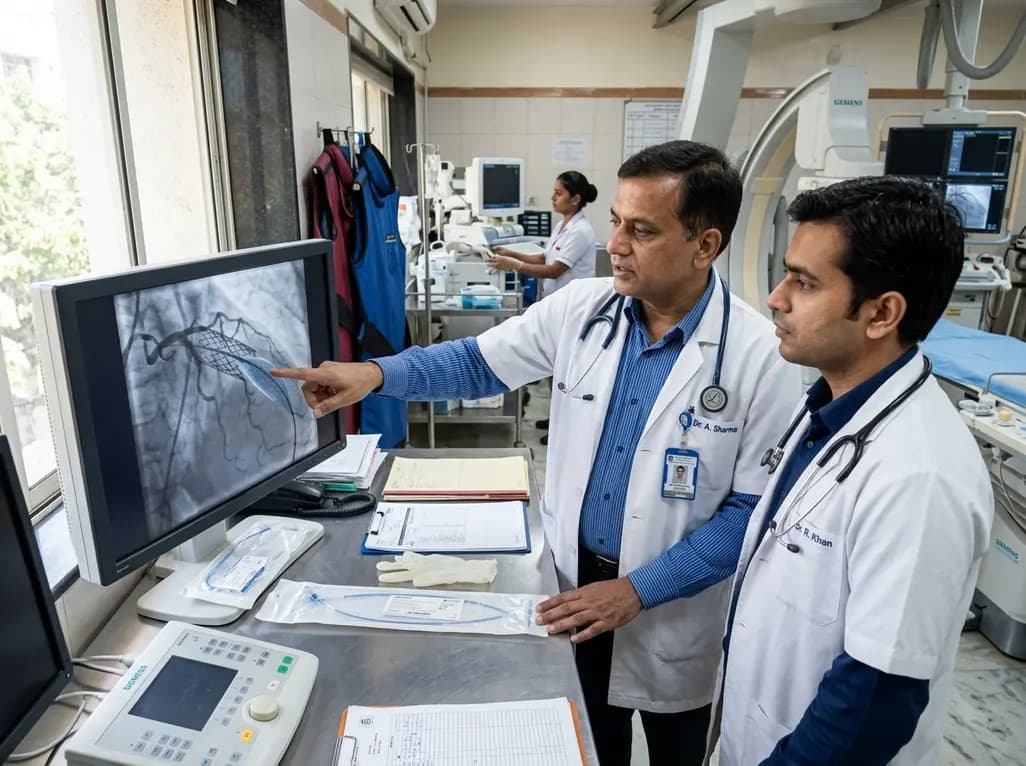
The US FDA has granted approval to the SELUTION SLR drug-eluting balloon for treating coronary in-stent restenosis. This milestone introduces a sustained-release sirolimus platform that eliminates the need for additional permanent metallic stents while maintaining robust vascular healing and luminal patency.
Today

The Thumbs-Out Classification (TOC) is a reliable screening tool for detecting thumb-in-palm deformity in children with cerebral palsy. Utilizing traffic-light tiers for radial abduction, TOC enables clinicians to monitor upper limb function and initiate timely therapeutic or surgical interventions.
Today

A comprehensive review analyzes periconceptional GLP-1 receptor agonist exposure, revealing reassuring data on congenital anomalies and adverse perinatal outcomes while emphasizing the need for cautious patient counseling.
Today
