.webp&w=384&q=75)

Loading, please wait...
Loading, please wait...

Armed conflict abruptly destabilizes higher education systems and subjects young adults to relentless psychological distress. Consequently, investigating student mental health challenges in active war zones has become an urgent public health priority. University students frequently encounter direct physical danger, displacement, family disruption, and acute bereavement. In addition, they must sustain rigorous academic productivity despite pervasive societal instability and constant existential threats.
A landmark cross-sectional study conducted across Ukraine surveyed 1,398 university scholars to evaluate this profound psychiatric crisis. Specifically, the researchers evaluated how chronic exposure to missile strikes, blackouts, and trauma impacts psychological well-being. Furthermore, the investigators linked these clinical morbidities directly to measurable educational declines using validated assessment tools. Thus, the inquiry illuminates how complex trauma erodes cognitive function and academic engagement. Clinicians, educators, and policymakers must understand these acute dynamics to construct effective psychosocial safety nets. Ultimately, preserving student psychological wellness protects human capital and secures long-term societal recovery. Healthcare providers worldwide can draw crucial lessons from these findings to support traumatized youth effectively. Moreover, modern warfare compounds the intense academic pressures that university students encounter. Educational institutions must therefore integrate proactive mental healthcare into general student support services.
The epidemiological data from this nationwide cohort revealed staggering rates of psychological morbidity among young adults. Remarkably, 85.8% of all surveyed students reported clinically significant depressive symptoms. Furthermore, 66.1% experienced generalized anxiety symptoms, reflecting persistent hypervigilance, somatic tension, and chronic dread. Sleep disturbances emerged in 56.9% of the participants, whereas 48.1% presented with post-traumatic stress disorder symptoms. Consequently, a vast majority of the academic population experiences concurrent psychiatric conditions during wartime.
Notably, students residing closer to frontline combat zones demonstrated significantly higher symptom severity. Frequent missile strikes, prolonged electrical blackouts, and disrupted routines severely aggravated these distress markers. In addition, many respondents described chronic social isolation, acute grief, and pervasive uncertainty regarding future survival. These alarming figures vastly exceed typical pre-war baseline prevalence rates observed across global student cohorts. As a result, primary care physicians and psychiatrists face an unprecedented surge in acute psychological needs. Systematic triaging remains essential to identify high-risk individuals before functional decompensation becomes irreversible. Hence, clinicians must recognize that subclinical stress can rapidly escalate into full-spectrum disorders under persistent adversity. Routine screening across campuses enables healthcare teams to pinpoint symptom clusters promptly and initiate timely psychological support.
Beyond documenting psychiatric symptoms, the study utilized multivariable regression modeling to quantify academic losses. Specifically, investigators deployed the Work Productivity and Activity Impairment: Special Health Problems questionnaire adapted for higher education settings. The econometric results confirm that psychiatric morbidities directly undermine scholastic achievement during wartime. Severe depressive symptoms produced the most profound setback, driving a 17.4% decrease in academic performance. Similarly, severe anxiety symptoms provoked a 12.2% drop in educational productivity. Furthermore, severe sleep problems contributed directly to an 11.0% decline in academic output.
Consequently, concurrent psychiatric disorders drastically impair cognitive functionality and day-to-day productivity. Students who experience severe insomnia struggle to sustain concentration during prolonged lectures, laboratory sessions, or examinations. Meanwhile, intrusive trauma memories disrupt task initiation and abstract reasoning. In addition, pervasive feelings of hopelessness reduce academic motivation, leading to severe course absenteeism. Therefore, educational declines directly correlate with psychiatric symptom intensity rather than lack of academic aptitude. Recognizing this functional deficit prevents punitive institutional measures against affected scholars. Moreover, econometric projections indicate that unaddressed cognitive declines stifle long-term professional development. Lost learning hours ultimately degrade future workforce readiness across critical scientific, medical, and technical sectors. Hence, universities must view productivity loss as a clinical symptom requiring comprehensive rehabilitation.
Chronic wartime trauma induces profound neurobiological alterations that directly compromise higher-order brain functions. Prolonged exposure to life-threatening danger triggers persistent hypothalamic-pituitary-adrenal axis hyperactivity. Consequently, elevated systemic glucocorticoid levels cause structural remodeling within the prefrontal cortex and hippocampus. As a result, students suffer measurable deficits in working memory, sustained attention, and cognitive flexibility. Furthermore, sympathetic nervous system hyperarousal maintains constant autonomic excitation, which prevents restorative slow-wave sleep.
Without adequate slow-wave and rapid eye movement sleep, neural circuits cannot efficiently consolidate complex academic material. In addition, persistent intrusive trauma memories hijack attentional resources, leaving minimal cognitive bandwidth for analytical reasoning. Depressive states further diminish dopaminergic signaling within mesolimbic motivational pathways, precipitating severe psychomotor slowing and executive apathy. Therefore, the observed educational decline represents a neurobiological consequence of prolonged trauma rather than simple motivational failure. Notably, sustained neuroinflammatory signaling may also worsen cognitive fatigue and cerebral fog among affected individuals. Clinicians must understand these physiological mechanisms when designing treatment strategies. Accordingly, integrating cognitive rehabilitation with emotional stabilization significantly accelerates recovery among traumatized students. Restoring neurobiological equilibrium remains essential for preserving scholastic capability during prolonged adversity.
Effectively addressing student mental health challenges requires multifaceted, evidence-based psychiatric interventions tailored for high-adversity environments. First, health systems must establish widespread mental health screening using validated digital instruments. Primary care physicians should routinely screen students for depression, generalized anxiety, insomnia, and post-traumatic stress. Furthermore, clinicians must integrate trauma-informed psychotherapies, including cognitive behavioral therapy and eye movement desensitization and reprocessing. In addition, short-term pharmacological therapy can stabilize acute, debilitating symptoms when non-pharmacological modalities prove insufficient.
Structured group interventions and peer support networks also foster psychological safety and alleviate social isolation among displaced learners. Meanwhile, academic advisors must coordinate closely with campus clinicians to offer individualized academic accommodations. These supportive measures include flexible examination scheduling, asynchronous lecture access, and reasonable assignment extensions. Consequently, students can sustain educational engagement without exacerbating acute psychiatric distress. Moreover, healthcare institutions should train faculty members to recognize early indicators of behavioral decompensation. Timely referrals to specialized psychological services prevent acute crises from developing into refractory psychiatric conditions. Therefore, interdisciplinary collaboration between healthcare professionals and academic institutions produces optimal outcomes for distressed scholars. Ultimately, structured therapeutic pathways restore functionality and preserve the future prospects of university students.
Severe depressive symptoms reduce student academic productivity by approximately 17.4 percent. Consequently, depressed students experience profound motivational deficits, impaired executive functioning, and chronic fatigue. Furthermore, these persistent affective barriers obstruct coursework completion, diminish memory retention, and drastically impair exam performance in high-stress academic environments.
Sleep disturbances degrade neurocognitive capacity by impeding nocturnal memory consolidation and emotional regulation. Therefore, chronic sleep deprivation markedly diminishes sustained attention, slows processing speed, and elevates somatic anxiety. As a result, affected students struggle to assimilate complex concepts, maintain attention during lectures, and execute demanding university assignments effectively.
Clinicians routinely utilize validated self-report instruments such as the PHQ-9 for depression and the GAD-7 for generalized anxiety. Additionally, practitioners deploy the PCL-5 to identify post-traumatic stress and the WPAI: SHP questionnaire to measure educational impairment. Consequently, these standardized tools enable timely triage and structured interventions.
Disclaimer: This content is for informational and educational purposes only... Refer to the latest local and national guidelines for clinical practice.
References

Read summarized clinical updates, watch expert medical content, and earn CME certifications right from your smartphone.
Open your smartphone camera to scan and install.





A nationwide survey of Ukrainian university students during wartime reveals alarming rates of psychiatric morbidity, including depression (85.8%), anxiety (66.1%), sleep disturbances (56.9%), and PTSD (48.1%), which directly precipitate steep declines in academic performance and productivity.
Today
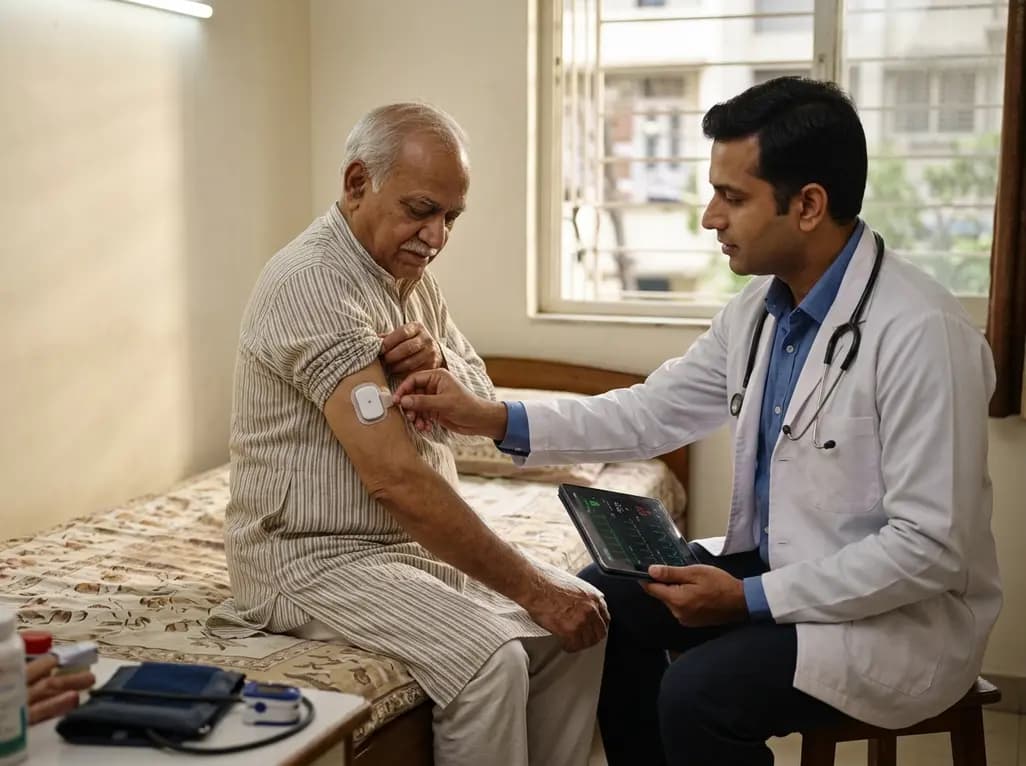
A feasibility study evaluates remote vital sign monitoring in acute hospital at home patients. Continuous wearable patches captured heart rate and respiratory rate with high adherence (89% and 75%), significantly exceeding manual spot checks for blood pressure, oxygen saturation, and temperature.
Today
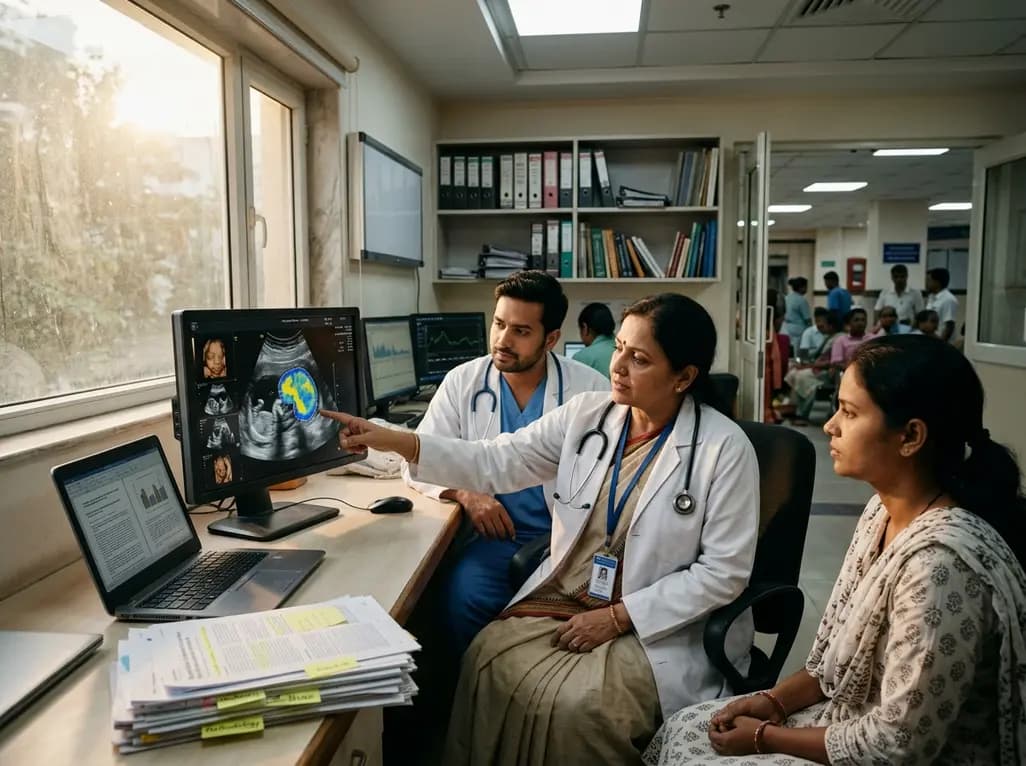
A scoping review evaluates 116 studies on AI in women's reproductive health, finding that 83.6% carry high risk of bias. While ensemble models show promise, disparities and lack of validation hinder LMIC deployment.
Today
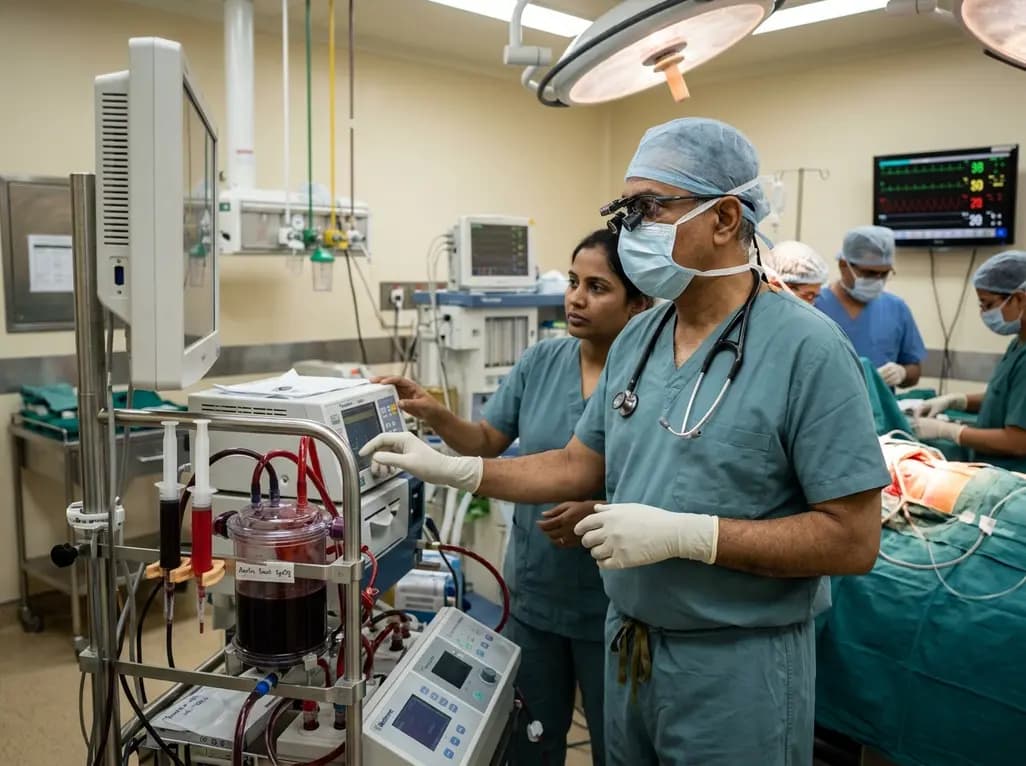
Differential oxygenation during peripheral TA-NRP can cause undetected coronary hypoxemia due to arch vessel clamping. A novel circuit with continuous aortic root monitoring detects desaturation early, facilitating left ventricular unloading and preventing allograft dysfunction and unnecessary heart discard.
Today
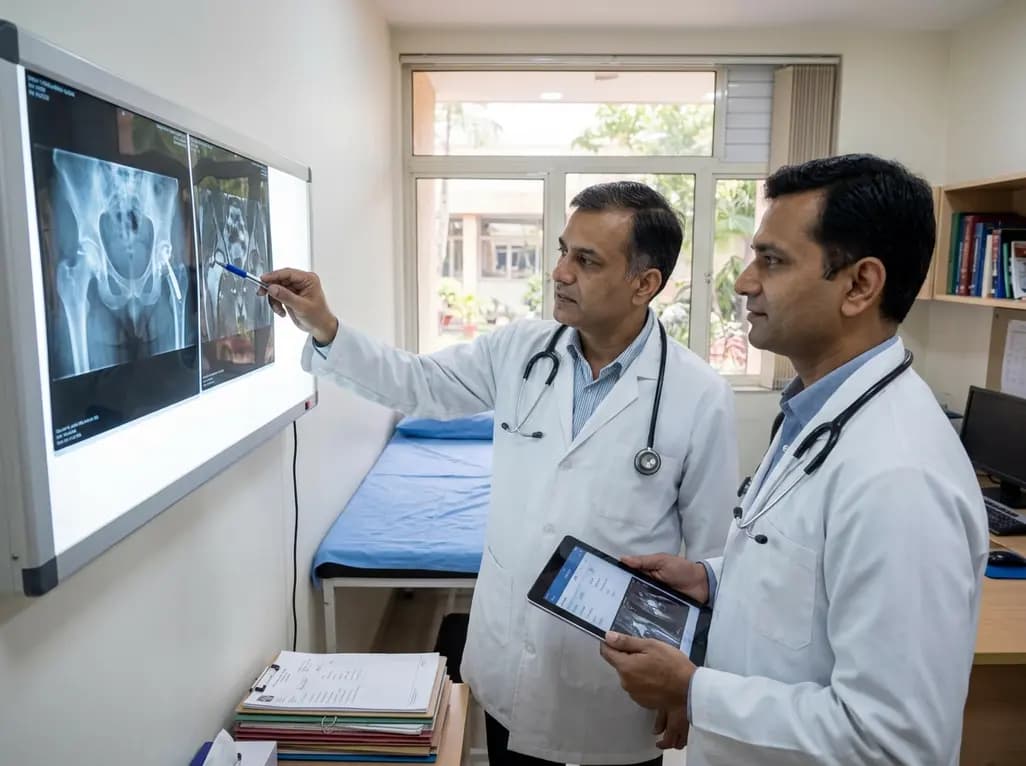
A longitudinal study reveals that patients undergoing staged bilateral hip arthroscopy experience progressive contralateral labral deterioration during surgical intervals. However, structural degradation does not compromise 2-year postoperative clinical outcomes or patient-reported satisfaction scores.
Today
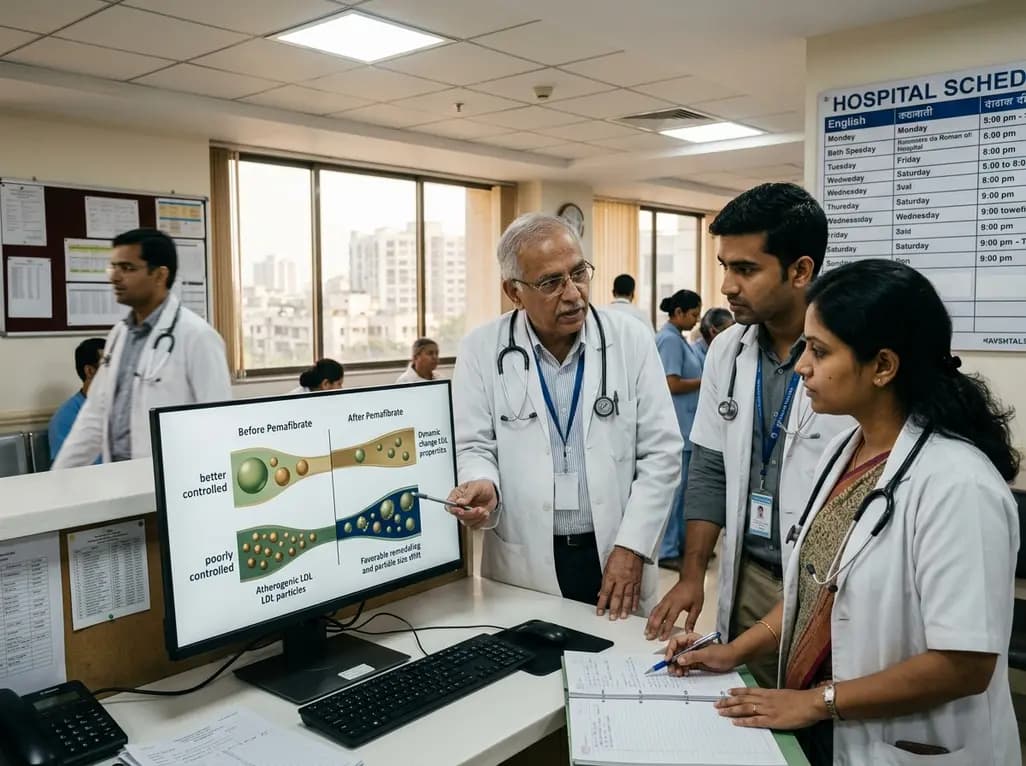
A post hoc analysis of the PARM-T2D study shows pemafibrate exerts baseline-dependent effects on LDL-C and particle size in type 2 diabetes and hypertriglyceridemia. It lowers triglycerides and remnants while favorably remodeling atherogenic LDL particles based on initial lipid control status.
Today
