.webp&w=384&q=75)

Loading, please wait...
Loading, please wait...

Stroke financial toxicity describes the combined objective costs and subjective stress survivors face during recovery. As the global population ages, the incidence of stroke rises significantly. This trend creates a heavy financial load for families and public health systems alike. In India, high out-of-pocket expenditure often leads to catastrophic health expenses. Consequently, identifying these financial barriers early is vital for improving long-term patient outcomes.
Several variables determine the level of financial distress for patients. Specifically, disease severity and the length of hospitalization directly increase medical costs. For instance, private healthcare settings in India often involve higher fees compared to public facilities. Furthermore, medications account for a large portion of outpatient expenses. Patients also face indirect losses, such as wage depletion for both survivors and their caregivers. Therefore, these combined factors contribute to a notable decline in material living standards.
Survivors and their families use various methods to mitigate economic strain. Primarily, enrolling in government schemes like Pradhan Mantri Jan Arogya Yojana (PMJAY) provides significant financial protection. Moreover, families may reduce non-essential expenses and seek community social support. Proactive participation in medical decision-making helps patients choose cost-effective treatment paths. Healthcare professionals must provide education on these resources to improve treatment adherence. Additionally, early rehabilitation services can reduce long-term disability, ultimately lowering total lifetime costs.
It refers to the objective financial burden and the subjective psychological stress caused by the costs of stroke treatment and rehabilitation.
High financial toxicity often leads to medication non-adherence and missed follow-up appointments, which increases the risk of stroke recurrence.
Yes, schemes like PMJAY in India cover hospitalization and some medication costs, significantly reducing out-of-pocket expenses for eligible families.
Disclaimer: This content is for informational and educational purposes only. It does not constitute professional medical advice, diagnosis, or treatment. Always seek the advice of your physician or other qualified healthcare provider with any questions you may have regarding a medical condition. Refer to the latest local and national guidelines for clinical practice.
References
1. Jin L et al. Financial toxicity in stroke patients: current status, influencing factors, and coping strategies: a review. Top Stroke Rehabil. 2026 Apr 27. doi: 10.1080/10749357.2026.2659072. PMID: 42044515.
2. Mishra AK, Mishra N, Gajjar K. Financial burden of stroke on family and caregiver in India: a literature review. Int J Res Med Sci. 2016 Sep;4(9):3675-3678.
3. Economic burden associated with stroke in India: insights from national sample survey 2017-18. Taylor & Francis. 2021. doi: 10.1080/23288604.2021.1925345.

Read summarized clinical updates, watch expert medical content, and earn CME certifications right from your smartphone.
Open your smartphone camera to scan and install.





A review of financial toxicity in stroke survivors, exploring economic burdens, medication costs in India, and effective coping strategies for recovery....
5 months ago
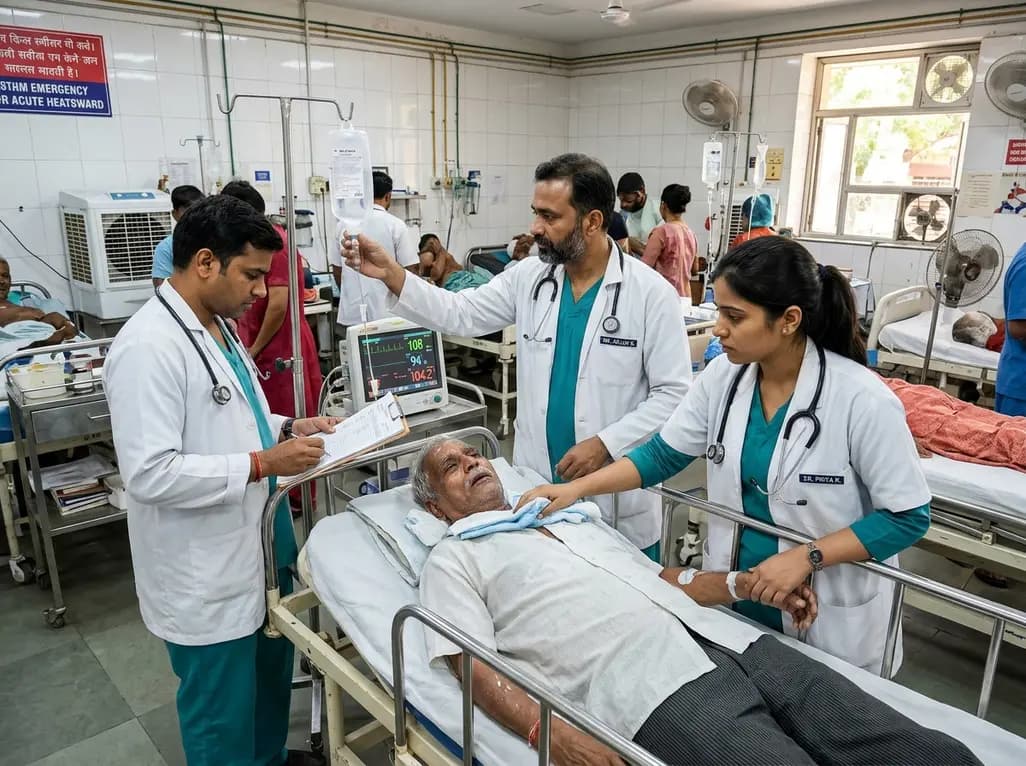
Recent epidemiological data reveals a dramatic surge in summer heat mortality driven by human-induced climate warming. This analysis explores the pathophysiological impacts on cardiac and renal systems, diagnostic dilemmas in death certification, and essential emergency cooling protocols for acute clinical care.
Today

Odisha has established India's first state-level clinical protocol specifically tailored for pregnant women with sickle cell disease. Developed with NHM and UNICEF, the framework provides structured antenatal screening, crisis mitigation, standardized referral pathways, and specialized interdisciplinary care.
Today

India is advancing preventive healthcare by integrating genomics, artificial intelligence, and quantum technologies. With the SANGAM programme sequencing one million Indian genomes, clinicians can unlock personalized therapies, detect cardiometabolic risks early, and curb the burden of diabetes and heart disease.
Today
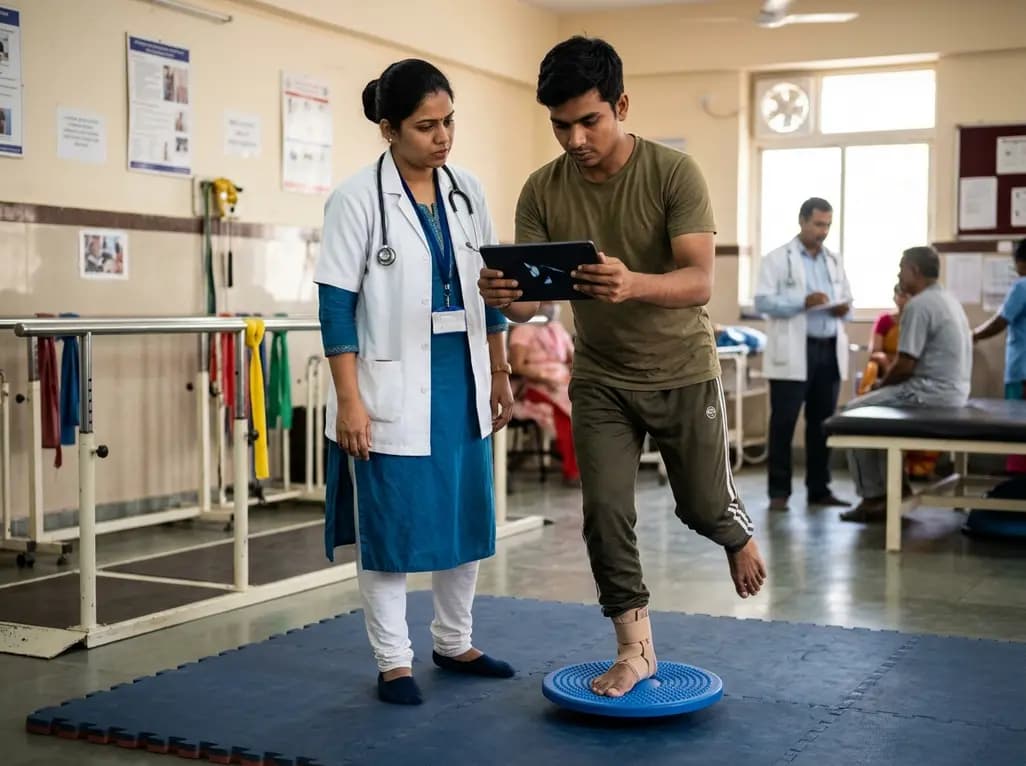
A randomized controlled trial demonstrates that an eight-week dual-task training intervention significantly improves static and dynamic postural control over standard balance exercises in individuals with chronic ankle instability, addressing critical neurocognitive deficits during athletic and daily activities.
Today

A retrospective cohort study of 7,716 ICU patients from the MIMIC-IV database demonstrates that Gradient Boosting Decision Trees significantly outperform traditional SOFA scores in predicting in-hospital mortality among patients with sepsis and diabetes, with SHAP analysis providing clinical interpretability.
Today
