.webp&w=384&q=75)

Loading, please wait...
Loading, please wait...

Stage III periodontitis represents an advanced stage of inflammatory destruction that threatens dentition survival. Consequently, affected individuals frequently suffer from deep pocketing, substantial alveolar bone loss, and increased tooth mobility. These pathological alterations severely impair basic oral biomechanics. Specifically, patients experience marked difficulties while fragmenting tough food items. Therefore, successful stage III periodontitis therapy must target functional rehabilitation alongside microbial eradication. In daily clinical settings, dentists often focus primarily on clinical probing depths and bleeding indices. However, patients judge their overall health status through daily comfort, aesthetic preservation, and efficient chewing ability. Periodontal tissue breakdown causes secondary occlusal trauma and dental hypermobility. As a result, chewing cycles become uneven and less forceful. In addition, chronic oral pain and loose teeth restrict dietary diversity. Many individuals avoid fiber-rich fruits and wholesome vegetables because mastication induces physical distress. Thus, the physical disability translates into nutritional deficits and psychological apprehension. Furthermore, baseline evaluations consistently confirm that individuals with severe periodontitis register dramatically worse Oral Health Impact Profile scores compared to healthy peers. Addressing these systemic lifestyle disruptions requires an empathetic, structured therapeutic roadmap. Clinicians must recognize that restoring periodontal stability directly fosters physiological and nutritional well-being.
Managing advanced periodontal breakdown demands an organized, stepwise clinical trajectory. Initially, clinicians deliver meticulous non-surgical debridement to control subgingival dysbiosis. This primary phase combines supra- and subgingival mechanical instrumentation with personalized oral hygiene coaching. Consequently, the resolution of local inflammation substantially reduces soft tissue edema. In addition, collagen fibers reorganize within the connective tissue, which immediately decreases tooth mobility. Furthermore, non-surgical therapy establishes a biologically compatible root surface and shrinks deep pockets. Nevertheless, residual pockets measuring five millimeters or deeper frequently persist around multirooted molars and complex bony architecture. Therefore, clinicians must transition selected cases toward corrective surgical periodontal interventions. During this surgical phase, surgeons gain direct optical access to root concavities and complex infrabony defects. Clinicians can then deploy regenerative biomaterials or resective procedures depending on the underlying defect anatomy. As a result, surgical intervention eliminates persistent niches and promotes periodontal ligament reconstruction. Longitudinal trials confirm that sequential therapy yields incremental benefits. Non-surgical protocols initiate tissue stabilization, while subsequent surgical interventions maximize pocket reduction and clinical attachment gain. Ultimately, this comprehensive continuum halts disease progression and provides durable biomechanical support for vulnerable teeth.
Historically, researchers measured periodontal success almost exclusively through surrogate biological metrics. Modern dental science, however, emphasizes objective functional indices such as masticatory performance and mechanical damping capacity. Clinicians frequently utilize electronic instruments like the Periotest device to quantify dental mobility objectively. Healthy periodontal ligaments dissipate occlusal loads evenly across bone. Conversely, severe attachment loss compromises this damping capacity, producing pathological movement. Fortunately, structured therapy rapidly improves these mechanical dynamics. Following non-surgical instrumentation, resolution of inflammatory exudate within the desmodontium diminishes dental displacement significantly. Moreover, specialized silicone cube chewing tests paired with standardized sieve analysis reveal notable functional improvements. In these physiological assessments, patients chew test food specimens across predefined cycle counts. Laboratory sieves then separate fragmented particles to calculate the median particle size. Patients with untreated periodontitis produce coarse, poorly broken particles due to chewing discomfort and reduced occlusal forces. In contrast, completion of sequential periodontal therapy produces substantially finer particle breakdown. Furthermore, researchers observe progressive functional gains after corrective surgical therapy. These objective findings demonstrate that eliminating periodontal inflammation directly enhances neuromuscular chewing performance and mechanical bite stability.
While clinical calipers measure pocket depths, validated surveys capture the lived experience of the patient. The Oral Health Impact Profile represents the most widely utilized instrument for evaluating oral health-related quality of life. This fourteenth-item questionnaire examines distinct functional, psychological, and social dimensions. Patients with severe periodontitis frequently report severe physical pain, functional limitations, and psychological discomfort before initiating treatment. Specifically, chronic bleeding, halitosis, and mobile anterior teeth trigger pronounced social inhibition. However, sequential periodontal treatment systematically reverses these adverse burdens. Non-surgical debridement generates immediate patient relief by eliminating painful gingival swelling and bleeding. Subsequently, surgical pocket elimination provides durable comfort and enhances smile aesthetics. Statistical evaluations highlight a strong negative correlation between masticatory performance gains and questionnaire total scores. As chewing performance improves, overall impact scores decline sharply, indicating substantial quality of life enhancement. Patients regain confidence during public meals and social interactions. In addition, individuals report fewer dietary restrictions, lower dental anxiety, and elevated self-esteem. Thus, capturing patient-reported outcome measures allows clinicians to appreciate the holistic value of periodontal rehabilitation. Effective therapy does not simply save teeth; it dramatically revitalizes personal vitality and general happiness.
The documented recovery of masticatory performance holds immense clinical value for contemporary dental practice. In the current era of rapid implantology, practitioners occasionally advise premature extractions for severely compromised teeth. However, recent evidence confirms that natural dentition exhibits remarkable physiological recovery when managed with systematic periodontal care. Periodontists can predictably retain teeth previously marked with guarded prognoses by eliminating active infection and stabilizing mobility. Furthermore, maintaining natural dentition preserves the native periodontal ligament, which contains vital proprioceptive mechanoreceptors. These sensory structures govern neuromuscular reflex pathways during chewing, offering sensory feedback that dental implants cannot replicate. In addition, sustaining stable chewing performance supports proper nutrient absorption and metabolic health, particularly in aging adults. Therefore, dental clinicians must champion tooth preservation through evidence-based, stepwise protocols. Rigorous supportive periodontal care must follow active treatment to prevent disease recurrence. Routine recall appointments involving professional mechanical plaque removal safeguard clinical attachment gains. By combining meticulous debridement, targeted surgery, and long-term maintenance, clinicians deliver durable oral health. Ultimately, restoring masticatory capacity and patient quality of life underscores the unmatched value of comprehensive periodontal therapy.
Periodontal therapy eliminates subgingival bacterial biofilm, resolving acute inflammation within the periodontal ligament. Consequently, vascular engorgement subsides and dense collagen bundles reorganize around the root surface. This biological healing significantly reduces pathological tooth mobility, enabling patients to exert stronger biting forces without experiencing pain. In addition, finer food comminution occurs because stabilized teeth maintain consistent occlusal contact, thereby restoring normal masticatory function and facilitating comfortable, efficient daily chewing.
Non-surgical debridement successfully resolves superficial inflammation and reduces moderate pocket depths. However, deep infrabony defects and complex root concavities often harbor residual subgingival calculus that closed instrumentation cannot reach. Therefore, corrective periodontal surgery provides direct visual access for thorough root debridement. Furthermore, clinicians can place regenerative bone grafts or perform resective osseous surgery during this secondary phase. This critical step promotes definitive pocket reduction, prevents disease recurrence, and consolidates long-term periodontal stability.
Clinical parameters like probing depths and bleeding indices indicate local tissue inflammation, whereas questionnaires evaluate systemic daily well-being. Statistical analyses demonstrate strong correlations between increased masticatory performance and decreased Oral Health Impact Profile scores. As therapeutic interventions stabilize mobile teeth and alleviate oral discomfort, patients experience fewer dietary restrictions and lower social embarrassment. Consequently, physical functional recovery directly drives patient-reported improvements across psychological, emotional, and social quality of life domains.
Disclaimer: This content is for informational and educational purposes only... Refer to the latest local and national guidelines for clinical practice.
References
Ursavas A et al. Impact of Periodontal Therapy on Function and Quality of Life in Stage III Periodontitis. J Oral Rehabil. 2026 Oct 02. doi: 10.1111/joor.70323. PMID: 42827084.
Sanz M, Herrera D, Kebschull M, et al. Treatment of stage I–III periodontitis—The EFP S3 level clinical practice guideline. J Clin Periodontol. 2020;47(Suppl 22):4-60.
Brauchle F, Noack M, Reich E. Impact of periodontal disease and periodontal therapy on oral health-related quality of life. Int Dent J. 2013;63(6):306-311.

Read summarized clinical updates, watch expert medical content, and earn CME certifications right from your smartphone.
Open your smartphone camera to scan and install.





Comprehensive stage III periodontitis therapy delivers vital clinical benefits beyond pocket closure. By combining non-surgical debridement with corrective surgery, clinicians can reverse tooth mobility, restore objective chewing function, and substantially elevate oral health-related quality of life.
Today
A comprehensive systematic review reveals that CT-based epicardial adipose tissue radiomics combined with machine learning holds significant promise for predicting atrial fibrillation occurrence and recurrence. However, technical heterogeneity and validation gaps currently limit immediate clinical adoption.
Today
A retrospective cohort study evaluated 1,000 low-risk singleton births to assess maternal and neonatal outcomes during office-hours versus off-hours. Off-hours deliveries were significantly associated with higher odds of intrapartum cesarean sections and episiotomies, highlighting critical obstetric staffing considerations.
Today
Procedural success in panvascular intervention does not guarantee vessel stability. The tri-ecological framework introduces vascular device suitcordance and the Suitcordance Score, matching mechanical, cellular, and physicochemical-immune dynamics to restore true vessel homeostasis and prevent late failures.
Today
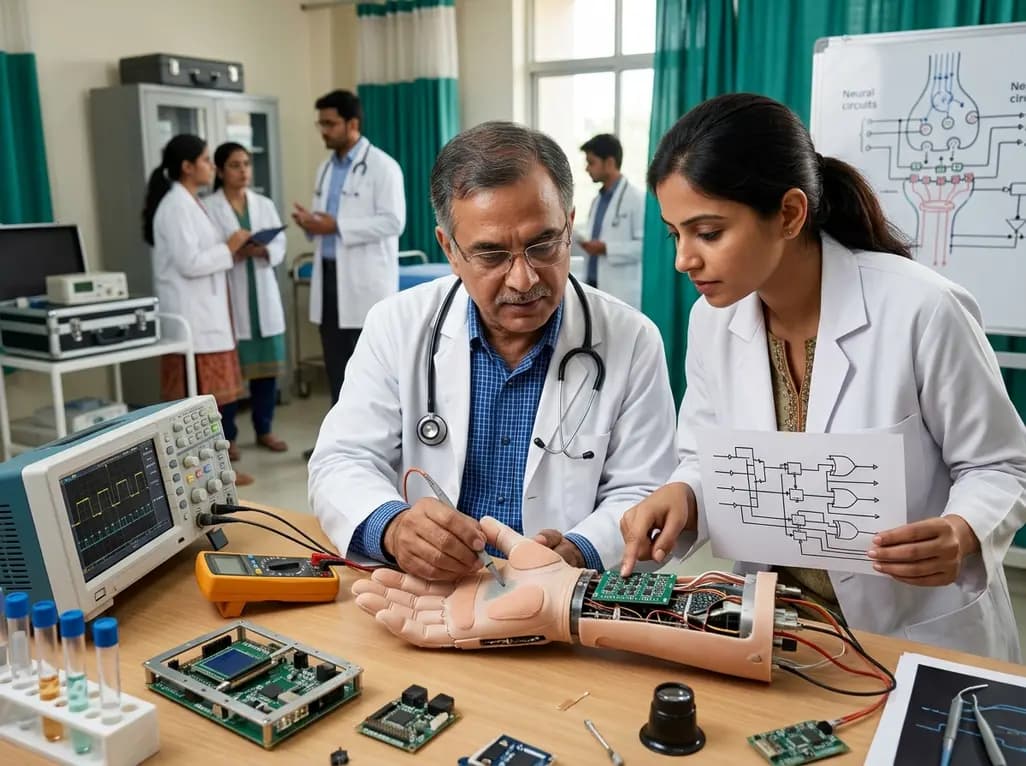
Researchers have engineered an artificial sensory-pain integrated receptor using a multi-threshold organic synaptic transistor. The system distinguishes benign touch from noxious stimuli, enabling safer, more responsive prosthetic limbs with built-in memory and simplified hardware architecture.
Today
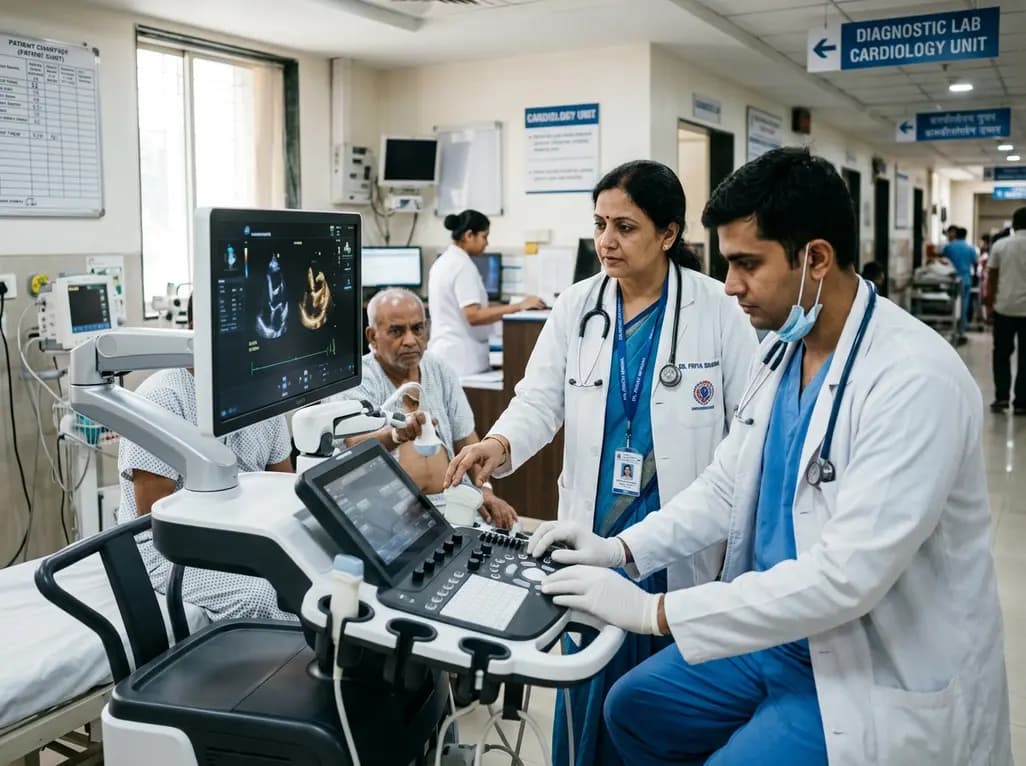
Medical robotics is transitioning beyond operative suites into diagnostics, cardiology, and endocrinology. Explore how innovations in tele-robotics, AI integration, and nanomedicine are overcoming geographical barriers and transforming precision healthcare delivery across India's evolving disease landscape.
Today
