

Loading, please wait...
Loading, please wait...
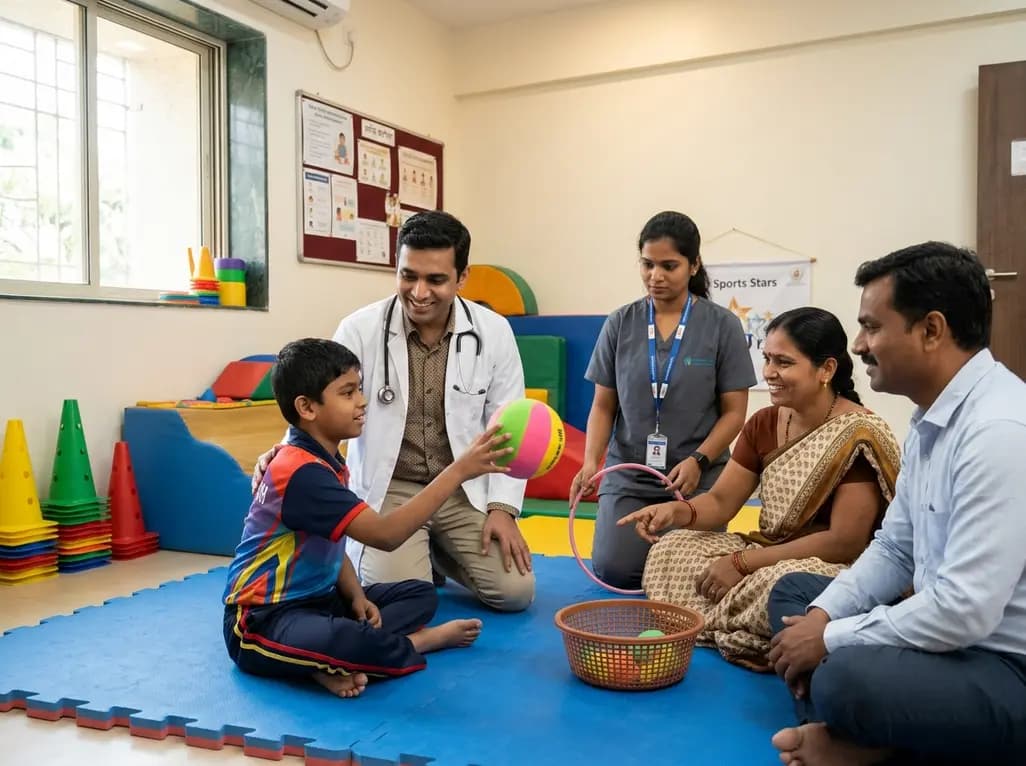
Physical activity offers vital developmental, physical, and psychological advantages for neurodivergent youth. Nevertheless, pediatricians often observe that children on the autism spectrum encounter significant obstacles when attempting to participate in conventional community sports programs. A structured sports intervention for autism addresses these complex hurdles by tailoring motor training to individual sensory and behavioral needs. Recent clinical findings from the Sports Stars Brazil program highlight how structured group physical activity promotes developmental milestones across multiple life domains for autistic children and their families.
Adapted physical activity programs require a comprehensive conceptual model to guide therapy and evaluate pediatric outcomes. Consequently, investigators adapted the internationally recognized Sports Stars program for Brazilian youth, utilizing the World Health Organization-aligned 'F-words for Child Development' framework. This strengths-based approach prioritizes six interrelated domains: Fitness, Functioning, Friends, Family, Fun, and Future. Rather than focusing solely on biomedical motor deficits, the model emphasizes holistic participation and enjoyment. In this qualitative evaluation, researchers conducted four focus groups with parents whose children participated in the modified sports protocol. Furthermore, facilitators structured interactive sessions around gross motor skills, teamwork, and recreational sports such as soccer and athletics. Parents reported that this multifaceted design addressed daily functional hurdles while keeping children deeply engaged. Thus, the F-words framework provided clinicians with a holistic lens to evaluate developmental milestones beyond isolated physical metrics. By linking structured play with real-world competence, the intervention supported overall physical literacy and active engagement. Ultimately, this approach bridges the persistent gap between clinical physical therapy and inclusive community recreation.
A targeted sports intervention for autism produces multifaceted positive outcomes that span physical, social, and emotional domains. During the focus groups, parents described notable improvements in their children's gross motor coordination, stamina, and physical fitness. However, they consistently highlighted that the most transformative effects occurred in motivation and spontaneous communication. Because clinicians adapted athletic drills into gamified, failure-free tasks, the children developed genuine enthusiasm for active play. Additionally, the predictable structure and supportive coaching enabled participants to regulate their sensory responses during dynamic movement. Consequently, children displayed improved behavioral adaptation, diminished anxiety, and increased willingness to try unfamiliar physical tasks. Parents also observed that these gains directly translated to home routines, where children initiated active games rather than retreating into solitary screen time. Therefore, physical exercise acted as a powerful vehicle to enhance overall childhood well-being and adaptive functioning. Clinicians should recognize that combining motor skill training with motivational rewards fosters resilient self-confidence. This dual focus ensures that neurodivergent children gain enduring motor competence and joyful movement experiences.
Social communication challenges often isolate neurodivergent children from peer networks and playground activities. Nevertheless, the group-based structure of Sports Stars Brazil created a natural environment for social connection. Children practiced fundamental movement skills alongside peers who shared similar motor and communication profiles. As a result, participants developed authentic peer interactions without fearing social judgment or exclusion. Parents emphasized that the concept of 'Friends' flourished because children celebrated each other's individual triumphs on the field. Moreover, the sports intervention supported functional independence, empowering children to master balance, ball control, and directional running. These newly acquired gross motor capabilities significantly elevated the children's autonomy during school physical education classes. Similarly, the shared athletic triumphs fostered a tangible sense of belonging that autistic youth rarely experience in standard sports leagues. By integrating the dimensions of 'Fun' and 'Functioning,' clinicians transformed repetitive physical training into cooperative play. Hence, the intervention effectively cultivated lasting socialization skills alongside fundamental physical agility.
Pediatric interventions produce the greatest long-term impact when they actively engage the family ecosystem. In this study, parents reported profound personal and emotional shifts after observing their children's progress. Historically, many caregivers harbored persistent anxiety regarding their child's physical vulnerabilities and social integration. However, seeing their children execute complex motor tasks and cooperate with peers reshaped their expectations. Parents began to view their children through a lens of capability rather than limitation. Consequently, this cognitive shift alleviated caregiving strain and renewed hope for their child's independent future. Furthermore, the weekly sessions offered parents an informal support network where they exchanged practical advice and validated shared caregiving challenges. This collective experience reduced feelings of parental isolation and reinforced positive parenting strategies at home. Therefore, the modified sports model served as an empowering family-centered intervention rather than a traditional clinic-bound exercise regimen. Clinicians must recognize that empowering caregivers directly amplifies developmental gains for neurodivergent children.
Translating evidence-based sports interventions into routine pediatric practice requires collaborative multidisciplinary partnerships. Pediatricians, pediatric neurologists, and physical therapists in clinical practice frequently encounter families seeking safe, structured community activities. Therefore, clinicians should actively prescribe adapted sports protocols as essential components of comprehensive autism management plans. To achieve optimal results, community recreation centers must modify sports rules, minimize sensory overstimulation, and incorporate visual schedules. Additionally, coaches and physical educators require specific training regarding neurodiversity-affirming instructional techniques. By implementing small group sizes and individualized goal setting, programs can ensure high adherence and sustained participant enthusiasm. Moreover, healthcare systems should advocate for accessible, community-based sports programs that dismantle financial and systemic barriers to participation. When medical providers champion structured athletic programs, they guide families toward sustainable health-promoting habits. Ultimately, integrating modified sports into standard developmental care plans creates meaningful pathways toward lifelong fitness, social inclusion, and physical literacy for every autistic child.
A modified sports intervention adapts athletic tasks to match individual sensory profiles, physical abilities, and communication styles. Unlike traditional physical education classes, which often emphasize fierce competition, adapted programs utilize visual supports, predictable structures, and individualized instruction. Consequently, these modifications minimize sensory distress, prevent feelings of exclusion, and build foundational gross motor skills in a supportive, fun group environment.
The F-words framework shifts rehabilitation focus from isolated biomedical deficits to holistic, child-centered life outcomes. Specifically, it addresses six core developmental areas: Fitness, Functioning, Friends, Family, Fun, and Future. By emphasizing fun and active participation rather than rigid normalcy, clinicians help children achieve meaningful milestones. Furthermore, this approach actively integrates family goals, building parental confidence and promoting long-term well-being.
Pediatricians should systematically evaluate physical activity during routine consultations and educate caregivers about the physical, emotional, and social benefits of adapted exercise. Additionally, doctors can connect families with inclusive community sports leagues, pediatric physiotherapists, and trained adaptive coaches. Providing anticipatory guidance regarding sensory accommodations and realistic motor goal setting further reassures parents, empowering them to pursue structured physical activities confidently.
Disclaimer: This content is for informational and educational purposes only and does not constitute medical advice, diagnosis, or treatment. Healthcare professionals should exercise their independent clinical judgment. Refer to the latest local and national guidelines for clinical practice.
References

Read summarized clinical updates, watch expert medical content, and earn CME certifications right from your smartphone.
Open your smartphone camera to scan and install.





A qualitative study on the Sports Stars Brazil program demonstrates that modified sports interventions improve motor skills, socialization, and family empowerment in autistic children using the F-words framework.
Today

A qualitative study investigates whether traditional bedside clinical examinations still mirror contemporary physician practice. Findings support retaining long cases while reforming short cases toward hypothesis-driven assessments.
Today
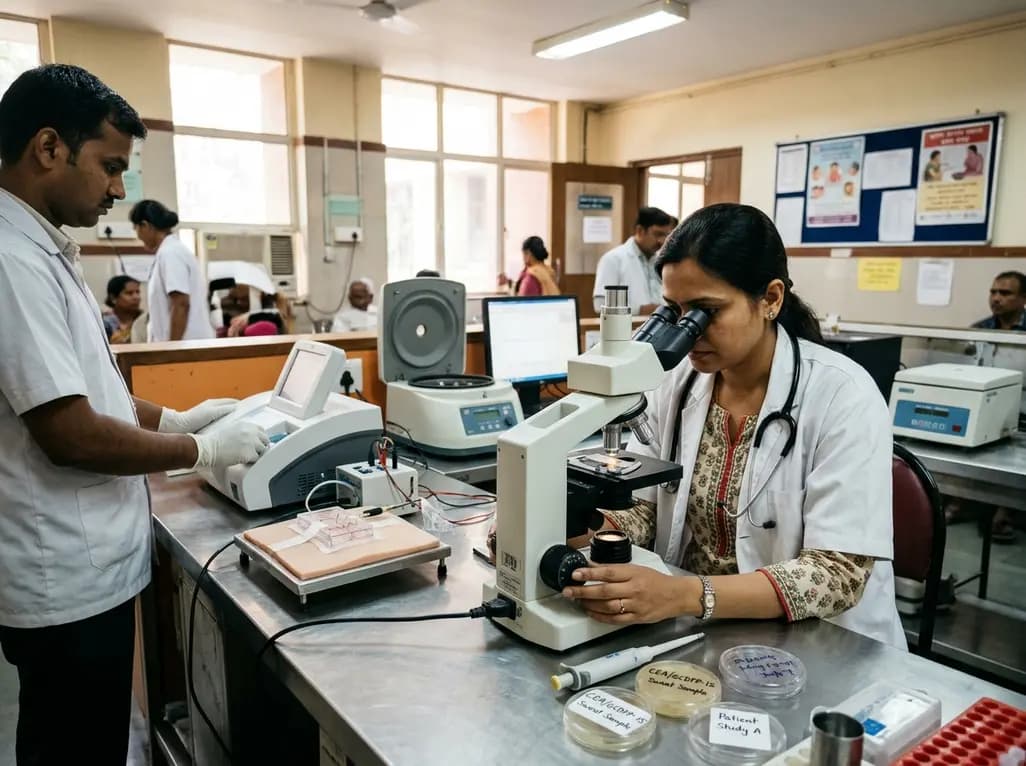
A pilot study evaluated WearDOXXN, a capillary microfluidic sweat patch, for noninvasive breast cancer monitoring by comparing sweat and serum CEA and PIP/GCDFP-15 levels.
Today

India faces a massive diabetes burden with over 89 million adults affected. Managing blood sugar in isolation fails to prevent severe cardiorenal complications. Clinicians must adopt an integrated metabolic ecosystem that prioritizes early detection, multifactorial risk assessment, and personalized therapies.
Today
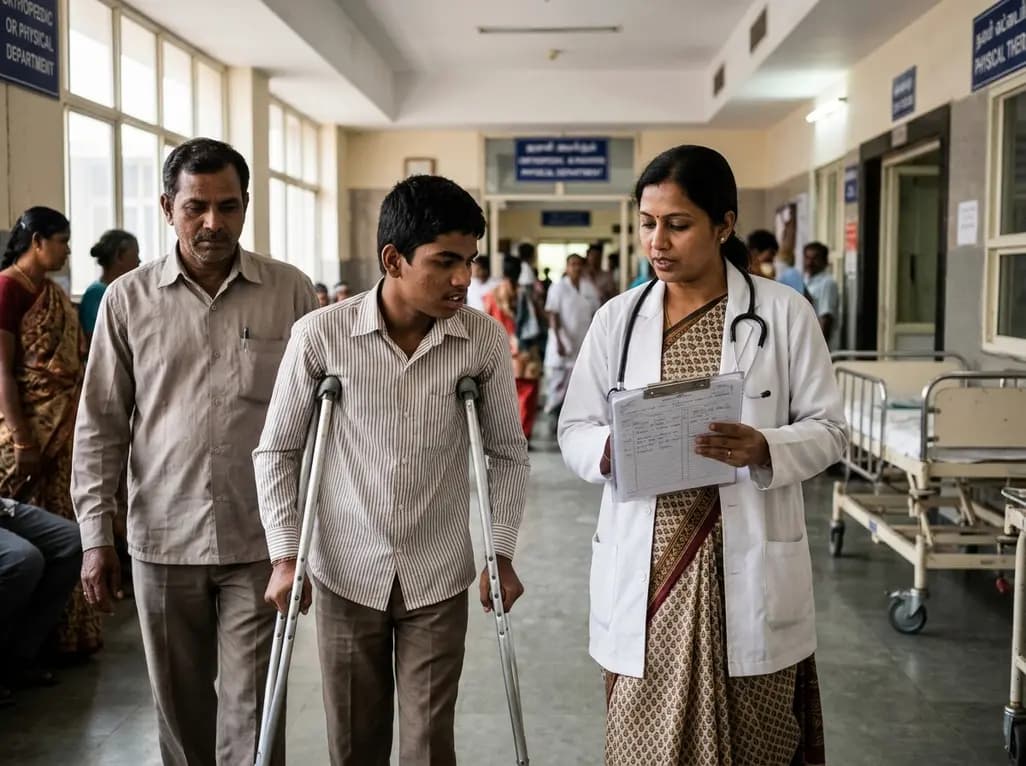
The Gross Motor Function Classification System (GMFCS) stops its validated age bands at 18. Recent evidence emphasizes that evaluating adult cerebral palsy requires purpose-sensitive documentation combining adolescent ratings with dynamic profiles of mobility, fatigue, pain, and community participation.
Today

A breakthrough 3D-printed piezoelectric collagen hydrogel activated by ultrasound accelerates diabetic wound repair, demonstrating 98.5% wound closure, robust antibacterial action, and enhanced vascularization without toxic chemical crosslinkers.
Today
