

Loading, please wait...
Loading, please wait...

Multiple myeloma represents a prolonged hematologic malignancy marked by recurrent remissions, debilitating bone pathology, and chronic therapy cycles. Throughout this arduous disease course, existential and emotional resilience plays an indispensable therapeutic role. Clinicians increasingly recognize that multiple myeloma spiritual care constitutes a cornerstone of comprehensive supportive oncology. However, despite expanding evidence supporting whole-person oncological care, medical teams rarely address religious values during routine consultations. A recent landmark cross-sectional investigation highlights an alarming communication disconnect between hematologists and their patients. By understanding these unmet needs, clinicians can meaningfully bridge the divide between routine systemic therapy and compassionate, value-concordant supportive oncology.
A pivotal multi-institutional study evaluated spiritual values and communication preferences among individuals living with plasma cell neoplasms. Researchers surveyed 281 patients utilizing validated measurement instruments, including the Centrality of Religiosity Scale and the Functional Assessment of Chronic Illness Therapy-Spiritual Well-Being Scale. Consequently, the data uncovered a striking mismatch between patient expectations and standard clinical interactions. Specifically, 80% of respondents believed that oncologists should actively incorporate spiritual and religious factors when presenting systemic cancer treatment choices. In addition, 42% of surveyed patients explicitly desired formal spiritual care services, chaplains, or specialized supportive literature during their clinical management.
Nonetheless, oncologists rarely initiate meaningful conversations surrounding personal faith, inner philosophy, or existential concerns. Alarmingly, only 19% of participants had ever discussed their spiritual beliefs with any member of their oncology care team. Therefore, while modern therapeutic regimens produce superior progression-free intervals, clinicians frequently miss essential psychosocial and existential priorities. This pronounced communication gap highlights an imperative need to train clinicians in compassionate inquiry. Furthermore, addressing personal philosophies empowers clinicians to formulate individualized treatment goals that align with what patients cherish most throughout disease management.
The survey cohort reflected a diverse cross-section of disease stages and philosophical perspectives. Among the 176 participants who completed the comprehensive battery, the median age was 65 years, and 64% were female. Furthermore, 70% identified as Christian, whereas 11% identified as atheist or agnostic, and 10% reported spiritual inclinations without religious affiliation. The overall cohort demonstrated substantial spiritual grounding, evidenced by a median Centrality of Religiosity Scale score of 3.73 and a median spiritual well-being score of 33.
Interestingly, spiritual beliefs frequently informed how patients interpreted symptom burdens, adverse toxicities, and long-term therapeutic durability. Many participants reported that personal faith provided reassurance during painful bone crises, stem cell transplantation, and continuous maintenance therapy. However, the survey also underscored that secular patients possess unique existential values that require equivalent clinical validation. For instance, agnostic individuals often seek inner peace through community connections, nature, or secular counseling rather than traditional prayer. Consequently, clinicians must recognize that spiritual support does not denote dogmatic religious practice alone. Instead, modern oncology teams must validate broad existential needs across all demographic backgrounds to provide truly individualized patient support.
Subgroup evaluations revealed remarkable variations across diverse racial cohorts and personal belief systems. Specifically, non-Hispanic Black respondents exhibited significantly higher scores on both the Centrality of Religiosity Scale and the spiritual well-being inventory compared to non-Hispanic White peers. Historical and sociological frameworks suggest that community faith structures provide robust emotional buffering and collective resilience against systemic health inequities. Therefore, acknowledging cultural spirituality remains exceptionally critical when caring for minority patient populations facing life-threatening hematologic diagnoses.
Conversely, participants identifying as atheist or agnostic reported significantly lower spiritual well-being metrics and experienced substantially worse body image scores on validated disease scales. Physical deformities resulting from osteolytic vertebral compression fractures, steroid-induced cushingoid features, and chemotherapy-related alopecia can severely compromise personal self-worth. When patients lack spiritual frameworks or secular existential counseling, coping with physical decline often becomes exceedingly difficult. Thus, clinicians should not assume that every patient handles structural bodily changes with equal emotional resilience. Moreover, these demographic differences emphasize why oncologists must tailor supportive care pathways rather than applying uniform assumptions to disparate patient cohorts.
The investigation specifically evaluated correlations between spiritual well-being metrics and myeloma-specific quality-of-life indices using validated EORTC instruments. Interestingly, the statistical associations between general spirituality measures and physical symptom scales remained relatively weak across the general study cohort. This finding indicates that spiritual wellness operates independently from somatic symptom control, such as bone pain, peripheral neuropathy, and hematologic fatigue. Consequently, achieving deep hematologic remission through novel quadruplet immunotherapy regimens does not automatically alleviate existential distress or restore inner peace.
Furthermore, these weak statistical correlations reinforce the multidimensional nature of cancer survivorship. Patients can simultaneously experience severe physical toxicities while demonstrating profound existential strength through transcendent personal beliefs. Alternatively, patients with minimal physical disease burdens may experience profound spiritual crisis, alienation, or existential dread. Therefore, oncologists must evaluate subjective emotional suffering separately from objective laboratory parameters and imaging scans. By recognizing that physical stability does not guarantee emotional equilibrium, medical providers can address the holistic dimensions of palliative and supportive oncology. Ultimately, regular spiritual screening helps identify silent psychological struggles that routine laboratory blood panels cannot capture.
Implementing spiritual care into busy clinical workflows does not require oncologists to function as professional chaplains. Instead, healthcare teams can easily utilize validated screening tools such as the FICA or HOPE spiritual assessment models during initial consultations. For example, asking simple questions regarding personal sources of hope, life meaning, and community support opens vital therapeutic dialogue. In addition, oncologists can routinely inquire whether religious convictions influence acceptance of specific blood products or aggressive supportive interventions.
Moreover, multidisciplinary collaboration serves as an effective mechanism to address identified spiritual distress without overburdening medical oncologists. Once clinicians detect spiritual struggles or unmet pastoral preferences, they should promptly refer patients to board-certified healthcare chaplains, psycho-oncologists, or social workers. International consensus guidelines from leading oncology societies recommend integrating specialized palliative and supportive care early in the hematologic disease trajectory. Thus, establishing standardized hospital referral pathways guarantees that interested patients receive compassionate counseling without delay. Through proactive screening and interprofessional collaboration, clinicians ensure that every patient navigates multiple myeloma with comprehensive dignity, emotional comfort, and holistic clinical support.
Discussing spiritual beliefs allows oncologists to align intense therapeutic plans with personal patient values and ethical preferences. Research indicates that four out of five myeloma patients desire clinical consideration of their spirituality, yet conversations rarely happen. Furthermore, identifying spiritual values helps clinicians recognize existential distress early, enhances patient-physician rapport, and optimizes shared decision-making during complex treatment phases.
Studies show that non-Hispanic Black patients often report higher religiosity and spiritual well-being scores, drawing substantial resilience from faith networks. In contrast, atheist or agnostic patients often report lower spiritual well-being metrics and worse body image perceptions amid physical decline. Therefore, oncology teams must implement tailored supportive assessments rather than assuming uniform spiritual needs across distinct cultural, racial, and philosophical backgrounds.
Clinicians can readily implement brief, validated instruments such as the FICA or HOPE spiritual history frameworks during outpatient visits. These tools assess faith, importance, community connection, and address preferences in care through a few targeted questions. Consequently, oncologists can quickly detect existential distress, document care preferences, and facilitate timely referrals to professional healthcare chaplains or trained psychosocial specialists.
Disclaimer: This content is for informational and educational purposes only and does not substitute professional medical advice, diagnosis, or treatment. Refer to the latest local and national guidelines for clinical practice.
References

Read summarized clinical updates, watch expert medical content, and earn CME certifications right from your smartphone.
Open your smartphone camera to scan and install.





A cross-sectional survey reveals that 80% of multiple myeloma patients want spiritual factors considered during treatment discussions, yet only 19% have discussed them with clinicians. Addressing spiritual care enhances holistic oncology and patient-centered decision-making.
Today
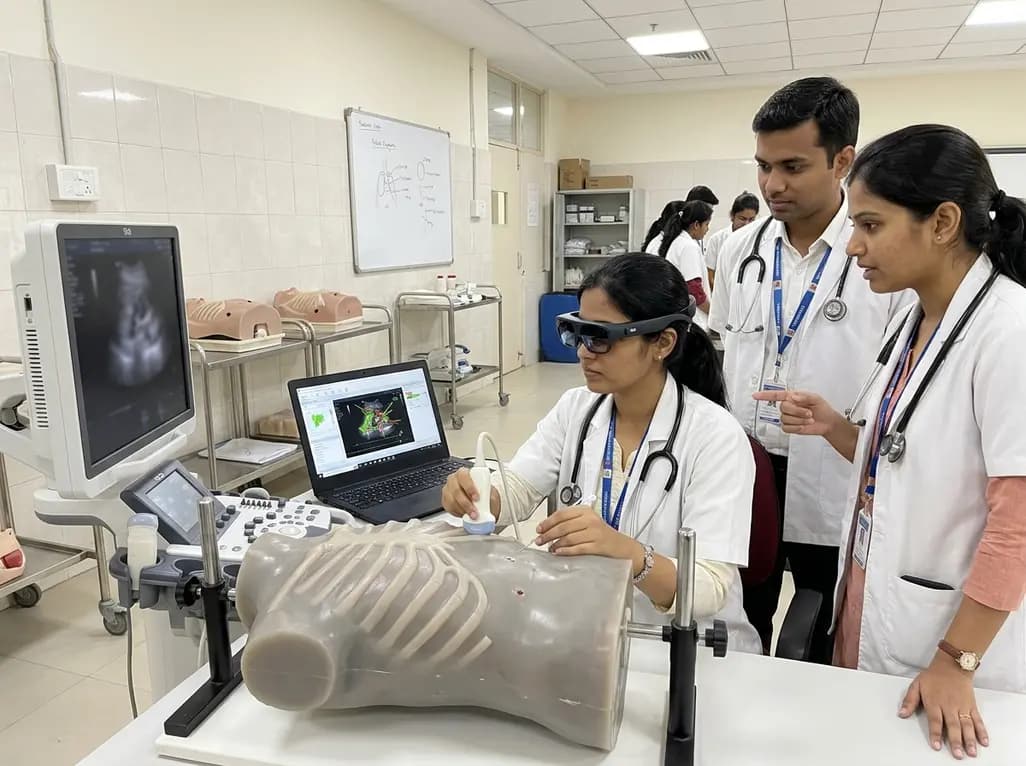
A pioneering study demonstrates that eye-tracking metrics provide robust response process validity evidence for an ultrasound-guided thoracentesis phantom, offering objective measurements of cognitive workload to improve procedural simulation and clinical training.
Today
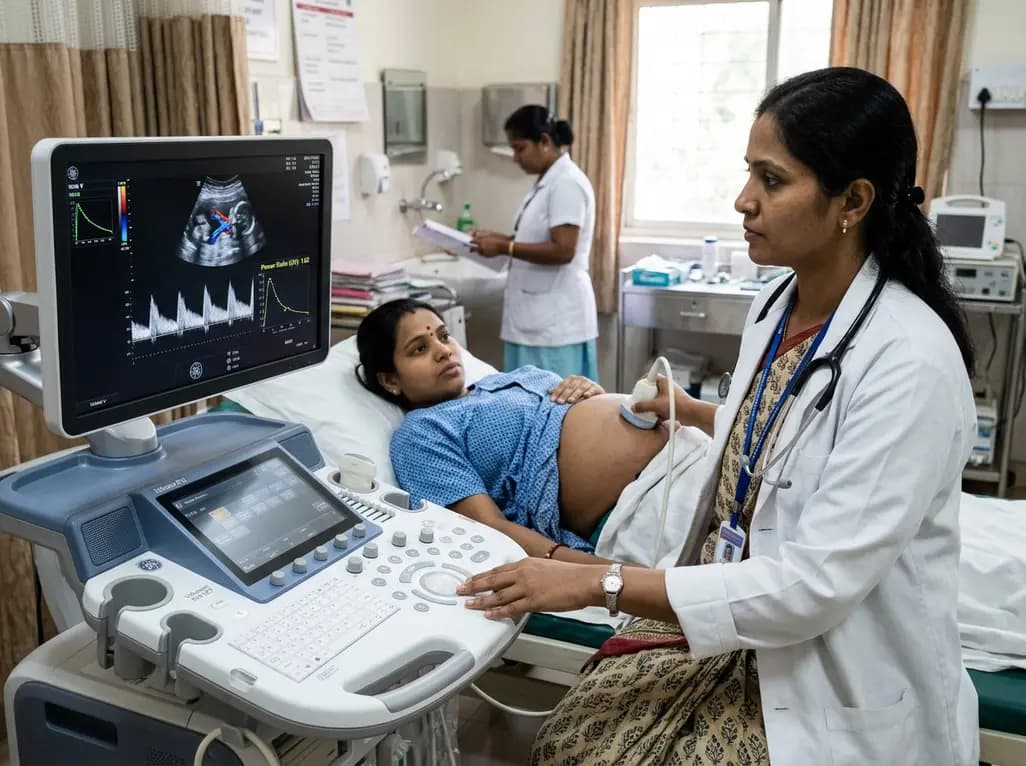
Adaptive spectral analysis of umbilical venous Doppler recordings reveals that an elevated second-trimester maternal-fetal power ratio can distinguish pregnancies at risk of preeclampsia, offering a novel biophysical approach to enhance early vascular risk stratification.
Today

A real-world cohort study of 6,537 patients from the FOUNTAIN platform demonstrates that initiating finerenone significantly reduces albuminuria by 40.7% with minimal eGFR decline and manageable hyperkalemia risk, confirming its practical effectiveness and safety in diabetic kidney disease.
Today

A comprehensive analysis of MAP therapy resistance in osteosarcoma, examining canonical and non-canonical mechanisms across damage avoidance, enhanced DNA repair, and replication stress tolerance to identify novel vulnerabilities.
Today

A meta-analysis of 18 RCTs with 77,942 patients reveals that GLP-1 and dual GIP/GLP-1 receptor agonists significantly reduce serum uric acid, cut incident gout flares by 38%, and lower hyperuricemia risk, with dual agonism showing superior urate-lowering efficacy mediated partly by weight loss.
Today
