.webp&w=384&q=75)

Loading, please wait...
Loading, please wait...

Early adolescence represents a critical window as permanent teeth erupt and dietary habits change. Consequently, managing dental caries in adolescents requires understanding upstream determinants beyond purely biological factors. Dental professionals frequently encounter severe enamel demineralisation in high-risk youth. However, conventional training often emphasizes oral hygiene technique alone. Systematic cohort evidence confirms that socioeconomic status profoundly dictates long-term disease vulnerability. When families face financial hardship, teenagers experience limited access to routine preventive dental visits. Furthermore, adolescent autonomy increases during this phase. This developmental transition often prompts unmonitored snacking and sugary beverage consumption. Therefore, dental teams must evaluate social gradients during baseline clinical risk evaluations. By recognising economic disadvantage early, clinicians can deliver timely remineralisation therapies and fissure sealants. Ultimately, addressing social determinants empowers dentists to mitigate persistent oral health disparities. In addition, clinicians should actively integrate social risk screening into daily adolescent consultations. This proactive approach ensures vulnerable teenagers receive personalised preventive support before irreversible cavitations develop. Consequently, preventive care replaces invasive operative interventions.
Robust cohort evidence highlights parental education as a decisive determinant of adolescent oral health. Specifically, maternal education demonstrates a strong, consistent inverse association with dental decay. Mothers frequently act as primary domestic health managers across diverse societies. They direct daily household dietary choices, buy hygiene supplies, and reinforce regular tooth brushing. Consequently, higher maternal schooling correlates with lower sugar intake and regular fluoride toothpaste usage. Conversely, paternal educational attainment and household income display far weaker and less consistent associations. Financial resources certainly improve the affordability of complex restorative procedures. However, higher income alone does not automatically guarantee cariogenic dietary restrictions at home. Moreover, adolescent dietary habits often diverge from parental household rules as independence expands. Nevertheless, composite socioeconomic indicators combining income, education, and occupation reliably predict caries development. Dental practitioners must therefore record comprehensive family educational backgrounds during routine clinical examinations. Identifying lower maternal education levels enables the clinical team to provide reinforced preventive instruction. Accordingly, clinicians can schedule timely follow-up visits to arrest early enamel demineralisation.
Beyond household dynamics, broader institutional and social environments strongly influence adolescent caries vulnerability. In particular, school type serves as an influential structural indicator in multiple global cohorts. Students attending under-resourced public schools frequently encounter higher decay rates than their private-school peers. School canteen environments often expose students to unregulated sugary beverages and ultra-processed snacks. Additionally, individual and collective social capital plays an essential protective role during teenage years. Strong community cohesion and supportive peer networks facilitate positive health choices and emotional well-being. Conversely, social isolation correlates with higher rates of untreated dental disease. Furthermore, longitudinal cohort studies confirm that adolescents from immigrant backgrounds experience elevated caries risk. These young individuals frequently navigate complex barriers, including language constraints and limited health literacy. Cultural differences and inadequate dental coverage also restrict timely access to preventive care. Clinicians caring for immigrant adolescents must therefore apply culturally sensitive communication. Similarly, teams should utilise bilingual educational resources to deliver preventive advice effectively. Moreover, clinical teams must engage adolescent patients with positive reinforcement rather than punitive instruction. Consequently, young patients develop lasting self-efficacy and maintain consistent daily oral hygiene.
Synthesising global evidence regarding adolescent caries and socioeconomic position presents substantial epidemiological challenges. Although prospective studies confirm distinct social gradients, investigators frequently use disparate socioeconomic measurement tools. For instance, some cohorts assess individual parental income, whereas others evaluate area-level deprivation indices or parental schooling. Furthermore, caries diagnostic thresholds vary considerably across published literature. Some researchers evaluate initial non-cavitated enamel lesions, while others record only advanced dentinal cavitations. These marked methodological differences prevent investigators from conducting pooled quantitative meta-analyses across international studies. In addition, prospective participant attrition introduces potential bias into long-term observational designs. Disadvantaged adolescent populations frequently demonstrate higher dropout rates over extended follow-up intervals. Consequently, selective attrition may underestimate the true magnitude of socioeconomic oral health disparities. To resolve these ongoing limitations, dental researchers must establish standardized composite socioeconomic measures. Validated scoring instruments will capture material, educational, and environmental dimensions accurately. Accordingly, uniform international frameworks will strengthen future cohort investigations and guide targeted public policies. Furthermore, future investigations should incorporate patient-reported oral health experiences and behavioural markers. Thus, clinical teams will gain clearer insights into the biological pathways connecting social position to tooth decay.
The findings from international cohort studies carry direct, critical relevance for healthcare practitioners across India. Socioeconomic stratification creates profound oral health inequities among Indian adolescents in urban and rural settings. Although public healthcare infrastructure exists, families in lower socioeconomic tiers face heavy out-of-pocket costs and limited preventive services. Furthermore, rapid urbanisation has dramatically increased adolescent consumption of low-cost packaged snacks and carbonated beverages. Dental surgeons and paediatricians must therefore screen for social vulnerability using validated tools like the modified Kuppuswamy scale. In routine practice, Indian clinicians should deliver structured preventive protocols to socially vulnerable adolescents. These measures include biannuall high-concentration topical fluoride varnish applications and pit and fissure sealants on permanent molars. Moreover, dental colleges should partner with local government schools to provide supervised tooth brushing programs. Community health workers can also educate parents regarding sugar reduction and fluoridated toothpaste use. Ultimately, combining chairside vigilance with structured community outreach will protect vulnerable Indian youth from progressive dental disease. Accordingly, Indian health authorities must prioritize adolescent oral health within broader non-communicable disease prevention frameworks.
Maternal education directly shapes daily health literacy, dietary habits, and family tooth brushing routines. While parental income determines financial purchasing power, financial wealth does not automatically guarantee cariogenic dietary restrictions or consistent home oral hygiene. Educated mothers frequently recognise the early clinical signs of enamel demineralisation, limit sweet snacks, and prioritize routine dental visits. Consequently, maternal educational attainment functions as a more stable, longitudinal predictor of adolescent caries resistance than fluctuating household income.
Clinicians in India can assess socioeconomic risk by incorporating validated instruments, such as the modified Kuppuswamy socioeconomic scale, during routine history taking. Dental surgeons should specifically evaluate maternal schooling, paternal occupation, household income, and local water fluoridation status. In addition, assessing adolescent schooling type and snacking patterns helps identify high-risk adolescents. Recognising these social determinants enables clinicians to recommend individualized fluoride regimens, intensive chairside preventive education, and timely placement of pit and fissure sealants.
Professional application of high-concentration topical fluoride varnish every three to six months offers substantial protection against caries progression. Additionally, resin-based or glass ionomer pit and fissure sealants effectively shield occlusal surfaces of newly erupted second molars from bacterial biofilms. School-based supervised tooth brushing programs with fluoridated toothpaste also reduce social disparities dramatically. Clinicians should combine these clinical measures with practical dietary counselling, advising adolescents to limit ultra-processed, sugar-sweetened beverages during school hours.
Disclaimer: This content is for informational and educational purposes only... Refer to the latest local and national guidelines for clinical practice.
References

Read summarized clinical updates, watch expert medical content, and earn CME certifications right from your smartphone.
Open your smartphone camera to scan and install.





A systematic review shows maternal education and social capital strongly influence dental caries in adolescents, emphasizing the need for targeted preventive care.
Today
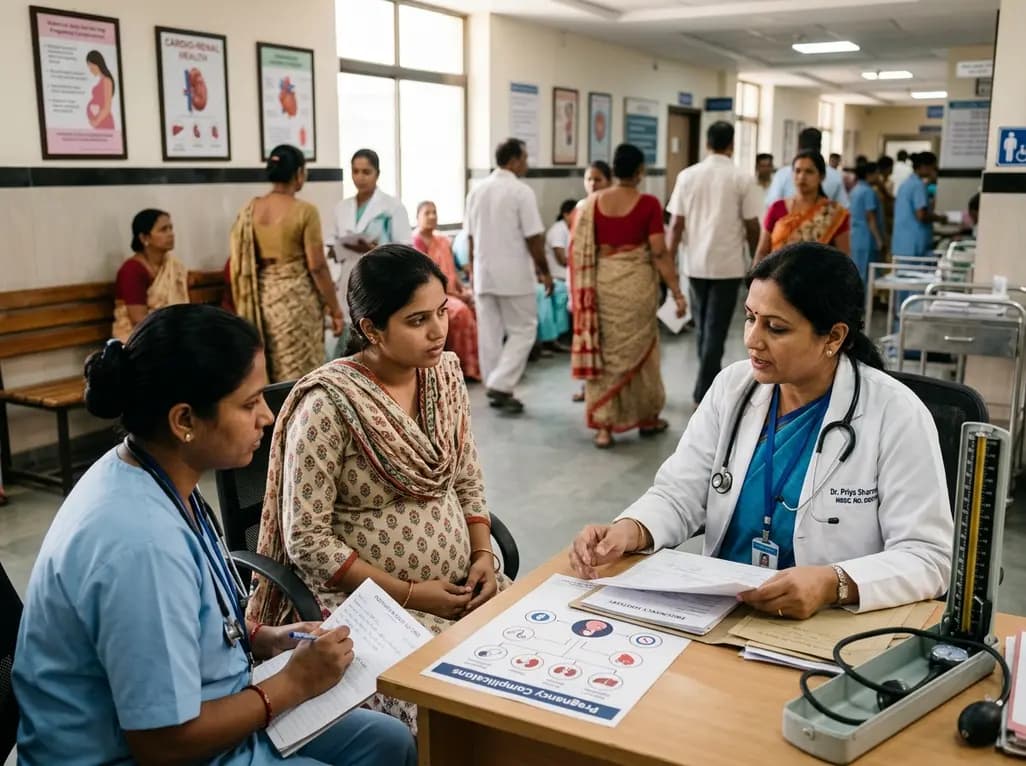
A large UK cohort study of 1.4 million women shows that pregnancy complications, including gestational diabetes, hypertension, and preterm birth, substantially raise long-term risks for hypertension, chronic kidney disease, type 2 diabetes, and cardiovascular events, highlighting early postpartum intervention needs.
Today
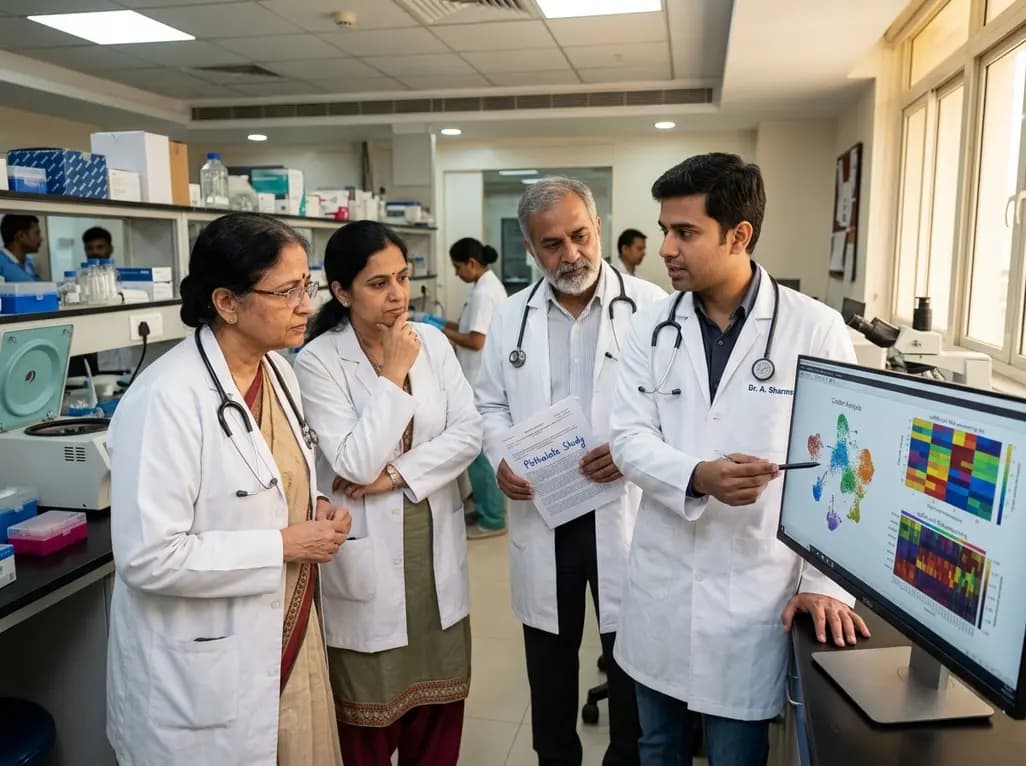
A landmark single-cell study reveals that MEHP, a major phthalate metabolite, damages human ovarian tissue beyond follicles. By disrupting glial-stromal communication, cellular adhesion, and mitochondrial respiration, environmental plasticizers impair ovarian integrity at realistic exposure levels.
Today
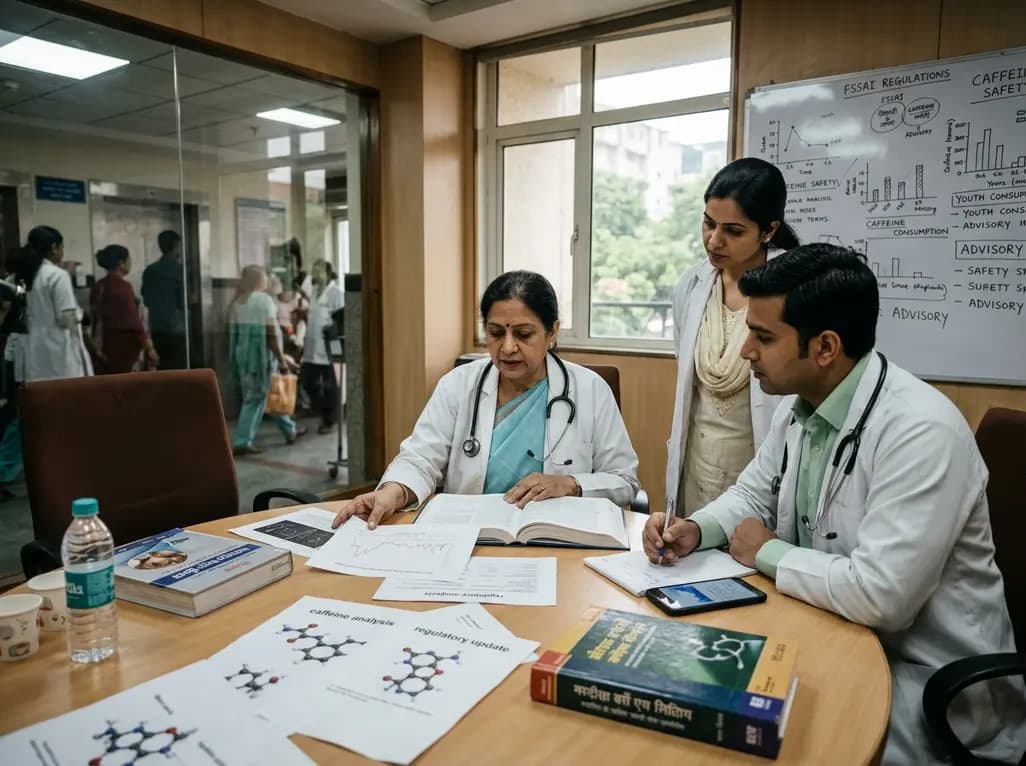
The Delhi High Court granted interim relief to beverage manufacturers against the FSSAI ban on the energy drink descriptor. Discover the regulatory dispute, caffeine safety thresholds, metabolic concerns, and the vital clinical recommendations for healthcare practitioners advising young consumers in India.
Today
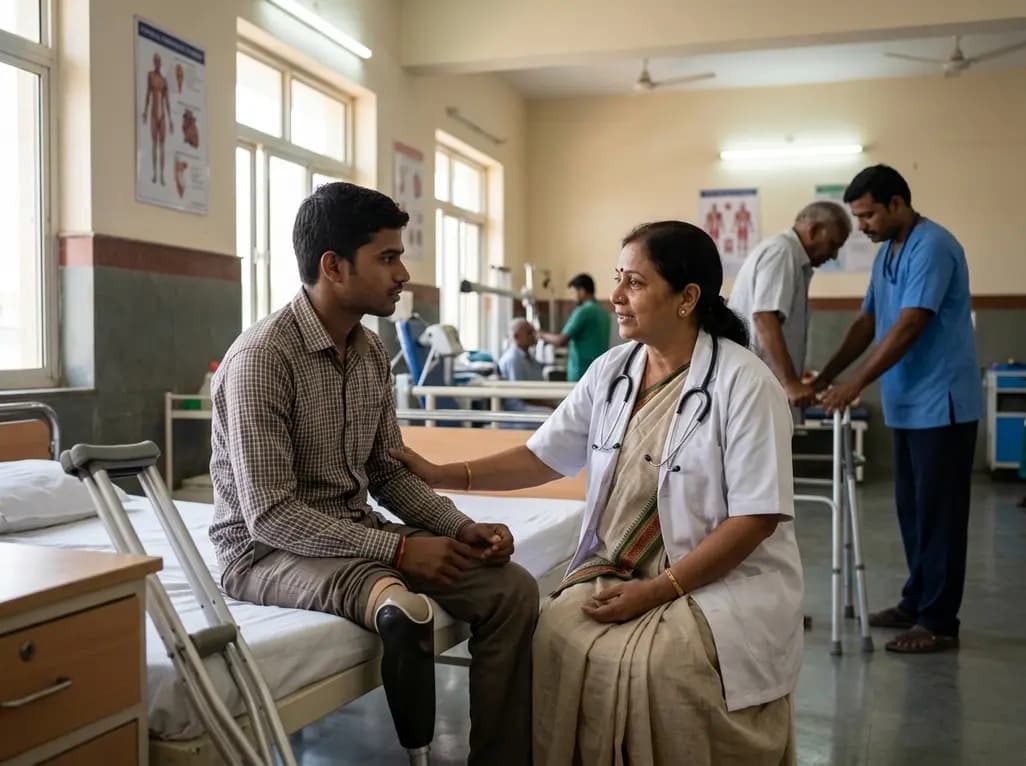
A scoping review reveals severe gaps in long-term assistive technology provision following humanitarian emergencies. Addressing post-disaster rehabilitation requires systematic follow-up, workforce training, and integration into national health systems to sustain mobility and recovery.
Today
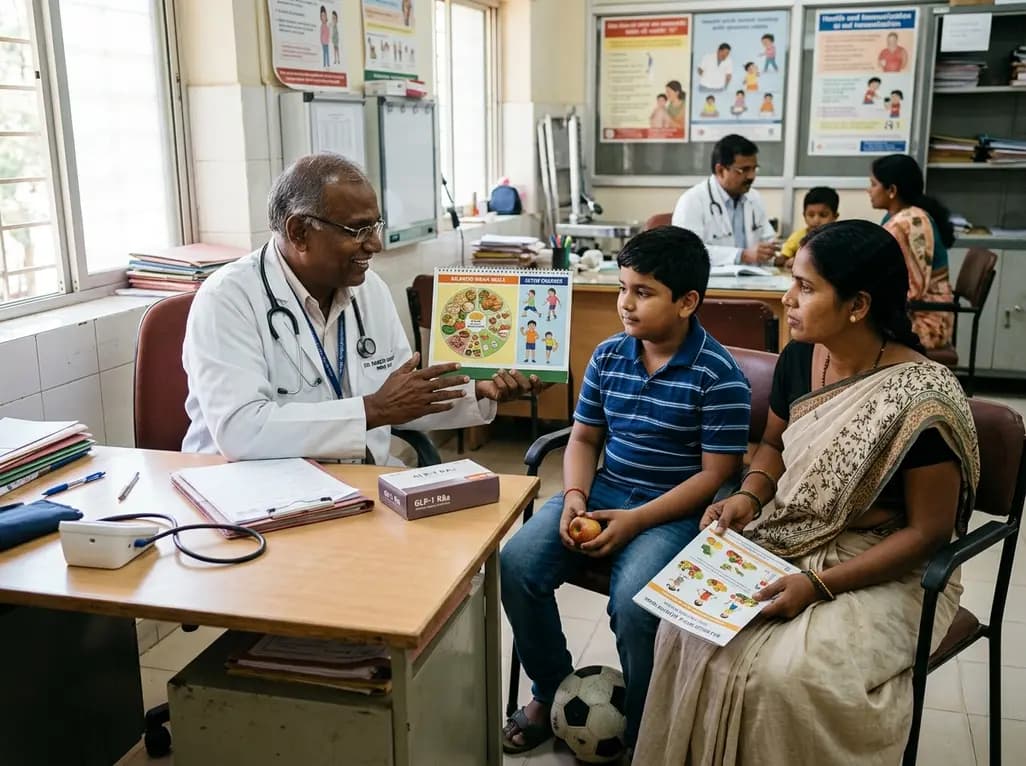
The World Health Organization has issued its first global guidelines for managing child and adolescent obesity. The recommendations strongly endorse family-based dietary interventions, regular physical activity, and behavioral support as frontline therapy, reserving GLP-1 therapies and surgery for select cases.
Today
