

Loading, please wait...
Loading, please wait...

Adolescent sports participation fosters physical fitness and emotional resilience, yet it frequently carries the danger of head injury. Consequently, sports-related concussion testing has become indispensable for safeguarding youthful athletes across diverse competitive settings. Medical practitioners rely on objective cognitive evaluations to assess neural function and establish safe return-to-play criteria. However, pre-existing physiological factors often alter test outcomes significantly. Emerging evidence indicates that pre-assessment sleep quantity and biological sex interact dynamically to influence assessment scores. Therefore, clinicians must interpret neurocognitive metrics within an individualized biological context.
Computerized neurocognitive evaluation tools provide clinicians with quantifiable metrics that complement self-reported symptoms. For instance, the Immediate Post-Concussion Assessment and Cognitive Testing protocol measures visual memory, processing speed, and reaction time. Healthcare providers routinely compare post-injury scores against pre-season baseline values to detect subtle neurological trauma. However, non-injury variables can alter these baseline benchmarks significantly. Academic stress, emotional anxiety, and learning disabilities frequently impair cognitive execution. Furthermore, insufficient nocturnal rest markedly suppresses executive function in teenagers. When an athlete sleeps poorly before testing, their baseline data may exhibit artificial cognitive impairment. Consequently, treating physicians risk misattributing poor test performance to brain trauma rather than acute exhaustion. Thus, clinicians must identify confounding lifestyle factors during every examination phase. Recognizing these pre-test variables preserves diagnostic accuracy and prevents premature athletic disqualification. In addition, routine sleep documentation establishes essential clinical context for subsequent assessments. Moreover, baseline integrity remains crucial for establishing reliable recovery endpoints after injury.
Pre-season baseline assessments establish an athlete's personal cognitive standard for future comparisons. Nevertheless, recent investigations highlight the profound vulnerability of these baselines to sleep deprivation. A major retrospective study evaluated 11,563 high school athletes who completed neurocognitive testing over a decade. Multivariable linear regression revealed that sleep duration before testing significantly altered baseline scores. Specifically, athletes who slept fewer hours reported markedly higher total symptom scores before sustaining any injury. Moreover, sleep curtailment degraded reaction times across both sexes. Inadequate nocturnal rest produces physiological fatigue that mimics common concussion symptoms. For example, sleep-deprived athletes regularly report headaches, concentration difficulties, and generalized sluggishness. Consequently, an uninjured adolescent might establish an artificially depressed baseline profile. This compromised foundation obscures subsequent post-injury evaluations and complicates recovery timelines. Therefore, sports medicine teams must verify adequate pre-test sleep duration before administering baseline tests. Ensuring proper sleep hygiene protects baseline integrity and improves subsequent clinical decision-making. Consequently, clinicians must schedule pre-season evaluations during rested periods rather than after strenuous training.
Patient sex represents another crucial biological determinant of neurocognitive testing performance. Historically, adolescent female athletes report higher baseline symptom burdens than their male counterparts. However, researchers now appreciate that sleep duration alters these sex-based differences dynamically. The multivariable regression analysis identified a statistically significant interaction between patient sex and nocturnal sleep quantity. Specifically, female high school athletes exhibited greater symptom elevation when experiencing sleep restriction. In contrast, adolescent males displayed different symptom configurations under identical sleep reductions. Furthermore, reaction times deteriorated asymmetrically between the sexes following curtailed sleep. Researchers hypothesize that sex-specific hormonal variations, distinct cerebral vascular reactivity, and divergent sleep architecture explain these disparities. Additionally, cultural differences in symptom reporting between young men and women may amplify these outcomes. Consequently, healthcare providers cannot interpret neurocognitive scores through a generalized, sex-neutral lens. Instead, clinicians must evaluate test scores relative to both patient sex and prior sleep volume. This nuanced diagnostic perspective prevents over-diagnosing injury while safeguarding vulnerable athletes. Furthermore, future clinical research must clarify how distinct sleep cycles modulate female neurocognitive resilience.
Following a sports-related concussion, the adolescent brain endures an acute neurometabolic cascade. Cellular energy crises, microvascular alterations, and localized neuroinflammation demand adequate restorative sleep for complete biological resolution. Analysis of post-injury assessments demonstrated that sleep quantity and patient sex remain significantly associated with post-injury symptom scores. Specifically, concussed athletes who slept poorly before post-injury testing reported noticeably higher symptom totals. However, post-injury cognitive scores, such as memory and processing speed, did not exhibit a significant interaction effect. This critical distinction indicates that acute traumatic brain injury exerts dominant effects on cognitive processing. Meanwhile, sleep deprivation predominantly modulates subjective symptom reporting and emotional perception after head trauma. Furthermore, chronic sleep fragmentation following concussion frequently delays clinical recovery and exacerbates post-traumatic headaches. Concussed adolescents frequently suffer from sleep onset insomnia and daytime somnolence. Therefore, evaluating sleep habits throughout post-concussion rehabilitation remains essential. Identifying sleep disruption enables clinicians to implement targeted behavioral interventions rather than assuming persistent structural injury. In addition, establishing consistent sleep schedules accelerates neural healing and shortens symptom duration.
The clinical interaction between sleep duration and patient sex underscores the necessity for personalized concussion protocols. When managing adolescent athletes, physicians should routinely integrate structured sleep screenings into initial clinical evaluations. For instance, asking patients about nocturnal sleep duration before testing contextualizes aberrant cognitive findings. If a concussed athlete displays abnormal reaction times alongside acute sleep debt, clinicians should delay final return-to-play decisions. Repeating neurocognitive assessments after restorative sleep prevents erroneous management choices. In addition, sports medicine providers must counsel adolescent athletes regarding targeted sleep hygiene practices. Clinicians should recommend regular sleep schedules, reduced evening screen usage, and quiet sleep spaces. Moreover, acknowledging that female athletes experience heightened symptom vulnerability after sleep loss allows for empathetic, individualized care. Pediatricians, neurologists, and athletic trainers must collaborate closely to ensure comprehensive athletic rehabilitation. Ultimately, incorporating sleep metrics into neurocognitive interpretation enhances patient safety and supports long-term neurological wellness. Consequently, multidisciplinary athletic teams can protect student athletes while supporting their academic and sporting potential.
Sleep deprivation impairs reaction time, visual motor processing, and working memory while significantly increasing baseline physical and emotional symptom reporting. When athletes sleep fewer hours before computerized neurocognitive testing, their performance declines markedly, which can inadvertently mimic the pathophysiological deficits of an acute concussion and compromise diagnostic precision.
Adolescent females frequently report higher baseline and post-injury symptom burdens due to variations in sleep architecture, hormonal influences, neuromuscular biomechanics, and distinct self-reporting tendencies. In addition, female athletes demonstrate a heightened susceptibility to acute sleep loss, resulting in pronounced increases in both somatic and affective symptom clusters during assessments.
Clinicians should re-administer neurocognitive testing once acute symptom exacerbations settle and after verifying that the athlete achieved adequate, restorative sleep the preceding night. Repeating the assessment under well-rested conditions prevents fatigue-related artifacts, ensuring that observed cognitive metrics genuinely reflect physiological cerebral recovery rather than ongoing sleep deprivation.
Disclaimer: This content is for informational and educational purposes only. It is not intended to be a substitute for professional medical advice, diagnosis, or treatment. Refer to the latest local and national guidelines for clinical practice.
References

Read summarized clinical updates, watch expert medical content, and earn CME certifications right from your smartphone.
Open your smartphone camera to scan and install.





A landmark study reveals that sleep quantity and biological sex interact significantly during sports-related concussion testing. Adolescent athletes with inadequate sleep exhibit elevated symptoms and delayed reaction times, emphasizing the need for sleep-adjusted clinical interpretation.
Today

The DOMINO study protocol presents a multidisciplinary implementation mapping approach to overcome provider, patient, and payer barriers to antiobesity medications, offering vital insights for Indian clinicians managing the growing diabesity burden.
Today
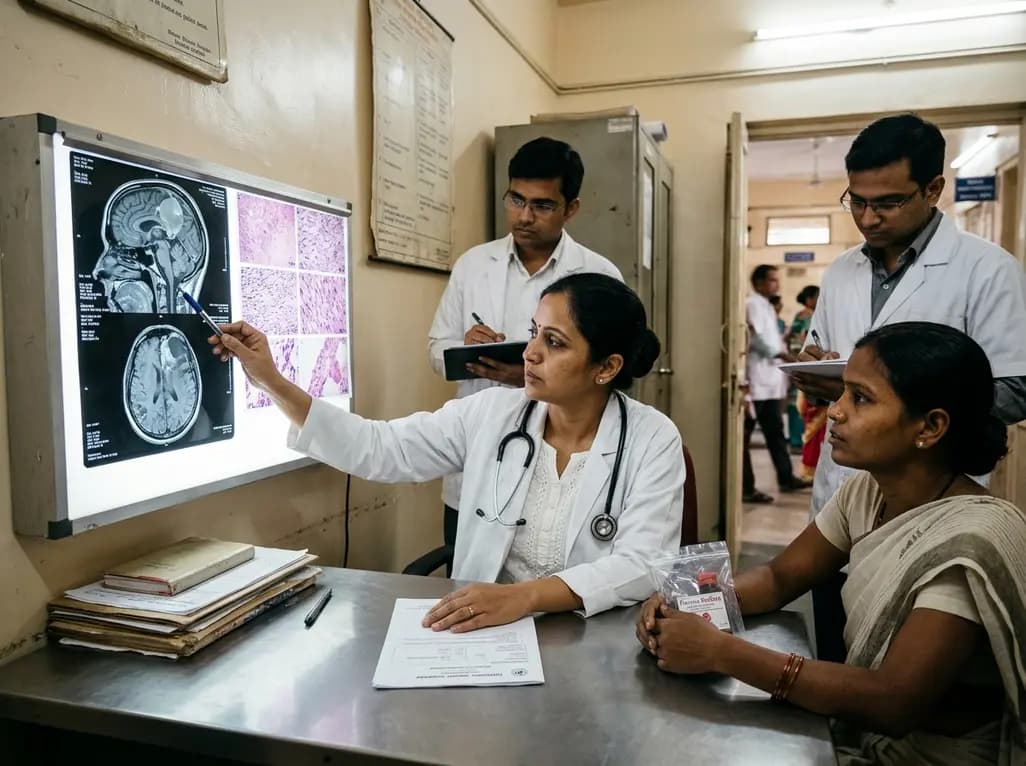
An intracranial EWSR1::CREM fusion sarcoma in a 31-year-old female manifested as a paraneoplastic inflammatory syndrome with anemia and secondary infertility. The dural mass mimicked meningioma, but gross-total resection resolved her systemic inflammation and restored natural fertility within one month.
Today

A real-world cohort study of 6,537 patients from the FOUNTAIN platform demonstrates that initiating finerenone significantly reduces albuminuria by 40.7% with minimal eGFR decline and manageable hyperkalemia risk, confirming its practical effectiveness and safety in diabetic kidney disease.
Yesterday
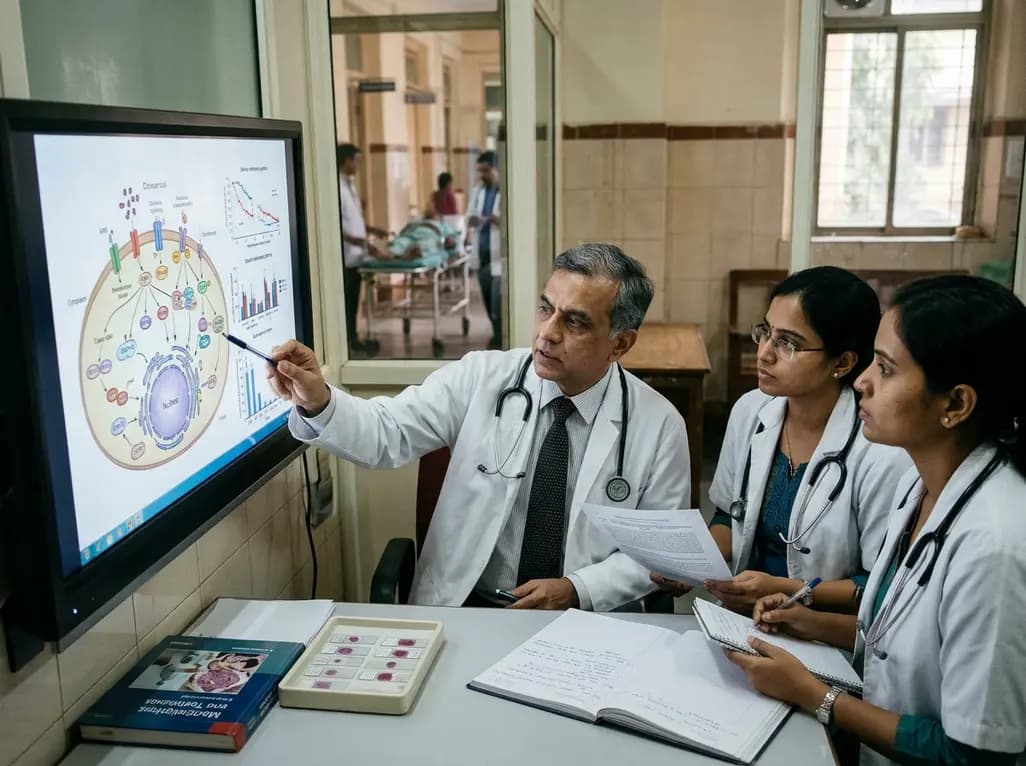
A comprehensive analysis of MAP therapy resistance in osteosarcoma, examining canonical and non-canonical mechanisms across damage avoidance, enhanced DNA repair, and replication stress tolerance to identify novel vulnerabilities.
Today
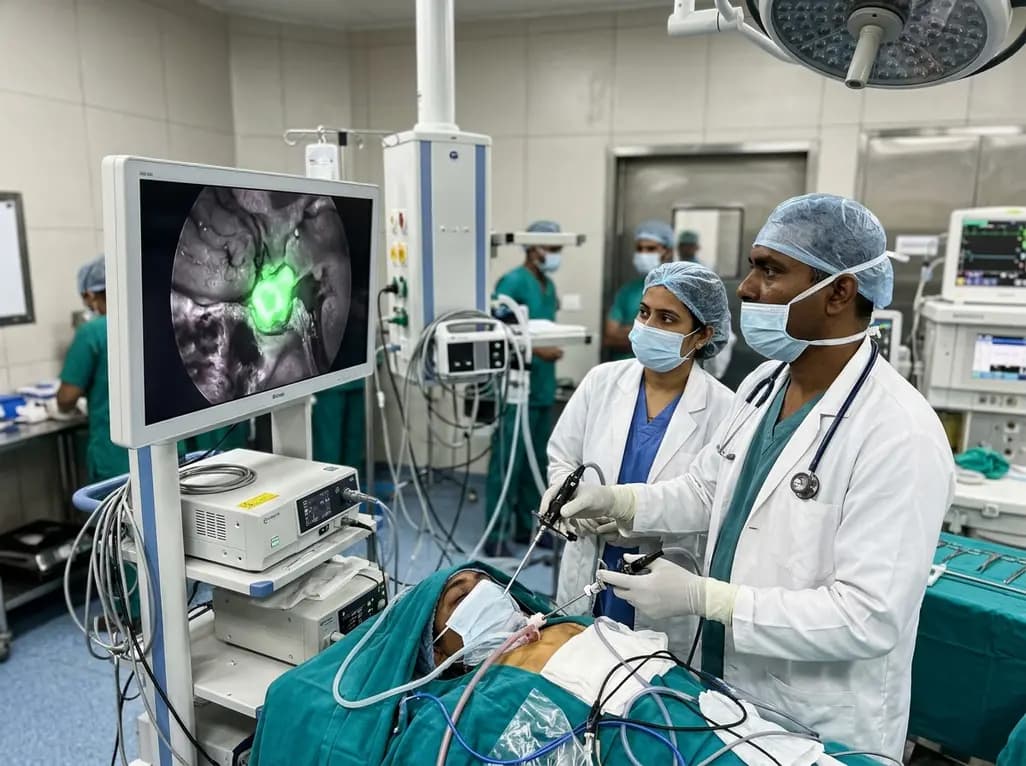
Near-infrared autofluorescence provides real-time label-free optical guidance during endoscopic transsphenoidal pituitary surgery. By highlighting stark signal contrasts between normal pituitary gland and adenomas, this technique aids gross-total tumor resection while safeguarding critical endocrine function.
Today
