.webp&w=384&q=75)

Loading, please wait...
Loading, please wait...

Traumatic brain injury represents a substantial global health burden, with millions of new cases diagnosed each year. The vast majority of these injuries fall into the mild category, often referred to as concussion. While acute post-concussive symptoms typically resolve within weeks, a significant proportion of patients experience persistent, debilitating issues. Among long-term complications, sleep disturbances and neuropsychiatric alterations remain exceptionally prevalent. Recent clinical evidence emphasizes that chronic mild traumatic brain injury can disrupt normal sleep architecture and worsen emotional well-being. Recognizing these overlapping symptoms is essential for clinicians who manage post-trauma recovery across general practice, neurology, and rehabilitation settings.
Traumatic impacts to the cranium can induce widespread axonal shearing, microvascular damage, and neuroinflammation. Consequently, these structural and chemical disruptions affect subcortical circuits responsible for regulating the sleep-wake cycle. The ascending reticular activating system, thalamus, and hypothalamus are particularly vulnerable to mechanical strain during head trauma. When these regions sustain injury, the homeostatic control of sleep becomes dysregulated. Furthermore, persistent neuroinflammatory cascades alter the synthesis of critical neurotransmitters, such as serotonin, gamma-aminobutyric acid, and orexin. As a result, patients frequently report chronic sleep fragmentation, prolonged sleep latency, and excessive daytime sleepiness. Because restorative sleep is critical for neuroplasticity and cellular repair, persistent sleep impairment directly hampers long-term neurological recovery. Therefore, clinicians must investigate underlying sleep disorders early in post-trauma follow-up care.
Mood disorders and sleep disruption share a complex, bidirectional relationship following neurotrauma. Patients coping with ongoing insomnia or unrefreshing sleep often exhibit heightened vulnerability to depressive symptoms and generalized anxiety. In turn, heightened anxiety and mood disturbances severely impair sleep initiation and maintenance. Clinical assessments demonstrate that individuals with elevated neurobehavioral symptom burden report significantly higher rates of insomnia and daytime somnolence. Moreover, disruption of sleep architecture undermines prefrontal cortex regulation over the amygdala, leading to emotional lability and decreased stress tolerance. When left unmanaged, this vicious cycle fosters persistent disability and diminishes overall quality of life. Healthcare providers should therefore screen patients for affective symptoms whenever sleep complaints arise after head trauma, ensuring a comprehensive diagnostic approach.
Accurate clinical characterization requires validated, reproducible screening instruments to capture the multidimensional nature of post-concussive distress. Clinicians frequently utilize the Neurobehavioral Symptom Inventory to quantify cognitive, sensory, and affective complaints. To assess sleep disturbances specifically, the Epworth Sleepiness Scale and the Insomnia Severity Index offer valuable diagnostic insights into daytime sleepiness and insomnia severity. Additionally, tools like the STOP-BANG questionnaire help identify obstructive sleep apnea risks in at-risk populations. For psychiatric evaluation, the Patient Health Questionnaire-9 and Generalized Anxiety Disorder-7 provide reliable metrics for depressive and anxiety symptoms. Implementing these standardized questionnaires during routine follow-up visits allows clinicians to track symptom trajectory, evaluate functional impairment, and tailor targeted therapeutic interventions effectively.
Managing chronic post-traumatic symptoms demands an integrated, multidisciplinary treatment model that addresses both neurological and psychological factors. Primary care clinicians, neurologists, psychiatrists, and sleep specialists must collaborate to establish individualized care plans. Initial interventions should focus on sleep hygiene education, structured daily routines, and stimulus control therapy. When insomnia persists, cognitive behavioral therapy for insomnia represents the first-line evidence-based approach. Pharmacological agents should be prescribed judiciously, avoiding medications that worsen daytime sedation or impair cognitive clarity. In addition, addressing coexisting obstructive sleep apnea with positive airway pressure therapy can significantly alleviate daytime fatigue and depressive symptoms. By combining behavioral, psychological, and medical strategies, healthcare teams can optimize patient recovery and functional independence.
The long-term prognosis of post-concussive syndrome largely depends on timely diagnosis and proactive rehabilitation. Persistent sleep disruption can prolong cognitive deficits, such as impaired attention, executive dysfunction, and memory lapses. Therefore, comprehensive neurocognitive rehabilitation should incorporate active pacing strategies, stress reduction techniques, and gradual physical reconditioning. Structured aerobic exercise programs have shown remarkable efficacy in enhancing neurogenesis, elevating mood, and promoting consolidated sleep. Furthermore, regular clinical monitoring ensures that emerging psychiatric or somatic symptoms receive immediate therapeutic adjustment. Clinicians must educate patients and their families regarding the realistic timeline of recovery, providing reassurance and setting measurable functional goals throughout the rehabilitative journey.
In summary, persistent sleep and mood symptoms represent substantial hurdles to recovery in patients surviving mild neurotrauma. Clinicians must maintain a high index of suspicion for underlying sleep architecture disruption and mood disorders in this population. Utilizing validated screening questionnaires facilitates early identification of high-risk individuals and informs tailored treatment regimens. Integrating behavioral therapies, targeted pharmacotherapy, and lifestyle modifications offers the best opportunity to restore neurological function. Ultimately, multidisciplinary vigilance and comprehensive patient education will improve long-term clinical outcomes for individuals living with lingering post-traumatic symptoms.
Sleep disturbances occur in approximately 30% to 70% of individuals following mild head trauma. Patients commonly report insomnia, excessive daytime sleepiness, and fragmented sleep patterns. These sleep complaints can emerge immediately after injury or develop months later, frequently persisting into chronic stages and impairing functional recovery.
Trauma-induced disruptions to frontolimbic pathways and neurotransmitter systems impair both emotional regulation and sleep homeostasis. Chronic lack of restorative sleep heightens emotional reactivity, exacerbating depression and anxiety. Conversely, psychological distress directly impairs sleep initiation and continuity, establishing a self-reinforcing cycle of chronic post-traumatic distress.
Cognitive Behavioral Therapy for Insomnia is the recommended first-line therapy for chronic post-traumatic insomnia. It effectively addresses maladaptive sleep behaviors and cognitive arousal without the adverse effects associated with sedative hypnotics. Clinicians should pair this approach with strict sleep hygiene and appropriate screening for concurrent sleep apnea.
Disclaimer: This content is for informational and educational purposes only and does not constitute medical advice. Healthcare professionals must use their independent clinical judgment. Refer to the latest local and national guidelines for clinical practice.
References
1. Johnson K et al. Characterization of Patient-Reported Sleep and Mood Symptoms in Chronic Mild Traumatic Brain Injury. Laryngoscope. 2026 Aug 16. doi: 10.1002/lary.70783. PMID: 42604462.
2. Wickwire EM, Schnyer DM, Germain A, et al. Sleep, sleep disorders, and mild traumatic brain injury. What we know and what we need to know: Findings from a national working group. Neurotrauma Reports. 2020;1(1):54-68.
3. Viola-Saltzman M, Musleh C. Traumatic brain injury-induced sleep disorders. Neurotherapeutics. 2012;9(1):154-173.

Read summarized clinical updates, watch expert medical content, and earn CME certifications right from your smartphone.
Open your smartphone camera to scan and install.





Explore the complex relationship between chronic mild traumatic brain injury, persistent sleep disturbances, and mood disorders. Learn about standardized screening tools and integrated therapeutic approaches to improve long-term functional recovery in clinical practice.
last month

Ceftriaxone therapy can lead to biliary sludge and gallstone formation due to calcium-ceftriaxone precipitation. A recent cohort study shows that the noninvasive Fibrosis-4 (FIB-4) index, alongside treatment duration, independently predicts lithogenesis, enabling proactive risk stratification.
Today

A multiparametric MRI approach combining quantitative T2 shading, apparent diffusion coefficient (ADC) measurements, and morphological signs provides superior diagnostic accuracy over subjective evaluation to differentiate ovarian endometriomas from benign hemorrhagic cysts.
Today

A landmark case report reveals a donor heart beating for a century in a 63-year-old recipient, challenging conventional age limits in cardiac transplantation and offering critical lessons on organ longevity, donor selection, and long-term graft survival.
Today
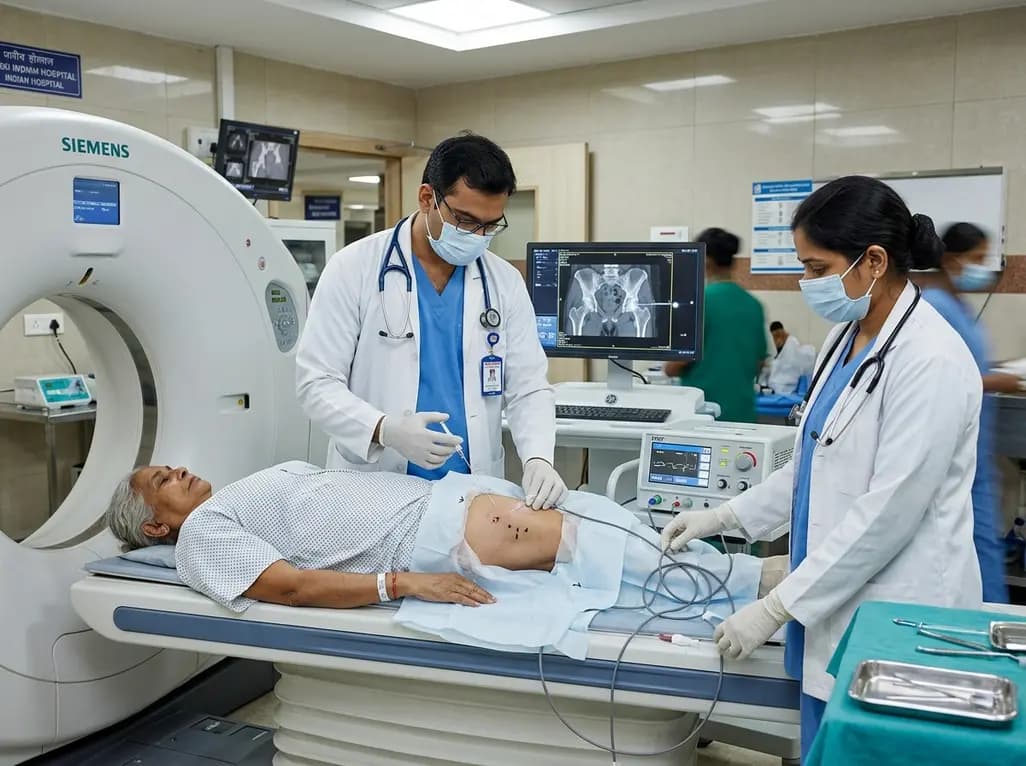
CT-guided pulsed radiofrequency ablation of the obturator nerve delivers durable pain relief up to 12 months in mild-to-moderate hip osteoarthritis, while offering a safe short-term palliative bridge for severe grade 4 disease without procedural complications.
Today

New research reveals that M1 macrophage-derived exosomes aggravate diabetic nephropathy by transferring WTAP to stabilize S1PR2 mRNA. Silencing WTAP in these vesicles attenuates endothelial injury and renal fibrosis, pointing toward innovative nanomedicine therapies.
Yesterday
