.webp&w=384&q=75)

Loading, please wait...
Loading, please wait...
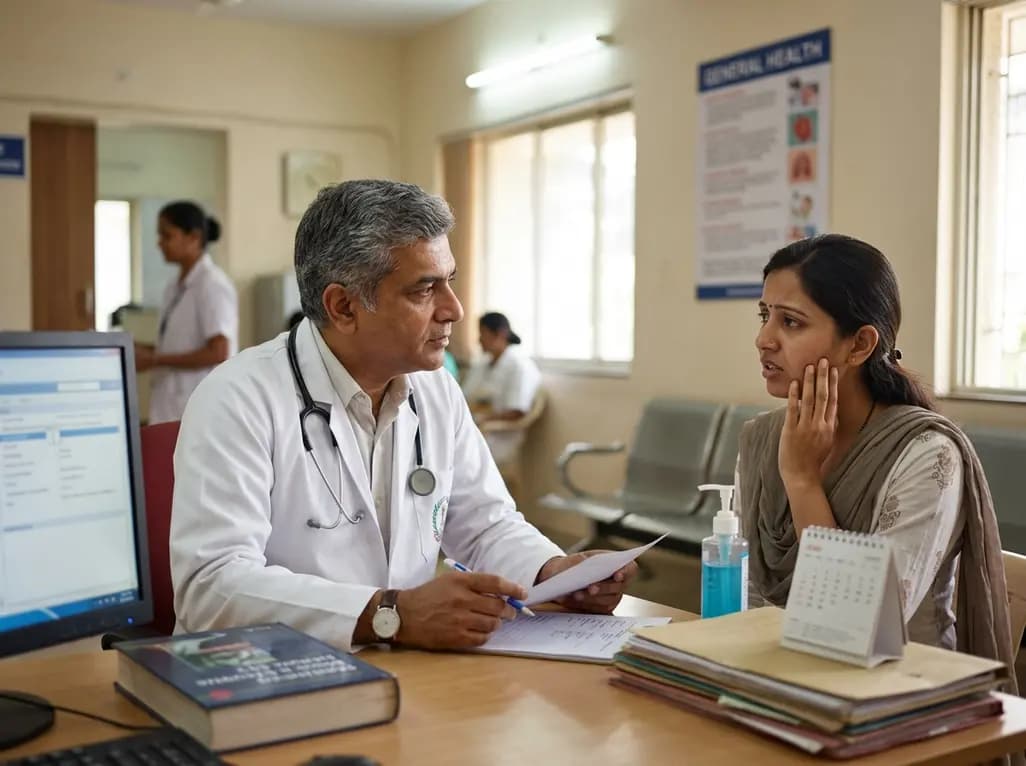
Sleep bruxism represents a common yet frequently misunderstood masticatory muscle activity during rest. Clinicians across India regularly encounter patients presenting with dental wear, morning jaw stiffness, and chronic headaches. However, healthcare providers often debate the true systemic effects of nocturnal clenching on daily wellbeing. Furthermore, previous studies presented conflicting findings regarding general health outcomes. Consequently, a major population-based investigation now offers vital clarity regarding how nocturnal motor events influence subjective health perceptions. By distinguishing between patient self-reports and objective polysomnographic measurements, this landmark study provides actionable insights for routine clinical practice.
To evaluate the broader implications of nocturnal grinding, investigators analyzed data from the Sao Paulo Epidemiological Sleep Study follow-up. This robust cross-sectional cohort evaluated 692 adult participants who completed the validated World Health Organization Quality of Life questionnaire. In addition, the researchers recruited individuals with an average age of fifty years to capture real-world demographic dynamics. The investigative team specifically characterized nocturnal jaw motor activities using three distinct diagnostic criteria. First, they recorded self-reported sleep bruxism based on direct participant feedback during structured clinical interviews. Second, they completed overnight laboratory polysomnography to measure masticatory muscle electromyographic bursts objectively. Third, they established a combined diagnostic category requiring both self-reported awareness and polysomnographic confirmation. Furthermore, the statistical models incorporated extensive adjustments for potential confounding variables, including sociodemographic status, behavioral habits, psychological symptoms, and clinical comorbidities. Therefore, the investigators utilized multivariate adjusted Poisson regression models to calculate rate ratios and confidence intervals. This rigorous methodology ensured accurate risk estimation across overall health satisfaction and specific life domains.
The investigation revealed striking differences between subjective patient awareness and objective laboratory metrics. Overall, participants reported a mean quality of life score of 16.6 and a general health satisfaction score of 15.4. However, multivariable analysis showed that individuals reporting sleep bruxism experienced significantly lower satisfaction with their overall health. Specifically, self-reporting individuals demonstrated a seven percent reduction in health satisfaction compared to unaffected controls. In addition, these patients exhibited a five percent lower score in the social relationships domain of the quality of life instrument. Conversely, objective polysomnographic findings demonstrated an entirely different clinical pattern. Polysomnography-based sleep bruxism showed no statistically significant association with overall quality of life scores or specific domain ratings. Similarly, the combined definition requiring both positive self-report and polysomnographic verification showed no statistically significant impairment across any evaluated metric. These contrasting observations suggest that subjective awareness of jaw clenching reflects broader psychological distress rather than purely mechanical muscle contractions. Therefore, subjective symptom perception serves as a crucial marker of psychosocial burden in clinical populations.
The distinct association between self-reported sleep bruxism and impaired social relationships warrants careful clinical examination. Sleep is fundamentally an intimate, shared experience among adult partners and families. When an individual grinds their teeth loudly during the night, bed partners frequently suffer from disrupted rest. As a result, the noisy grinding often triggers interpersonal friction, nighttime awakenings, and emotional tension within the household. Moreover, individuals who become conscious of their nocturnal grinding often experience social embarrassment, dental aesthetics anxiety, or morning facial fatigue. This self-consciousness can subtly diminish interpersonal confidence and impair social engagement during daily activities. In contrast, polysomnographic muscle contractions that occur silently or without patient awareness produce no daytime psychological preoccupation. Furthermore, chronic perceived jaw clenching frequently co-occurs with heightened anxiety, mood disturbances, and non-restorative sleep patterns. These psychosocial factors directly reduce an individual's emotional availability in personal relationships. Consequently, self-reported grinding acts as a clinical barometer for interpersonal stress and domestic sleep disruption.
These findings carry profound diagnostic and therapeutic relevance for medical practitioners and dental surgeons across India. In Indian clinical practice, patients frequently present with vague complaints of morning facial soreness, temple headaches, and disturbed sleep. However, clinicians often focus narrowly on mechanical tooth attrition or suggest dental splints without exploring psychosocial stressors. This study demonstrates that patient-reported clenching strongly correlates with perceived health deficits and social strain, regardless of polysomnographic severity. Therefore, dental surgeons must collaborate closely with family physicians and psychiatrists when addressing sleep bruxism. Instead of relying solely on physical occlusal splints, clinicians should adopt a comprehensive, multi-modal management framework. Specifically, practitioners should evaluate patients for chronic stress, occupational burnout, domestic anxiety, and concurrent sleep disorders like insomnia or obstructive sleep apnea. Furthermore, doctors can recommend sleep hygiene counseling, relaxation techniques, and cognitive behavioral therapy to alleviate muscle tension. Ultimately, evaluating the subjective burden allows clinicians to deliver truly holistic care rather than simply protecting tooth enamel.
Modern dental and sleep medicine guidelines emphasize that sleep bruxism represents a complex motor behavior rather than an isolated pathology. In healthy individuals, rhythmic masticatory muscle activities during sleep may even serve protective physiological roles, such as maintaining upper airway patency. However, when bruxism causes structural dental damage or generates psychological distress, it clearly warrants targeted clinical intervention. The EPISONO findings highlight an essential diagnostic truth: objective muscle contractions and subjective symptom reporting measure fundamentally different clinical phenomena. Consequently, physicians should avoid over-medicalizing asymptomatic electromyographic grinding detected incidentally on polysomnography. Instead, clinical attention and resources should prioritize patients who actively complain of grinding, morning facial tension, and compromised wellbeing. Moreover, future clinical trials should assess whether psychological interventions improve perceived health satisfaction in self-reporting patients. Incorporating structured instruments like the Standardised Tool for the Assessment of Bruxism will also help standardize evaluations across Indian clinics. Thus, bridging dental medicine, sleep neurology, and behavioral health ensures comprehensive therapeutic success.
Self-reported sleep bruxism relies on an individual's personal awareness or partner observation of nocturnal tooth grinding. In contrast, polysomnography objectively records masticatory muscle electromyographic bursts during sleep. The EPISONO study demonstrated that self-reported grinding correlates strongly with reduced health satisfaction and social strain. Conversely, polysomnographic findings showed no direct link to quality of life scores. This suggests that subjective awareness reflects broader psychological distress and sleep disruption rather than purely mechanical muscle contractions.
Clinicians must evaluate psychosocial stress because patient-reported sleep bruxism frequently mirrors underlying emotional strain, chronic anxiety, and mood alterations. Research indicates that subjective grinding awareness significantly reduces health satisfaction and impairs social relationships. When healthcare providers focus exclusively on dental wear, they overlook critical psychological contributors. Addressing lifestyle factors, workplace stress, and emotional wellbeing alongside dental management produces superior long-term clinical outcomes and substantially improves the patient's overall daily quality of life.
Optimal management requires a comprehensive, multidisciplinary approach tailored to the patient's clinical presentation. While dentists commonly fabricate custom occlusal splints to protect teeth from severe attrition, physicians must also address coexisting sleep and psychological issues. Clinicians should recommend evidence-based sleep hygiene practices, relaxation techniques, and cognitive behavioral therapy for stress reduction. Furthermore, screening for obstructive sleep apnea and managing sleep-related breathing disorders ensures holistic care and preserves restorative nighttime rest.
Disclaimer: This content is for informational and educational purposes only... Refer to the latest local and national guidelines for clinical practice.
References

Read summarized clinical updates, watch expert medical content, and earn CME certifications right from your smartphone.
Open your smartphone camera to scan and install.





The EPISONO population-based study reveals that self-reported sleep bruxism is significantly associated with lower health satisfaction and impaired social relationships, whereas polysomnography-based bruxism is not. Clinicians must address psychosocial distress and subjective burden alongside dental management.
Today
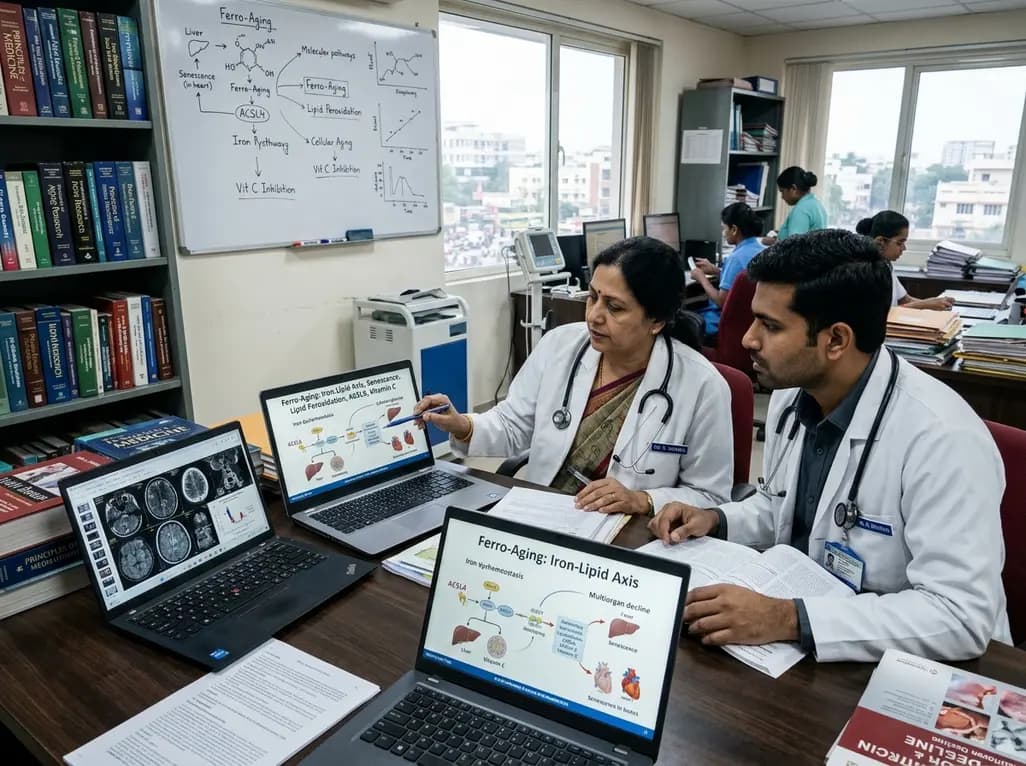
Recent research defines ferro-aging as a conserved iron-lipid axis driving organ decline across primates. Age-related iron dyshomeostasis stimulates ACSL4-mediated lipid peroxidation, promoting cellular senescence. Notably, vitamin C directly inhibits ACSL4, suppressing phospholipid oxidation and multi-organ decay.
Today
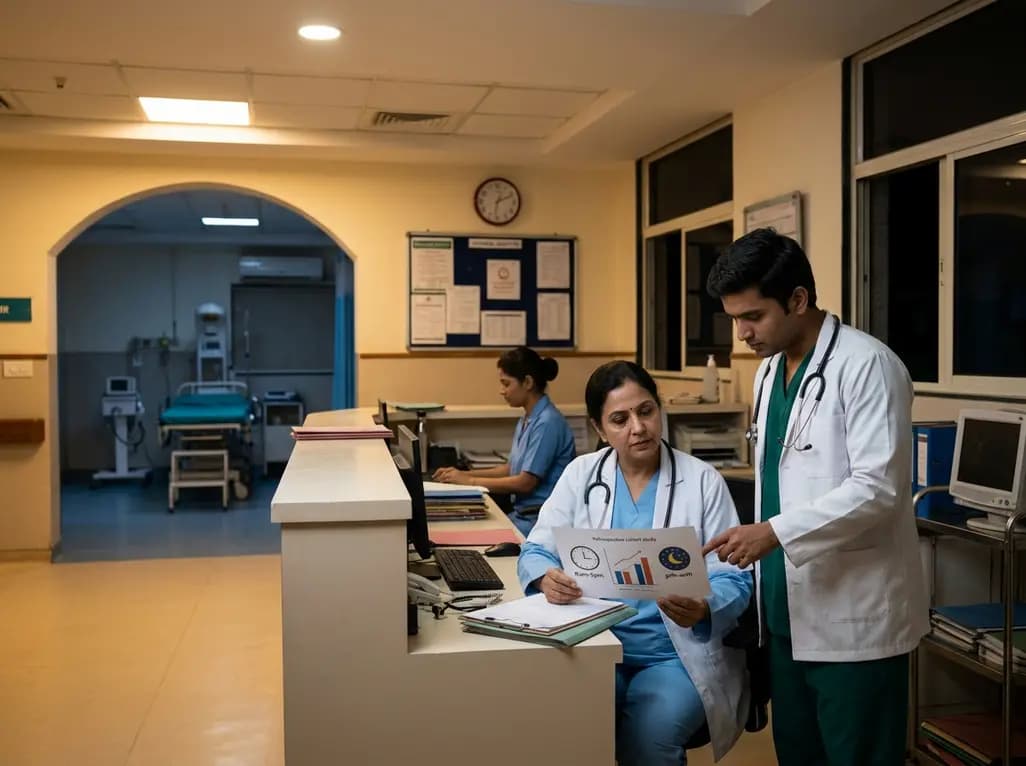
A retrospective cohort study evaluated 1,000 low-risk singleton births to assess maternal and neonatal outcomes during office-hours versus off-hours. Off-hours deliveries were significantly associated with higher odds of intrapartum cesarean sections and episiotomies, highlighting critical obstetric staffing considerations.
Today
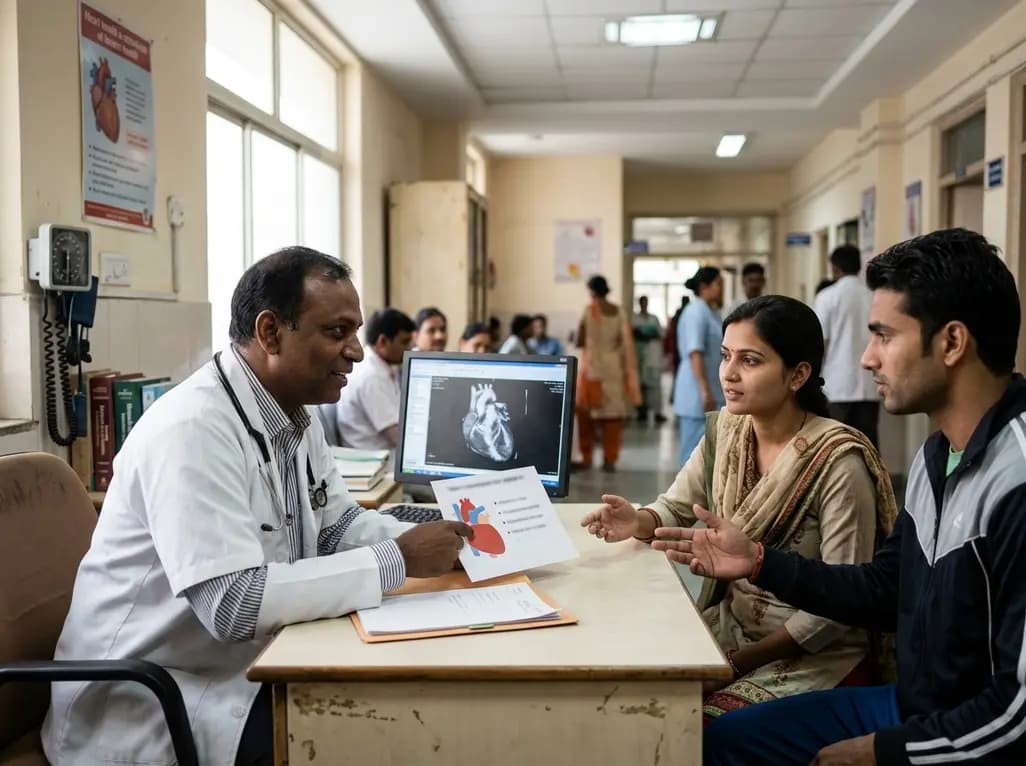
New clinical evidence demonstrates a shift away from strict exercise restrictions in genetic heart disease. While patients with channelopathies engage in more vigorous activity than those with cardiomyopathies, shared decision-making and individualized risk assessments ensure safe, beneficial exercise participation.
Today
Sarcopenia significantly impairs functional independence and amplifies fracture risks in patients with osteoarthritis and osteoporosis. Learn about modern diagnostic strategies, GLP-1 therapy considerations, and evidence-based non-pharmacological management across multidisciplinary clinical settings.
Today
Discover how to identify superimposed entrapment neuropathy in diabetic patients. This review details clinical evaluation, surgical decompression evidence, and a structured algorithm for primary care referrals to prevent ulcers and preserve limb function.
Today
