.webp&w=384&q=75)

Loading, please wait...
Loading, please wait...

In-office laryngeal procedures have revolutionized modern otolaryngology by shifting complex interventions from formal operating theaters to outpatient clinics. This transition substantially lowers healthcare expenditures, eliminates general anesthesia risks, and accelerates patient recovery. Recently, single-use endoscopes have emerged as a practical alternative to conventional reusable instruments. Although inpatient teams initially adopted these disposable devices to streamline bedside evaluations, otolaryngologists now explore their utility in outpatient surgical workflows. A recent retrospective investigation in the Journal of Voice evaluated the real-world performance of channeled disposable scopes. Specifically, the authors analyzed diagnostic yields, therapeutic efficacy, and safety profiles during awake office-based interventions.
Historically, surgeons performed laryngeal surgery almost exclusively under general anesthesia using rigid suspension laryngoscopy. Although this traditional approach provides superb tissue visualization and bimanual control, it requires substantial hospital resources and prolonged turnover times. Consequently, technological advances catalyzed a major resurgence in awake office-based interventions. The development of distal-chip flexible laryngoscopes, operating channels, and fiber-based laser systems empowered otolaryngologists to treat vocal fold pathologies in conscious patients.
However, reusable flexible endoscopes introduce substantial logistical hurdles for many clinics. Traditional scopes demand large capital investments, dedicated maintenance contracts, and expensive repair cycles following fiber optic damage. Furthermore, reprocessing requires rigorous high-level disinfection protocols that consume nursing labor and delay turnover. Therefore, single-use endoscopes present an attractive alternative. By offering a pre-sterilized instrument for every patient encounter, disposable endoscopes eliminate reprocessing bottlenecks and cross-contamination hazards. Additionally, these platforms expand procedural capabilities to outpatient facilities lacking specialized decontamination infrastructure.
To evaluate the clinical performance of disposable platforms, investigators conducted a single-center retrospective study between October 2023 and April 2024. Specifically, the study cohort comprised twenty-four consecutive patients who underwent awake office laryngeal procedures using single-use channeled endoscopes. Clinicians primarily enrolled patients presenting with chronic dysphonia, suspicious mucosal lesions, or airway symptoms requiring diagnostic tissue sampling or ablative therapy.
Furthermore, the clinical team treated a diverse spectrum of laryngeal pathologies. The documented diagnoses included laryngeal papilloma (44.4%), vocal fold polyps (27.8%), dysplasia (16.7%), vascular ectasias (16.7%), redundant arytenoid or postcricoid mucosa (11.1%), and hyperkeratosis (5.56%). Practitioners administered topical local anesthesia to the nasal cavity and endolarynx before inserting the scope transnasally. Subsequently, surgeons introduced flexible biopsy forceps or blue light laser delivery fibers directly through the working channel. Finally, clinicians systematically documented operative completion rates, energy delivery settings, diagnostic histopathology yields, and post-procedural adverse events across longitudinal follow-up evaluations.
The study outcomes revealed robust clinical efficacy across both diagnostic and therapeutic procedural categories. In the diagnostic cohort, surgeons completed seven in-office laryngeal biopsies using disposable channeled scopes. Pathologists verified that six out of seven tissue specimens (85.7%) provided adequate volume and preserved cellular architecture for definitive histologic diagnosis. Importantly, none of the biopsy attempts suffered from scope instability or mechanical instrument failure.
Similarly, the therapeutic cohort achieved excellent procedural success rates during awake blue light laser interventions. Surgeons performed twenty-one laser procedures to vaporize vascular lesions, debulk benign polyps, or ablate recurrent papillomas. The operative team successfully completed twenty out of twenty-one attempted laser ablations, delivering cumulative energy outputs ranging between 9 and 289 Joules. Only one patient required early termination because of severe gagging and procedural intolerance. Follow-up examinations demonstrated favorable clinical responses in most treated individuals. Specifically, ten patients (55.6%) experienced complete lesion resolution, four patients (22.2%) showed substantial disease reduction, and two patients (11.1%) maintained stable disease. Only one patient demonstrated disease progression.
Patient safety represents a primary benchmark when adopting disposable surgical equipment in outpatient settings. Throughout the entire investigation, clinicians documented zero intraoperative emergencies, hemorrhages, laryngospasms, or posterior commissure tears. Moreover, the diagnostic biopsy subgroup experienced no post-procedural bleeding, persistent pain, or mucosal hematomas. The overall rate of post-procedural adverse events remained exceptionally low, with only two minor side effects documented across twenty-four patients, representing an 11.1% incidence rate.
Specifically, one patient developed transient dyspnea shortly after the intervention, which resolved promptly with conservative monitoring. Additionally, another patient experienced a mild post-procedural headache that dissipated rapidly with standard oral analgesics. The single procedural abandonment resulted from heightened pharyngeal sensitivity rather than equipment failure. Furthermore, the disposable scopes exhibited consistent tip deflection and shaft torqueability, enabling reliable navigation past difficult supraglottic structures. Consequently, single-use channeled scopes demonstrate an acceptable safety profile that closely mirrors standard outcomes reported with reusable platforms.
The adoption of single-use endoscopes delivers significant operational and economic advantages for healthcare systems. Traditional reusable endoscopes require complex reprocessing infrastructure, including automated endoscope reprocessors, chemical disinfectants, and specialized drying cabinets. Furthermore, scope transport between central decontamination units and outpatient clinic rooms introduces scheduling bottlenecks and limits patient volume. Unanticipated mechanical breakdowns can also halt outpatient procedures entirely, requiring expensive repairs and lengthy service turnarounds.
In contrast, single-use channeled endoscopes eliminate reprocessing labor, specialized sterilization equipment, and maintenance agreements. Clinicians can store pre-packaged, sterile units directly within outpatient examination rooms, enabling immediate deployment whenever an awake intervention is indicated. This reliable availability enhances overall clinic efficiency and shortens wait times for diagnostic vocal cord biopsies. For secondary healthcare centers, private clinics, and rural facilities lacking advanced sterilization units, disposable endoscopes provide an accessible, cost-effective entry into modern laryngological care. Therefore, integrating disposable devices helps decentralize specialized surgical procedures and expands patient access across diverse clinical environments.
Modern single-use endoscopes integrate digital sensors and light-emitting diode illumination that deliver clear, high-definition visualization. While high-end reusable video stroboscopes offer higher frame rates for detailed mucosal wave analysis, disposable scopes provide sufficient optical resolution, illumination, and responsive tip articulation. Consequently, clinicians can reliably inspect fine vocal fold anatomy, navigate narrow nasal corridors, and complete targeted biopsies or laser ablations safely without technical compromise.
Disposable endoscopes eliminate substantial capital investments required for reusable video towers, automated chemical reprocessors, and specialized drying cabinets. Furthermore, practices avoid recurring expenses for chemical sterilants, regular microbiological assays, dedicated cleaning personnel, and fragile fiber optic repairs. By converting unpredictable maintenance liabilities into fixed per-procedure supply costs, outpatient clinics can maintain consistent budgetary forecasting and establish cost-effective in-office laryngeal procedural suites with minimal financial risk.
Channeled single-use scopes readily support diverse therapeutic interventions, including flexible biopsy forceps passes and blue light laser photoangiolysis. Clinical evidence confirms that surgeons can successfully guide laser fibers through the working channel and deliver therapeutic energy outputs up to 289 Joules. The scopes maintain structural stability, continuous visualization, and tip maneuverability during energy delivery, ensuring precise targeting of papillomas, vascular ectasias, and benign polyps.
Disclaimer: This content is for informational and educational purposes only... Refer to the latest local and national guidelines for clinical practice.
References

Read summarized clinical updates, watch expert medical content, and earn CME certifications right from your smartphone.
Open your smartphone camera to scan and install.





A retrospective study reveals that in-office laryngeal procedures using single-use endoscopes achieve high procedural success, diagnostic adequacy, and minimal adverse events, expanding ambulatory surgical capacity.
Today
A groundbreaking study highlights how elevated ISG15 fuels RIG-I/MDA5 signaling and macrophage-microglia crosstalk during blood-brain barrier disruption in neuromyelitis optica spectrum disorder, revealing novel therapeutic targets for neuroinflammation.
Today
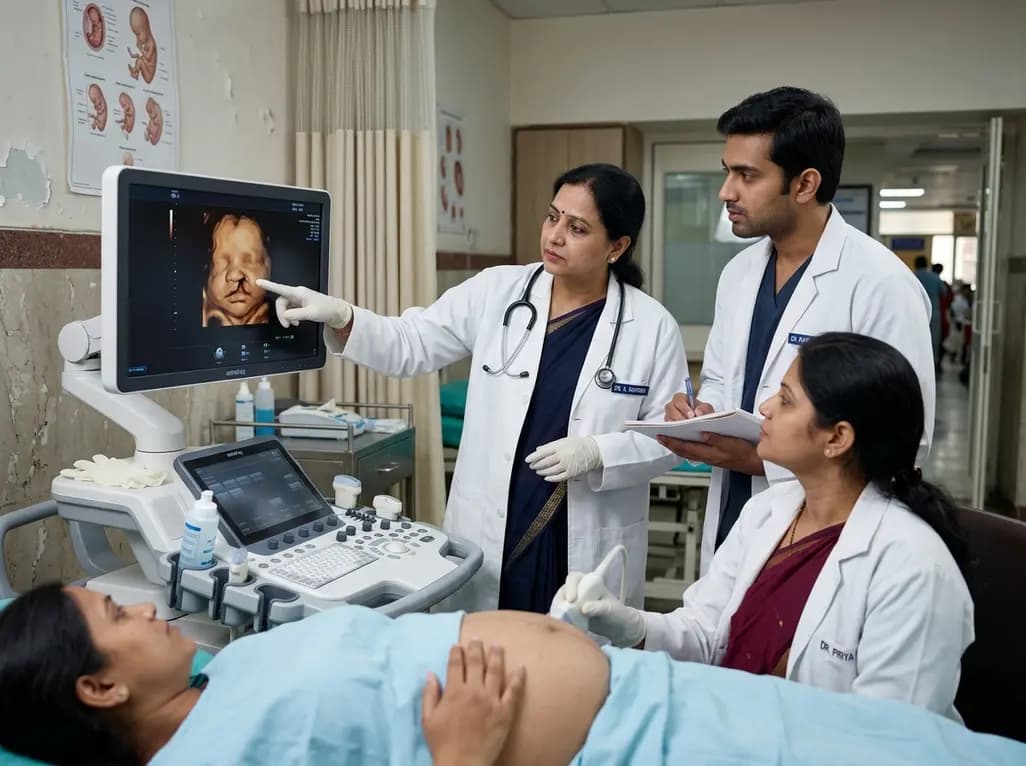
A 5-year retrospective study evaluates prenatal ultrasound detection of fetal cleft lip and palate. While overall detection reached 87%, accuracy varied from 99.3% in combined clefts to 50% in isolated cases. Combined defects showed elevated risks of concurrent structural anomalies and chromosomal abnormalities.
Today

An updated systematic review and meta-analysis of 7,875 patients reveals that routine microaxial left ventricular support during nonemergent high-risk PCI does not reduce mortality or ischemic complications, while significantly increasing major bleeding events.
Yesterday
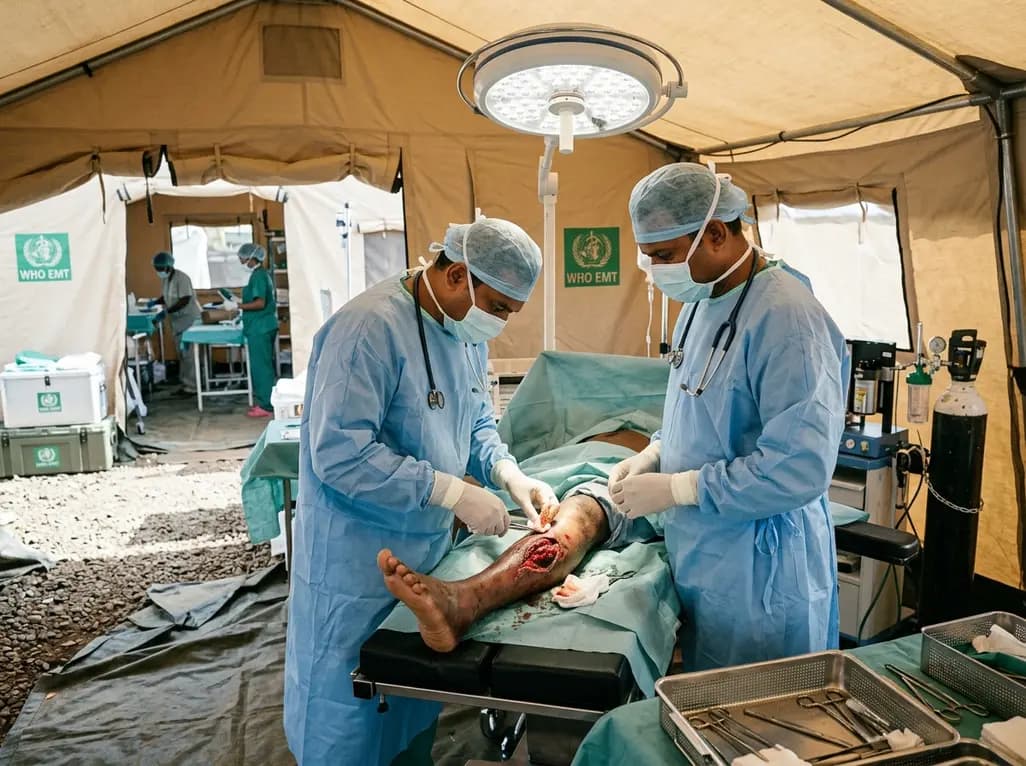
Following Cyclone Chido, a WHO EMT-2 field hospital performed 268 surgeries in Mayotte. While acute trauma is expected initially, 98% of cases were septic wounds of the extremities requiring secondary intention healing, revealing crucial operational insights for disaster surgical preparedness.
Yesterday
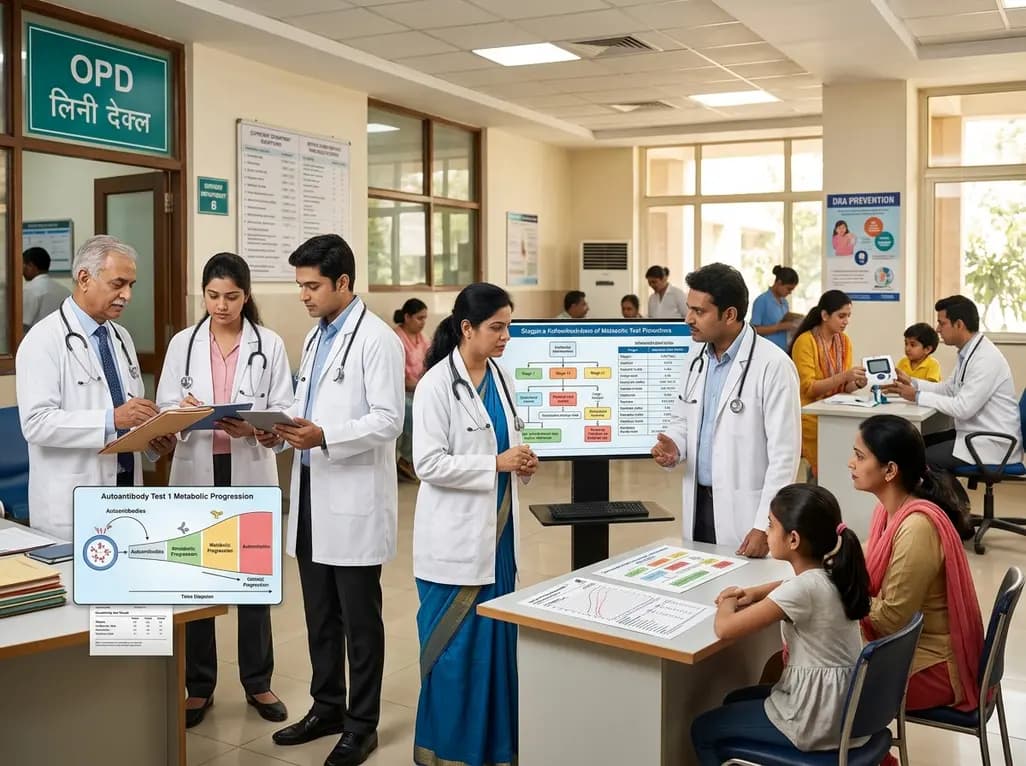
The SED-SEEN-SEEP consensus outlines an Integrated Care Pathway for preclinical type 1 diabetes, structuring target screening, autoantibody confirmation, metabolic staging, and proactive follow-up to prevent diabetic ketoacidosis and facilitate early disease-modifying intervention.
Yesterday
