

Loading, please wait...
Loading, please wait...

Effective opioid overdose response demands rapid symptom recognition, decisive action, and correct therapeutic delivery. Opioid toxicity suppresses respiratory drive within minutes. Therefore, immediate prehospital intervention remains critical for patient survival. When first responders arrive before emergency medical technicians, their immediate actions determine survival outcomes. A recent quality improvement initiative demonstrated how structured simulation paired with didactic lectures substantially elevates responder competence. Consequently, frontline responders gain the practical mastery necessary to avert fatal hypoxic injury during acute emergencies.
Didactic teaching provides baseline clinical concepts, yet lectures alone fail to replicate crisis conditions. Traditional classroom instruction rarely prepares non-medical personnel for chaotic real-world overdose events. In contrast, immersive simulation forces learners to process environmental stressors while managing an unconscious patient. Responders must assess breathing patterns, observe cyanosis, and initiate emergency protocols rapidly. Furthermore, realistic manikins provide immediate sensory feedback that confirms correct patient positioning and airway alignment. Medical directors emphasize that early intervention prevents secondary hypoxic arrest.
During the evaluated educational initiative, law enforcement officers participated in scenario-based overdose drills. Each simulation simulated acute respiratory depression requiring immediate diagnostic evaluation. Because participants faced authentic clinical urgency, their situational awareness sharpened considerably. The debriefing sessions that followed every exercise allowed instructors to correct errors immediately. As a result, learners transformed conceptual knowledge into repeatable, reflexive clinical behavior. This experiential model ensures that first responders act instinctively when confronting severe synthetic opioid overdoses in community environments.
Theoretical knowledge forms the foundation of prehospital emergency care. Responders must understand the pharmacodynamics of opioid receptor binding and subsequent respiratory suppression. In this project, investigators utilized an adapted Opioid Overdose Knowledge Scale to quantify learning gains. Participants completed standardized pre-training tests before engaging in any coursework. Furthermore, baseline evaluations demonstrated that many officers lacked familiarity with intranasal spray devices. The initial assessments highlighted notable deficits regarding overdose indicators and rescue pharmacology.
Following targeted didactic lectures and hands-on scenario debriefings, participant knowledge scores increased dramatically. Specifically, mean scores rose from 78.3% at baseline to 92.4% post-intervention. Officers acquired a clearer understanding of synthetic opioid potency and proper dosing intervals. Moreover, didactic instruction clarified the physiological rationale behind immediate ventilation support. Consequently, officers recognized that reversing hypoxia takes precedence over secondary investigative tasks. When educational programs integrate targeted theory with practical drills, responders build robust mental frameworks that guide effective field decision-making.
In acute opioid toxicity, every elapsed second exacerbates cerebral hypoxemia and increases mortality risks. Rapid medication administration directly prevents anoxic brain damage and pulseless electrical activity. Before training, officers required a mean duration of 47.22 seconds to administer intranasal naloxone. This baseline latency reflected hesitation, procedural unfamiliarity, and device handling errors. In an emergency, such delays allow severe hypoxia to progress rapidly toward irreversible cardiac arrest.
Following repeated simulation drills, the mean time to naloxone administration dropped precipitously to 26.43 seconds. Thus, officers reduced delivery latency by nearly 44%. Furthermore, participants exhibited marked improvements in technical precision. They properly cleared nasal obstructions, positioned device nozzles correctly, and applied full actuator pressure. Instructors noted that muscle memory developed through simulated practice eliminated procedural fumbling. Therefore, combining speed with technical precision ensures optimal mucosal absorption and rapid therapeutic reversal in field settings.
Technical skill alone cannot guarantee an empathetic and comprehensive overdose response. Historically, societal stigma surrounding substance use disorders has compromised prehospital interactions. Responders often harbor frustration, cynicism, or burnout when responding to recurrent overdose calls. To evaluate this critical dimension, the project implemented an adapted Opioid Overdose Attitudes Scale. Baseline evaluations indicated notable ambivalence and skepticism regarding addiction recovery potential among participants.
Targeted educational debriefs challenged these preconceived notions directly. Facilitators explained substance use disorders as chronic, relapsing neurobiological conditions requiring medical intervention. Consequently, participants demonstrated measurable gains in empathy and perceived preparedness. Officers reported higher confidence in communicating with family members and bystanders during crisis incidents. Moreover, fostering respectful interactions builds community trust and encourages individuals to pursue addiction treatment programs. Therefore, transforming attitudes represents a crucial public health milestone alongside procedural competence.
The findings from this North Carolina pilot program provide a scalable blueprint for multidisciplinary emergency training. Integrating simulation into first responder education bridges the critical gap between public safety personnel and specialized healthcare systems. Law enforcement officers frequently reach overdose victims minutes before ambulances navigate traffic. Consequently, empowering these officers with high-level procedural skills directly strengthens the chain of survival. Emergency medical services benefit when initial responders initiate prompt, high-quality resuscitation.
Healthcare educators and emergency physicians should actively collaborate with municipal agencies to design realistic training curricula. Regular refresher courses will ensure that first responders retain their cognitive knowledge and motor skills over time. Furthermore, public health authorities should expand naloxone access protocols across non-traditional responder networks. When communities train frontline personnel through structured simulation, they establish a robust, decentralized defense against fatal overdoses. Ultimately, this comprehensive educational strategy saves lives, minimizes neurological morbidity, and optimizes emergency care delivery worldwide.
Didactic learning provides essential baseline facts about pharmacology and pathophysiology. However, classroom lectures cannot replicate the sensory chaos of a genuine overdose emergency. Simulation immerses learners in realistic, time-pressured scenarios where they must identify respiratory depression immediately. Consequently, participants practice physical device deployment under stress. This hands-on repetition reinforces muscle memory, reduces cognitive hesitation, and bridges the gap between theoretical knowledge and practical life-saving interventions in emergency settings.
Severe opioid toxicity rapidly induces central respiratory depression, severe hypoxemia, and fatal cardiac arrest. Therefore, every passing second without oxygen damages vulnerable neurological tissue. Administering intranasal naloxone within seconds rapidly displaces opioid agonists from mu receptors. As a result, spontaneous ventilation returns quickly before irreversible hypoxic brain injury develops. Swift delivery by trained first responders preserves organ function and stabilizes patients while emergency medical teams mobilize advanced life support.
Targeted educational interventions demystify substance use disorders as complex chronic medical illnesses rather than moral failures. Furthermore, interactive debriefing sessions allow responders to confront implicit biases and examine systemic challenges. When officers understand addiction neurobiology, their empathy towards vulnerable patients rises significantly. Consequently, improved attitudes foster more compassionate crisis interactions, encourage future medical engagement, and diminish harmful discrimination during acute prehospital emergency responses across affected communities.
Disclaimer: This content is for informational and educational purposes only. It does not constitute medical advice or replace professional clinical judgment. Refer to the latest local and national guidelines for clinical practice.
References

Read summarized clinical updates, watch expert medical content, and earn CME certifications right from your smartphone.
Open your smartphone camera to scan and install.





A quality improvement study reveals that simulation-based training combined with didactic learning significantly enhances opioid overdose response. The intervention cut naloxone administration time from 47.22 to 26.43 seconds, raised knowledge to 92.4%, and reinforced procedural accuracy and positive attitudes.
Today
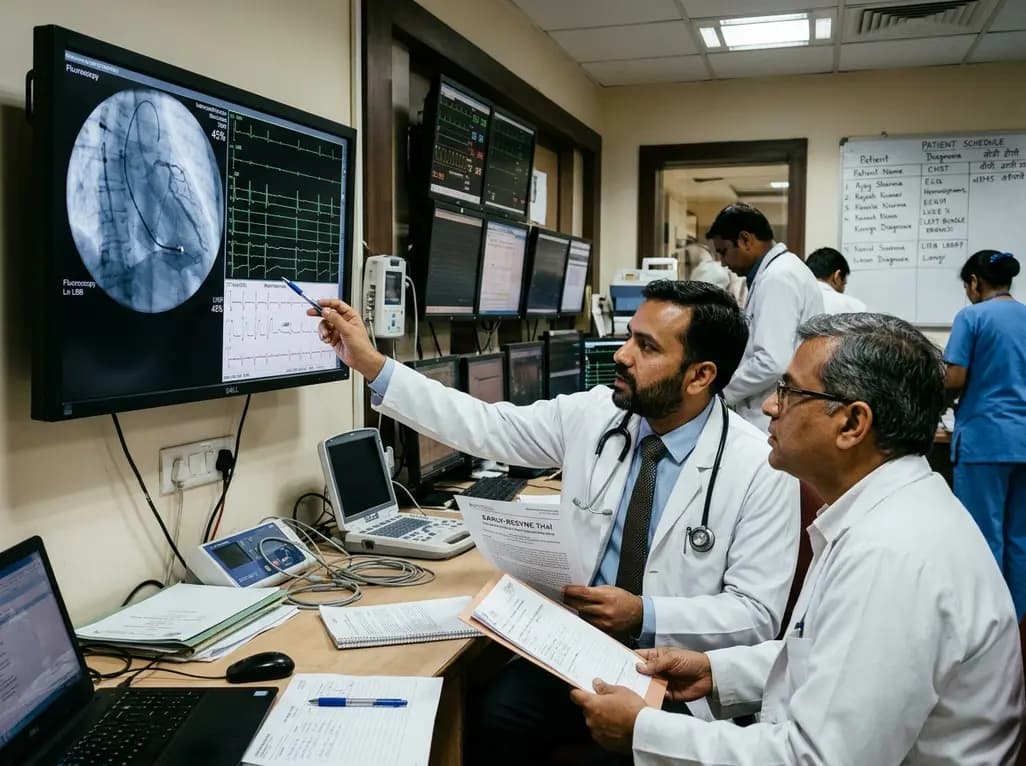
The randomized EARLY-RESYNC trial reveals that early left bundle branch pacing combined with guideline-directed medical therapy significantly improves LVEF and reduces LV end-systolic volume compared to medical therapy alone in patients with complete LBBB and mildly reduced ejection fraction (36%-50%).
Today
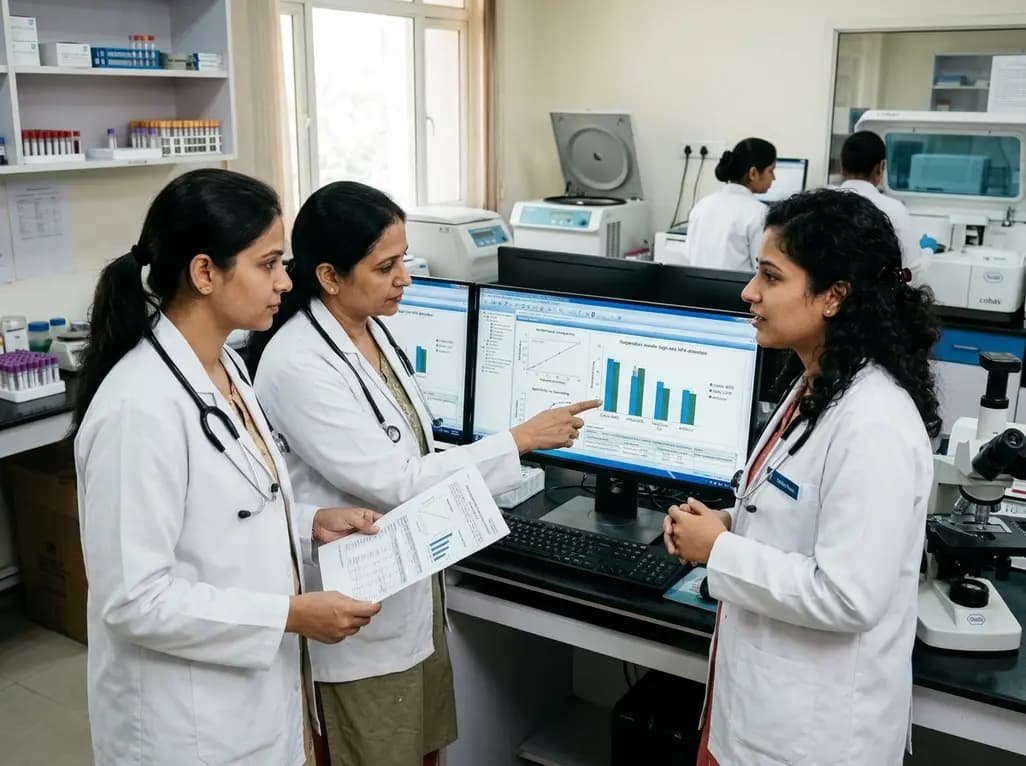
A comparative evaluation of INNO-LiPA, Cobas 4800, and Amplicor highlights significant assay-dependent variation in high-risk HPV detection, emphasizing the clinical distinction between analytical sensitivity and screening specificity.
Today

Recent data from PGIMER reveals that young adults diagnosed with type 2 diabetes face an aggressive disease trajectory. They encounter severe cardiovascular and microvascular damage within five years, occurring at higher rates than in type 1 diabetes despite lower mean blood glucose levels.
Today
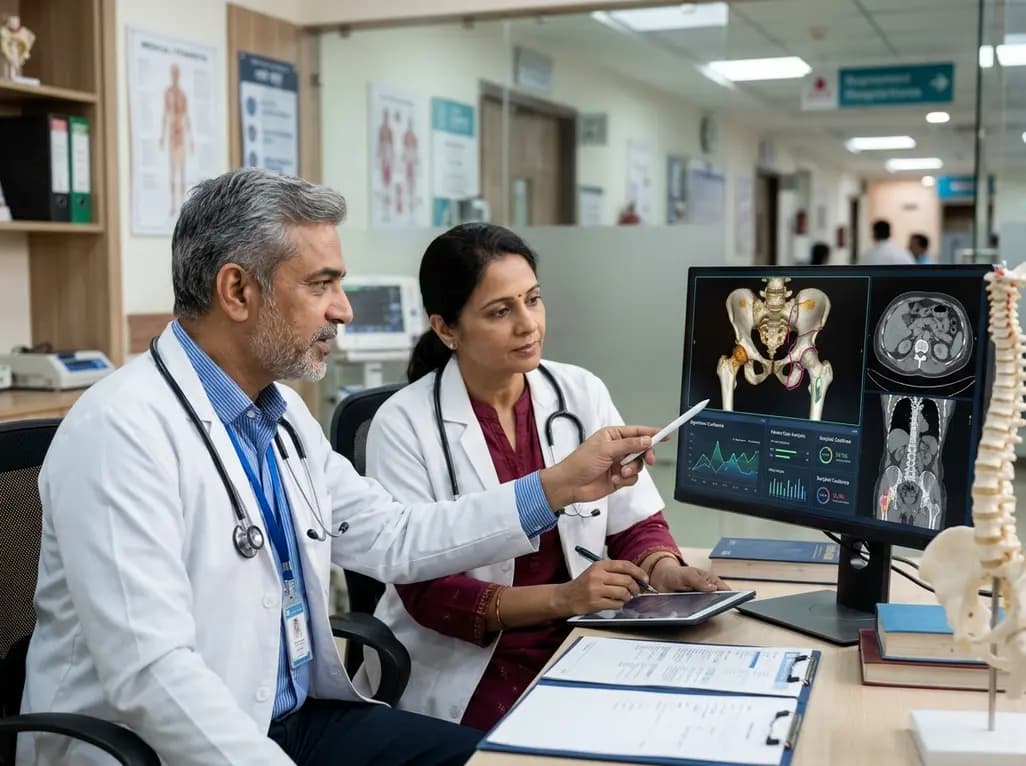
Discover the six core principles of responsible AI in orthopaedics, emphasizing algorithmic fairness, transparency, clinical reliability, and specialist oversight to safeguard patient trust and outcomes.
Today
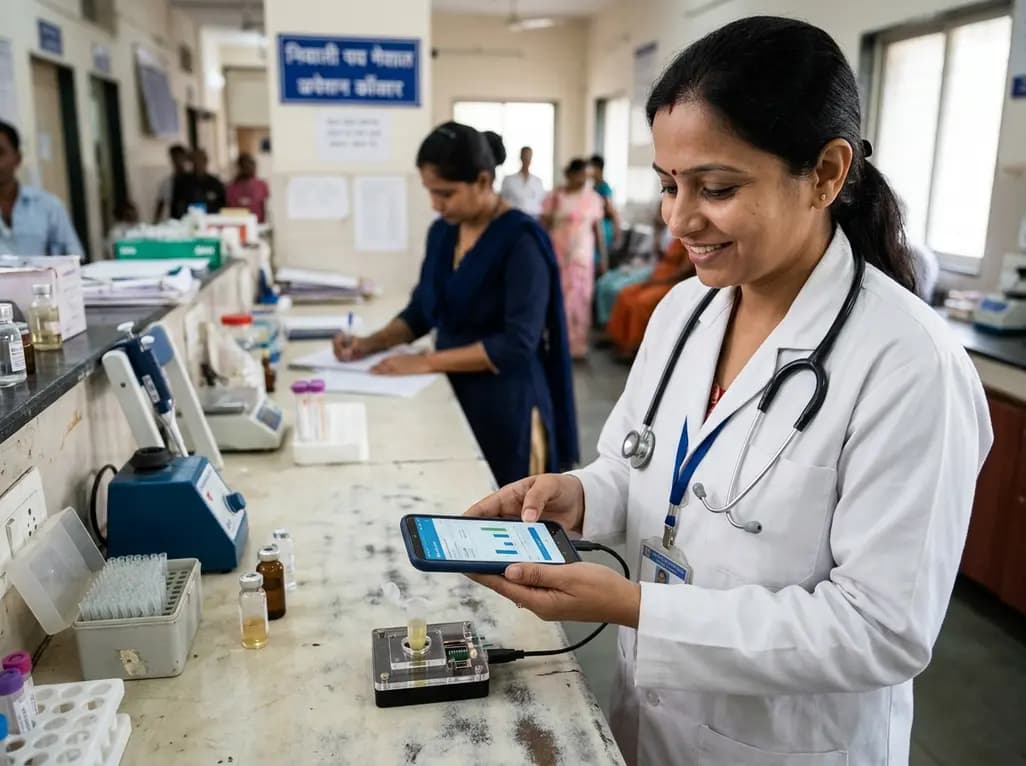
A novel smartphone-assisted biosensor utilizing molecularly imprinted polymers and catalytic nanozymes offers antibody-free, enzyme-free urinary microalbumin testing, enabling rapid, low-cost point-of-care screening for early chronic kidney disease.
Today
