.webp&w=384&q=75)

Loading, please wait...
Loading, please wait...
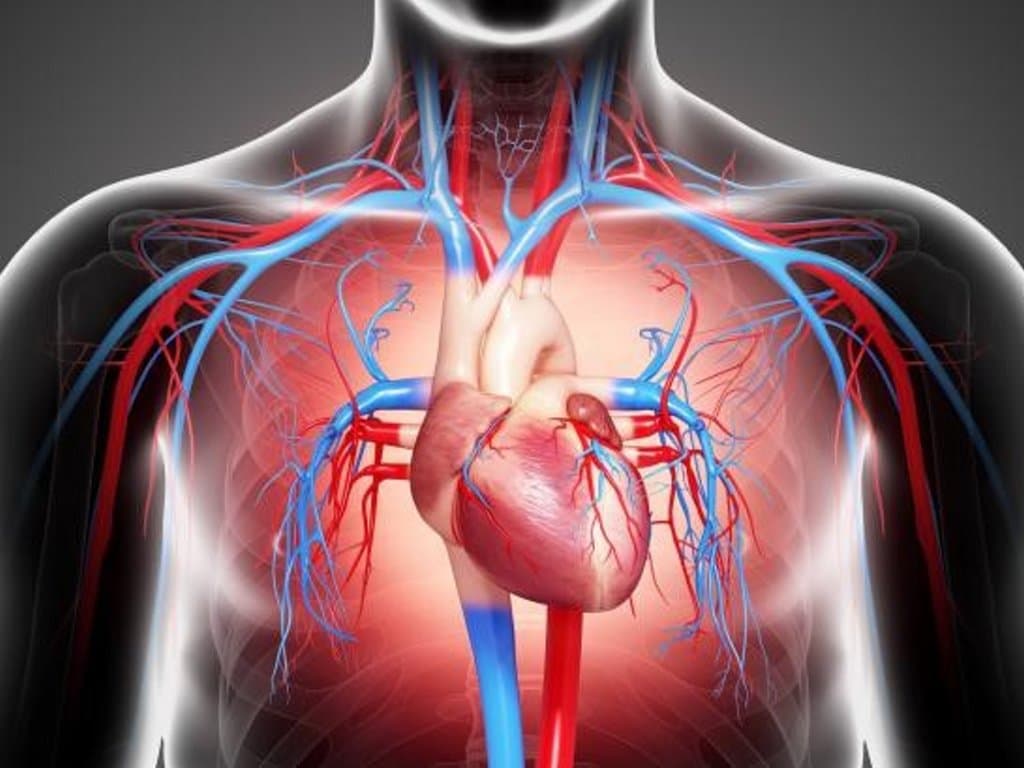
Researchers analyzed 141 heart failure patients (HF) undergoing atrial fibrillation (AF) ablation, with 45 receiving SGLT2 inhibitors (SGLT2i). Atrial arrhythmia recurrence was significantly lower in the SGLT2i group. Multivariate analysis confirmed SGLT2i use was associated with reduced recurrence risk. Propensity-matched analysis (24 pairs) supported these findings. SGLT2i may help prevent arrhythmia recurrence after AF ablation in HF patients.

Read summarized clinical updates, watch expert medical content, and earn CME certifications right from your smartphone.
Open your smartphone camera to scan and install.





Researchers analyzed 141 heart failure patients (HF) undergoing atrial fibrillation (AF) ablation, with 45 receiving SGLT2 inhibitors (SGLT2i). Atrial arrhythmia recurrence was significantly lower in the SGLT2i group. Multivariate analysis confirmed SGLT2i use was associated with reduced recurrence risk. Propensity-matched analysis (24 pairs) supported these findings. SGLT2i may help prevent arrhythmia recurrence after AF ablation in HF patients.
5 months ago

Discover the crucial role of glymphatic dysfunction in stroke, where perivascular clearance failure and neuroinflammation exacerbate cerebral edema and post-stroke brain injury.
Today

A prenatal case highlights severe glutaric acidemia type II presenting as bilateral hyperechoic cystic kidneys at 18 weeks. Whole-exome sequencing revealed a novel homozygous ETFDH frameshift variant, demonstrating the power of rapid genetic testing in fetal renal anomalies.
Today

Review how tailored exercise programs benefit frail older patients with heart failure. Explore pathophysiological mechanisms, individualized training prescriptions, and strategies to overcome adherence barriers in clinical practice.
Yesterday

This comparative study evaluates posterior labral tears with and without glenohumeral instability, highlighting distinct demographic patterns, MRI underestimation in stable shoulders, and successful arthroscopic repair outcomes.
Yesterday

A clinical study demonstrates that early intervention with tocilizumab, either as monotherapy or bridged with corticosteroids, achieves significant proptosis reduction and resolves active inflammation in treatment-naive thyroid eye disease.
Yesterday
