

Loading, please wait...
Loading, please wait...

Endovascular thrombectomy has revolutionized acute ischemic stroke care by effectively restoring cerebral perfusion in large vessel occlusions. However, diabetic individuals frequently experience suboptimal neurological recovery despite successful vessel recanalization. Hyperglycemia, microvascular reperfusion injury, and neuroinflammation significantly impede clinical recovery in this vulnerable cohort. Recently, researchers investigated the impact of SGLT2 inhibitors in stroke among individuals with type 2 diabetes who underwent mechanical reperfusion. Published in Stroke, this landmark study demonstrates that post-thrombectomy administration of these agents significantly enhances three-month functional independence. Consequently, these findings provide compelling real-world evidence for a novel pharmacological strategy in neurovascular care.
Patients with type 2 diabetes face substantially higher mortality and disability rates following acute ischemic stroke compared to non-diabetic peers. Although endovascular thrombectomy achieves excellent recanalization rates, diabetic patients experience impaired microvascular collateral flow and heightened oxidative stress. Persistent glycemic fluctuations and metabolic dysregulation during the acute post-stroke period exacerbate secondary neuronal apoptosis and blood-brain barrier disruption. Furthermore, traditional glucose-lowering agents often fail to mitigate ischemia-reperfusion injury, and intensive insulin therapy carries the risk of iatrogenic hypoglycemia. Clinicians urgently require targeted therapeutic strategies that address both systemic cardiometabolic risk and localized cerebral neuroinflammation. Consequently, neurovascular specialists have sought adjunctive therapies that can preserve salvageable penumbral tissue beyond mechanical recanalization and prevent delayed tissue infarction. In recent years, sodium-glucose cotransporter 2 inhibitors have transformed cardiology and nephrology by conferring remarkable cardiorenal protection. Therefore, clinicians increasingly question whether these systemic metabolic advantages can translate into neuroprotective benefits for diabetic stroke patients undergoing mechanical revascularization. Addressing this critical clinical void represents an essential milestone in acute ischemic stroke management and secondary neurovascular prevention.
To evaluate this therapy, investigators conducted a multicenter retrospective cohort study across four comprehensive stroke centers in South Korea, Italy, and Switzerland. The study examined consecutive diabetic adults who underwent endovascular thrombectomy for moderate-to-severe acute ischemic stroke between January 2020 and March 2025. In total, the cohort comprised 429 eligible patients with a mean age of 73.5 years and a median baseline National Institutes of Health Stroke Scale score of 12. Notably, 51 patients (11.9%) received an SGLT2 inhibitor during their acute post-stroke hospital admission. Angiographic assessment confirmed successful mechanical recanalization in 85.3% of all treated individuals. To account for treatment selection bias and clinical confounders, researchers implemented rigorous propensity score-based methods. Specifically, they utilized overlap weighting, inverse probability of treatment weighting, and one-to-one propensity score matching. Furthermore, the investigators conducted ordinal and binary logistic regression analyses to assess functional recovery at three months. Primary outcomes evaluated shifts in modified Rankin Scale scores, favorable recovery (mRS 0-2), and excellent recovery (mRS 0-1). Subgroup evaluations assessed therapeutic consistency across various baseline patient characteristics.
The multicenter analysis demonstrated striking clinical benefits among diabetic stroke survivors who received SGLT2 inhibitors after endovascular thrombectomy. In the primary overlap weighting analysis, patients prescribed an SGLT2 inhibitor achieved a significantly better distribution of three-month modified Rankin Scale scores. Specifically, the common odds ratio for functional improvement reached 2.31, confirming a substantial shift toward mild disability or complete independence. Moreover, SGLT2 inhibitor therapy yielded higher odds of achieving a favorable functional outcome, defined as an mRS score between 0 and 2. Patients in the treatment cohort exhibited an adjusted favorable recovery rate of 65.1%, compared to 45.3% in the untreated cohort. Consequently, this represents an absolute increase of nearly 20 percentage points in independent living. Importantly, inverse probability of treatment weighting and propensity score matching confirmed these robust findings across all models. Furthermore, inverse probability weighting revealed significantly higher odds of achieving excellent functional outcomes with minimal or no neurological deficit. Crucially, subgroup analyses demonstrated consistent positive effects, showing no negative modification by age, initial stroke severity, or baseline vascular risk factors.
The profound recovery improvements observed in this trial likely stem from multifaceted pleiotropic pathways extending beyond glycemic control. When ischemic brain tissue suffers reperfusion injury, inflammatory cytokines and reactive oxygen species trigger secondary microvascular thrombosis. Preclinical evidence indicates that SGLT2 inhibitors attenuate systemic oxidative stress and dampen NOD-like receptor protein 3 inflammasome activation. Furthermore, these agents stimulate mild ketogenesis, elevating circulating beta-hydroxybutyrate levels during acute metabolic distress. This biochemical shift offers profound bioenergetic advantages to damaged cerebral cortex. Neuronal cells readily utilize ketone bodies as an alternative, energy-efficient metabolic fuel, which protects mitochondrial function during ischemic reperfusion. In addition, SGLT2 inhibitors promote osmotic diuresis and reduce plasma volume without activating the sympathetic nervous system. This gentle hemodynamic decongestion reduces cerebral microvascular edema and enhances local endothelial nitric oxide availability. Similarly, improved endothelial function prevents microvascular collapse and preserves autoregulation in ischemic penumbral tissues. Therefore, the combination of cellular anti-inflammatory action, mitochondrial protection, and microvascular stabilization provides a strong biological rationale for these clinical findings.
These findings carry substantial implications for stroke neurologists and endocrinologists managing acute large vessel occlusions in diabetic patients. Historically, clinicians prioritized insulin regimens for inpatient glycemic control, often withholding newer oral antidiabetic agents during acute neurological hospitalization. However, this study suggests that early post-stroke initiation of SGLT2 inhibitors may substantially accelerate physical recovery and enhance independent living. In fact, clinical adoption of these agents rose steadily across participating centers, climbing from 4.5% in 2020 to 21.1% by 2025. Nonetheless, physicians must exercise prudent clinical judgment when introducing these medications in acute stroke units. Clinicians should carefully monitor volume status to prevent intravascular depletion, acute kidney injury, or rare euglycemic diabetic ketoacidosis. Additionally, patient selection remains paramount; candidates should maintain stable hemodynamics and adequate hydration before initiating therapy. Ultimately, while this robust retrospective analysis offers persuasive clinical support, definitive evidence demands prospective randomized controlled trials. Collaborative trials between vascular neurologists and endocrinologists will ultimately confirm optimal timing, specific dosing regimens, and safety profiles in diverse patient populations across global acute stroke networks.
SGLT2 inhibitors promote neurovascular recovery by mitigating oxidative stress, attenuating neuroinflammation, and fostering mild ketogenesis. Ketone bodies provide an alternative, energy-efficient metabolic fuel for recovering neurons. Additionally, these agents improve endothelial function and decrease microvascular edema, preserving salvageable brain tissue in diabetic patients recovering from acute ischemic stroke.
Clinicians typically initiate SGLT2 inhibitors once the acute stroke patient achieves hemodynamic stability and adequate oral or enteral intake. Physicians must ensure that the patient has adequate hydration, normal renal perfusion, and absence of systemic infections or severe metabolic acidosis to safely prevent complications like hypovolemia and ketoacidosis.
Neurologists must vigilantly monitor blood pressure and volume status to avoid excessive diuresis, which could compromise cerebral perfusion. In addition, healthcare teams should monitor renal function, electrolytes, and urinary tract symptoms, while remaining alert for rare occurrences of euglycemic diabetic ketoacidosis, particularly during acute physiological stress or reduced nutrition.
Disclaimer: This content is for informational and educational purposes only and should not be used as a substitute for professional medical advice, diagnosis, or treatment. Healthcare professionals should evaluate individual patient circumstances. Refer to the latest local and national guidelines for clinical practice.
References

Read summarized clinical updates, watch expert medical content, and earn CME certifications right from your smartphone.
Open your smartphone camera to scan and install.





A multicenter study reveals that diabetic acute ischemic stroke patients receiving SGLT2 inhibitors following endovascular thrombectomy achieve significantly higher rates of 3-month functional independence, offering a promising avenue to optimize post-recanalization neurovascular care.
Today

A validation study evaluates the consumer-grade InBody Dial H30 bioelectrical impedance device against a 3-compartment criterion in recreationally active adults, revealing a slight overestimation in body fat percentage and underestimation in fat-free mass alongside notable individual limits of agreement.
Today

A nationwide survey reveals substantial knowledge gaps among general practitioners regarding fetal pathology and autopsy. Enhanced training and interdisciplinary communication are vital to guide stillbirth evaluation, clarify autopsy consent, and improve preconception counseling for bereaved parents.
Today
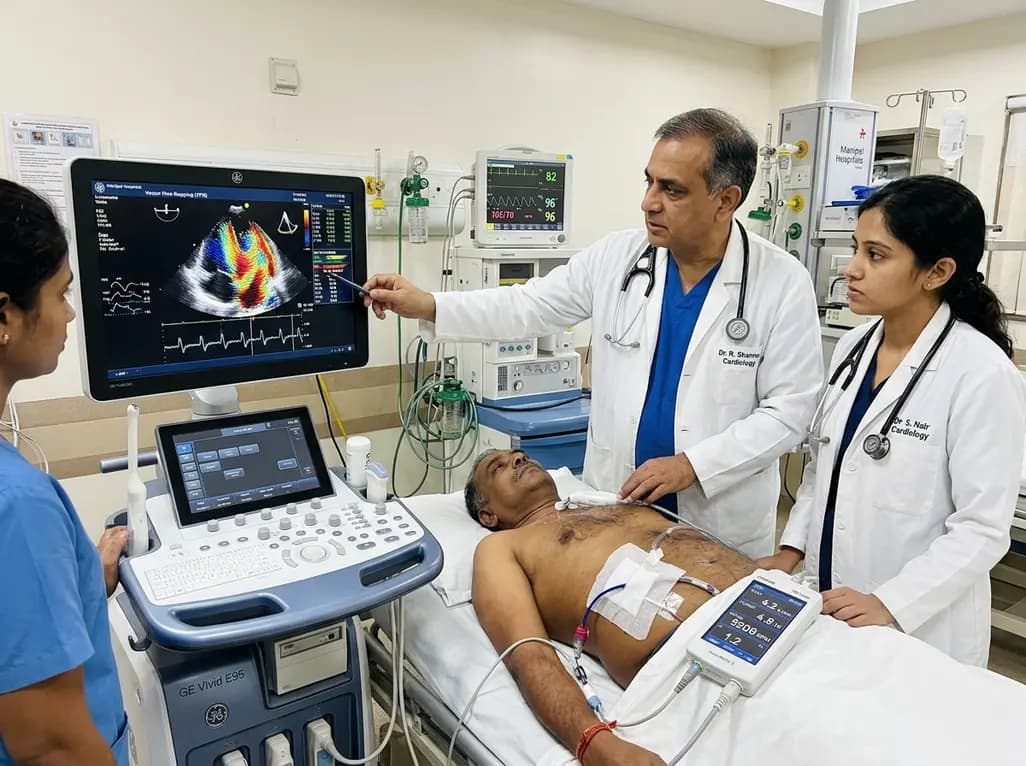
A pilot study shows that transesophageal echocardiography with vector flow mapping measures intraventricular energy loss in HeartMate 3 LVAD recipients. Energy loss significantly correlates with controller-displayed pump flow, offering clinicians deeper insights into ventricular unloading and intracardiac fluid mechanics.
Today

A comparative study demonstrates that simple and complex labral tears achieve comparable functional outcomes and low recurrence rates following arthroscopic stabilization for anterior shoulder instability, despite differing clinical presentations and dislocation histories.
Today

A nationwide analysis shows that inpatient lifestyle counseling for type 2 diabetes remains remarkably underutilized despite modest gains. Clinicians must bridge persistent demographic disparities and integrate structured dietary and exercise counseling into routine hospital discharge workflows.
Today
